Most cinematic content retainers sound the same: a few reels, some photos, one drone day, one monthly invoice. That makes your offer easy to compare and easy to cheapen. If you want to sell cinematic content retainers without looking generic or undercutting your value, you need to package a repeatable content system around business outcomes, creative direction, and operational reliability, not just prettier footage.
Quick Take
A retainer is a recurring agreement, usually monthly or quarterly, where a client reserves your creative and production capacity.
If you want yours to feel premium instead of interchangeable:
- Sell a result, not a pile of assets.
- Narrow the offer to a specific client type, business moment, or content problem.
- Build the retainer around cadence, planning, shoot capacity, edit capacity, and approval flow.
- Price for reserved time, complexity, compliance, and usage rights, not just the number of final clips.
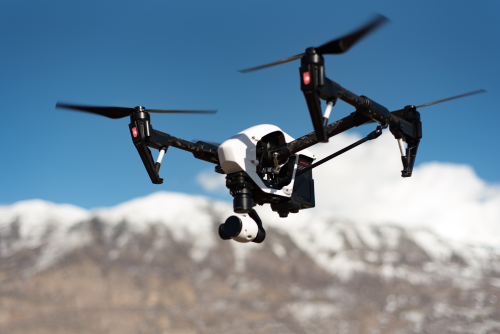
- Keep drone footage as a storytelling tool, not the entire sales pitch.
- Put weather, no-fly limits, permits, access, revisions, and travel assumptions in writing.
- Offer efficiency-based value, not panic discounts.
Why cinematic retainers get commoditized so fast
The word “cinematic” helps attract attention, but it rarely closes recurring business on its own.
From the client’s side, “cinematic” often sounds like style without a system. If your proposal says “4 reels, 20 edited photos, 1 drone shoot,” and five other creators say roughly the same thing, the buyer has no easy way to see the difference except price.
That is when you start getting pushed into questions like:
- “Can you do the same package for less?”
- “Can you throw in more edits?”
- “Can you include raw footage too?”
- “Another team offered twice the deliverables.”
The real issue is not your quality. It is your framing.
Clients usually do not buy a retainer because they love the phrase cinematic content. They buy because they want one or more of these outcomes:
- consistent content without re-briefing a new freelancer every month
- faster turnaround around launches, events, or promotions
- better visual consistency across channels
- reliable access to drone and ground production when needed
- an asset library they can reuse across campaigns
- less internal chaos
When you sell the system behind the visuals, you stop sounding like a commodity.
What clients are really buying in a premium retainer
A strong content retainer is part production service, part operating system.
Your best buyers are usually paying for:
- reserved availability
- creative planning
- location-aware storytelling
- reliable execution
- editing capacity
- consistency over time
- lower coordination overhead
That means your value is often greater than the finished videos themselves.
A hotel is not only buying a reel. It is buying a dependable way to refresh seasonal room, property, dining, and destination content without rebuilding the process each month.
A real estate developer is not only buying aerial footage. It is buying a repeatable visual record of construction progress, amenity readiness, neighborhood context, and leasing momentum.
A brand with multiple locations is not only buying short-form edits. It is buying consistency across sites, speed, and fewer production surprises.
If you can explain that clearly, you immediately sound less generic.
Choose the right retainer model before you price it
Not every client needs the same kind of recurring content agreement. If you use one template for every lead, your offer will flatten.
| Retainer model | Best fit | Core promise | Why it stays premium |
|---|---|---|---|
| Ongoing social content engine | Brands that need weekly posts | Consistent monthly capture and edit flow | Saves the client from content gaps and reactive booking |
| Seasonal brand library | Hospitality, tourism, lifestyle, destinations | Larger scheduled shoots that feed months of campaigns | High planning value and long asset life |
| Property or place storytelling | Hotels, developers, venues, campuses | Repeated visual coverage of experience, layout, and atmosphere | Drone plus ground coverage creates context clients cannot fake |
| Campaign or launch support | Openings, product launches, events, promotions | Concentrated content before, during, and after key dates | Priority access and fast turnaround are worth more than volume |
| Multi-site content operations | Franchises, regional brands, large operators | Standardized recurring content across locations | Workflow discipline and consistency create enterprise value |
The point is simple: sell the model that matches the client’s buying logic.
If they need regular output, a monthly engine may fit.
If they mainly need a premium asset bank they can stretch for a quarter, a seasonal retainer may fit better.
If they have unpredictable schedules but recurring campaigns, a quarterly retainer with pre-booked production windows may be more realistic than a bloated monthly promise.
How to make your retainer feel specific instead of generic
1. Narrow the buyer
You do not need a tiny niche, but you do need a clear lane.
That lane can be defined by:
- industry: hospitality, tourism, property, construction, industrial, education, automotive
- site type: resorts, retail destinations, campuses, venues, developments, factories
- business stage: launch, lease-up, growth, hiring, rebrand, seasonal promotions
- content purpose: social output, brand library, recruitment, investor updates, event coverage
“Cinematic content for businesses” is vague.
“Monthly visual storytelling for boutique hotels that need premium room, dining, and local-experience content across seasons” is much stronger.
2. Tie the offer to a recurring business moment
Retainers work best when they attach to something the client already repeats.
Examples:
- monthly promotions
- seasonal campaigns
- occupancy pushes
- leasing milestones
- event calendars
- product drops
- recruitment cycles
- construction phases
This matters because recurring business is easier to justify when it supports recurring demand.
3. Define your signature coverage
Do not sell “drone plus camera.” Sell a recognizable coverage approach.
For example, you might be known for:
- arrival-to-experience storytelling for hospitality brands
- aerial context plus detail shots for premium property marketing
- executive-safe industrial visuals with strict site discipline
- fast event recap edits that combine atmosphere, crowd flow, and hero aerials
That signature can become part of your pitch.
4. Build the rhythm, not just the deliverables
A premium retainer feels like a process.
Include things like:
- a monthly or quarterly planning call
- a content calendar or shoot priority list
- one or more pre-booked capture windows
- defined edit capacity
- standard turnaround times
- simple approval steps
- asset organization and handoff
Clients trust systems more than adjectives.
5. Add an operating edge
This is where many drone creators can stand out without sounding flashy.
Your edge might be:
- strong pre-production and shot planning
- dependable cross-functional coverage with air and ground
- fast post-production
- multilingual or travel-ready crew support
- comfort with complex sites and permissions
- good on-camera direction for non-professional talent
- consistent brand adaptation across short-form, web, and paid placements
That is what makes a retainer feel hard to replace.
Scope the retainer like a service, not a cheap bundle
The fastest way to undercut yourself is to sell a monthly basket of assets with weak boundaries.
Instead, structure the agreement around capacity and rules.
A stronger retainer usually includes these parts
Planning
- campaign or content priorities
- shot list alignment
- scheduling
- location and access assumptions
Production capacity
- number of capture windows, half-days, or full-days
- whether drone and ground coverage are both included
- whether second operators, spotters, or extra crew are included or separate
Post-production capacity
- number of core edits or edit hours
- number of cutdowns, resizes, or alternate aspect ratios
- color, sound cleanup, subtitles, light motion graphics if relevant
Stills and asset handling
- edited photo count if included
- file delivery format
- library organization
- archive period
Review and turnaround
- revision rounds
- client response deadlines
- rush turnaround terms
Exclusions
- travel outside the agreed area
- permit fees
- location fees
- actors, models, makeup, stylists
- voiceover
- major animation or VFX
- extensive raw footage handoff
- music or stock licenses beyond what is specified
Why capacity beats simple deliverable counts
If you promise only outputs, the client will always try to squeeze more from the same fee.
If you promise defined capacity, the scope becomes clearer.
For example, this is weak:
- 8 reels
- 25 photos
- 1 drone shoot
This is stronger:
- one monthly half-day capture window
- air and ground coverage where legally and operationally possible
- four primary short-form edits
- four cutdowns or resizes from approved footage
- 15 edited stills
- one revision round per asset
- shared planning board
- 5-day standard turnaround
- weather reschedule policy and no-fly fallback plan
The second version sounds more professional because it explains how the work actually happens.
How to price without undercutting your value
Do not price your retainer by looking at what a random creator is charging for “4 reels a month.”
That is market noise, not pricing strategy.
Build your internal floor first
Before you quote anything, know your minimum sustainable monthly number.
Include:
- production time
- edit time
- admin and communication time
- gear wear and maintenance
- software subscriptions
- insurance
- storage and backup
- transport and travel planning
- taxes and business overhead
- a healthy profit margin
If the number you are about to quote does not comfortably cover those costs, it is not a retainer. It is slow-motion self-discounting.
Price the layers clients do not always see
Premium retainers should account for more than the final exported videos.
Your fee may need to reflect:
- creative planning
- location research
- weather contingency
- airspace and operational checks
- drone pilot skill and compliance burden
- client coordination
- revisions
- usage rights
- priority scheduling
- seasonal consistency across multiple shoots
That is why two retainers with the same number of final assets should not automatically cost the same.
Separate fixed and variable costs
A healthy retainer often has two parts:
- A recurring fee for reserved capacity and standard output
- Variable charges for items that change month to month
Variable items may include:
- long-distance travel
- permits or location fees
- extra crew
- talent
- heavy post-production
- urgent turnaround
- unusual licensing requirements
If you bury all of that inside the base monthly fee, your margin disappears the first time the project gets complicated.
Discount only when efficiency is real
A retainer can justify some savings for the client if it makes your schedule more predictable or reduces your sales/admin effort.
But that does not mean you owe a deep discount.
A smart way to frame it is:
- the client gets better access and planning priority
- production is more efficient because dates are recurring
- the per-project admin load is lower
- the value comes from continuity, not bargain pricing
If you want to sweeten the offer, add value before cutting rates. Examples:
- faster standard turnaround
- quarterly planning session
- asset library tagging
- seasonal aerial refresh
- one extra cutdown batch per quarter
That protects your positioning better than a cheap monthly fee.
How to pitch the retainer so it sounds valuable
Your sales call should not start with package tiers. It should start with diagnosis.
Ask questions that expose the real content problem
Good discovery questions include:
- What kind of content do you keep needing but never produce consistently?
- What moments in your business are most important to capture each month or quarter?
- Where does your current content workflow break down?
- Which channels need the most support: social, web, paid, internal, sales, investor, recruitment?
- Do you need fast recurring output, a stronger asset library, or both?
- What has to happen if weather or site restrictions prevent drone filming on a planned day?
These questions move the conversation away from “How many reels?” and toward “What system do we need?”
Present one strong recommendation and one bigger option
Three generic tiers often make you look templated.
A better approach is:
- one recommended retainer based on what the client actually needs
- one expanded option if they want faster output, more locations, or more aggressive turnaround
That feels consultative instead of menu-driven.
Use outcome language in the proposal
Instead of saying:
- monthly cinematic content package
Say something like:
- monthly property storytelling retainer built to keep your social, web, and campaign assets current across seasons, with one scheduled capture window, repeatable edit workflow, and a maintained visual library
That is more specific, more operational, and harder to compare against a cheap content bundle.
Compliance, safety, and operational limits you should put in writing
If your retainer includes drone work, do not sell certainty where uncertainty exists.
Commercial drone work can involve local aviation rules, site restrictions, property permissions, privacy issues, crowd management, and weather limits. Those vary by country and even by location.
At minimum, make sure your agreement covers these points:
- all flights are subject to local laws, airspace restrictions, weather, and on-site safety conditions
- some locations may require advance permission, permits, or local approvals that must be confirmed before flight
- if aerial capture is not legally or safely possible, the production plan shifts to an agreed ground-based alternative
- travel, cross-border work, battery transport, customs, local pilot requirements, or special permits may require separate review and costs
- the client is responsible for access to privately controlled sites unless you have explicitly agreed to manage it
- talent releases, property releases, music licenses, and location permissions should be assigned clearly
- insurance requirements should be verified based on the jurisdiction, venue, and client expectations
Never promise a drone shot before you have verified that the operation is legal, safe, and practically achievable.
Common mistakes that make retainers feel cheap
Selling style words instead of a business case
“Cinematic,” “premium,” and “high-end” are not enough by themselves. Buyers need to understand what recurring problem you solve.
Making the drone the whole offer
Drone footage is powerful, but most clients need a content engine, not a flying camera showcase. Air coverage should support the story.
Using the same package for every industry
A venue, a resort, a developer, and a factory do not buy for the same reasons. Your retainer should reflect that.
Pricing by final asset count only
That invites scope creep, endless versions, and bad margins.
Hiding revision limits
If revisions are vague, the cheapest month becomes the most expensive one.
Including too much for “retainer value”
Unlimited reschedules, unlimited raw footage, broad usage rights, wide travel, and extra versions can quietly erase profit.
Discounting to prove seriousness
A better way to show commitment is a clear process, realistic contract term, and predictable delivery rhythm.
Ignoring compliance in the sales phase
If the proposal sounds like every drone shot is guaranteed, you are setting up avoidable conflict later.
FAQ
How long should a cinematic content retainer be?
Three to six months is often easier to justify than a long annual lock-in, especially with newer clients. It gives enough time to build rhythm, learn the brand, and create measurable consistency without forcing an uncomfortable commitment.
Should I price by shoot days or by deliverables?
Usually by a mix of reserved production capacity and post-production capacity. Deliverables still matter, but pricing only by outputs makes it too easy for the client to push for more work from the same budget.
What if the client says another creator is cheaper?
That is usually a positioning test. Explain what your retainer includes beyond final assets: planning, reliability, compliance, brand consistency, edit workflow, and reserved access. If they only want the lowest-cost clips, they may not be your retainer client.
How do I handle bad weather or no-fly restrictions?
Put it in the agreement before the project starts. State that aerial filming depends on weather, legal airspace access, and site safety. Also define the fallback: reschedule, switch to ground capture, or reallocate time to editing or stills.
Should drone footage be a separate line item?
Sometimes. If drone coverage adds meaningful planning, compliance, crew, or risk, separating it can help clients understand the value. In simpler local shoots, it may sit inside the main retainer as part of the production method. The key is not to make it feel “free.”
Can a newer creator sell retainers, or should they wait?
A newer creator can sell retainers if the offer is tightly scoped and realistic. Start with a smaller commitment, a narrow niche, and a strong process. Do not sell a complex monthly machine you are not yet operationally ready to deliver.
Who should handle permits, permissions, and releases?
It depends on the job, so assign responsibilities clearly. In many cases, the client is best placed to secure access to private sites, while the production team handles aviation checks and production requirements. For any location with special rules, verify the exact process before promising coverage.
Should usage rights be included in the monthly fee?
Basic organic brand use is often included, but broader paid, regional, or long-term usage may justify separate terms. Be clear about what the client can do with the assets and whether extra licensing applies.
The best next move
If your proposal can be copied, compared, and beaten on price in five minutes, it is too generic. Rebuild the offer around a specific buyer, a recurring business need, a clear production rhythm, and well-defined operating boundaries. That is how you sell cinematic content retainers that feel premium, stay profitable, and attract clients who want a real system instead of the cheapest monthly content bundle.
