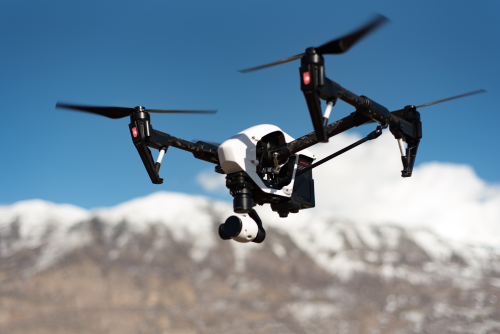
For many freelance drone pilots, flying jobs alone creates uneven income. If you’re wondering how to train in-house operators in a way that creates real revenue, the opportunity is real, but only if you package it as a business service rather than a few flying lessons. The best clients are not buying “training.” They are buying a safer, faster, repeatable internal drone workflow.
Quick Take
Training in-house operators can be a strong revenue stream for drone pilots because it solves a real business problem: clients want faster access to aerial data without waiting for an outside pilot every time. But the money is rarely in ad hoc coaching. It comes from building a structured offer that includes discovery, training, flight supervision, checklists, standard operating procedures, competency assessment, and follow-up support.
Here is the short version:
- Sell outcomes, not hours.
- Train for a specific workflow, not “general drone skills.”
- Scope the client’s operational risk before you agree to train anyone.
- Separate flight instruction from legal compliance responsibilities.
- Charge for prep, documentation, and support, not just the days on site.
- Build recurring revenue through refreshers, audits, and new-hire onboarding.
Why in-house operator training can be better business than one-off flying jobs
A client who hires you for one flight gets one deliverable. A client who asks you to help build an internal drone capability may need:
- workflow design
- equipment recommendations
- training days
- operating procedures
- safety checklists
- supervised live missions
- refresher training
- onboarding for new staff
- periodic audits
That is a much deeper service relationship.
It also solves several pain points that outside pilots cannot always solve well:
- The client needs frequent repeat flights.
- The flight task is simple but time-sensitive.
- The company wants tighter control of sensitive sites or data.
- Different locations need the same repeatable capture standard.
- Internal teams need faster turnaround than an external booking cycle allows.
A construction group capturing weekly progress is a classic example. A property portfolio team documenting roofs across many sites can also justify in-house capability. On the other hand, a luxury resort that only wants a cinematic promo twice a year usually does not need an internal operator. That client probably still needs a specialist pilot and editor.
That distinction matters because the wrong client will waste your time and blame the training model when the real issue is lack of operational need.
Key points before you build this offer
- In-house training works best for repeatable, low-to-medium complexity missions.
- It is usually a poor fit for rare, high-risk, or highly specialized operations.
- Your most profitable offer is usually “training plus operating system,” not “training only.”
- The client needs at least one internal owner who takes safety, scheduling, and documentation seriously.
- Training does not automatically make someone legally approved to fly commercially in every jurisdiction. The client must verify local requirements with the relevant aviation authority and insurer.
What you are actually selling
Most pilots underprice this service because they think they are selling instruction time. That is too narrow.
You are really selling one or more of these:
- capability transfer
- workflow design
- operational consistency
- risk reduction
- team confidence
- faster internal response
- lower long-term dependence on external operators
That means your offer should look more like a business enablement package than a casual lesson plan.
The four offer models that actually make sense
| Offer model | What it includes | Best for | Main risk |
|---|---|---|---|
| Basic workshop | Intro theory, basic handling, safety overview | Very early-stage clients exploring the idea | Low revenue, low stickiness |
| Operator training package | Ground school, flight drills, use-case practice, assessment | Clients with a clear workflow and a small initial team | Can fail if no SOPs or internal owner exist |
| Launch package | Operator training plus SOPs, checklists, logs, mission templates, supervised first jobs | Best fit for most serious business clients | More prep time than pilots expect |
| Ongoing enablement retainer | Refreshers, audits, new-hire training, incident review, workflow tuning | Multi-site teams or growing internal programs | Needs clear boundaries and recurring value |
If you want real revenue, the launch package and ongoing enablement retainer are usually the sweet spot.
A basic workshop may get you in the door, but it is hard to build a durable business on workshops alone. A launch package creates more trust and better results because it includes the documents and operating habits clients actually need after you leave.
Which clients are worth training, and which ones are not
Not every company should bring drone work in-house. Qualifying the client is one of the most important business skills in this model.
Good-fit clients
Look for clients with these traits:
- repeat flights every week or month
- predictable mission profiles
- simple, standardized outputs
- an internal safety-minded point person
- budget for equipment, maintenance, and compliance
- willingness to document processes
- patience to train gradually
Good examples include:
- construction progress teams
- real estate portfolio inspection teams
- facilities management groups
- light roof and facade documentation teams
- internal marketing teams that need repeatable site content
- agriculture businesses with repeat scouting workflows, where locally permitted
Weak-fit clients
Be careful when the client has:
- very occasional flight needs
- no internal owner for the program
- high staff turnover
- interest only in “saving money fast”
- pressure to start flying immediately with no policy or planning
- risky environments or specialized inspection needs beyond beginner capability
In those cases, outsourced flying may still be the better model.
Good-fit trainees
The best trainee is not always the most enthusiastic hobbyist in the company.
Pick people who have:
- checklist discipline
- calm decision-making
- comfort with tablets, settings, and file management
- the authority to delay or stop a mission
- time in their workload to plan and log flights properly
Avoid training someone just because they are available. A rushed site manager with no interest in procedure often becomes a future incident report.
Build the training around the mission, not the aircraft
A common mistake is building a course around “how to fly this drone.” That is too shallow for business use.
Instead, build the course around the mission the client needs to perform. The aircraft is only part of the system.
Core modules most clients need
1. Business objective
Start with what the drone is for:
- progress photos
- inspection images
- basic mapping
- marketing clips
- situational awareness
- repeatable before-and-after documentation
This sets the standard for what “good enough” means.
2. Rules, roles, and responsibilities
Explain the difference between:
- the pilot manipulating the controls
- the person or business responsible for the operation
- any observer or supporting crew member
- any legal or insurance requirements that may apply locally
Do not guess here. Different countries treat operator responsibility, pilot qualification, registration, and commercial use differently. Your job is to help the client understand what they must verify before flying independently.
3. Aircraft and payload basics
Cover:
- controls and flight modes
- batteries and charging habits
- storage and transport
- firmware and app updates
- memory cards and data offload
- maintenance logging
Keep this practical. Clients do not need an engineering lecture. They need to avoid preventable failures.
4. Mission planning
Teach them how to plan before arrival:
- weather checks
- airspace checks where applicable
- site permissions
- nearby people, property, roads, and obstacles
- magnetic or signal interference risks
- takeoff and landing area selection
- emergency landing options
5. Standard operating procedures
A standard operating procedure, or SOP, is the written way the team runs a job the same way every time.
This should cover:
- go/no-go decisions
- preflight checklist
- launch sequence
- communications
- battery change process
- image or data capture routine
- abnormal event response
- post-flight logging
6. Flight handling
This is where many pilots spend too much time. Yes, stick skills matter. But business operators usually need controlled, repeatable flight more than flashy maneuvers.
Train for:
- smooth takeoff and landing
- orientation control
- hovering accuracy
- slow lateral movement
- orbiting only when needed
- return-to-home understanding
- manual recovery if automation behaves unexpectedly
7. Capture quality and workflow
This is where real business value shows up.
Teach operators how to get usable outputs:
- framing consistency
- repeat camera angles
- basic exposure awareness
- overlap and altitude consistency for mapping workflows
- file naming
- upload and storage process
- version control for repeat missions
8. Emergency response
Every program needs this.
Cover:
- lost link behavior
- low battery decisions
- unexpected people entering the area
- weather change mid-flight
- minor incident logging
- when to abort immediately
- when to ground the aircraft for inspection
A straightforward process you can sell to clients
Here is a simple structure that works for most in-house operator engagements.
1. Discovery and qualification
Before you talk curriculum, understand:
- what they want to capture
- how often they need to fly
- who will be trained
- where they operate
- whether they fly across multiple sites or countries
- what drone they already own, if any
- what internal approvals and safety processes exist
If the answers are vague, slow down. A vague client becomes a scope creep client.
2. Readiness audit
Assess whether they are actually ready.
Review:
- team fit
- use cases
- hardware fit
- battery and charging practices
- data handling
- maintenance plan
- insurance questions to verify
- local legal questions to verify
- internal sign-off chain
This can be a paid consulting step. It should not be free discovery if it requires real analysis.
3. Scope the engagement
Define the program in writing:
- number of trainees
- number of aircraft
- mission types covered
- training days
- supervised flight days
- documents included
- revision rounds
- support period after training
- what is explicitly not included
This is where margins are protected.
4. Deliver ground training
Ground training is where you win trust. It is also where you reduce risk before anyone touches the controls.
Cover:
- mission purpose
- airspace and site planning
- SOPs
- battery and equipment handling
- privacy and public interaction basics
- emergency actions
- client-specific workflow
5. Run controlled flight sessions
Move from low-pressure drills to realistic tasks.
A good sequence is:
- Basic handling in a low-risk area
- Controlled takeoff, landing, hover, and orientation
- Simple pattern work and camera control
- Workflow-specific tasks
- Simulated abnormal scenarios where safe and appropriate
If a simulator exists for the platform and the client has access to it, use it. It can reduce wasted field time, especially for nervous beginners.
6. Supervise real production-style missions
This is the difference between training and true operational handoff.
Have trainees complete real mission flows:
- plan the job
- run the checklist
- brief the team
- perform the flight
- capture the required outputs
- log the mission
- debrief the result
This stage exposes the gaps that classroom confidence can hide.
7. Assess competency
Do not treat attendance as competence.
Use a simple pass standard based on:
- safe setup
- sound judgment
- controlled handling
- correct checklist use
- mission completion
- proper logging
- correct response to an unexpected change
If someone is not ready, say so. A weak sign-off may win a short-term conversation and lose a long-term client.
8. Hand over the operating system
Deliver a package the client can actually use:
- training records
- competency notes
- SOPs
- checklists
- site briefing template
- maintenance and battery logs
- incident reporting template
- data naming and storage guide
- refresher recommendation
9. Add a follow-up window
A 30-day or 60-day follow-up period is often worth including or upselling.
Use it for:
- flight log review
- questions from first solo missions
- checklist adjustments
- incident or near-miss review
- new staff orientation planning
This is where recurring work starts.
How to price it so it becomes real revenue
If you price only the days you stand in a field, this service will disappoint you.
Your real workload usually includes:
- discovery calls
- client qualification
- internal planning
- curriculum adjustment
- document creation
- travel
- onsite delivery
- debriefing
- revision requests
- post-training support
Price the whole engagement, not just visible training hours.
A practical pricing structure
A simple way to think about it:
- Charge for readiness and program design.
- Charge for delivery days.
- Charge for documentation and SOP customization.
- Charge for supervised live missions.
- Charge for follow-up support or retainer coverage.
What to include in your proposal
Spell out:
- number of trainees included
- maximum number of aircraft covered
- number of sites covered
- whether travel days are billed
- how many document revisions are included
- whether you are recommending hardware only or setting it up too
- how long support lasts after delivery
A good margin check
If a “two-day training” job actually takes five working days once prep, travel, document creation, and support are counted, price it like five days of business capacity.
That sounds obvious, but many pilots ignore the invisible labor.
Where recurring revenue comes from
The best recurring offers are usually:
- quarterly refreshers
- annual competency review
- new-hire onboarding
- SOP updates after equipment changes
- flight log audits
- incident review and process correction
- multi-site rollout support
That is how in-house operator training becomes a business line instead of a one-time favor.
Safety, legal, compliance, and liability limits to respect
This service touches regulated flight activity, so your boundaries must be clear.
Depending on the country or region, drone operations may involve pilot competency rules, aircraft registration, remote identification or similar requirements, airspace permissions, operational category limits, insurance expectations, privacy law, landowner or venue permissions, and workplace safety obligations.
Before the client flies independently, they should verify:
- who is legally responsible for each operation
- what pilot qualification or test is required
- what aircraft registration or operator registration is required
- whether the intended sites need airspace approval or local permission
- what insurance is required or advisable
- what privacy and data handling rules apply
- how batteries must be stored, transported, and managed
- what incidents must be logged or reported locally
You should also verify your own position with your insurer. Training activities, supervised flights, and consulting work may not fit the same policy wording as ordinary aerial service work.
One more important point: your training sign-off is not a replacement for any formal legal approval required by the local aviation authority. It is an internal competency assessment, not government authorization.
What people get wrong
They train too broadly
“General drone training” sounds nice, but it is hard to deliver clear business value. Train for one use case first. Expand later.
They skip the paperwork
Many clients think the hard part is learning to fly. It usually is not. The hard part is repeatability, logging, permissions, data handling, and go/no-go judgment.
They let the client buy gear too early
If the client buys the wrong aircraft before the workflow is defined, training gets awkward fast. Start with mission requirements, then confirm platform fit.
They train the wrong employee
The best candidate is the person with judgment, time, and process discipline, not the loudest volunteer.
They undercharge preparation time
Custom SOPs, checklists, and handoff documents are where much of the value sits. They should be priced accordingly.
They avoid hard conversations about readiness
If the client lacks internal ownership, budget, or compliance discipline, training will not fix that. Say no early.
They confuse confidence with competence
A trainee who feels comfortable after a few flights may still be weak at planning, logging, or emergency judgment. Assess the full mission process.
When you should not pitch in-house training
Do not force this model when:
- the client only needs a few flights per year
- the work is highly specialized or high risk
- the operation spans multiple jurisdictions the client is not ready to manage
- the client has no appetite for documentation
- the business case depends only on cutting cost, not improving process
- there is no one internally accountable for the program
In those cases, continue offering managed drone services, or position training as a future phase after the client matures.
FAQ
Is training in-house operators more profitable than flying jobs yourself?
It can be, especially when you bundle training with SOPs, supervised rollout, and refresher support. But it is not automatically higher margin. If you underprice prep and documentation, it can become less profitable than direct flight work.
How many employees should a client train first?
Usually start small. One or two primary operators plus one backup is often better than training a large group immediately. A small trained team is easier to assess, support, and standardize.
Should the client buy drones before training starts?
Not always. If the use case is still unclear, it is often better to confirm mission needs first. The wrong aircraft can create training gaps, workflow problems, and buyer regret.
Can I “certify” someone after training?
You can issue an internal competency record or completion document for your program. But that should not be presented as a substitute for any government-required license, test, registration, or operational approval.
What if the client wants to operate in multiple countries?
That raises complexity fast. Rules, operational categories, registration, insurance expectations, and site permissions can vary widely. Build the program around common internal safety practices, then require the client to verify local compliance in each country before flight.
How often should operators be reassessed?
A practical approach is after the first month of live work, then at regular intervals such as quarterly or annually depending on flight frequency, team turnover, and operational complexity. Any incident, long gap in flying, or equipment change can also justify reassessment.
What documents matter most after training?
The essentials are usually the SOPs, preflight and post-flight checklists, mission brief template, maintenance and battery logs, incident report template, and a simple competency record for each operator.
Can this work for creative teams as well as industrial teams?
Yes, but the curriculum should differ. Creative teams need stronger focus on shot planning, repeatable content capture, and brand consistency. Industrial or facilities teams need more emphasis on inspection workflow, documentation, and operational discipline.
The move that makes this offer work
If you want real revenue from training in-house operators, stop selling yourself as “someone who can teach drones.” Sell a defined business outcome: a safe, documented, repeatable internal flight workflow for a specific use case. Start with one narrow package, one type of client, and one clear handoff process. That is how training stops being side income and starts becoming a serious service line.
