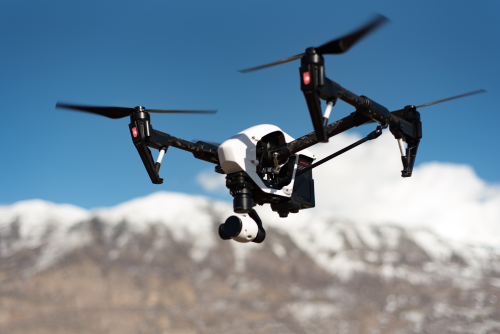
Learning how to write drone proposals without looking generic or undercutting your value comes down to one shift: stop selling drone time and start selling a clear business outcome. Clients want confidence that you understand the brief, can operate responsibly, and will deliver usable assets without surprises. A strong proposal makes that obvious before price becomes the main conversation.
Quick Take
If your drone proposals keep sounding like every other PDF in the inbox, the usual problem is not your writing style. It is your framing.
Key rules:
- Lead with the client’s goal, not your drone model.
- Define deliverables in measurable terms, not vague promises like “high-quality aerial content.”
- Price the full workflow: planning, travel, flight, post-production, revisions, admin, and risk.
- Use options or packages to give choice without forcing yourself into the cheapest number.
- Put assumptions, exclusions, usage rights, and weather terms in writing.
- Never promise shots, timelines, or access that still depend on aviation approval, site permission, or safe conditions.
A proposal should feel like it was written for one client, one job, and one outcome.
Why most drone proposals feel generic
Many operators use the same template for a resort promo, a roof inspection, a construction update, and a real estate shoot. The file changes names and dates, but the proposal still reads like a reusable sales brochure.
That makes clients hesitate for three reasons:
- It sounds like you did not really understand the job.
- It leaves scope vague, which creates risk for the buyer.
- It turns the decision into a price comparison.
The more generic your proposal sounds, the more buyers assume they can swap you for a cheaper pilot.
A weak proposal usually has some version of these problems:
- It starts with your gear list instead of the client’s problem.
- It says “drone shoot” without specifying outputs.
- It offers one flat price with no explanation.
- It ignores compliance, access, weather, or timeline risk.
- It promises “unlimited revisions” or “all rights included” without thinking through the cost.
That is how operators accidentally train clients to shop them like a commodity.
Before you write, qualify the project
The best proposals are written after a short discovery process. If you skip that step, you usually end up guessing on scope, underpricing the work, or promising things the client never actually asked for.
A quote gives a price. A proposal explains the plan, the value, and the limits behind that price.
Ask these questions before you price anything
Use a call, email brief, or intake form to get answers to the basics:
- What is the business goal of this shoot or mission?
- Who will review and approve the proposal?
- What is the location, and how many sites are involved?
- What is the preferred date or deadline?
- What final deliverables are needed?
- Is the work marketing content, mapping, inspection, progress reporting, event coverage, or something else?
- Does the client need editing, annotation, reporting, or only raw files?
- Will the project require travel, site escorts, security clearance, or special access?
- Are there people, vehicles, tenants, guests, or operations on site that may affect safety or scheduling?
- Does the client expect commercial usage rights, internal-only use, or broader campaign rights?
- Is there a target budget range?
If the client cannot answer basic scope questions, do not rush into a low number just to keep the conversation moving. Offer a paid scoping step if needed, especially for larger or more technical jobs.
That alone will separate you from operators who guess and hope.
A proposal structure that protects your value
You do not need a 20-page document. Most drone proposals are stronger when they are clear, specific, and easy to scan.
Here is a structure that works across most drone service categories.
1. Start with the client outcome
Open with a short summary of what the client is trying to achieve and how your work supports that goal.
This should sound like you listened.
For example:
- A real estate client may need fast-turn media that helps a listing go live on schedule.
- A construction team may need repeatable monthly capture for stakeholder reporting.
- A resort or tourism brand may need a library of short-form assets for website, social, and paid campaigns.
- An inspection client may need clear visual documentation of specific assets, not a cinematic edit.
This section is usually just one short paragraph, but it matters more than a long introduction about your business.
A good opening sounds like this:
- You need aerial stills and short video clips that show the scale, access, and exterior features of the property before the listing launch next week.
- You need repeatable aerial capture from agreed viewpoints each month so progress can be compared consistently across reporting periods.
That is far stronger than:
- We are a professional drone company offering high-quality aerial services.
2. Define scope in measurable terms
This is where proposals either become credible or start becoming dangerous.
Your scope should answer:
- What exactly are you delivering?
- How much of it?
- In what format?
- For how many locations or visits?
- By when?
Be specific. If the deliverable is video, say whether that means raw clips, one edited master, social cutdowns, or all of the above. If the deliverable is photography, state the number of final edited images and the intended use. If it is mapping or inspection work, define the output in plain language.
Examples of clear scope language:
- One site visit covering a single property
- Up to 20 edited aerial stills in web-ready and high-resolution formats
- One 45 to 60 second edited promo video plus three short social cutdowns
- Monthly progress capture from pre-agreed takeoff points and camera angles
- One orthomosaic, meaning a stitched overhead map, for internal planning use
- Annotated inspection images showing visible exterior conditions from agreed viewpoints
Also include what is not included unless purchased separately:
- Ground video
- Voiceover
- On-camera talent
- Complex motion graphics
- Extra locations
- Extra shoot days
- Rush turnaround
- Extensive retouching
- Survey-grade deliverables
- Additional revision rounds
Specificity protects both parties. It also makes your price look more reasonable because the client can see what they are actually buying.
3. Explain your operational plan, not just your equipment
Clients do not need a page-long drone spec sheet unless the job truly depends on a specific sensor or platform. What they do need is confidence that you know how the work will be executed.
Keep this practical:
- preflight planning
- site coordination
- timing and light considerations
- safe takeoff and landing setup
- backup weather window
- post-production workflow
- delivery method
For more complex jobs, mention any crew structure if relevant, such as an additional visual observer, meaning a crew member who helps maintain situational awareness and safety during operations.
This section should make the client think, “They have a process.”
4. Show that you understand compliance and permissions
Commercial drone work is not just a creative service. In many markets, it sits inside aviation, privacy, property access, and insurance rules that can vary by country, region, airspace, venue, and use case.
Your proposal does not need to become a legal memo. But it should show that you take compliance seriously.
Good things to include:
- operations are subject to applicable aviation and local rules
- site suitability, airspace, and access will be reviewed before flight
- flights are subject to safe weather conditions
- client may need to help secure property access or site contact approval
- any permits, venue permissions, or authority approvals required for the mission are subject to approval by the relevant body
- proof of insurance or operator credentials can be provided if applicable and requested
Be careful with promises. Do not write lines that imply guaranteed approval or guaranteed shots before you have verified them.
5. Set timeline, reviews, and delivery terms
A proposal feels generic when it says “delivery within 3 to 5 days” and leaves everything else fuzzy.
Spell out the timeline:
- Booking confirmation
- Pre-production and planning
- Proposed shoot date or date window
- First draft or first asset delivery
- Revision period
- Final handoff
Also define:
- how many revision rounds are included
- what counts as a revision versus new scope
- how delivery will happen
- how long files or project data will be retained, if relevant
This helps you avoid two common margin killers: endless edit rounds and clients returning months later expecting free changes.
6. Present pricing as options, not a race to the bottom
One of the easiest ways to avoid undercutting your value is to stop sending a single bare-bones number when the job has multiple possible scopes.
A tiered proposal gives the client choice while keeping you anchored above the cheapest version of yourself.
A simple structure could look like this:
- Essential: core deliverables for the immediate need
- Standard: best-fit package for most clients
- Expanded: added outputs, extra locations, faster turnaround, or more edit versions
This works well because it changes the conversation from “Why are you more expensive?” to “Which level fits this project?”
When you use options, make sure each tier reflects a real business difference, not random filler.
Examples:
- More final edited stills
- Additional social cutdowns
- Extra site visit
- Faster turnaround
- Additional location within the same project
- More detailed reporting or annotation
- Extended usage rights for broader marketing campaigns
You can also use different pricing models depending on the job:
- Project fee for clear, defined scope
- Day rate for variable on-site requirements
- Retainer or recurring schedule for repeated progress reporting
- Add-on pricing for extras like rush editing, additional revisions, or second locations
7. State assumptions, exclusions, and change-request terms
This is where you stop quiet scope creep before it starts.
Useful items to list:
- price assumes a certain number of sites or shoot hours
- one weather-related reschedule is included, or rescheduling terms if not
- client supplies site access and approval contacts
- delays caused by restricted access, unsafe weather, or missing approvals may shift the timeline
- additional deliverables beyond the listed scope are billed separately
- travel beyond a certain radius or overnight stays are additional
- permits, location fees, escorts, or venue charges are excluded unless stated
- engineering interpretation, legal certification, or survey sign-off is not included unless separately contracted
That last point matters for technical work. Drone operators can capture useful visual or mapping data, but some end uses may require licensed professionals depending on the jurisdiction and the client’s intended reliance on the output.
8. Add proof that is relevant, not random
A portfolio link by itself is not enough. The most persuasive proof is close to the current job.
Instead of dumping every project you have ever done, include:
- one or two relevant examples
- a short note on similar environments or use cases
- a brief result or workflow outcome
- any operational capability that matters to this client
A hotel brand does not care that you filmed an FPV car reel. A construction manager may not care about your wedding highlights. Relevance beats volume.
9. End with a clear next step
Do not let the proposal die in a vague “let me know.”
Tell the client what happens next:
- approve the preferred option
- confirm date window
- sign service agreement if proceeding
- pay deposit if required
- provide site contact and access details
Also include a proposal validity period if your scheduling or travel costs can change.
How to price drone work without undercutting your value
Undercutting usually happens when the operator prices only the visible part of the job: the time in the air.
That is almost never the full cost.
Build price from the whole workflow
Your fee should reflect:
- lead qualification and admin
- pre-production planning
- site and airspace review
- travel and mobilization
- crew time
- batteries, maintenance, and equipment wear
- insurance and business overhead
- flight operations
- culling, editing, color work, or data processing
- delivery, backups, and file management
- revisions
- risk and profit margin
If you leave half of that out, your low price might win the job and still lose money.
Use value language, not defensive language
Avoid saying things like:
- best possible price
- discounted to win the job
- simple drone shoot
- quick job
- easy capture
Those phrases make the work sound interchangeable and low-stakes.
Better language:
- recommended option for launch-ready marketing assets
- repeatable capture package for ongoing reporting
- fast-turn package designed for time-sensitive listing deadlines
- additional rights or deliverables available if campaign usage expands
That keeps the discussion focused on outcomes and fit.
Wording that makes a proposal sound specific
Here is a simple way to upgrade weak proposal language.
| Generic wording | Stronger wording |
|---|---|
| One day drone shoot | One site visit with up to 3 hours on location within safe operating conditions |
| High-quality aerial footage | 12 to 15 stabilized 4K clips focused on exterior approach, amenities, and wide establishing views |
| Edited video included | One 45-second master edit plus three short social cutdowns in vertical and landscape formats |
| Unlimited revisions | Two revision rounds covering shot selection, pacing, and text overlays; further revisions billed separately |
| All rights included | Commercial usage rights for the client’s owned web and social channels; broader campaign use available on request |
| Permits handled by us | Any required permissions or approvals will be assessed after location review and are subject to authority or property-owner approval |
You do not need fancy language. You need precise language.
Safety, legal, and operational limits to state clearly
Because drone work involves real-world flight activity, your proposal should acknowledge a few important limits.
Keep these principles in view:
- Commercial drone requirements vary by jurisdiction. Verify what operator qualifications, aircraft registration, insurance, airspace approval, or operational limitations apply where you work.
- Property owners, venues, parks, event organizers, industrial sites, and local authorities may have their own restrictions even when aviation rules allow flight.
- Privacy, data protection, and image rights may matter, especially when capturing people, private property, guests, or commercially sensitive sites.
- Weather, visibility, crowd conditions, and on-site hazards can change what is safe or possible on the day.
- Technical outputs such as maps, models, or inspections may need clear accuracy limits and intended-use disclaimers. If the client needs survey-grade or regulated outputs, confirm what standards and licensed sign-off are required in that market.
A strong proposal shows that safety and compliance are part of professional delivery, not annoying fine print.
Common mistakes that make proposals weaker
Writing before you understand the real brief
If you skip discovery, you will guess wrong on deliverables, timing, or access. That usually means rework or underpricing.
Leading with your drone, not the outcome
Most clients care far more about useful results than the name of your aircraft.
Being vague to sound flexible
Vagueness feels easy when you want to keep the deal alive. In practice, it invites scope creep and makes you look replaceable.
Offering one low number with no framing
That turns the whole job into a cheapest-wins comparison.
Promising unlimited revisions
This is one of the fastest ways to destroy margin on creative work.
Giving away broad rights without thinking
Usage rights, exclusivity, data ownership, and long-term storage all have value. Do not hand them over casually if they matter to the project.
Ignoring risk in technical or regulated work
Inspection, mapping, infrastructure, and industrial jobs need especially careful language around approvals, access, and output limitations.
Using irrelevant proof
The more your examples match the client’s world, the more your proposal feels trustworthy.
FAQ
Is a drone proposal different from a quote?
Yes. A quote mainly states price. A proposal explains the client need, the scope, the workflow, the timeline, the assumptions, and the price. For simple repeat work, a quote may be enough. For anything custom, a proposal usually wins more trust.
Should I always offer multiple pricing options?
Not always, but often. Options work well when there is a clear basic, recommended, and expanded version of the job. If the scope is highly fixed, one clearly justified project fee can be better.
How detailed should deliverables be?
Detailed enough that both sides can tell whether the work is complete. That usually means quantity, format, location count, timeline, included revisions, and any usage or reporting terms.
Should I include my equipment list?
Only if it helps the client assess fit. For example, a specific camera capability may matter for technical inspection or a high-end brand shoot. In most cases, lead with the result and keep equipment references brief.
How do I handle weather delays in the proposal?
State the rescheduling terms up front. Explain that flights are subject to safe conditions and define whether one weather-related reschedule is included, how new dates are selected, and what happens if delays continue.
Do I need to mention permits, permissions, and insurance in every proposal?
For most commercial drone work, yes at least briefly. You do not need a long legal section, but you should make it clear that operations depend on applicable rules, site access, and safe conditions. If a client requests proof of insurance or credentials, provide it separately if appropriate.
What if a client asks me to match a much cheaper competitor?
Do not rush to slash your price. First compare scope. Many “cheaper” offers exclude editing, revisions, travel, compliance work, or broader usage rights. If the client truly needs less, reduce scope instead of quietly reducing your margin.
Can I reuse a template at all?
Yes, but only as a starting structure. Reuse the format, not the substance. The moment the proposal reads like it could have been sent to anyone, it starts weakening your position.
The best next move
If you want better clients and stronger margins, stop sending “drone package” proposals that could fit any job. Build each proposal around one thing: the client’s outcome, the exact scope, the real operational plan, and the limits that protect both sides. When your proposal sounds specific, your price stops looking random.
