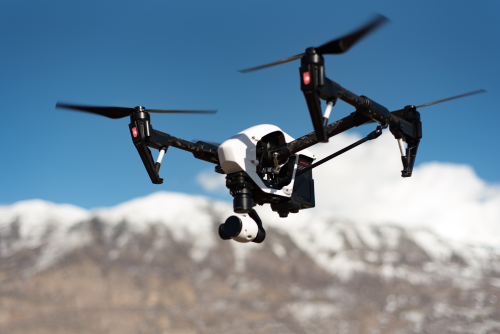
Most drone operators eventually realize that underpricing hurts twice: once when the invoice goes out, and again when the job takes more time, risk, and revision work than expected. The problem is that many pilots try to fix it by simply quoting a bigger number, which often leads to lost deals, confused clients, or jobs that are still unprofitable. The biggest mistakes people make when they try to avoid underpricing your drone work usually come from pricing the drone itself instead of pricing the full commercial assignment.
A better pricing approach protects your margin without turning every quote into a negotiation battle. That means understanding scope, deliverables, compliance, travel, post-production, and the business value of the final footage or data.
Quick Take
- Underpricing is rarely solved by “charging more” alone. It is solved by pricing the full job properly.
- The biggest pricing leaks are usually hidden in planning, travel, editing, revision rounds, client communication, and compliance.
- Air time is only a small part of commercial drone work. Clients are buying outcomes, not battery minutes.
- Copying another operator’s rate is risky because their costs, market, reputation, and workflow may be very different from yours.
- A minimum job fee is essential. Short jobs can still consume half a day once setup, safety checks, delivery, and admin are included.
- If a client’s budget is too low, reduce scope before you reduce your core rate.
- Usage rights matter more on marketing, advertising, tourism, and brand jobs than on routine internal work.
- Review every completed job against the quote. If the job took longer than planned, your pricing system needs work.
Why this keeps happening even after people raise their rates
A lot of drone freelancers think underpricing is mainly a confidence issue. Sometimes it is. But more often, it is a systems issue.
Pilots notice they have been too cheap, so they increase their quote. That sounds like progress. But if the quote still ignores edit time, reshoots, weather delays, permits, crew support, or licensing, the business model is still weak.
The opposite problem also shows up: some operators overcorrect. They jump to a “premium” rate without improving the offer, the process, or the way they explain value. Then they conclude that the market is bad, when the real issue is that the quote was not structured well.
In other words, avoiding underpricing is not about finding one magical number. It is about building a quote that matches reality.
Where underpricing usually hides
| Hidden leak | Why it hurts profit | Better move |
|---|---|---|
| Pricing by flight time only | Ignores planning, travel, setup, post, and admin | Price the full assignment |
| Copying competitor rates | Their costs and positioning may not match yours | Build your own baseline |
| No minimum fee | Small jobs consume big chunks of time | Set a call-out or minimum project charge |
| Unlimited revisions | Margin disappears after delivery | Include a defined number of revisions |
| One all-in quote with no scope detail | Clients assume everything is included | Spell out deliverables and limits |
| Ignoring compliance and crew costs | Risk-heavy jobs become loss-making | Add separate operational line items |
The biggest mistakes people make when they try to avoid underpricing your drone work
1. Raising the price without improving the offer
A higher quote does not automatically equal better pricing.
If your proposal still says something vague like “drone shoot, 2 hours, edited video,” clients will compare you to every other pilot offering a similar line item. You may have more skill and better process, but if the offer looks generic, the price feels arbitrary.
What clients understand better is a clear outcome.
Instead of selling “a drone shoot,” sell something more concrete, such as:
- 12 edited aerial stills
- one 30 to 60 second highlight video
- basic color correction
- delivery in specified formats
- one revision round
- delivery within a stated timeframe
- compliant on-site operation and risk-managed capture
That kind of package tells the client what they are actually buying. It also gives you a better reason to charge more.
2. Copying competitors instead of understanding your own numbers
One of the fastest ways to get pricing wrong is to ask, “What do other drone pilots charge?” and stop there.
Competitor research is useful, but it is not a pricing system. Another operator may have:
- lower insurance costs
- a cheaper local market
- more repeat clients
- a team that spreads overhead
- an in-house editor
- a stronger niche reputation
- more billable days each month
- less travel per assignment
This is especially important globally. Rates vary widely by region, regulation, sector, access difficulty, and client type. A construction progress operator in one market is not directly comparable to a resort filmmaker in another.
A better starting point is this:
- Calculate your annual business costs.
- Add the income you actually need the business to produce.
- Add a profit buffer and a contingency reserve.
- Divide that by a realistic number of billable days or projects, not an optimistic one.
That last point matters. Many freelancers assume most of their working time is billable. It usually is not. Marketing, maintenance, travel, admin, quoting, training, and weather delays all eat time. If you ignore that, your “good” rate may still be too low.
3. Charging for air time instead of the assignment
Clients often ask, “How long will you need to fly?” That sounds logical, but it is a trap if you base the whole quote on flight time.
In commercial work, the drone may be in the air for 15 to 30 minutes total, while the assignment takes several hours or more. The real job includes:
- pre-production and shot planning
- checking maps, access, and location constraints
- battery prep and gear packing
- travel
- on-site setup and safety checks
- waiting for light, weather, or access windows
- the actual capture
- downloading and backing up media
- culling, editing, exporting, and delivery
- invoicing and client communication
If you quote based mainly on time in the air, you will almost always undercharge.
A better approach is to price around one of these structures:
- minimum call-out fee
- half-day rate
- full-day rate
- project rate tied to deliverables
- add-ons for editing, travel, licensing, or rush turnaround
The drone is a tool. The assignment is the product.
4. Forgetting that post-production is often half the job
Many new service providers focus heavily on capture and barely price the work that happens after they land.
Post-production can include:
- offloading and organizing media
- backing up files
- selecting usable shots
- color correction
- stabilization or motion cleanup
- editing multiple aspect ratios
- adding titles, logos, or music
- exporting versions for different platforms
- uploading and delivering large files
- archiving project files
Then come revisions.
A quote that includes “edited video” but does not define revision limits is an invitation to margin loss. One client may approve the first cut quickly. Another may ask for six rounds of changes because three stakeholders are involved.
Protect yourself by stating:
- what deliverables are included
- whether raw footage is included or separate
- how many revision rounds are included
- what counts as a revision versus a new edit
- turnaround time
- extra edit rates if the scope expands
If editing is part of your value, price it like it matters.
5. Not having a minimum fee
This is one of the most common business mistakes in drone services.
A client says, “It’s only a quick 15-minute job.” But your actual time may include:
- 30 to 90 minutes of travel
- preflight checks
- setup
- waiting for access or clear conditions
- capture
- media handling
- delivery
- invoicing and follow-up
That “small” job can wipe out a large part of your day.
A minimum project fee, sometimes called a call-out or mobilisation charge, is not greed. It reflects the fact that every commercial drone job has a setup cost, even when the flying itself is brief.
Without a minimum, short jobs become hidden discounts.
6. Quoting before you understand the client’s real need
Many drone pilots underprice because they quote too early.
A client asks for aerial footage, and the operator sends a number without asking enough questions. Later, they discover the job involves multiple locations, tight access windows, extra edits, stakeholder approvals, or more complicated operating conditions than expected.
Before quoting, you need discovery.
Ask questions like:
- What is the footage or imagery for?
- Is this for internal use, social media, real estate, broadcast, advertising, or something else?
- How many locations are involved?
- Are stills, raw files, and edited video all required?
- What is the deadline?
- Will there be people, vehicles, crowds, or live operations on site?
- Is property, venue, or site approval already in place?
- Is there a backup date for weather?
- How many decision-makers will review the content?
The point is not to make the sales process slow. The point is to stop guessing.
A 20-image real estate package, a monthly construction progress visit, and a tourism brand film may all involve a drone, but they are not the same product.
7. Discounting the rate instead of reducing the scope
When a client says the quote is too high, many operators immediately cut the price.
That is usually the wrong move.
If you reduce your core rate too easily, you train the client to negotiate downward, and you weaken your positioning. A better method is to keep the rate logic intact and adjust the scope instead.
For example, instead of lowering the price blindly, you might offer:
- one location instead of two
- stills only instead of stills plus edited video
- one short edit instead of multiple versions
- longer turnaround instead of rush delivery
- one revision round instead of two
- limited usage instead of broad campaign usage
This keeps the conversation professional. It also helps the client see what drives cost.
A simple three-tier structure can work well:
- Essential
- Standard
- Premium
Clients like options. Operators like preserving margin.
8. Ignoring usage rights and commercial value
Not all drone footage has the same business value.
A few aerial clips for a local business’s organic social feed are different from footage used in paid ads, national campaigns, hotel brand libraries, television, or long-term marketing assets.
This is where usage rights come in. In plain English, usage rights define how, where, and for how long the client can use the content.
Many operators ignore this completely and quote the same way for every job. That can leave serious money on the table on higher-value commercial work.
That said, not every drone job needs a complex licensing structure. For simple local assignments, an all-in fee may be the most practical option. But when the content supports larger commercial campaigns, broader usage can justify a broader fee.
At minimum, be clear on:
- whether raw footage is included
- whether the client gets broad unrestricted use or limited use
- whether the footage may be passed to third parties
- whether the job is internal, editorial, social, or paid advertising
If you use licensing or buyout terms in contracts, it is wise to make sure your wording fits your local legal context.
9. Failing to price compliance, safety, and operational risk
This is the mistake that hurts many pilots most on serious jobs.
Commercial drone work is not just a creative task. It can involve approvals, access control, crew coordination, insurance documents, and site-specific restrictions. If you absorb all of that without pricing it, your margins disappear fast.
Possible cost drivers include:
- special airspace or location approvals
- venue or property permissions
- site inductions and safety paperwork
- visual observer or spotter support
- additional crew
- insurance certificate requests
- traffic or people management constraints
- night operations
- industrial or remote locations
- travel and accommodation
- weather holds and rescheduling
You should never promise a flight until the required permissions and operational conditions are verified. Those requirements vary widely by country, region, site type, and job risk.
Before confirming a commercial job, verify what applies with the relevant aviation authority, property owner, venue, event organizer, client safety manager, and insurer. If the work is international, also verify airline battery rules, customs requirements, and any temporary import or local operating restrictions that may affect your cost and schedule.
Risk-heavy jobs should not be priced like simple open-location shoots.
10. Never checking whether the quote was actually profitable
A job can feel busy and still be a bad business decision.
If you do not review completed assignments, you will keep repeating the same pricing errors. This is especially common with repeat clients, where small extras quietly become expected.
After each project, review:
- quoted amount
- actual hours spent
- travel time
- editing time
- number of revision rounds
- direct expenses
- delays or scope changes
- payment speed
- whether the client was worth the operational load
This is how you find out that a “great client” actually consumes too much unpaid admin, or that a certain package always needs more edit time than you allowed for.
Pricing improves fastest when you treat each job as feedback.
A pricing structure that protects margin without scaring off good clients
You do not need a complicated pricing model. You need a usable one.
1. Set a clear minimum
Create a baseline fee that covers:
- mobilisation
- gear prep
- travel within your included area
- safety setup
- capture time
- basic admin
This stops very short jobs from becoming low-profit traps.
2. Price around deliverables, not vague effort
Clients understand outputs better than they understand your internal workload.
Define the package in terms of:
- number of stills
- length and format of video edits
- turnaround time
- included revisions
- whether raw files are included
- delivery method
3. Separate variable costs
Do not hide everything inside one number if the job has clear variables.
Useful separate line items may include:
- travel beyond a base area
- accommodation
- assistant or observer
- permits or site-specific admin
- advanced editing
- extra versions or platform cuts
- rush turnaround
- extended usage rights
This makes the quote easier to defend.
4. Put limits in writing
A quote should clearly state:
- what is included
- what is not included
- weather and reschedule terms
- revision limits
- delivery timeline
- payment terms
- booking deposit or reservation fee if applicable
Good pricing is partly about clarity.
5. Use options when budgets are tight
If the client cannot afford the full scope, give them a smaller version of the job instead of weakening your rate card.
That might mean:
- fewer deliverables
- fewer locations
- no raw footage
- standard delivery instead of rush
- simpler edit
6. Review and adjust quarterly
Your pricing should evolve with:
- experience
- gear capability
- sector specialization
- insurance and overhead changes
- demand
- edit speed
- client quality
A pilot who has moved from generic local shoots into branded tourism campaigns or industrial work should not be using the same quote logic.
Operational, legal, and compliance risks to factor in
Drone pricing is not only a sales issue. It is also a risk-management issue.
Before you confirm a commercial job, verify the operational requirements that may affect cost, feasibility, and schedule. Depending on the location and mission, that can include aviation permissions, property or venue approvals, privacy-sensitive environments, insurance conditions, local operating restrictions, and site-specific safety rules.
A few practical rules help:
- Do not price a complex location as if approval is guaranteed.
- Do not absorb permit, venue, or admin workload by default.
- Do not assume your standard policy covers every type of site or client contract.
- Do not ignore weather risk on time-sensitive commercial jobs.
- Do not let the client assume “just bring the drone” is the whole assignment.
If a job involves people, events, industrial sites, controlled airspace, sensitive infrastructure, or cross-border travel, build more time and more margin into the quote. Complexity is part of the product.
What people still get wrong about “premium” pricing
Premium pricing is not just a higher fee.
It usually requires some combination of:
- stronger portfolio proof
- better communication
- sharper niche focus
- more reliable process
- clearer deliverables
- better client experience
- stronger compliance discipline
- cleaner post-production
If you try to look premium with no real difference in offer quality, clients will push back. But if you consistently reduce risk, deliver clean work, and make the client’s life easier, premium pricing becomes easier to justify.
The goal is not to be expensive. The goal is to be profitable, clear, and worth hiring again.
FAQ
Should beginners charge less than experienced drone operators?
Usually yes, but not by pretending your time has no value. A beginner can price more modestly because they have a lighter portfolio or simpler workflow, but they should still set boundaries around travel, edit time, and revisions. “Cheap because I’m new” becomes dangerous when it turns into unpaid extras.
Is hourly pricing a bad idea for drone work?
Not always, but it is often weak as a client-facing model. Hourly pricing can work for consulting, extra editing, standby time, or revisions. For most commercial shoots, project pricing, half-day pricing, or package pricing is easier for clients to understand and better for your margin.
How do I respond when a client says another pilot is cheaper?
Do not rush into a price cut. Ask what is included in the other offer, then explain your scope, deliverables, turnaround, compliance approach, and revision limits. If needed, reduce scope, not the core logic of your rate. Some clients are not the right fit, and that is fine.
Should editing be a separate line item?
Often yes. If editing is a major part of the outcome, separating it makes the quote more transparent and helps prevent clients from treating it as free. On simpler jobs, you can include basic editing in a package, as long as the deliverables and revision limits are clearly defined.
When do usage rights matter most?
They matter most when the footage supports advertising, brand campaigns, hospitality marketing, paid media, broadcast, or long-term commercial use. For small local jobs, a simple all-in fee may be enough. For higher-value campaigns, broader usage usually deserves broader compensation.
What is a reasonable minimum fee for drone work?
There is no universal number because markets, regulation, travel time, and overhead vary widely. The principle is what matters: your minimum should cover the real cost of mobilizing for a job, even if the actual flying is brief. If “quick jobs” often feel unprofitable, your minimum is probably too low.
How should I price weather delays and rescheduling?
Put the rule in writing before the job starts. Clarify whether deposits are refundable, what happens if conditions are unsafe, whether travel costs remain billable, and how a backup date is handled. Weather is part of drone operations, so it should not be handled casually.
How often should I raise my drone rates?
Review them regularly rather than waiting for frustration. A quarterly review works well for many solo operators. You should also reassess pricing after major changes in costs, skill level, niche specialization, or service quality.
Final takeaway
If you want to stop underpricing your drone work, do not just chase a bigger number. Build a better quote. Price the assignment, define the deliverables, protect the revision process, separate real variables, and account for compliance, risk, and time that never shows up in flight minutes. The operators who stay profitable are not always the cheapest or the most expensive; they are the ones who know exactly what their service includes and charge accordingly.
