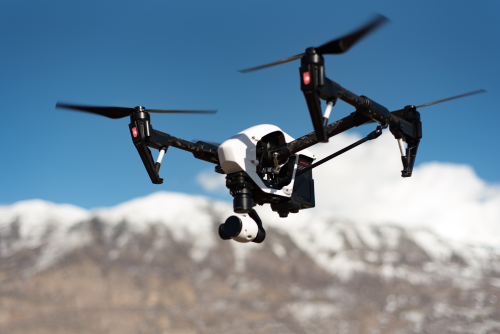
Bundling drone editing with flight services looks like an easy upsell: one vendor, one invoice, one finished result. In reality, it is one of the fastest ways to create scope creep, crush your margins, and disappoint clients if you do not price and define it properly. The biggest mistakes people make when they try to bundle editing with flight services usually come from treating post-production as a bonus instead of a separate professional service.
Quick Take
If you only remember a few things, remember these:
- Editing should never be a vague “included” extra. It needs a defined scope, timeline, and revision policy.
- Flight time is not the same as project time. The work continues long after the drone lands.
- A bundled package can sell better than separate line items, but you still need internal cost tracking for flight, editing, licensing, delivery, and risk.
- Not every client wants or needs editing. Some want raw footage only, and forcing a bundle can make you less competitive.
- Music, captions, graphics, aspect ratios, raw footage handoff, and archive storage are all separate value drivers.
- A polished edit does not solve compliance problems. You still need to verify flight permissions, location approvals, privacy expectations, insurance requirements, and commercial usage rights in the relevant market.
Why bundling feels smart, and why it often goes wrong
Clients like simplicity. They would rather hire one provider who can plan, fly, edit, and deliver finished content than coordinate a pilot, an editor, and a marketer separately. That is why bundling can absolutely work.
The problem is that flying and editing are two different businesses hiding inside one quote.
Flight work is operational. It involves planning, travel, weather, equipment, batteries, safety, airspace checks, site permissions, and on-site execution. Editing is post-production: sorting media, selecting shots, building a story, correcting color, adding music, captions, titles, exports, client changes, and delivery. If you sell both without respecting both, one side usually ends up underpriced.
A lot of operators learn this the hard way. The flying feels efficient. The editing quietly eats the week.
Common mistakes people make when they bundle editing with flight services
1. Treating editing like a free throw-in
This is the most common mistake.
A pilot wants to win the job, so they say something like, “I’ll include a quick edit,” or “I’ll throw in a social reel.” It sounds harmless. But the moment editing becomes a free add-on, the client starts valuing it like one.
That creates three problems:
- The client expects editing on future jobs at little or no added cost.
- The editor’s time becomes invisible inside the project.
- Small requests keep piling up because the scope was never treated as real work.
A better move is to sell a bundle with a clearly named edit outcome:
- One 45-second property video
- Three 15-second vertical clips
- One revision round
- Basic color correction and licensed music
You can still present it as a package. Just do not present it as “free.”
2. Pricing around flight hours instead of deliverables
Many new operators quote the job based on how long the drone will be in the air or how long they will be on site. That is only part of the cost.
A 30-minute capture session can turn into:
- Media offload and backup
- Shot review and selection
- Rough cut
- Music search and licensing
- Titles or logo placement
- Color correction
- Subtitle creation
- Exports for multiple platforms
- File transfer and archive
In many cases, the edit takes longer than the flight.
If your pricing logic starts with “one hour of flying,” you will probably undercharge for any job that requires polished outputs. Instead, build your internal quote around the actual project stages:
- Pre-production
- Flight operations
- Post-production
- Asset licensing
- Delivery and storage
- Risk buffer and profit
Even if the client sees one bundled number, you should still see the moving parts underneath it.
3. Leaving “editing” undefined
“Edited video” is not a deliverable. It is a category.
Clients and operators often use the same words but mean very different things. One person imagines a simple cut with music. The other imagines a branded campaign piece with motion graphics, subtitles, social versions, and multiple exports.
Define editing in writing. At a minimum, spell out:
- Number of final videos
- Duration of each video
- Aspect ratio or orientation
- Resolution
- Whether music is included
- Whether captions are included
- Whether titles, logo animation, or lower-thirds are included
- Whether color correction or color grading is included
- Whether still frames or thumbnails are included
- Whether raw footage is included or excluded
A 60-second landscape video is not the same job as:
- One 60-second landscape master
- One 30-second cutdown
- Three 15-second vertical versions
- Captioned exports
- Thumbnail selections
If you do not define the deliverables, the client will define them later.
4. Forgetting to control revisions
Unlimited revisions are one of the fastest ways to turn a decent project into a bad one.
Revisions sound small when you are quoting. They do not feel small when three stakeholders send separate feedback, the client changes the music direction, and the brand manager wants a different opening shot after final export.
A simple revision policy protects both sides. Good practice usually includes:
- One or two revision rounds in the base package
- A “revision round” defined as one consolidated set of feedback
- A time limit for the client to respond
- Additional revision rounds billed separately
- A clear rule that changes to the original brief are out-of-scope
This matters even more for marketing clients, tourism boards, hospitality brands, events, and agencies where more than one decision-maker may review the edit.
If you want to keep clients happy, make approval easy:
- Confirm the brief before the shoot.
- Deliver a first cut.
- Collect one consolidated feedback list.
- Deliver the revised cut.
- Finalize and export.
Do not let a project stay in “almost done” mode for weeks.
5. Assuming every client needs the same bundle
Not all drone clients want edited content.
Some clients want:
- Raw clips for their in-house editor
- Clean media handoff for an agency
- Technical imagery for inspections
- Progress documentation with minimal editing
- Social-ready marketing content
If you force editing into every quote, you can make your offer worse for the buyer. A construction firm tracking site progress may care more about consistency, labeling, and reliable delivery than about cinematic cuts. A marketing agency may already have an editor and only need aerial capture.
Bundling works best when it is optional, not automatic.
A smart service menu usually includes at least three paths:
- Capture only
- Capture plus basic edit
- Full content package
That gives the client choice while still letting you upsell properly when editing really adds value.
6. Believing editing can fix weak planning or weak footage
A lot of service providers sell the finished edit before they have designed the shoot for the edit.
That is backwards.
If the final product is a brand film, real estate reel, hotel promo, or event highlight, then pre-production matters. Pre-production is the planning before the shoot: brief, shot list, location timing, movement style, brand tone, and delivery goals.
Editing cannot create shots you never captured. It also cannot solve problems caused by:
- Poor light
- Bad weather
- Inconsistent movement
- Missing establishing shots
- Not enough close detail
- Unsafe or legally restricted flight positions
- No clear story sequence
This is where “fix it in post” becomes expensive.
A basic example:
- A property agent wants a 45-second social reel.
- You capture wide exterior passes and roof shots only.
- Later they ask for an emotional walk-up feel, lifestyle details, pool transitions, and portrait versions.
The issue is not the editor. The issue is that the shoot was not built for the finished deliverables.
Bundle editing only when you are also planning the capture around the intended output.
7. Underestimating the cost of music, graphics, captions, and versions
The edit itself is only part of post-production. The extras are often where margin disappears.
Common “small additions” include:
- Licensed music
- Voiceover
- Logo animation
- Text overlays
- Lower-thirds
- Captions or subtitles
- Translation
- Platform-specific versions
- Thumbnail exports
- Cutdowns for ads or stories
Each of these adds time, cost, or both.
Music is a classic problem. Clients often assume a song can simply be dropped into a video. In commercial work, usage rights matter. You need to make sure the music license fits the intended usage, territory, platform, and duration as applicable. If you are unsure, verify the terms before delivery.
Captions are another overlooked area. A basic auto-generated subtitle file may be quick. Clean, brand-correct, edited captions in multiple languages are not quick.
If your bundle includes these extras, say so explicitly. If not, exclude them explicitly.
8. Mishandling raw footage, storage, and delivery
Large media files are not just a technical detail. They are part of the business model.
Drone footage can require:
- Fast memory cards
- Local backup drives
- Long-term archive storage
- Cloud transfer time
- Organized folder structures
- Re-delivery later if the client loses files
If you never define how media will be handled, you end up providing indefinite storage for free or getting dragged into repeated file requests months later.
Clarify:
- Whether raw footage is included
- What format the client receives
- How long you will archive project files
- Whether long-term storage is billable
- How re-delivery requests are handled
- Whether project files are included or not
Raw footage is especially important to define. Some clients assume they own everything captured on the day. Some operators assume they are only selling the final edit. Neither assumption is safe.
State it in the agreement.
For enterprise, industrial, or confidential projects, the data issue is even bigger. Some clients may require restricted access, secure transfer methods, or deletion rules. Confirm those requirements before you promise a bundled delivery workflow.
9. Skipping legal, compliance, and insurance checks because the client “just wants a video”
This is where business enthusiasm can outrun operational reality.
A well-edited deliverable does not make an unlawful or poorly planned operation acceptable. If the job involves commercial drone flight, public spaces, crowds, venues, sensitive infrastructure, resorts, private property, or branded campaigns, you may need multiple approvals beyond the client’s simple “go ahead.”
Before you promise the bundle, verify what applies in the relevant location:
- Aviation or airspace authorization requirements
- Site or landowner permission
- Venue policies
- Restrictions around people, crowds, or events
- Local privacy expectations and filming laws
- Insurance requirements set by the client or venue
- Commercial usage rights for music, talent, or recognizable property where applicable
Rules vary a lot by country, region, city, and site type. A client may assume your company handles all permissions. You should state clearly what you will handle, what the client must obtain, and what needs to be verified before flight.
If you are traveling for a job, add another layer of caution. Local drone rules, import issues, protected areas, and permit lead times may differ from your home market. Verify before you commit to a bundled delivery deadline.
10. Refusing to standardize, outsource, or say no
Many solo operators try to do everything themselves forever:
- Fly
- edit
- color
- caption
- invoice
- deliver
- archive
- revise
- market the next job
That works for a while. Then the editing backlog starts reducing your flying capacity, and your business becomes a low-margin custom studio without systems.
Bundling only becomes scalable when you create repeatable processes.
That can mean:
- Template project structures
- Standard contract language
- Defined package tiers
- Reusable onboarding questionnaires
- Shot list templates for recurring job types
- Outsourced rough cuts or assistant editors
- Separate specialists for motion graphics or localization
Outsourcing does not mean losing control. It means protecting quality while not doing every task personally.
And sometimes the right move is not to bundle at all. If the client needs complex post-production that is outside your strength, partner with an editor instead of pretending it is easy.
A better way to bundle editing with flight services
A good bundle makes buying easier without hiding the real work. The key is to package the client-facing offer while keeping your internal costing precise.
Build the package around outcomes, not airtime
Clients buy results. Start with questions like:
- What is the content for?
- Where will it be published?
- How many outputs are needed?
- Who needs to approve it?
- Does the client need raw footage too?
- How fast do they need delivery?
Those answers matter more than how many minutes the drone will be airborne.
Keep internal line items even if the client sees one bundle
Internally, separate your costs and time by category:
- Pre-production
- Flight day
- Travel
- Editing
- Graphics
- Music or stock licensing
- Delivery and archive
- Insurance or compliance overhead
- Contingency
- Profit
This helps you see which part of the service is actually making money.
Offer tiered packages
Here is a practical way to structure it:
| Package | Best for | Typical inclusions | Watchouts |
|---|---|---|---|
| Capture only | Agencies, in-house creative teams, technical clients | Flight planning, on-site capture, basic media handoff | Define raw footage terms, transfer method, and archive duration |
| Capture + basic edit | Real estate, hospitality, local business marketing | One short edit, basic color correction, licensed music, one or two aspect ratios, one revision round | Cap duration, versions, and feedback rounds |
| Full content package | Brands, tourism, launches, premium campaigns | Briefing, shot list, flight capture, hero edit, cutdowns, captions or graphics, two revision rounds | Requires stronger planning, clearer approvals, and higher pricing discipline |
Put the scope in writing before the flight
A short written scope should cover:
- Deliverables
- Timeline
- Revision rounds
- Raw footage policy
- Music and graphics policy
- Approval process
- Payment milestones
- Archive period
- Rescheduling terms
This does not need to be overly complex. It just needs to remove ambiguity.
Tie speed to process
If the client wants fast turnaround, you need fast decision-making from them too.
For example:
- Client confirms the brief.
- You capture to the agreed shot list.
- You send the first cut by the agreed date.
- Client sends one consolidated review by the agreed date.
- You deliver final files after approved revisions and payment terms are met.
Rush edits should be priced like rush edits.
Review every project afterward
After delivery, ask:
- Did the editing take longer than expected?
- Were the deliverables defined clearly enough?
- Did the client ask for versions not included?
- Did approvals stall?
- Did the bundle improve the deal size and client experience?
Then adjust your package. Most bad bundles fail because nobody updates them after the first painful job.
Operational, legal, and compliance risks people underestimate
Because this is a flight service, commercial packaging decisions cannot be separated from risk management.
Before selling a bundled flight-and-edit project, check:
Flight permissions and local operating rules
Commercial drone rules differ globally. Verify what the relevant aviation authority, local government, park authority, land manager, or venue requires before flight. Do not assume the client has already done this.
People, crowds, and privacy
Marketing shoots often involve hotels, events, streetscapes, or visible individuals. Privacy expectations, filming permissions, and operating restrictions around people can vary by location and use case. Verify before you advertise the deliverable.
Insurance expectations
Some clients require proof of aviation liability cover or additional insured wording. Venues may also have their own conditions. Confirm what is required before you include the job in a bundle and commit to a date.
Rights for music, talent, brands, and property
Commercial video can involve more than drone rules. Depending on the project, you may need to verify music licensing, talent permission, recognizable brand use, or property/venue permissions for commercial publication.
Data handling
Industrial, infrastructure, and enterprise clients may have restrictions on storage, transfer, confidentiality, or retention. If your bundle includes delivery and archive, make sure those promises match the client’s requirements.
FAQ
Should I show editing as a separate line item if I am selling a bundle?
Yes internally, always. Externally, either approach can work. A single bundle is simpler for the client, but you should still track your internal flight, editing, licensing, and delivery costs so you know whether the job was profitable.
Is it normal to charge extra for raw footage?
Yes. Raw footage has value, transfer costs, and storage implications. If it is included, define the format, handoff method, and timing. If it is not included, say that clearly before the shoot.
How many revision rounds should a drone video package include?
For most small commercial jobs, one or two revision rounds is reasonable. More than that should usually trigger extra fees or a change order, especially if the brief itself has changed.
Do vertical social media versions count as separate deliverables?
They often should. Reframing for vertical platforms is not always a one-click export. It may require new cropping, pacing, text placement, captions, and safe-area checks. Treat platform versions as real work.
When should I outsource editing?
Outsource when editing starts delaying your flight schedule, when the creative demand exceeds your skill or time, or when standardized post-production can be done efficiently by a trusted partner. Keep final quality control on your side.
What if a client wants same-day or next-day delivery?
That is a rush service, not a standard inclusion. Price it accordingly, and make sure the client agrees to a tight approval process. Fast delivery without fast feedback usually creates chaos.
Can one contract cover both the drone flight and the edit?
Yes, but it should address both sides of the job. Include flight-related responsibilities, rescheduling, permissions, and safety limits, plus post-production scope, revisions, raw footage, delivery, rights, and payment terms.
The practical next step
If you already bundle editing with flight services, look at your last three projects and find where the time really went. Then rebuild your offer around defined deliverables, revision limits, raw footage terms, and real post-production costs. The best bundle is not the one that sounds cheapest up front; it is the one you can deliver consistently, legally, and profitably.
