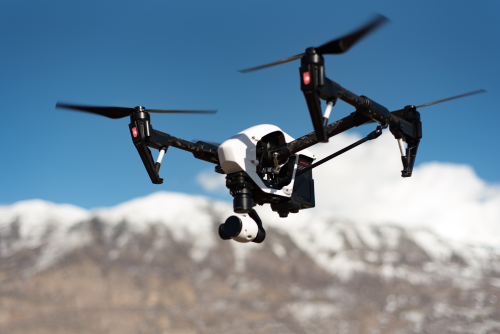
Most new drone operators think paid work goes to the best pilot. In reality, first contracts usually go to the operator who looks easiest to trust, easiest to brief, and least likely to create problems. If you’re trying to land your first commercial contract, the biggest mistakes happen long before takeoff: in positioning, scoping, pricing, compliance, and client communication.
Quick Take
Here’s the short answer: people usually lose their first commercial drone contract because they act like pilots first and service businesses second.
The most costly mistakes are:
- Trying to sell “drone services” instead of solving a specific client problem
- Targeting everyone instead of one buyer type
- Showing a portfolio that looks cinematic but not commercially useful
- Pricing before they understand the job scope
- Charging too little and trapping themselves in low-margin work
- Ignoring compliance, insurance, permissions, and site risk
- Promising shots, timelines, or edits they can’t reliably deliver
- Sending weak outreach and vague proposals
- Skipping clear terms on usage, revisions, and payment
- Treating the first contract like a one-time gig instead of the start of repeat business
If you fix those, your odds improve fast even if your gear is modest and your portfolio is still small.
Why first commercial contracts are won or lost before the flight
A client hiring a drone operator is not just buying a flying camera.
They are buying confidence that:
- the job will be legal where they need it done
- the operator will show up prepared
- the footage or data will match the brief
- the deliverables will arrive on time
- the project will not create safety, privacy, or insurance headaches
That matters in every market. A hotel, property agent, tourism brand, construction team, and marketing agency may all want aerial work, but none of them want to educate a beginner at their own expense.
That’s why the first commercial contract is rarely about fancy maneuvers or the newest aircraft. It’s about reducing buyer risk.
The biggest mistakes people make when they try to land their first commercial contract
1. Trying to sell to everyone
This is one of the most common beginner mistakes.
A new operator sets up a page or social profile and says they do:
- real estate
- weddings
- events
- hotels
- construction
- inspections
- tourism
- social media content
- mapping
To the operator, that sounds flexible. To a buyer, it often sounds unfocused.
Your first contract gets easier when your offer is narrow enough to understand quickly. “Aerial photo and short-form video packages for boutique hotels” is clearer than “professional drone services.” So is “monthly roof overview imagery for contractors” or “construction progress updates for project teams.”
Specificity helps in three ways:
- It makes your outreach more relevant.
- It makes your portfolio easier to match to the client.
- It makes you look more experienced than a generalist beginner.
You do not need to choose a niche forever. You just need a clear starting lane.
2. Selling drone footage instead of a business result
Clients do not usually wake up wanting “drone footage.” They want a result.
Examples:
- A real estate marketer wants listing assets that help a property stand out.
- A resort wants short promotional clips that fit its booking campaign.
- A contractor wants regular progress visuals stakeholders can review.
- A venue wants a polished overview for its sales team and social channels.
When beginners pitch only the tool, they sound interchangeable. “I shoot 4K cinematic aerial video” is not a business case. It says what you use, not why the client should care.
A stronger pitch sounds like this:
- what you deliver
- who it is for
- how fast you deliver it
- what business use it supports
For example: “I create next-day aerial photo and video packages for property listings and hospitality marketing teams.”
That is much easier to buy.
3. Using a portfolio that impresses pilots, not buyers
A lot of beginner reels are built to impress other drone enthusiasts.
They include:
- sunsets
- mountain flyovers
- dramatic reveal shots
- fast or aggressive movement
- random clips from different locations with no commercial context
Those clips may be beautiful, but they do not answer the buyer’s real question: “Can you produce the kind of footage my business actually needs?”
A commercial portfolio should show relevance and control, not just style.
If you want real estate work, show clean property coverage, stable moves, and edit pacing that helps the viewer understand the space. If you want hotel or tourism work, show framing that sells the setting and guest experience. If you want construction progress work, show consistent angles and organized outputs.
Even with a small portfolio, you can improve trust by presenting samples by use case. A short page or PDF with three relevant examples often works better than one generic showreel.
Just do not misrepresent personal practice footage as paid client work. If it was self-initiated, label it honestly.
4. Quoting before discovering the real scope
Many new operators are so eager to win the job that they send a price too early.
That is risky.
Without a proper discovery conversation, you may not know:
- the exact location
- airspace or site restrictions
- whether indoor or outdoor flying is involved
- how many deliverables are needed
- whether editing is included
- how fast the turnaround must be
- whether the client expects stills, video, raw files, or all three
- whether you need multiple visits
- how much coordination is required with the site team
If you price too fast, one of two things usually happens:
- You undercharge and regret the project.
- You overprice a simple job and lose the lead.
A better first response is not a number. It is a few focused questions.
Ask about the objective first. Then ask what success looks like, who will use the content, when they need it, and whether there are site or access constraints. Price after that.
5. Competing only on low price
Beginners often assume their lack of track record means they have to be the cheapest.
That feels logical. It is often a mistake.
Low pricing creates three problems:
- It tells the client you may not understand the work.
- It leaves no margin for planning, editing, travel, weather delays, or revisions.
- It trains you to build a weak business around stress and volume.
Drone work includes more than flight time. You are also pricing:
- pre-production and planning
- travel and setup
- risk assessment
- batteries and wear
- editing and file management
- delivery and revisions
- rescheduling risk
- admin and communication
If you are still building confidence, reduce scope before you slash price. Offer a smaller package, fewer deliverables, or a clearly defined starter project.
That protects both you and the client better than a desperate discount.
6. Ignoring compliance, insurance, permissions, and site risk
This is where beginner enthusiasm can become expensive.
Commercial drone work often comes with extra scrutiny, and the rules vary widely by country. In some places, the distinction is recreational versus commercial. In others, requirements depend more on aircraft weight, operating category, proximity to people, or the nature of the flight.
Do not assume you are ready for paid work just because you can fly confidently.
Before accepting a job, verify:
- whether commercial operations require registration, pilot credentials, or operating authorization in your location
- whether the site has local restrictions or separate permissions
- whether the client actually has authority over the launch site
- whether nearby airspace, events, crowds, roads, utilities, or critical infrastructure change the risk profile
- whether your insurance, if you carry it, matches the type of work being requested
Also remember that a client’s approval is not the same as aviation approval. A property owner may want the footage and still not be able to authorize the flight conditions you would need.
If you are unsure, say you need to review the site and applicable rules before confirming the operation. That answer builds trust. Guessing does not.
7. Overpromising on weather, timeline, or shot list
New operators often say yes too quickly.
They promise:
- exact sunrise or sunset shots
- next-morning delivery
- unlimited edits
- one-day turnaround on a complicated project
- shots that may not be safe or realistic on the site
The problem is that commercial work is full of variables. Wind, rain, haze, site traffic, people on location, radio interference, changing light, and access delays all affect what you can do.
A safer promise is process-based, not fantasy-based.
Instead of saying, “I’ll definitely get all of these angles tomorrow,” say something like:
- “I’ll confirm the achievable shot list after site and airspace review.”
- “Delivery is within 48 hours of the successful flight window.”
- “The quote includes one edit round.”
- “If weather or site activity prevents safe capture, we’ll move to the backup window.”
Clients appreciate realism more than false certainty.
8. Sending generic outreach and forgettable proposals
A message that says, “Hi, I offer drone videography services in your area,” usually gets ignored.
Not because drone work has no value, but because the message creates work for the buyer. They have to figure out whether you are relevant, professional, legal, affordable, and capable.
Your outreach should do that thinking for them.
A good first message usually includes:
- one sentence proving you understand their business
- one specific use case you can help with
- one short proof point or relevant sample
- one clear next step
For example, a better approach to a hotel might focus on seasonal promotional assets, pool and grounds coverage, or short-form social clips. A better approach to a contractor might focus on recurring progress updates and stakeholder visuals.
Your proposal should also be tighter than most beginners think. It does not need to be long. It does need to be clear.
A solid proposal usually covers:
- project objective
- deliverables
- timeline
- assumptions and exclusions
- price
- revision limit
- usage or ownership terms
- payment terms
Short and clear beats long and vague.
9. Leaving the business terms fuzzy
Many first-time operators finally get a “yes” and then become afraid to look too formal.
That is a mistake.
If you do not clarify the terms, small projects can become chaotic very quickly. The client may assume they are getting more deliverables, more revisions, faster delivery, raw footage, perpetual usage, or free re-edits later.
At minimum, define:
- what is included
- what is not included
- how many edited photos or videos the client receives
- whether raw footage is included
- how many revision rounds are allowed
- when delivery happens
- how payment works
- how weather rescheduling works
- what happens if the client cancels
- what usage rights or ownership the client receives
None of this needs to sound aggressive. It needs to sound professional.
Clear terms do not scare good clients away. They protect the relationship.
10. Treating the first contract like a one-time payday
The first job matters, but not only because of the money.
It matters because it can become:
- a testimonial
- a repeat booking
- a referral source
- a case study
- a template for a scalable offer
Beginners often focus only on winning the project. Smarter operators think one step later.
After delivery, ask:
- Which assets did the client actually use?
- What result were they happiest with?
- Do they need updated visuals monthly, quarterly, or seasonally?
- Can the same offer fit another property, site, venue, or branch?
- Can you package this into a repeat service?
A single low-ticket first job can turn into much stronger revenue if you make the client’s next decision easy.
The real goal is not “get paid once.” It is “become the obvious person they call next time.”
Compliance and operational risks you cannot wing
If your commercial contract involves actual flight operations, there are a few non-negotiables.
Verify the legal side before you commit
Commercial drone rules differ by jurisdiction and can change. Verify with the relevant aviation authority before accepting paid work, especially if the job involves:
- built-up areas
- people nearby
- critical infrastructure
- parks, beaches, heritage sites, or protected land
- industrial facilities
- night work
- cross-border travel with equipment
If you are traveling for a project, also verify local import, battery, and customs requirements where relevant.
Confirm site and stakeholder permissions
Aviation permission and property permission are not the same thing.
You may need to confirm approval or coordination with:
- landowners
- site managers
- event organizers
- security teams
- facilities managers
- local authorities in sensitive locations
Think like a risk manager, not just a pilot
Before flight, assess:
- takeoff and landing space
- bystanders and vehicle traffic
- overhead hazards
- wind and weather windows
- magnetic or radio interference
- privacy concerns
- emergency procedures
- battery safety and transport
If the job pushes beyond your current experience level, that is not the moment to improvise. It may be better to decline, subcontract, or partner with a more experienced operator.
A better playbook for winning your first contract
If you want a practical path, use this sequence.
1. Pick one market and one core offer
Do not start by trying to serve everyone.
Choose one buyer type, such as:
- real estate marketers
- hotels and resorts
- venues
- builders and contractors
- tourism operators
- local agencies
Then define one clear offer around their needs.
2. Build a small but relevant proof set
You do not need a huge portfolio.
You do need:
- 3 to 5 examples that match the buyer
- a short reel or sample deck
- a clean explanation of what you deliver
Relevance beats volume.
3. Set a price floor and a scope template
Know your minimum acceptable price before you start negotiating.
Also prepare a simple template for:
- deliverables
- turnaround
- revision count
- travel assumptions
- rescheduling
- optional add-ons
That prevents panic pricing.
4. Prepare a trust pack
Even for small jobs, be ready to show that you take the work seriously.
Your trust pack may include:
- your relevant registration or operator details where applicable
- proof of insurance if you carry it
- sample deliverables
- your basic terms
- your process from inquiry to delivery
Professional preparation often wins over flashy marketing.
5. Run a short discovery process
Before quoting, ask a handful of questions:
- What is the business goal?
- Who will use the content or output?
- What deliverables are required?
- Where is the site, and are there access constraints?
- What is the deadline?
- Are there brand, privacy, or safety considerations?
- What would make this project successful in the client’s eyes?
That one conversation will improve your pricing, your proposal, and your odds of delivering well.
6. Follow up like a business owner
Many first contracts are lost simply because the operator never follows up.
A good rhythm is simple:
- send proposal promptly
- check in politely after a reasonable interval
- answer objections clearly
- make next steps easy
Professional persistence matters. Silence does not close deals.
FAQ
Do I need a license or certification to get paid for drone work?
Maybe. It depends on the country, the type of operation, the aircraft, and where you fly. Some places treat commercial work differently from hobby flying, while others focus more on operational risk. Always verify with the relevant aviation authority before accepting paid work.
How much should I charge for my first commercial drone contract?
There is no universal number. Price should reflect scope, planning time, travel, editing, risk, turnaround, and business overhead, not just flight time. If you are unsure, define a smaller package rather than guessing low.
Is it smart to do the first job for free?
Usually only if it is strategic, tightly scoped, and clearly treated as a portfolio-building or relationship-building project. Free work without boundaries can attract the wrong clients and make future pricing harder. If you discount, explain the limits clearly.
What should be included in my first drone proposal?
Keep it simple and specific. Include the objective, deliverables, timeline, assumptions, exclusions, revision limit, payment terms, and usage or ownership terms. The client should know exactly what they are buying.
Can I use personal practice footage in a commercial portfolio?
Yes, if you use it honestly. Do not present it as paid client work if it was self-initiated. It is fine to say it is a sample shoot or personal project that demonstrates your style and control.
What if a client asks for a shot that seems unsafe or probably not permitted?
Do not promise it. Tell them you need to review site conditions and applicable rules first. If the shot is unsafe or non-compliant, offer a safer alternative rather than forcing the risk.
How do I turn one small project into repeat business?
Deliver on time, organize the files well, make the assets easy to use, and follow up after the client has used them. Ask what performed best and where else updated aerial content could help. Repeat work usually comes from solving the next problem, not from waiting to be asked.
The next move that actually matters
If you want your first commercial drone contract, stop trying to look like the most exciting pilot in the room. Focus on becoming the easiest operator to hire: clear offer, relevant proof, realistic pricing, solid terms, and zero compliance surprises. Pick one buyer, tighten one offer, and make one professional proposal template this week.
