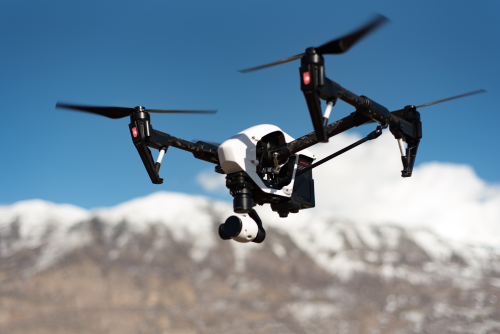
The biggest mistakes people make when they try to manage fleet maintenance usually look minor at first: a missed log entry, an untracked battery, a propeller swap nobody recorded. In drone operations, those small gaps turn into grounded aircraft, delayed client work, preventable safety risk, and thinner margins. Good fleet maintenance is not just about fixing broken drones. It is about keeping aircraft safe, available, and predictable.
Quick Take
- The most common maintenance mistake is being reactive instead of systematic.
- If records live in memory, chat threads, or scattered spreadsheets, you do not really have a maintenance program.
- Batteries need individual tracking, not just a pile of packs on a shelf.
- Standardization usually beats variety for commercial fleets.
- Preflight and postflight checks catch more problems than most repair benches do.
- Mission type matters. A drone flown over salt spray, dust, heat, or heavy work cycles wears differently than one flown lightly in clean conditions.
- Clear grounding and return-to-service rules prevent risky judgment calls.
- Maintenance should show up in pricing, staffing, spare parts planning, and replacement budgets.
Why fleet maintenance breaks down so easily
Fleet maintenance feels simple when you have one aircraft and one pilot. You can remember what happened, spot wear quickly, and improvise around small issues.
That stops working fast.
As soon as you add more pilots, more batteries, more job types, and more aircraft, maintenance becomes an operations problem, not a repair problem. The real challenge is coordination:
- Who flew which aircraft
- What happened on the last mission
- Which parts were changed
- Which battery is becoming unreliable
- Which drone is safe to fly today
- Which one should be retired soon
Teams that miss this shift often think they have a “maintenance issue,” when what they really have is a process issue.
The biggest mistakes people make when they try to manage fleet maintenance
1. Treating maintenance as a repair task instead of an availability system
Many operators only act when something breaks.
That sounds efficient, but it is expensive. Reactive maintenance creates surprise downtime, rush repairs, missed bookings, and pressure to keep flying “just one more job” with an aircraft that should be grounded.
A better way to think about maintenance is fleet availability: the percentage of your aircraft and batteries that are actually ready for safe use when the work arrives.
That shift changes the questions you ask:
- What failures are predictable?
- What wear signs should trigger inspection?
- What tasks should happen before failure?
- What spare parts do we need on hand?
- How much backup capacity do we need to protect revenue?
If you only repair after failure, you are managing breakdowns. If you schedule inspections, track wear, and retire problem components early, you are managing uptime.
2. Keeping records in memory, messages, and scattered files
This is one of the most common fleet maintenance mistakes, especially in small teams that grew quickly.
One pilot remembers a hard landing. Another notices a motor sound. Someone changes props. A battery gets marked “bad” with tape. Two weeks later, nobody is sure what actually happened.
At minimum, every fleet needs one source of truth for each asset. That can be a disciplined spreadsheet for a small team or dedicated maintenance software for a larger one. The important part is consistency.
Your minimum records should include:
- Aircraft ID and serial number
- Battery ID and serial number
- Flight date and pilot
- Flight hours or mission count
- Hard landings, crashes, water exposure, or abnormal events
- Preflight and postflight findings
- Parts replaced
- Firmware and app version used, where relevant
- Grounded status and reason
- Return-to-service date and approval
If multiple people touch the fleet, undocumented maintenance is nearly the same as no maintenance.
3. Running a mixed fleet with no standardization plan
A mixed fleet is not automatically bad. Some teams genuinely need different platforms for mapping, cinema, thermal, indoor work, or long-range inspection.
The mistake is adding aircraft for convenience, discounts, or one-off jobs without thinking through maintenance complexity.
Every extra platform may introduce:
- Different batteries
- Different chargers
- Different props
- Different firmware behavior
- Different maintenance intervals
- Different training needs
- Different spare parts
- Different repair channels
That complexity increases the chance of wrong-part usage, missed checks, and slower troubleshooting.
For most commercial operators, standardization is a force multiplier. If two aircraft families can cover 90 percent of your work, that is usually better than owning five systems that all require different habits.
A simple rule helps: diversify only when the mission value clearly outweighs the maintenance burden.
4. Treating batteries like interchangeable accessories
For many fleets, batteries create more availability problems than airframes do.
People often track aircraft carefully but handle batteries casually. Packs get mixed, stored inconsistently, charged aggressively, exposed to heat, or returned to service after hard impacts without enough inspection.
That is risky operationally and commercially.
A weak battery can reduce flight time, trigger unstable performance, force a mission abort, or create a safety hazard. It can also distort scheduling. A fleet may look ready on paper while half the battery pool is not trustworthy.
Good battery management means each pack has its own identity and history. Track:
- Charge cycles, if the platform provides them
- Swelling or physical damage
- Voltage imbalance or unusual behavior
- Overheating
- Crash or drop exposure
- Storage status
- Date placed into service
- Retirement date and reason
Also separate healthy, suspect, and retired packs physically. Do not rely on memory or sticky notes.
5. Skipping disciplined preflight and postflight checks
Some teams act as if preflight and postflight checks are only for beginners. In reality, these are where most small defects are caught before they become expensive.
A fast, repeatable preflight should check things like:
- Propeller condition and secure attachment
- Arm, frame, and landing gear integrity
- Motor smoothness and unusual noise
- Sensor and camera cleanliness
- Battery fit, health, and charge state
- Controller, app, and aircraft status alerts
A postflight routine should check:
- New cracks, scuffs, or heat damage
- Dust, moisture, salt, or debris contamination
- Propeller strikes
- Battery temperature and abnormal depletion
- Gimbal and camera damage
- Any pilot-reported handling changes
Postflight is especially important because details are fresh. If something felt wrong in flight, document it immediately. By the next job, that memory will be softer and more debatable.
6. Using the same maintenance schedule for every mission
Not all flight time is equal.
A drone flown occasionally in clean, mild conditions is not wearing the same way as a drone flying daily near dust, salt water, wind, heat, cold, heavy payloads, or repetitive takeoff and landing cycles.
This is where many fleets get maintenance wrong. They use a flat calendar schedule and assume it covers everything.
It usually does not.
A better system blends three triggers:
- Calendar-based checks
- Usage-based checks, such as flight hours, cycles, or mission count
- Condition-based checks, triggered by environment, impact, or wear signs
For example, aircraft used in marine, industrial, agricultural, or dusty environments may need more frequent cleaning, closer inspection, and earlier parts replacement than lightly used media aircraft.
The point is not to make the system complicated. It is to make it realistic.
7. Waiting too long to buy spares or define repair routes
Many teams plan maintenance but forget recovery.
When a propeller hub, motor, landing gear component, charger, or cable fails, they discover they have no spare, no approved supplier, and no repair workflow. Then every problem becomes urgent.
That creates three bad outcomes:
- Jobs get delayed
- Staff make risky workarounds
- Costs spike because you are solving under pressure
You do not need a warehouse full of parts. But you do need a list of critical spares and a plan for where repairs go.
For most fleets, that means deciding:
- Which consumables must always be stocked
- Which high-failure items deserve backup inventory
- Which repairs can be handled internally
- Which issues must go to the manufacturer or an authorized service provider
- What turnaround times are acceptable for your business
Also be cautious with unknown third-party parts. Cheap replacements can become expensive if fit, balance, durability, or compatibility are poor.
8. Updating firmware, apps, and accessories with no change control
Software is part of maintenance now.
One common mistake is never updating anything. Another is updating everything the night before a paid job.
Both are bad habits.
Updates can improve stability, safety behavior, battery management, or compatibility. But they can also change settings, workflows, or accessory behavior. If you run a fleet, you need a simple change-control process.
That usually means:
- Schedule update windows away from critical work.
- Test updates on a non-critical aircraft first, if possible.
- Confirm compatibility across aircraft, controller, app, payload, and batteries.
- Record version changes.
- Fly a controlled test before client operations.
In some regions or work types, software status may also intersect with compliance features or operational limitations. Do not assume that “latest” always means “ready for tomorrow’s mission.”
9. Flying without clear grounding and return-to-service rules
This is where maintenance discipline often collapses.
If there is no written rule for when an aircraft or battery must be grounded, decisions become subjective. One pilot says it is fine. Another says it feels off. A supervisor wants the mission completed. Nobody wants to lose the booking.
That is how small problems become serious ones.
Every fleet needs clear no-fly triggers. Examples may include:
- Cracked or chipped propellers
- Swollen or physically damaged batteries
- Unexplained flight behavior
- Hard landing or crash without inspection
- Damaged airframe or landing gear
- Motor noise, roughness, or overheating
- Sensor or positioning errors that affect safe operation
- Water, salt, or heavy contamination exposure
Just as important, define who can approve return to service and what evidence is required. That might be a documented inspection, a parts replacement, a test flight, or manufacturer evaluation depending on the issue.
10. Forgetting that maintenance is a business input, not just overhead
This is the mistake that hurts margins.
Plenty of operators quote jobs based on pilot time and deliverables while treating maintenance as a background cost. Then they wonder why the fleet feels expensive and unreliable.
Maintenance affects:
- Job scheduling
- Backup aircraft needs
- Spare battery pool size
- Downtime exposure
- Parts inventory
- Warranty and repair handling
- Replacement timing
- Client confidence
If you bid work assuming every aircraft is always available, your quote is too optimistic. If you do not budget for battery retirement, propeller replacement, periodic repairs, and planned downtime, your margins are softer than they look.
Maintenance also needs ownership. If it belongs to “everyone,” it usually belongs to no one. One person should be accountable for the process, even if several people perform the tasks.
What good fleet maintenance looks like in practice
You do not need a giant enterprise system to run maintenance well. You need a process that matches your fleet size and operational risk.
Here is a practical setup that works for many drone teams.
1. Build a clean asset register
Assign a unique ID to every aircraft, battery, charger, payload, and critical accessory.
Make naming obvious and consistent. If your team cannot instantly tell which battery belongs to which record, the system is too loose.
2. Separate your checks into layers
Do not cram everything into one checklist.
Use at least three layers:
- Preflight checks
- Postflight checks
- Scheduled inspections or service events
This keeps daily routines fast while preserving deeper maintenance discipline.
3. Track batteries as their own fleet
Treat batteries as managed assets, not support gear.
Record performance issues, storage status, service entry date, and retirement decisions. Keep suspect batteries out of circulation until they are assessed.
4. Write grounding rules before you need them
Decide now what automatically grounds an aircraft or pack. Also decide who can clear it again.
This removes emotion from time-sensitive decisions.
5. Standardize where you can
Reduce unnecessary variety in aircraft types, props, chargers, batteries, labels, storage methods, and software versions.
Standardization lowers training time and mistake rate.
6. Keep critical spares and approved repair paths ready
Make a short list of components that can stop work quickly, then keep sensible stock.
Know in advance where major repairs go and how long you can wait.
7. Review the data monthly
A monthly maintenance review often reveals patterns that day-to-day operations hide.
Look for:
- Repeat defects on a specific aircraft
- Pilots associated with repeated hard landings
- Battery packs that are declining early
- Downtime trends
- Parts consumption that is rising
- Aircraft that are becoming uneconomic to keep
That is where maintenance turns from recordkeeping into management.
Safety, legal, and operational risks to verify
Drone fleet maintenance is not only a technical matter. It can affect safety, insurance, compliance, and client contracts.
Verify these points for your operation:
- Follow the manufacturer’s maintenance instructions, limitations, and approved service pathways where applicable.
- Check whether your aviation authority or operating category expects specific maintenance records or inspection practices.
- Confirm what your insurer requires after incidents, repairs, or component replacement.
- Be careful with modified aircraft, non-approved parts, or undocumented repairs if they could affect safe operation or policy coverage.
- After crashes, hard landings, water exposure, or severe contamination, do not assume a quick visual check is enough.
- Battery storage, charging, disposal, and transport may be subject to safety rules, workplace rules, or carrier restrictions depending on where you operate.
If you are unsure, verify with the relevant aviation authority, manufacturer guidance, insurer, and any client-specific operating requirement before returning the aircraft to work.
FAQ
How do I know if a spreadsheet is no longer enough?
A spreadsheet usually stops being enough when multiple people are updating records, assets move across teams, or maintenance events are being missed. If you struggle to see asset history, battery status, or grounded aircraft at a glance, you likely need a more structured system.
What is the single most overlooked part of drone fleet maintenance?
Battery management. Many operators log airframes well but fail to track individual battery health, incidents, and retirement decisions with the same discipline.
How often should a drone fleet be inspected?
Preflight and postflight checks should happen every mission. Deeper inspections should follow manufacturer guidance, operating conditions, usage levels, and any abnormal events such as crashes, dust exposure, or water contact.
Should pilots perform maintenance themselves?
Basic checks and approved routine tasks are often handled by pilots, but deeper maintenance depends on the aircraft, the manufacturer’s guidance, local rules, and the operator’s internal process. If a repair affects structural integrity, propulsion, control, or safety-critical behavior, verify who is qualified to perform and sign it off.
What records matter most after a hard landing or crash?
Record the date, pilot, aircraft and battery ID, what happened, visible damage, any abnormal flight behavior, inspection findings, parts replaced, test results, and the decision on return to service. If there is doubt, ground the aircraft until properly assessed.
Is a mixed fleet always a bad idea?
No. A mixed fleet can be the right choice when different missions truly require different platforms. It becomes a mistake when overlap is high and the extra complexity does not produce enough business value.
What maintenance KPI should small teams watch first?
Start with aircraft availability: how many aircraft are genuinely ready to fly when needed. Then watch repeat defects, battery retirement rates, and downtime days per month.
When should a battery be retired?
Retirement should follow manufacturer guidance, visible condition, performance changes, impact history, and reliability trends. Swelling, damage, abnormal heat, instability, or recurring poor performance are strong reasons to remove a pack from service and assess it before further use.
The decision that matters most
If you want to avoid the biggest mistakes people make when they try to manage fleet maintenance, stop thinking of maintenance as a side task and start treating it like a core operating system. Build one record source, track batteries properly, standardize what you can, define grounding rules, and review the data before failures force the issue. The teams that do this do not just fly safer. They protect uptime, client trust, and profit.
