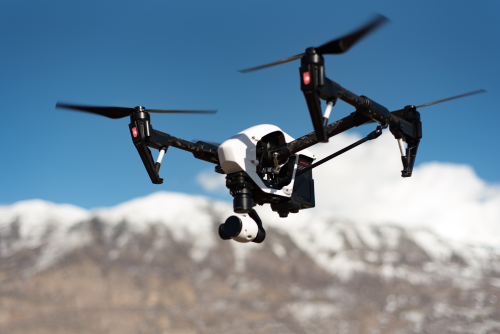
Opening a drone rental company sounds simple until you realize you are not just renting gadgets. You are managing aircraft, batteries, software, customer skill levels, liability, and time-sensitive bookings all at once. The biggest mistakes people make when they try to open a drone rental business usually happen before the first paid booking: they buy too much gear, target the wrong customer, price too low, and treat compliance like an afterthought.
Quick Take
If you are considering a drone rental business, focus on these realities first:
- The hardest part is usually not getting drones. It is controlling risk, downtime, and support.
- Equipment-only rental is very different from a pilot-included drone service.
- A small, standardized fleet usually beats a large mixed fleet.
- Your real costs include battery wear, testing, maintenance, customer support, shipping, insurance, and replacements.
- Unqualified renters create expensive damage, legal exposure, and bad reviews.
- Local aviation rules, park rules, privacy laws, and battery shipping rules vary widely. Verify them before launch in every market you serve.
The first thing people get wrong: “drone rental” can mean three different businesses
Many founders say they want to open a drone rental business when they actually mean one of three models. Choosing the wrong one is the source of many later mistakes.
| Model | What it is | Best fit | Main risk |
|---|---|---|---|
| Equipment-only rental | Customer rents the drone and flies it themselves | Experienced pilots, trained teams, local creators who already know the platform | Highest misuse, damage, support, and compliance risk |
| Pilot-included package | You provide the drone with a pilot or crew member | Events, marketing shoots, real estate, production teams, tourism content | More labor-heavy, but easier to control safety and output |
| Managed fleet or lease | Business clients use drones on longer terms with support, maintenance, and training | Survey, inspection, internal media teams, enterprise departments | Longer sales cycle, more documentation, higher service expectations |
If you are new to the market, equipment-only rental often looks easiest but is usually the hardest to run well. It attracts the widest mix of skill levels, generates the most support tickets, and exposes you to the most preventable incidents.
The biggest mistakes people make when they try to open a drone rental business
1. Starting with inventory instead of a business model
A lot of people begin by shopping for drones. That is backwards.
You should first answer:
- Who is renting from you?
- Are they flying themselves, or do you provide the pilot?
- What jobs are they trying to complete?
- What risks are you willing to carry?
- How local or how broad is your service area?
If you cannot answer those questions clearly, every later decision gets messy. You will buy the wrong drones, stock the wrong accessories, write weak policies, and attract customers who are expensive to serve.
A better approach is to design the business around one clear use case. For example:
- Local content creators who need a standard camera drone for short shoots
- Production companies that want a pilot-included package
- Inspection teams that need a managed fleet with maintenance support
A drone rental business is not really a “gear business.” It is an operations business with gear attached to it.
2. Trying to serve everyone
Beginners, hobbyists, travelers, filmmakers, mappers, surveyors, inspectors, FPV pilots, and enterprise teams all need very different things.
That matters because each segment changes:
- the type of drone you need
- the training level required
- the support burden
- the accessories included
- the insurance conversation
- the damage rate
- the booking length
- the profit margin
The easiest trap is assuming tourist or casual creator demand will carry the business. In many places, that demand is seasonal, regulation-sensitive, and high-maintenance. It also tends to involve more first-time flyers, which increases incident risk.
Repeatable business usually comes from narrower and more predictable customer groups, such as:
- local production teams
- agencies
- real estate media companies
- education and training providers
- enterprise departments testing internal workflows
Specialization makes marketing easier, fleet planning cleaner, and support faster.
3. Buying too much fleet too early
Nothing burns cash faster than a shelf full of underused drones.
A lot of founders assume more units means more revenue. In practice, unused fleet creates:
- depreciation
- battery aging even when not heavily used
- firmware management headaches
- more insurance exposure
- more maintenance work
- more capital tied up in slow-moving gear
The key metric is utilization, meaning how often each rentable unit is actually earning revenue compared with how often it is available.
If a drone is rentable 20 days in a month but only books 3 or 4 days, the model may be weak unless your margins are exceptional. That gets worse if you also bought extra batteries, cases, chargers, filters, spare props, and tablets for each unit.
A stronger launch plan is:
- Start with one or two standard platforms.
- Test demand in one local market.
- Track booking patterns by customer type and use case.
- Expand only after you know which package rents reliably.
In rental, standardization is usually more profitable than variety.
4. Pricing like camera gear instead of risk-managed aviation equipment
A common mistake is copying the pricing logic of lenses, tripods, or action cameras. Drones are different.
Your rate has to cover much more than the aircraft itself. Real costs include:
- battery wear and eventual replacement
- charger and cable failures
- pre-rental testing
- cleaning and inspection
- software setup
- customer support time
- downtime after incidents
- packaging and shipping
- insurance and claims administration
- replacement reserve for losses and major damage
A replacement reserve is money you set aside from each booking so one crash or theft does not wipe out a month of profit.
Underpricing often comes from ignoring “hidden labor.” Even a smooth booking may involve identity checks, setup confirmation, battery prep, condition photos, return inspection, and troubleshooting.
If your rate only works when nothing goes wrong, it is too low.
5. Treating regulation, insurance, and liability as paperwork
This is one of the most dangerous errors in the business.
Drones sit at the intersection of aviation rules, local site restrictions, privacy concerns, and commercial liability. Those responsibilities can shift depending on country, business model, and who is operating the drone.
Before launch, you need clarity on questions like:
- Who is the legal operator during a rental: your company, the customer, or both?
- Does the customer need registration, certification, training, or authorization in your market?
- Are there additional restrictions for commercial activity, filming, tourism zones, or protected areas?
- Does your insurance cover rental use, third-party injury or property damage, and loss of equipment?
- Are there exclusions for water, crowded areas, training flights, or unlawful operations?
A signed waiver is not a substitute for proper legal structure or insurance. Contracts can help allocate responsibility, but they do not override aviation law or insurer terms.
If you offer cross-border delivery or serve travelers, add customs, import, and lithium battery transport questions to the list. Do not assume rules that apply in one country apply in the next.
6. Letting customers self-certify their skill
Many people say they know how to fly. Far fewer can fly safely under pressure, manage return-to-home settings correctly, read local restrictions, or avoid basic battery mistakes.
This is especially important if you rent higher-end camera platforms, FPV equipment, thermal systems, or anything that requires more setup knowledge than a casual buyer has.
A strong customer qualification process might include:
- identity verification
- proof of required licensing or training where applicable
- flight experience questionnaire
- intended use and location check
- acknowledgement of no-fly and restricted areas
- platform-specific onboarding
- skill-based fleet access
For example, a first-time renter should not be handed a complex or fragile platform just because they paid the deposit.
If you want to serve beginners, do it on purpose. That may mean mandatory training, supervised checkout, simpler aircraft, smaller service areas, or pilot-included packages instead of equipment-only rental.
7. Underestimating batteries, charging, and transport
Many drone rental businesses are really battery businesses with aircraft attached.
Batteries affect:
- how many useful flight minutes a customer gets
- how many bookings you can turn in a day
- whether same-day turnaround is possible
- whether shipping is practical
- whether the kit is safe to store and transport
Lithium batteries are not just accessories. They are regulated transport items in many jurisdictions, and courier acceptance rules can vary. International shipping adds even more friction. You need to verify packaging, labeling, state-of-charge expectations, and carrier restrictions before building a shipping-based model.
Operationally, you also need a battery health system:
- cycle count tracking
- storage charge management
- retirement rules
- pairing rules for matched sets
- inspection after hard landings or swelling
- safe charging and storage procedures
If you ignore battery discipline, your rental quality drops fast and your safety risk rises with it.
8. Running without maintenance logs, firmware control, and device standards
A drone that “worked last time” is not a maintenance system.
You need clear procedures for:
- pre-rental inspection
- post-rental inspection
- propeller checks
- motor and gimbal checks
- firmware status
- controller pairing
- app version control
- calibration records
- repair history
- test flight after repair or update
One of the easiest ways to create avoidable support problems is to let firmware drift across the fleet. Random updates can break a stable workflow, change menu layouts, affect geofencing behavior, or create app compatibility issues.
The safest approach is controlled change. Update on your schedule, test before release, and keep identical kits as identical as possible.
If the rental depends on a mobile device or tablet, standardize that too. “Bring your own phone” sounds convenient until app compatibility becomes a support nightmare.
9. Stocking too many drone types and niche accessories
Variety feels professional. Complexity kills margins.
A mixed fleet can quickly become difficult to manage if it includes:
- beginner drones
- travel drones
- heavy camera platforms
- FPV systems
- thermal drones
- mapping payloads
- multiple battery families
- different controller systems
- different charging standards
- different apps and firmware schedules
Every added platform creates extra training, extra spares, extra troubleshooting, and more chances for packing mistakes.
Most early-stage rental businesses do better with:
- one core camera platform
- one backup or alternate tier
- a tightly controlled accessory list
- standardized cases, labels, and batteries
If you want to add specialized categories like FPV or thermal later, do it when you already have strong processes. Those segments can be valuable, but they punish sloppy operations.
10. Treating booking, deposits, and returns like admin work
In a rental business, the handoff process is part of the product.
Weak booking and return procedures lead to disputes, losses, fraud, delayed re-rentals, and unhappy customers. You need a system, not improvisation.
At minimum, every booking should have:
- confirmed customer identity
- serial number tracking
- condition photos before handoff
- inventory checklist
- clear due time
- late-return rules
- damage and loss terms
- return inspection process
- incident reporting instructions
Deposits matter, but they are not enough on their own. A deposit does not solve legal liability, lost-aircraft scenarios, cross-border issues, or third-party damage.
The better your documentation, the fewer arguments you will have later. This is particularly important for accessories, because missing props, chargers, battery clips, SD cards, and cables quietly eat margin.
11. Having no plan for crashes, flyaways, theft, or support calls
A drone rental business without a failure plan is not ready to launch.
Things will go wrong. The question is whether your business absorbs the problem or gets derailed by it.
You need a written plan for:
- crash reporting
- flyaway claims
- water exposure
- theft
- lost accessories
- damaged batteries
- weekend support
- grounded units awaiting inspection
- customer replacement requests
- backup kit availability
For enterprise customers, fast recovery can be more valuable than the lowest price. If a client has a field team waiting, a same-day replacement policy can become a real competitive advantage.
Support matters too. Drone rentals often fail at the exact moment the customer needs help most: location setup, unlock confusion, firmware mismatch, controller pairing, or battery charging questions.
If you cannot support the workflow, you are not just renting equipment. You are renting disappointment.
Legal, safety, and compliance checks to complete before launch
Because drones involve flight activity and regulated equipment, you need a compliance checklist before your first public booking. Verify these points with the relevant aviation authority, insurer, courier, venue owner, or local advisor in each market you serve.
-
Operator responsibility – Confirm who is legally responsible during a rental: owner, renter, pilot, or some combination.
-
Pilot qualification – Verify whether your customer needs registration, training, certification, age eligibility, or other authorization to fly legally.
-
Airspace and location restrictions – Check how restricted areas, airports, parks, events, city centers, and protected zones are handled where you operate.
-
Commercial and filming permissions – Some locations require additional approval for filming, event work, tourism activity, or operations on private property.
-
Insurance coverage – Make sure your policy actually covers rental use, not just owned operations. Confirm equipment, public liability, and exclusion details.
-
Privacy and data handling – If your drones capture video, thermal imagery, or location-linked data, understand local privacy and data rules.
-
Battery storage and transport – Verify safe storage practices and any courier or international shipping rules for lithium batteries.
-
Cross-border movement – If you plan to rent to travelers or ship internationally, confirm customs treatment, documentation, and re-entry requirements.
A founder who cannot answer these questions confidently should pause the launch and resolve them first.
A smarter way to launch a drone rental business
If the mistakes above sound familiar, that does not mean the idea is bad. It means you should launch with more discipline.
1. Pick one customer segment
Choose one primary audience first:
- local creators
- production teams
- real estate media teams
- enterprise departments
- training schools
Do not try to serve all of them at once.
2. Offer one standardized package
Create one clear rental package with:
- one drone type
- a fixed battery count
- one controller setup
- one charger bundle
- one return checklist
Repeatability is what makes the business manageable.
3. Start local before you start shipping
Local pickup or delivery lets you control handoff quality, explain the kit, inspect returns faster, and avoid some shipping complications. Expand geographically only after your local process is stable.
4. Build qualification gates
Decide which customers can rent which equipment and under what conditions. Tie access to experience, intended use, and risk level.
5. Price for bad days, not just good days
Your pricing should survive:
- a grounded unit
- a battery replacement
- a weekend support issue
- a missed return
- occasional damage
If it cannot, your margins are fictional.
6. Document everything
Every handoff, return, incident, repair, and battery cycle should leave a record. Good documentation improves claims, maintenance, resale, and customer trust.
7. Review after the first 90 days
Look at:
- utilization by package
- damage rate by customer type
- support volume
- late returns
- profit by segment
- battery replacement rate
- repeat bookings
That review tells you whether to expand, narrow, or switch models entirely.
FAQ
Is a drone rental business a good idea for a beginner entrepreneur?
It can be, but it is harder than many first-time founders expect. The business mixes equipment logistics with aviation risk, software support, and customer qualification. If you are new, a narrow local niche and a standardized fleet are usually safer than a broad public rental model.
Is it better to rent drones only, or include a pilot?
For many businesses, pilot-included work is easier to control and easier to sell because clients often want results, not hardware. Equipment-only rental can work, but it brings more damage risk, more compliance questions, and more support load. The right choice depends on your market and how experienced your customers are.
What kind of drones are best for a rental fleet?
Start with durable, widely understood platforms that fit a clear use case. A standard camera drone package is usually easier to support than FPV, thermal, or mapping-specific equipment. Avoid building a mixed fleet too early unless you already know each category has reliable demand.
Do I still need insurance if customers sign a waiver?
In most cases, yes. Waivers and rental agreements help define responsibilities, but they do not replace insurance or local legal obligations. Coverage details vary widely, so confirm with an insurer or broker that your policy actually covers rental use, third-party damage, and your chosen business model.
Should I ship drones and batteries internationally?
Only if you have already solved the operational and compliance side. International shipping can add customs delays, lithium battery transport rules, return issues, and support problems across time zones. Many new businesses do better with local delivery or regional service first.
How do I reduce damage and loss?
Use a mix of qualification, standardized kits, check-in and check-out documentation, clear contracts, condition photos, battery tracking, and restricted access to high-risk equipment. Damage usually drops when you stop treating every customer as equally prepared.
Who is responsible if a renter flies illegally?
That depends on local law, the rental structure, and the facts of the incident. Do not assume your contract answers this fully. Verify operator responsibility, customer qualification requirements, and insurance implications before launch in every jurisdiction where you plan to work.
How do I know if my fleet is too big?
If units sit idle for long stretches, require constant maintenance attention, or are not earning enough to cover their share of support, depreciation, and replacement reserve, the fleet is probably oversized. Track utilization and profit by package, not just total revenue.
Final takeaway
The businesses that succeed in drone rental do not win by owning the most drones. They win by controlling risk, narrowing the customer, standardizing the workflow, and knowing exactly what happens before, during, and after every booking. Before you buy another aircraft, make sure you can answer four questions clearly: who is renting, who is legally flying, what each booking truly costs, and how you recover when a rental goes wrong.
