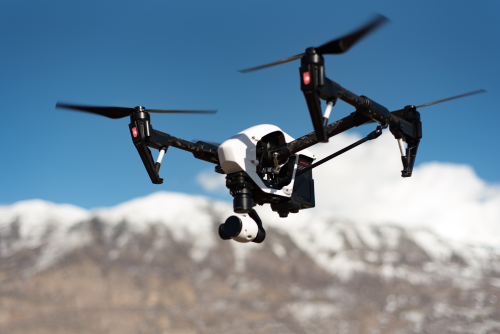
Beautiful reels do not automatically turn into recurring contracts. The biggest mistakes people make when they try to sell cinematic content retainers are usually not about camera settings or color grading. They happen when creators pitch style before strategy, underprice the real workload, and promise a smooth monthly content machine without building one.
Quick Take
If you want to sell cinematic content retainers profitably, focus on these principles first:
- Sell a business outcome, not just a beautiful look.
- Target clients who already need content every month or quarter.
- Define exactly what “cinematic” means in deliverables, not adjectives.
- Price the full system: planning, travel, flight operations, editing, revisions, versioning, and admin.
- Put hard boundaries around scope, approvals, usage rights, weather delays, and reshoots.
- Build repeatable production and post workflows so the retainer stays profitable after month one.
- Never promise drone shots that may be blocked by local rules, site restrictions, weather, or safety limits without a backup plan.
- Renewal depends on review meetings and clear value, not on the client remembering your last edit looked good.
What a cinematic content retainer actually is
A cinematic content retainer is a recurring agreement, usually monthly or quarterly, where a client pays for ongoing content production instead of one isolated project.
That sounds simple, but many sellers misunderstand what the client is really buying.
The client is usually not buying “one cool drone video every month.” They are buying a predictable content engine that helps them publish, launch, promote, recruit, sell, or stay visible. The cinematic style matters, but the real value is consistency.
A strong retainer usually includes some mix of:
- planning and content mapping
- recurring production days
- aerial and ground capture
- short-form edits for social platforms
- longer hero edits or campaign pieces
- photo selects or frame grabs
- versioning for vertical, horizontal, or regional use
- review and revision windows
- a simple reporting or planning cadence
For drone operators, this matters even more. Aerial footage can raise perceived production value fast, but it also adds operational complexity. If you build the offer around the aircraft instead of the client’s publishing needs, you can win attention and still lose money.
Which clients are actually a good retainer fit
Not every client should be sold a retainer. Some need one strong campaign film. Others need ongoing content. Confusing the two is one of the fastest ways to create a bad deal.
| Strong retainer fit | Warning sign |
|---|---|
| Publishes weekly or monthly already | Posts inconsistently and has no content rhythm |
| Has a marketing lead who can brief and approve | Founder approves everything slowly |
| Needs content across multiple channels or campaigns | Wants “something nice” but cannot define usage |
| Has repeatable locations, products, services, or stories | Every shoot requires a brand-new concept from scratch |
| Understands content as an ongoing expense | Expects one-time pricing for ongoing access |
| Values a content library and regular updates | Mostly needs a one-off launch or annual brand film |
Hospitality brands, resorts, tourism operators, premium real estate teams, construction marketing departments, destination venues, lifestyle brands, and experience-based businesses often make better retainer candidates than clients who only need occasional hero content.
If a buyer has no publishing calendar, no internal owner, and no urgent need for recurring assets, a project may be better than a retainer.
The biggest mistakes people make when they try to sell cinematic content retainers
1. Selling aesthetics instead of outcomes
This is the most common mistake.
Many creators lead with words like cinematic, premium, immersive, luxury, epic, or storytelling. Those words can help position your brand, but they are not the end buyer’s goal.
A hotel wants more booking-worthy content across the season. A developer wants polished updates that make a project feel active and credible. A tourism brand wants assets that can run across multiple channels. A high-end restaurant wants content that makes the experience feel desirable before the customer ever arrives.
If your pitch is only about how beautiful your work looks, the client may admire you and still not see why they need a retainer.
What works better is linking the visual style to a repeatable commercial result. For example:
- monthly launch-ready content for seasonal offers
- a steady stream of short-form assets from one production day
- recurring brand films and cutdowns for paid and organic campaigns
- a content library that reduces future shoot needs
The more clearly you connect style to usage, the easier the retainer becomes to justify.
2. Pitching retainers to clients who do not have recurring content demand
A retainer is not a magic way to turn an occasional buyer into a monthly buyer.
A lot of creators try to force a retainer because recurring revenue sounds stable. But if the client does not already feel content pressure, the offer will look unnecessary.
Ask better discovery questions before you pitch:
- How often do you publish now?
- Which channels need new assets every month?
- What campaigns are already planned this quarter?
- Who approves content internally?
- What content gaps are slowing your team down?
- What has to be captured on location versus repurposed later?
If the answers are vague, the retainer may be premature.
This is especially important for drone-heavy offers. Some businesses love aerial content but only need it a few times a year. That is still valuable work, but it may belong inside quarterly campaigns or milestone shoots rather than a monthly retainer.
3. Using the word “cinematic” as if it defines the deliverable
“Cinematic” is a positioning term, not a scope.
To one client, it means slow, elegant camera moves and luxury pacing. To another, it means fast FPV fly-throughs, dramatic sound design, and bold reveals. To another, it simply means “better than phone footage.”
If you sell a retainer around a vague style word, each side may imagine a different product.
Define the look in practical terms:
- what style references are you using
- what kinds of scenes will be captured
- whether the focus is brand mood, product detail, lifestyle action, or property scale
- what the final outputs actually are
- how many edits, in what lengths, and in which aspect ratios
- whether drone, FPV, gimbal, interviews, voiceover, or photography are included
When style is not translated into deliverables, approval problems show up later. The client says, “This does not feel cinematic enough,” and you have no objective framework to defend the scope.
4. Building the offer around your gear instead of the client’s content system
Drone operators often do this without noticing.
They sell the aircraft, the FPV rig, the gimbal, the camera body, the lens set, or the chase-shot capability as if the equipment itself is the product. It is not. It is just one way to produce assets.
Most clients care more about what they can publish than how you captured it.
A better retainer offer is built around outputs such as:
- 8 short vertical edits for social
- 1 hero brand edit
- 15 to 30 edited photo selects
- a seasonal aerial update
- a reusable B-roll library
- story-specific cutdowns for ads, email, landing pages, or internal use
Drone footage may be a high-impact piece of that system, but it is rarely the whole system.
This shift matters for profitability too. If the client sees your value as “the drone guy,” they will compare you to any other pilot. If they see you as the operator who keeps their content pipeline moving, price pressure changes.
5. Pricing the retainer like a bundle of shoot days
This is where many retainers die quietly.
People multiply a day rate by the number of planned shoots and call that a retainer. Then the real workload arrives: planning calls, script revisions, shot lists, recce or scouting, travel coordination, location windows, file ingest, backups, edit selects, music, captions, client review, alternate versions, archive management, and month-to-month communication.
Recurring work creates recurring invisible labor.
Your price needs to account for:
- pre-production
- production labor
- drone-specific operating prep
- post-production
- revision time
- delivery and file management
- project management
- admin and communication
- contingency for weather or schedule disruption
- business margin
If you ignore the hidden labor, the retainer becomes a trap. Month one feels manageable. Month three feels exhausting. Month six gets renegotiated or dropped because you cannot sustain the service at the price you set.
6. Leaving scope vague because you want the sale
Another classic mistake is using flexible, friendly language that sounds attractive in the proposal and becomes expensive in practice.
Retainers need structure. Not stiff structure, but clear structure.
At minimum, define:
- number of production days or capture windows
- expected filming hours
- number of locations
- travel radius
- deliverable count and format
- edit lengths
- aspect ratios included
- revision rounds
- whether subtitles or captions are included
- whether raw footage is included
- turnaround times
- music or stock licensing assumptions
- weather reschedule policy
- how urgent or out-of-scope requests are handled
Also define usage rights in plain English. If the client wants to use content across organic social, paid ads, websites, trade shows, outdoor screens, distributors, or partner channels, that should be understood up front.
Ambiguity feels easy during the pitch and painful during fulfillment.
7. Promising constant novelty instead of building repeatability
A lot of creators think a retainer means inventing a fresh mini-masterpiece every month.
That is rarely what the client needs, and it is almost never what your margins need.
Good retainer work balances freshness with repeatability. You can rotate themes, seasonal priorities, and campaign stories without rebuilding the whole creative process every cycle.
That means creating a repeatable engine:
- recurring shot structures
- location plans that can be refreshed quickly
- editing templates and project organization
- brand-consistent color and sound treatment
- a reusable asset library
- a content calendar that separates big shoots from lighter update months
For example, a resort might need one major seasonal capture every quarter, then lighter monthly edits built from that library plus one short pickup session. A construction client may need consistent progress angles, milestone highlights, and occasional cinematic hero content, not monthly reinvention.
Retainers become scalable when you stop treating every month like a standalone film.
8. Having a reel but no process
A strong reel proves taste. It does not prove service delivery.
Clients buying a retainer are not only asking, “Can you make this look good?” They are also asking:
- Will you stay organized?
- Can you deliver on time every month?
- Will approvals be manageable?
- Can our team work with you repeatedly?
- Are you reliable when schedules shift?
If your sales process is just sending a reel and a monthly number, you are asking the client to imagine the workflow.
Show the workflow instead.
You do not need to overcomplicate it. Even a simple structure helps:
- discovery call
- content needs audit
- monthly or quarterly content plan
- production day schedule
- delivery timeline
- review window
- asset handoff and next-cycle planning
When buyers can see the system, a retainer feels safer. When they only see beautiful footage, it feels riskier than a one-off project.
9. Ignoring compliance, location access, and operational reality
This matters for every commercial shoot, but especially for drone-based work.
Some sellers pitch rooftop reveals, beachfront flyovers, dense urban movement, indoor FPV routes, crowd-heavy event coverage, or sunrise location work without first thinking through whether those operations are legal, safe, or practically allowed.
Rules vary by country and local jurisdiction. Even where aviation rules allow something, a property owner, venue, park authority, municipality, or event organizer may not. Privacy expectations, local sensitivities, and insurance requirements can also change what is feasible.
Before you bake aerial content into a retainer, verify:
- commercial drone operating rules in the relevant jurisdiction
- airspace or restricted-area limitations
- whether specific locations require permission
- whether takeoff and landing are allowed on the property
- whether people, traffic, wildlife, or event density change the risk profile
- whether FPV has extra operating conditions in that market
- what insurance or client vendor requirements apply
A promised shot that cannot be flown is not just a creative problem. It is a trust problem.
10. Treating the retainer as “sold” once the contract is signed
Retainers are renewed, not merely won.
Many content providers do decent production work and then go quiet until the next shoot. That leaves the client to remember the value on their own. Usually, they do not.
You need a simple review rhythm.
That review does not need to be overengineered. It can cover:
- what was delivered
- what performed best or was used most
- what the client still lacks
- what seasonal or campaign needs are coming next
- what should be filmed, reused, or updated next cycle
If you can tie the conversation to real business use, even better. That does not mean claiming credit for every sale. It means showing how your content supported launches, listings, ads, recruitment, booking pages, investor updates, or brand consistency.
Without that review loop, the retainer starts to feel like background spend. Background spend gets cut.
Compliance, safety, and operational risks you must price in
For drone professionals, cinematic retainers are not just creative agreements. They are operational commitments.
That means your offer should leave room for variables such as:
- weather holds and poor light conditions
- seasonal access changes
- site induction or safety briefings
- property permission delays
- local authority restrictions
- battery and charging logistics
- observer or crew requirements where needed
- travel or border complications for international work
- backup plans when flight operations are restricted
Do not write proposals that assume every planned month can include unrestricted flying.
Also remember that “client approval” is not the same as legal approval. A client can want a shot that local rules, property management, or safe operating practice do not allow. Your agreement should make clear that deliverables depend on lawful and safe execution, and that alternative capture methods may be used when needed.
If you work across borders or across multiple regions, verify requirements each time rather than assuming yesterday’s workflow still applies today.
A better way to package and sell a cinematic content retainer
If you want a simpler, stronger sales approach, use this sequence.
1. Start with the publishing rhythm
Ask what the client actually needs to publish over the next 90 days.
Not what they “might want someday.” What they actively need.
Map:
- campaigns
- promotions
- launches
- seasonal moments
- recurring updates
- paid ad needs
- website refresh needs
- internal or stakeholder communication needs
This shifts the conversation from art to operations.
2. Build the retainer around outputs, not promises
Create a deliverable matrix the client can understand.
For example:
- one half-day or full-day production window
- one hero edit
- six short-form cuts
- a batch of edited selects
- limited alternate aspect ratios
- one review round per asset class
- monthly planning call
Now the client can judge value clearly, and you can protect your time.
3. Separate standard work from optional work
Do not bury extras inside the monthly fee.
List optional items such as:
- extra shoot days
- travel beyond the included radius
- talent sourcing
- licensed voiceover
- complex motion graphics
- urgent turnaround
- additional language versions
- raw footage delivery
- advanced FPV or specialty capture
- location permit handling where applicable
This protects margin and reduces awkward renegotiation later.
4. Price the system, not just the camera time
A simple pricing logic is:
- estimate monthly labor by role and task
- add production overhead
- add post-production time
- add revision and communication buffer
- add travel and operational contingency
- add your target margin
If you subcontract pilots, editors, or assistants, price that reality in from the start. Do not assume you will “figure it out later.”
5. Sell a pilot period before a long commitment
A first retainer often works better as a defined pilot period than a long open-ended promise.
Three months or one quarter is often enough time to prove:
- you can deliver consistently
- the client can approve efficiently
- the content mix is correct
- the budget matches the workload
- the aerial component adds real value
After that, it is much easier to renew, expand, or refine.
6. Build the renewal into the workflow
Do not wait until the contract is close to ending.
Set a review point early. Show what has been produced, what has been useful, and what needs adjusting. If the client needs more frequent short-form edits and fewer big cinematic pieces, change the mix. If drone footage is best used quarterly instead of monthly, say so.
Good retainers evolve. Bad retainers are defended rigidly until one side quits.
FAQ
What is the difference between a cinematic content retainer and a normal social content retainer?
A cinematic retainer usually emphasizes higher production value, stronger visual direction, more deliberate camera movement, and polished post-production. But it still needs to serve a content workflow. If it is only “prettier content” without a clear publishing purpose, the distinction will not matter to the client for long.
Should drone footage be included every month?
Not always. Some clients benefit from monthly aerial updates, but many do better with quarterly capture plus monthly edits, repurposing, or mixed ground content. Use drone footage where it adds scale, context, motion, or premium perception, not just because you own the aircraft.
How should I handle revisions in a retainer?
Define them clearly. State how many review rounds are included, what counts as a revision versus a new creative direction, and how quickly feedback must be provided. Unlimited revisions are one of the fastest ways to destroy retainer profitability.
Is it better to sell a monthly retainer or a quarterly one?
That depends on the client’s content rhythm. Monthly works when the business publishes constantly and can approve quickly. Quarterly often works better for brands with campaign bursts, seasonal needs, or more complex location and flight logistics. A quarterly structure can also reduce creative fatigue.
What should be written into the agreement?
At minimum: deliverables, production windows, locations, turnaround times, revision policy, usage rights, payment schedule, weather and reschedule terms, travel assumptions, safety and legal compliance language, and what happens with out-of-scope work. If drone operations are involved, make clear that capture depends on lawful, safe, and permitted execution.
Can a beginner sell cinematic content retainers?
Yes, but only if the service is simple and honestly scoped. Beginners often overpromise because they want recurring revenue quickly. It is usually smarter to start with smaller recurring packages, fewer deliverables, and tighter client selection rather than trying to imitate a full agency model from day one.
What if bad weather or site restrictions block the planned aerial shots?
Plan for that upfront. Your agreement should explain how weather holds, reschedules, and alternate capture methods are handled. In some cases, the best answer is to shift the aerial portion to the next safe window and still deliver part of the content package from ground-based coverage or existing library assets.
The decision that matters most
If you want to sell cinematic content retainers successfully, stop treating them like monthly highlight reels and start treating them like repeatable business systems. The best offers are clear, scoped, operationally realistic, and tied to a client’s actual publishing needs. Before your next pitch, ask one question: am I selling beautiful footage, or am I selling a dependable content engine that happens to look beautiful?
