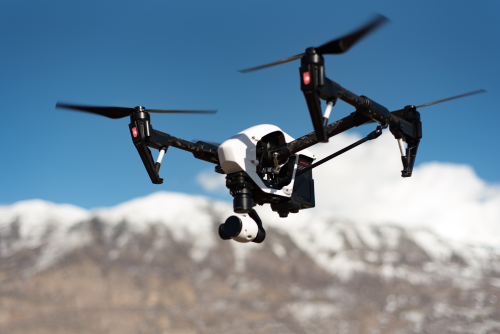
A drone repair side hustle sounds like an obvious next step if you already fix your own aircraft or help friends after a crash. But the biggest mistakes people make when they try to start a drone repair side hustle usually happen off the workbench: weak pricing, unclear service scope, poor parts access, battery risk, and no plan for liability or test flights. If you treat repair like a favor instead of a service business, you can stay busy and still lose money on most jobs.
Quick Take
If you want a drone repair side hustle to actually work, start narrower than you think.
- Pick a lane: consumer camera drones, FPV builds, or a small set of popular models.
- Charge separately for diagnosis instead of guessing repair costs from photos.
- Build a written intake process before you take paid work.
- Treat batteries, shipping, and post-repair testing as high-risk tasks, not side details.
- Price for total job time, including messages, parts ordering, calibration, cleaning, testing, and callbacks.
- Do not promise factory-level parts access, waterproofing, or warranty coverage unless you can truly deliver it.
- Track repeat failures and comeback jobs. A repair business dies from rework faster than from low lead volume.
| Mistake | Why it hurts | Better move |
|---|---|---|
| Repairing every drone type | Too many tools, parts, and unknowns | Support a narrow list of models and services |
| Quoting before diagnosis | Hidden damage destroys your margin | Use a paid diagnostic step |
| Underpricing labor | Busy bench, weak profit | Price the whole workflow, not just bench time |
| Skipping written intake | Disputes over condition and scope | Use photos, approvals, and clear terms |
| Treating batteries casually | Safety, shipping, and storage risk | Inspect carefully and set strict handling rules |
| Ignoring software and test-flight issues | “Repaired” drones still fail in use | Plan for calibration, firmware, and legal test procedures |
Why drone repair side hustles look easier than they are
Drone repair looks simple from the outside because the visible failure is often obvious: a broken arm, a bent prop mount, a dead gimbal, a cracked frame plate, a torn ribbon cable. But a drone is not just hardware. It is an airframe, a camera system, a battery system, a flight controller, radio links, sensors, firmware, and often an app-dependent workflow.
That matters because customers do not pay you for replacing a part. They pay you for returning the drone to safe, predictable function.
A cracked FPV frame arm may be a straightforward swap. A camera drone that hit saltwater, or an aircraft that still powers on but drifts, overheats, throws sensor errors, or drops video signal, is a very different job. Hidden damage is common. Software lockups, calibration issues, battery damage, and intermittent faults can turn a “quick fix” into a multi-hour problem.
That is why many repair side hustles stall early. The owner is usually skilled enough to fix things, but not yet structured enough to run repair work like a real service.
Common mistakes that sink a drone repair side hustle
1. Trying to support every drone category at once
This is probably the most common early mistake.
Consumer camera drones, custom FPV quads, cinewhoops, long-range rigs, agricultural platforms, and enterprise inspection drones all have different failure patterns, parts supply chains, tools, firmware behavior, and customer expectations.
If you say yes to everything, you create three problems fast:
- You need too many parts and tools
- Your diagnosis time goes up
- Your error rate rises because every job is unfamiliar
A narrow service list is not a weakness. It is what makes a side hustle manageable.
A much better starting point is something like:
- crash repair for custom FPV builds
- basic repair and refresh work for a short list of popular camera drones
- gimbal, arm, landing gear, and shell work only
- non-board-level repairs for one brand ecosystem
Specialization helps you quote faster, stock smarter, and earn trust faster.
2. Not defining what you actually offer
Many people start taking “repair” jobs without deciding what counts as a repair.
Customers may expect all of these under one price:
- fault diagnosis
- disassembly and cleaning
- replacement parts
- soldering work
- firmware updates
- calibration
- controller pairing
- test hover or test flight
- battery evaluation
- rush turnaround
- packing and return shipping
That is not one service. That is a stack of services.
If you do not define your scope, you will end up doing unpaid work and disappointing people anyway. A side hustle needs a simple service menu. For example:
- diagnostic inspection
- crash damage repair
- parts installation
- FPV build troubleshooting
- post-crash inspection
- cleaning and recovery assessment after light water exposure
- controller and link setup
Also define what you do not offer. If you do not handle battery pack repair, waterproofing restoration, advanced board-level microsoldering, or enterprise payload systems, say so clearly.
3. Quoting from photos instead of charging for diagnosis
Photos help. They do not tell the full story.
A customer sends a picture of a cracked shell or broken arm, and you think the job is easy. Then you open the drone and find torn cables, damaged motor wires, a bent mount, sensor alignment issues, or corrosion. Now your “quick repair” price is wrong, and you either lose money or upset the customer.
Diagnosis is work. It should be priced like work.
A good repair workflow usually has two stages:
- Intake and diagnostic inspection
- Approved repair based on findings
This protects both sides. It also helps with “no repair” outcomes, where the aircraft is uneconomical to fix or parts are unavailable.
If you skip the diagnostic step, you will eventually take on hidden-damage jobs that consume hours and still end in a bad customer experience.
4. Pricing like a hobbyist instead of a service business
A lot of drone repair side hustles fail because the owner prices bench time and forgets everything else.
Your actual labor is not just the time with a screwdriver or soldering iron. It also includes:
- messages before the job
- intake and documentation
- opening and inspection
- cleaning
- sourcing and ordering parts
- waiting and updating the customer
- firmware checks
- calibration
- test procedures
- invoicing
- packing or handoff
- handling complaints or callbacks
If a repair takes 40 minutes on the bench but another 60 minutes across admin, testing, and communication, it is not a 40-minute job.
A simple way to protect yourself is to separate pricing into:
- diagnostic fee
- labor band or repair tier
- parts cost
- optional rush service
- shipping or return handling, if applicable
The goal is not to be the cheapest. It is to make sure each completed job is still worth doing after the full workflow is counted.
5. Buying too many tools and too much stock too early
It is easy to spend heavily before demand is proven.
You may think you need a fully equipped electronics bench, shelves of spare motors and arms, advanced battery gear, premium microscopes, multiple test devices, and a pile of donor drones on day one. Most side hustles do not.
Start with the tools that match your chosen niche. That often means:
- quality precision drivers
- a reliable soldering setup, if your repair scope requires it
- multimeter
- magnification
- anti-static or electrostatic discharge-safe workspace
- good lighting
- safe storage for batteries and damaged units
- basic cleaning tools
- labeled parts trays and documentation system
Only expand when repeat job patterns justify it.
The same goes for inventory. Stock fast-moving, low-risk items if your workflow supports them. Do not tie up cash in rare parts for drones you hardly ever see.
6. Assuming parts sourcing will sort itself out
Parts access is one of the biggest business realities in drone repair.
Some models have decent aftermarket support. Some depend on salvage parts. Some have multiple hardware revisions. Some need calibration or software steps after installation. Some brands make official parts access limited by region or service status.
If you do not have a parts plan, your turnaround times become guesswork.
The main risks are:
- counterfeit or poor-quality parts
- wrong revision or incompatible parts
- long lead times
- weak packaging and damage in transit
- no clear return path if a part is faulty
A customer usually cares about two things more than your technical explanation: how much this will cost, and when they will get the drone back.
So build a simple supplier policy:
- approved suppliers only
- no guarantee on customer-supplied parts unless inspected and accepted
- lead times are estimates, not promises
- used or salvaged parts must be disclosed
- repair approval may change if hidden damage appears after teardown
That alone will save you a lot of avoidable stress.
7. Skipping written intake, approval, and condition records
Informal handoffs create formal disputes later.
If a customer drops off a drone and says, “It just needs a small fix,” you need more than a verbal explanation. You need a condition record.
At intake, capture at least:
- make and model
- serial number if available
- controller and battery count
- visible damage
- missing screws, props, covers, or accessories
- customer-reported symptoms
- crash, water exposure, or impact history
- signs of prior repair attempts
- whether an SD card or storage media is still installed
Photos help a lot. So does written approval before extra work begins.
This is also where you set expectations around:
- diagnostic fees
- turnaround range
- repair authorization thresholds
- storage fees for abandoned units, where local law allows
- limited post-repair warranty terms
- no guarantee on unrelated future failures
Without this paperwork, every difficult job becomes a memory contest.
8. Treating batteries like normal accessories
They are not.
Lithium batteries can be damaged internally after crashes, over-discharge, puncture, swelling, moisture exposure, or poor storage. That creates safety risk in storage, charging, transport, and disposal.
For a side hustle, battery handling needs strict boundaries.
Good practice usually means:
- inspect before charging or testing
- isolate questionable packs
- do not casually charge unknown crash-damaged batteries
- follow local disposal and recycling rules
- verify carrier rules before shipping any lithium battery
- avoid battery “repair” unless you are specifically trained, properly equipped, and allowed to do so
For many small repair businesses, the safer and smarter policy is simple: assess battery condition, document concerns, and recommend replacement rather than attempting risky recovery work.
Batteries can turn a small side gig into a serious safety problem. Treat them as one of the highest-risk parts of the operation.
9. Ignoring firmware, calibration, and software dependencies
A drone can be physically repaired and still not be ready to fly.
After hardware work, you may still need:
- sensor checks
- gimbal calibration
- controller relinking
- firmware updates
- motor direction verification on FPV builds
- flight mode checks
- app compatibility checks
- camera or transmission testing
This is where many hobby-fixers get caught out. They can replace the part, but they do not have a repeatable post-repair validation process.
It is also where expectations get dangerous. Do not promise to bypass manufacturer safety systems, regional restrictions, login protections, or locked features. Do not advertise illegal unlocks or workarounds.
Your job is to restore legitimate function, not to defeat operating limitations.
A repair is only complete when you can document what was fixed, what was tested, and what still needs verification.
10. Forgetting that test flights can create legal and liability exposure
The first live hover after a repair is often the most stressful part of the job.
If the drone fails in the air, you may be the last person who touched it. That creates obvious risk for property, people, and your reputation. In some places, once you are conducting a flight connected to paid repair work, commercial rules, registration rules, insurance, or pilot qualification rules may matter. Exactly what applies depends on where you operate, so it is something you need to verify locally.
Do not treat the test flight like an afterthought.
A smarter approach is to use layers of testing:
- visual inspection
- power-on checks
- prop-off bench checks where appropriate
- low-risk ground tests
- controlled hover test in a suitable location
- only then broader function testing if needed
Not every repair needs a full outdoor flight. Some do. But when a flight is necessary, it should happen legally, safely, and with insurance and permissions appropriate to your location and business setup.
11. Building no trust system, then wondering why growth is weak
Drone repair is a trust business before it is a technical business.
Most customers cannot judge your solder joints or internal workmanship. They judge clarity, professionalism, and whether the drone comes back working when promised.
If your repair side hustle relies only on casual messages in local groups, growth will be uneven. You need lightweight proof that you are organized.
That can include:
- a clear list of supported models
- a clear service menu
- realistic turnaround guidance
- before-and-after documentation
- simple intake form
- clear repair approval process
- clean packaging and handoff
- written care notes after repair
Also track your own numbers. A side hustle becomes a business when you can answer:
- Which jobs are profitable?
- Which models cause repeated issues?
- How many repairs come back?
- Which parts fail most often?
- How long do jobs really take?
Without that data, you are guessing.
Safety, legal, and operational risks to verify before taking paid jobs
A drone repair business sits at the intersection of electronics work, aviation-adjacent activity, batteries, shipping, and consumer service. Rules vary by country and sometimes by region, so verify the details that apply to your area before you take paid jobs.
Pay special attention to these areas:
- Business registration and tax: Even a side hustle may need local business registration, invoicing, or tax reporting.
- Insurance: General liability may not cover customer equipment in your care, post-repair failures, or test flights. Ask specifically about repair work and any flight testing you perform.
- Test-flight legality: If you fly a customer’s drone after repair, check what pilot qualifications, registration, permissions, or operational rules apply where you are.
- Battery storage and shipping: Lithium battery transport rules can differ by carrier, service level, and destination. Do not assume normal parcel habits are acceptable.
- Consumer protection and warranty language: Be careful with phrases like “fully restored,” “as new,” or “guaranteed” unless your terms truly support that claim.
- Data privacy: Many drones arrive with SD cards, internal storage, account connections, or flight logs. Handle customer media and personal data carefully and only as needed for the repair.
- E-waste and damaged battery disposal: Local disposal rules may apply to broken electronics and unsafe batteries.
This section is not the glamorous part of the side hustle, but it is where many avoidable problems start.
A lean way to start without burning money
If you still want to build a drone repair side hustle, start small on purpose.
1. Pick one customer type
Choose a clear starting audience, such as:
- local hobby FPV pilots
- creators using a few common camera drone models
- real estate media operators with older backup aircraft
You do not need the whole market. You need a lane.
2. Limit your supported models and repair types
Create a short support list. Example:
- 5 to 10 specific models
- crash damage inspection
- arm or frame replacement
- motor and prop replacement
- basic solder repairs
- gimbal or camera hardware issues within your comfort zone
Anything outside the list gets referred out.
3. Build your intake and pricing system first
Before advertising, prepare:
- intake form
- condition photo routine
- diagnostic fee policy
- approval threshold for extra parts or labor
- turnaround policy
- post-repair notes template
This will save you more pain than another tool purchase.
4. Buy only the tools your chosen jobs require
Do not build a dream bench before you know what customers actually need. Get the essentials, then let recurring job types justify upgrades.
5. Run a controlled pilot phase
Do your first batch of jobs with extra discipline. Track:
- total time per job
- messages and admin time
- parts delays
- test-failure rate
- customer questions after handoff
- rework and returns
This tells you whether the side hustle has healthy economics.
6. Decide what you want it to become
Some repair businesses work best as a narrow, profitable local service. Others can grow into mail-in repair, fleet support, or a broader technical shop. But do not scale chaos.
Make the workflow repeatable before you try to make it bigger.
FAQ
Can I start a drone repair side hustle if I have only fixed my own drone?
Yes, but that alone is not enough. Repairing your own drone proves basic hands-on ability. Running paid repair work requires documentation, pricing, parts sourcing, testing discipline, and customer communication. Start with a narrow service list rather than taking every job.
Which drone repair niche is easiest for beginners?
Usually the easiest starting point is a narrow niche with common failure patterns and accessible parts. That might be basic crash repair on popular camera drones or frame and power-train work on FPV builds. Complex enterprise systems and board-level diagnostics are much harder to support as a side hustle.
Should I offer battery repair services?
For most new side hustles, no. Battery inspection and replacement recommendations are usually safer than trying to repair damaged lithium packs. Battery work carries higher safety, storage, shipping, and disposal risk. If you plan to offer anything beyond simple assessment, verify training, equipment, and local rules first.
Do I need to test fly every repaired drone?
Not always. Some repairs can be validated through inspection, bench testing, calibration, and low-risk function checks. But some faults only show up in live operation. When a flight test is necessary, do it in a suitable location and verify the local aviation and insurance requirements that apply to paid repair work.
How should I price diagnostics?
Charge for diagnosis as a separate service. Diagnosis takes time, and not every drone will be worth repairing. A dedicated diagnostic fee protects your time and makes the repair approval process clearer for the customer.
Is a mail-in drone repair model realistic?
It can be, but it is more operationally demanding than local drop-off. You need safe packing instructions, battery handling policies, shipping discipline, clear intake records, and a way to manage transit damage disputes. Start local first unless you already have a strong process.
When should I refuse a repair job?
Refuse or refer out jobs when the drone is outside your supported models, parts are unreliable, water or fire damage makes the outcome too uncertain, the customer wants unsafe or illegal modifications, or the likely repair cost is not economically sensible compared with replacement.
Should I use customer-supplied parts?
Only with a clear policy. Customer-supplied parts may be incorrect, poor quality, incomplete, or impossible to warranty. If you allow them, inspect them first and state clearly that your workmanship terms may not cover failures caused by the supplied part.
The real next step
If you want this side hustle to work, do not start by buying more tools. Start by narrowing your service list, building an intake process, and pricing diagnosis properly. The shops that last are not the ones that say yes to every broken drone; they are the ones that know exactly which jobs they can complete safely, legally, profitably, and well.
