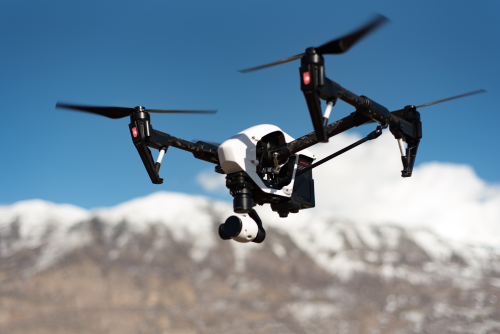
Shopping for the best camera drones under $1,000 gets much easier once you focus on the footage you actually want to make. For YouTube, travel reels, and family videos, the best drone is usually not the one with the longest feature list. It is the one you will carry often, launch confidently, and trust to deliver stable, usable footage without turning every outing into a flight test.
Quick Take
If you want the short version, these are the strongest camera drones under $1,000 for most buyers in 2026:
-
Best overall: DJI Mini 4 Pro
Best mix of image quality, portability, obstacle sensing, tracking, and vertical-video flexibility. -
Best value: DJI Mini 3
The smarter buy for many beginners who want great video without paying for every premium feature. -
Best for easy reels and casual family use: DJI Flip
Great for fast launches, simple social shots, and users who want less friction. -
Best non-DJI option: Autel EVO Nano+
Worth considering if local support is good and you want a compact alternative. -
Best budget-first starter: Potensic Atom
A practical entry point if you want a real stabilized camera drone and need to protect budget for accessories.
If your main goal is polished YouTube footage, the DJI Mini 4 Pro is the safest recommendation. If your goal is getting a complete travel kit under budget, the DJI Mini 3 often makes more financial sense. If you mostly want fast, fun, shareable clips with minimal setup, the DJI Flip is the more lifestyle-friendly choice.
Key Points Before You Buy
- A drone’s total kit cost matters more than the airframe price alone. Batteries, storage, propellers, and a charger change the real budget.
- For travel, sub-250 g drones are easier to carry and may face fewer restrictions in some places, but they are not exempt everywhere. Always verify local rules.
- For YouTube, stable footage, reliable return-to-home, and good dynamic range matter more than headline resolution.
- For Reels and Shorts, native vertical shooting or easy cropping saves time.
- For family videos, ease of use and safe behavior matter more than advanced pro color modes.
- Do not overpay for a drone if you are not ready to edit, plan shots, and manage batteries. A cheaper drone used well beats an expensive one left at home.
Best Camera Drones Under $1,000 at a Glance
| Drone | Best for | Why it stands out | Limits to know |
|---|---|---|---|
| DJI Mini 4 Pro | Best overall | Excellent image quality in a very small body, strong safety features, vertical video, reliable creator workflow | Costs rise quickly once you add batteries and accessories |
| DJI Mini 3 | Best value | Very good video, light travel footprint, easier on budget, great for beginners | Fewer advanced safety features and less room to grow |
| DJI Flip | Easy reels, casual creators, family use | Quick launch behavior, approachable design, social-first shooting | Less versatile for more cinematic flying and tougher conditions |
| Autel EVO Nano+ | Non-DJI shoppers | Compact and capable, especially attractive if you want alternatives | App, accessory, and service experience can vary by region |
| Potensic Atom | Budget-first buyers | Lower entry cost, true stabilized footage, simple learning platform | Fewer premium features, less mature ecosystem |
How to Choose the Right Drone for Your Kind of Video
If you make YouTube videos
Prioritize these first:
-
Stable video from a real gimbal
A gimbal is the motorized stabilization system that keeps footage smooth even when the drone moves in wind. -
Reliable signal and return-to-home
- Good low-light and highlight handling
- Enough battery life to set up shots calmly
- A workflow you will actually use
For YouTube, the best footage usually comes from slower, deliberate flying rather than aggressive moves. That makes reliability, control feel, and predictable exposure more important than flashy features.
If you shoot travel reels
Prioritize:
- Compact size
- Fast deployment
- Native vertical video or flexible reframing
- Easy packing
- Good automated tracking modes
- Quiet, low-friction operation
Travel creators often regret buying something too large, too heavy, or too intimidating to launch in normal sightseeing conditions.
If you want family videos
Prioritize:
- Easy controls
- Good auto exposure
- Safe return-to-home
- Clear app guidance
- Fast startup
- Predictable behavior around open spaces
Family users usually do not need the most advanced camera settings. They need a drone that is easy to launch at the beach, park, or on vacation without stress.
The Best Picks, Explained
DJI Mini 4 Pro
Best overall for most buyers
If you want one answer for the best camera drone under $1,000 for YouTube, travel reels, and family videos, the DJI Mini 4 Pro is still the most complete option in this price class.
Why it works so well:
- Strong image quality for its size
- Sub-250 g class in standard configuration
- Native vertical shooting for social content
- Very good subject tracking
- Omnidirectional obstacle sensing for added confidence
- Mature app and accessory ecosystem
- Compact enough to travel with regularly
For creators, the Mini 4 Pro hits the sweet spot between beginner-friendly flying and serious-enough output. It can produce footage that looks polished on YouTube, while still fitting into a travel backpack without becoming the whole bag.
It is especially good for:
- Solo creators who need tracking
- Travel vloggers who shoot both horizontal and vertical
- Parents who want high-quality scenic family footage
- Buyers who want one drone to do almost everything reasonably well
Its biggest downside is simple: once you add extra batteries, storage, filters, or a screen-equipped controller, your budget gets tight quickly. It is also still a very light drone, which means strong wind can affect confidence and shot consistency more than larger drones.
Who should buy it
Buy the Mini 4 Pro if you want the least buyer regret and you care about both footage quality and easy ownership.
Who should skip it
Skip it if your budget needs to cover a full kit and not just the drone, or if you know you will mostly use auto modes and social clips rather than planned cinematic shots.
DJI Mini 3
Best value for beginners and travel buyers
The DJI Mini 3 is the drone many people should buy before they talk themselves into something more expensive. It gives you strong real-world video quality, excellent portability, and a much easier budget equation.
Why it remains attractive:
- Very compact and travel-friendly
- Strong everyday video quality
- Native vertical shooting
- Long-enough endurance for relaxed travel shooting
- Easier to fit into a complete kit budget than a premium model
If your content is mostly daylight travel footage, scenic reveals, beach clips, road trips, or family memories, the Mini 3 does a lot of what most buyers actually need. For many users, it is the better purchase than a more advanced model because it leaves room for batteries, a case, and spare props.
It is especially good for:
- First-time drone owners
- Travelers who want low packing friction
- Families who want simple, polished aerial shots
- Buyers who would rather spend less and fly more
The main tradeoff is safety and automation. It does not give you the same level of sensing and premium tracking confidence as the Mini 4 Pro. That does not make it a bad drone. It means you need to fly more deliberately and give yourself more space.
Who should buy it
Buy the Mini 3 if you want the strongest balance of quality, simplicity, and value.
Who should skip it
Skip it if obstacle sensing and more advanced creator features are priorities, or if you already know you want the most polished automated shooting experience.
DJI Flip
Best for easy travel reels and casual family content
The DJI Flip is one of the most interesting choices for buyers who are less interested in traditional drone piloting and more interested in getting good-looking clips fast.
What makes it appealing:
- Simple, creator-friendly shooting style
- Built-in propeller guard design
- Quick setup and approachable operation
- Social-first feel for short-form content
- Good fit for casual users who want less intimidation
This is the drone for the person who says, “I want cool overhead and follow-style shots, but I do not want to treat every flight like a production.” For travel reels, park walks, vacation memories, and low-friction family content, that matters.
It is especially good for:
- Reels and Shorts creators
- Beginners nervous about launching a traditional drone
- Casual travelers
- People who value convenience over maximum manual control
The tradeoff is that this style of drone is not the best fit for every filmmaking situation. If you want slower cinematic moves, more refined manual shot planning, or better confidence in more demanding outdoor conditions, a Mini-series drone is still the stronger all-rounder.
Who should buy it
Buy the Flip if convenience is your top priority and you mostly want social-ready footage, not a mini flying camera rig for careful aerial filmmaking.
Who should skip it
Skip it if your main goal is polished YouTube B-roll, higher-end travel cinematography, or maximum flexibility over time.
Autel EVO Nano+
Best non-DJI alternative if support is solid in your region
Some buyers simply do not want to default to DJI, and that is reasonable. The Autel EVO Nano+ is the most credible compact alternative in this budget band if it is available in your market with dependable service and battery support.
Why people consider it:
- Compact and easy to travel with
- Good image quality in a small class
- Attractive alternative brand for buyers who want options
- Useful everyday creator and hobbyist performance
Its strength is not that it clearly beats DJI on pure creator workflow. It usually does not. Its strength is that it offers a viable compact-camera-drone path for buyers who prioritize brand preference, local dealer relationships, or simply want a different ecosystem.
Before buying, check:
- Local repair support
- Battery availability
- App compatibility with your phone
- Firmware support track record in your region
That last point matters. A drone can be good on paper and still become frustrating if support is weak where you live.
Who should buy it
Buy it if you want a compact non-DJI camera drone and you have confirmed good local availability and after-sales support.
Who should skip it
Skip it if you want the lowest-friction ownership experience and broadest accessory ecosystem.
Potensic Atom
Best budget-first starter drone
The Potensic Atom is a strong option for buyers who want to stay well under the top of the budget and still get stabilized aerial footage from a portable, GPS-equipped camera drone.
Why it deserves a look:
- Lower upfront cost
- Portable form factor
- More serious than toy drones
- Good learning platform for first-time pilots
- Leaves budget room for batteries and accessories
This matters because many buyers overfocus on the drone body and forget they still need:
- At least one extra battery
- A memory card
- Spare props
- A bag or protective case
- Time to learn basic flight discipline
The Atom is not the best choice if you want premium tracking, richer ecosystem support, or the safest set of advanced automation features. It is the best choice if your real goal is to start flying, learn composition, and create respectable travel or family footage without overspending.
Who should buy it
Buy the Atom if budget is your real constraint and you would rather get a complete starter kit than stretch too far for a premium model.
Who should skip it
Skip it if you already know you want higher-end image flexibility, stronger brand support, or more advanced intelligent shooting modes.
Which One Should You Actually Buy?
If you are still undecided, use this quick decision framework.
Buy the DJI Mini 4 Pro if:
- You want the best all-round option under $1,000
- You make both YouTube videos and vertical social content
- You value obstacle sensing and tracking
- You want the most future-proof choice in this class
Buy the DJI Mini 3 if:
- You want the smartest value
- You are a first-time buyer
- You care more about great everyday footage than premium features
- You want room in the budget for extra batteries
Buy the DJI Flip if:
- You want easy social clips more than traditional drone flying
- You prioritize convenience and quick deployment
- You are buying for casual travel or family memories
Buy the Autel EVO Nano+ if:
- You want a non-DJI option
- You have verified regional support and battery access
- You prefer an alternative ecosystem
Buy the Potensic Atom if:
- You need to spend less
- You want to learn without heavy financial regret
- You are okay with fewer premium features
What Matters More Than the Spec Sheet
A lot of buyer regret comes from shopping the wrong metrics.
Three things that matter most in real use
1. Will you actually carry it?
A drone that stays home shoots nothing. Small, foldable models win because they fit real life.
2. Can you get a shot fast?
Travel and family moments disappear quickly. If launch, connection, and framing feel slow, you will miss them.
3. Can you trust the footage?
Sharpness means little if the shot is shaky, overexposed, or ruined by poor control.
For most creators, the best camera drone under $1,000 is the one that reduces friction from idea to edited clip.
Budgeting the Full Kit, Not Just the Drone
Under $1,000 is a useful ceiling, but avoid spending the entire budget on the drone alone.
Plan for:
- Extra batteries
- A fast, reliable microSD card
- Spare propellers
- A charger or charging hub
- A small case or sling
- Optional ND filters if you shoot video regularly
- Optional care plan or insurance where available
If you want a complete, low-stress setup, the Mini 3 or Potensic Atom often leaves more breathing room than a premium pick.
Safety, Legal, and Travel Limits to Know
Even for family use or creator content, drones are regulated aircraft in many places.
Verify these before flying
- Whether your drone or pilot must be registered
- Whether local rules differ for recreational and commercial or monetized content
- Whether sub-250 g drones are treated differently where you are going
- Whether the location is restricted airspace, a protected area, or a no-fly zone
- Whether beaches, parks, resorts, and historical sites have local bans even if national aviation rules allow flight
- Airline battery rules for carry-on transport
Also remember:
- Do not fly near airports, emergency scenes, crowds, or moving roads unless local rules and conditions clearly allow it.
- Do not rely on obstacle sensing to save a bad decision.
- Do not fly close to uninvolved people, children, or animals for the sake of a shot.
- Respect privacy. Just because a drone can film from above does not mean every location or person should be filmed.
If you will use footage for client work, paid socials, real estate, tourism, or any other commercial purpose, verify the rules that apply in that country before operating.
Common Mistakes Buyers Make
Buying too much drone and not enough kit
A premium drone with one battery is less useful than a slightly cheaper drone with a proper working setup.
Confusing social features with camera quality
Automated shots are fun, but they do not automatically mean better footage.
Overtrusting obstacle avoidance
Sensors are helpful, not magical. Thin branches, wires, poor light, and side movement still cause crashes.
Ignoring wind
Small drones are convenient, but they are still light. Wind affects both safety and image smoothness.
Assuming sub-250 g means “no rules”
In some places it helps. In others, you still need registration, competency, permissions, or location-specific approval.
Buying only for resolution
4K is already enough for most YouTube and family use. Color, exposure, stability, and editing matter more.
Forgetting the phone and app experience
Some buyers obsess over the drone and forget to check whether their phone, controller preference, and app workflow will actually suit them.
FAQ
What is the best camera drone under $1,000 overall?
For most people, it is the DJI Mini 4 Pro. It offers the strongest mix of video quality, creator features, tracking, portability, and safer flying aids in this price band.
Is a sub-250 g drone better for travel?
Usually yes, especially for packing convenience and lower regulatory friction in some markets. But “better for travel” does not mean “free from rules.” Always verify the aviation authority, park authority, and airline policies where you are going.
Do I need obstacle avoidance for YouTube or family videos?
Not strictly, but it helps. Beginners benefit from it, especially when learning composition and movement at the same time. Still, it should never replace careful route planning and open-space flying.
Is DJI Mini 3 still worth buying in 2026?
Yes. It remains one of the best value choices for people who want strong everyday footage without paying for every premium feature. It is especially sensible for travel and family use.
Is the DJI Flip better than the Mini 4 Pro?
Not overall. The Flip is better for some users who want convenience, fast social content, and less intimidating operation. The Mini 4 Pro is the stronger all-round camera drone.
Can I use these drones for paid work?
Possibly, but you need to verify local rules first. Commercial, monetized, or client-facing use may trigger different requirements depending on the country, location, and type of operation.
Should I buy the drone-only package or the combo?
Most people are happier with a combo or at least one extra battery. A single-battery setup often feels too limiting once you start traveling or filming more intentionally.
Are non-DJI drones worth considering?
Yes, but support matters more. A non-DJI drone can be a good buy if local service, firmware support, battery availability, and app stability are solid. If those are uncertain, the ownership experience may become the real downside.
Final Decision
If you want the easiest recommendation, buy the DJI Mini 4 Pro. If you want the smartest value, buy the DJI Mini 3. If you want low-friction social content and casual fun, buy the DJI Flip.
Before you click buy, decide one thing first: are you purchasing a drone for filmmaking, for convenience, or for price discipline? Once that answer is clear, the right under-$1,000 camera drone usually becomes obvious.
