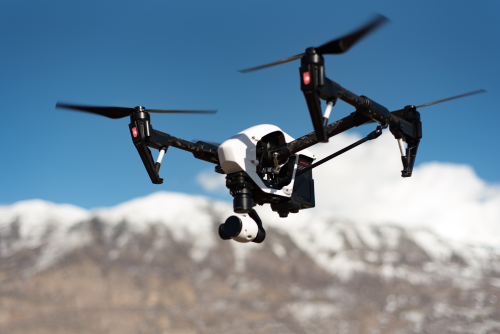
Finding the best camera drones under $200 for YouTube, travel reels, and family videos is harder than the product pages make it look. This budget range is packed with inflated “4K” claims, weak stabilization, and bundles that seem cheap until you need extra batteries or replacement parts. The good news is that a few models are genuinely worth buying if you match the drone to your shooting style instead of chasing the biggest spec number.
Quick Take
If you want the shortest possible answer, here it is:
- Best overall under $200 for reels and casual creator use: DJI Neo
- Best traditional beginner drone with controller-style flying: Holy Stone HS175D
- Best ultra-budget starter for learning and indoor family fun: Ryze Tello
- Best foldable first drone on a tight budget: Holy Stone HS440
- Best smart value if you shop used or discounted: Potensic ATOM SE or DJI Mini SE / Mini 2 SE, but only if you can actually find one inside budget and verify battery health
The biggest truth in this segment: stability, ease of use, and support matter more than advertised resolution. For most buyers, the best camera drone under $200 is not the one promising “6K” or “8K.” It is the one that gives you usable footage, predictable flight, and a realistic path to spare batteries, repairs, and app updates.
Best Camera Drones Under $200 at a Glance
| Pick | Best for | Why it stands out | Biggest limit |
|---|---|---|---|
| DJI Neo | Travel reels, selfies, family moments, easy social clips | Very beginner-friendly, quick launch, good content workflow, compact | Extra batteries and accessories raise total cost fast; not great in strong wind |
| Holy Stone HS175D | Scenic travel clips, outdoor beginner flying, controller-based learning | GPS-style beginner features, foldable design, more “classic drone” feel | Video is still entry-level and not truly cinematic |
| Ryze Tello | Cheapest credible starter, indoor flying, supervised family use | Low cost, simple learning platform, less intimidating than larger drones | Dated image quality and weak outdoor performance |
| Holy Stone HS440 | First foldable drone, family gift, casual vacation clips | Affordable, approachable, travel-friendly | Limited authority outdoors and modest camera results |
| Potensic ATOM SE or DJI Mini SE / Mini 2 SE if found used/refurbished under budget | Best value shoppers | Often better footage than brand-new toy-grade drones | Not always under $200; battery condition matters |
What Actually Matters in a Drone Under $200
Before looking at model names, it helps to reset expectations.
1. Stabilization matters more than resolution
A shaky “4K” clip is worse than a smoother lower-resolution shot. Cheap drones often advertise a high resolution but use basic lenses, weak processing, or no real camera stabilization. That is why some budget drones look sharp in still product photos but disappointing in real travel footage.
If you care about YouTube, reels, or family videos, prioritize:
- Stable hover
- Consistent exposure in daylight
- Smooth turns
- Predictable braking
- Easy file transfer to your phone or computer
2. Beginner-friendly flight is a camera feature too
For content creators, flight stability is part of image quality. A drone that drifts, jerks, or fights the wind makes bad footage no matter what camera label is on the box.
3. Spare batteries and support change the real value
A cheap drone with no battery ecosystem becomes e-waste fast. A slightly pricier model from a known brand is often the better long-term buy because you can still get props, batteries, chargers, and firmware support.
4. Short-form creators and scenic shooters need different drones
If you want:
- Selfie clips, walking shots, family moments, quick social posts: lean toward DJI Neo
- Wide landscape shots, classic controller flying, simple vacation B-roll: lean toward a GPS-style foldable drone
- A cheap learner for kids or indoor fun: Ryze Tello still makes sense
The Best Picks, Based on How People Actually Use Them
DJI Neo
For most people shopping this budget, DJI Neo is the most convincing buy.
It is not the best choice because it flies the farthest or looks the most “serious.” It is the best choice because it removes the usual beginner friction. It is quick to launch, easy to carry, and much better matched to modern content habits like short-form travel clips, casual YouTube B-roll, and family moments captured fast.
Why it makes sense
DJI Neo works especially well if you want:
- Travel reels and social clips
- Easy family videos without a long setup
- A drone that feels less intimidating than a traditional foldable model
- Quick launch-and-shoot sessions instead of long flight planning
- A light, portable drone you will actually pack
It is one of the few sub-$200 options that feels designed around content workflow, not just flying. For many beginners, that matters more than raw flight specs.
Where it fits best
Neo is strongest for:
- Walking travel clips
- Beach or park memory capture in calm conditions
- Short establishing shots
- Casual creator footage
- Solo travel when you want fast launch and easy recovery
Limits to know
Neo is not a magic cheap cinema drone. You should skip it if you expect:
- Strong wind performance
- Long scenic flights
- The feel of a traditional long-range controller drone without buying more gear
- Extended sessions on a single battery setup
Also, while it is family-friendly compared with larger drones, that does not mean you should fly close to faces, crowds, children running unpredictably, or busy public spaces.
Buy it if
- You care most about ease, portability, and social-ready clips
- You want the least painful entry into drone content
- Your “YouTube” use is mostly travel diaries, vlogs, shorts, or light B-roll
Skip it if
- You want long landscape sessions
- You fly in breezy places often
- You want the best possible image quality per dollar and are open to buying used
Holy Stone HS175D
If you want a more traditional drone experience under $200, Holy Stone HS175D is one of the safer lanes to shop in.
This type of drone appeals to buyers who want the classic experience: controller in hand, simple outdoor flight, wide scenic clips, and a bit more of that “real drone” feel. It is a better fit than Neo for someone who pictures themselves filming a viewpoint, beachline, lake, or family picnic from a modest distance.
Why it makes sense
The HS175D is a better match if you want:
- A foldable beginner drone with controller-first flying
- Outdoor scenic clips in calm weather
- Basic GPS-style beginner confidence features
- A more familiar “mini drone” format for travel
In this price bracket, that matters. A lot of ultra-cheap drones feel unstable outdoors. A more established beginner GPS-style drone usually gives you fewer nasty surprises.
Where it fits best
This is the kind of drone that makes sense for:
- Vacation overview shots
- Basic YouTube B-roll
- Daylight family trip clips
- Learning how to frame wider aerial scenes
- Buyers who want more manual control than a selfie drone
Limits to know
You still need realistic expectations:
- It is not a premium camera drone
- It will not give you true cinema-style stabilization
- Low-light performance in this class is generally poor
- Wind remains a major enemy
- App experience and export workflow are usually weaker than DJI’s
Buy it if
- You want traditional drone flying more than automated selfie capture
- You care about scenic outdoor shots more than follow-me social clips
- You want an affordable first step before deciding whether to upgrade later
Skip it if
- You want the easiest travel reel workflow
- You expect gimbal-like results
- You mainly shoot yourself rather than places
Ryze Tello
Ryze Tello is old now, but it still has a place: it is one of the cheapest recognizable beginner drones that is genuinely useful for learning.
It is not the best camera drone here in pure image quality. It is on this list because it remains a good answer for buyers who need a very low-cost entry point, especially for indoor use, supervised family fun, or learning basic control without risking a pricier drone.
Why it makes sense
Tello still works for:
- First-time flyers
- Indoor practice
- Kids and families under supervision
- Learning basic drone movement
- Buyers who want something inexpensive but not totally disposable
Where it fits best
Use Tello when you want:
- Casual family fun indoors
- Low-stakes learning
- Very basic social snippets
- A stepping-stone before buying a more serious drone
Limits to know
This is the easy part: the camera is dated by current creator standards. If your goal is polished YouTube travel footage, Tello is not your best buy.
It also struggles outdoors in wind and does not replace a modern travel drone.
Buy it if
- Your budget is very tight
- You want a safe-feeling learner
- You value practice and family fun over polished footage
Skip it if
- You need publish-ready travel footage
- You plan to shoot landscapes outdoors often
- You want a drone you will still love after your first few months
Holy Stone HS440
The Holy Stone HS440 is a practical answer for buyers who want a foldable starter drone without spending much.
It is not a creator’s dream drone, and it should not be treated as one. But it can make sense for a family gift, a first vacation drone, or a beginner who wants something more camera-oriented than a toy but less expensive than the better-known creator models.
Why it makes sense
The HS440 makes sense for:
- Very cost-conscious buyers
- First-time flyers who want a foldable format
- Casual family memory capture
- Buyers who want to test whether drone flying is a real hobby for them
Where it fits best
Think of it as a “starter with intent.” You are buying it to learn the basics and capture simple daylight clips, not to build a polished travel channel around it.
Limits to know
- It is still firmly in the budget tier
- Outdoor authority is limited
- Camera output is modest
- This is a buy-for-fun drone more than a buy-for-serious-content drone
Buy it if
- You want a low-risk first purchase
- You want a foldable travel-friendly starter
- Your expectations are casual and realistic
Skip it if
- You care about video quality first
- You live somewhere windy
- You want a drone you can grow into for a long time
The Smart Shopper’s Wildcard: Buy Used or Refurbished
If your goal is the best actual footage under $200, the smartest move may be to buy a used or certified refurbished premium mini drone rather than a brand-new budget model.
The names worth watching are:
- Potensic ATOM SE
- DJI Mini SE
- DJI Mini 2 SE
These are not always available under $200, and price varies by country, seller, bundle, and battery condition. But when one does fall inside budget, it often beats a brand-new no-name “8K GPS” drone in the real world.
Why this route can be better
A clean used or refurb premium mini drone often gives you:
- Better stabilization
- Better flight confidence
- Better app experience
- Better resale value
- Better long-term satisfaction
What to verify before buying used
Check these before you commit:
- Battery condition
- Whether spare batteries are still easy to buy
- Whether the seller includes the charger, props, and controller
- Visible crash damage or repaired arms
- Whether the drone still activates and updates normally
- Return policy or buyer protection
If you are comfortable inspecting used gear, this is often the best-value path in the whole sub-$200 range.
Which Drone Fits Your Use Case?
If you are still stuck, use this quick decision filter.
Choose DJI Neo if…
- You want the easiest route to travel reels
- You like quick, short flights
- You mainly film yourself, your partner, or family moments
- You value portability and convenience over classic drone handling
Choose Holy Stone HS175D if…
- You want a real controller-first flying experience
- You mainly want scenic shots and simple vacation B-roll
- You want a starter drone that teaches more traditional flying habits
Choose Ryze Tello if…
- You want to spend as little as possible
- You need a learner drone
- Indoor family flying matters more than polished footage
Choose Holy Stone HS440 if…
- You want a foldable first drone on a strict budget
- This is more of a fun starter than a serious creator tool
- You want to test the hobby before spending more
Choose used/refurbished if…
- You care most about finished footage quality
- You do not mind shopping carefully
- You want better value than most brand-new budget drones can offer
A Smarter Buying Checklist Before You Order
Before buying any sub-$200 camera drone, run through this list.
1. Decide whether you want a selfie drone or a traditional drone
This is the biggest fork in the road. A lot of buyer regret starts here.
- Want fast reels and family moments? Buy the easier social drone.
- Want scenic flights and controller practice? Buy the foldable GPS-style drone.
2. Check app compatibility with your phone
A drone is only as good as its app experience. Make sure your current phone supports the drone’s app and file workflow.
3. Budget for the real total, not just the sticker price
Expect to need some combination of:
- Extra battery or batteries
- Extra props
- A carrying case
- A memory card if required
- A charger or charging hub
4. Read the middle reviews, not just the best reviews
Three-star reviews often tell you what actually annoys owners after the honeymoon period.
5. Avoid unknown marketplace brands with unrealistic resolution claims
If the listing screams “8K,” “professional,” “long range,” and “obstacle avoidance” at a price that seems impossible, it usually is.
Safety, Legal, and Travel Limits to Know
Even cheap drones are still aircraft in many jurisdictions, and rules vary widely.
Before you fly, verify the current requirements from the relevant aviation authority and any local land manager or venue. This matters especially when you are traveling.
At a minimum, check these points
- Whether your drone must be registered in your country or destination
- Whether operator ID, pilot competency, or local certification applies
- Whether the location itself bans takeoff or landing
- Whether beaches, parks, heritage areas, or city centers have local restrictions
- Whether commercial, sponsored, or monetized filming changes the rules
- Whether your airline has battery transport rules you must follow
Practical travel reminders
- Keep batteries in carry-on luggage, not checked baggage, unless the airline explicitly allows otherwise
- Protect battery terminals and pack batteries safely
- Do not assume a national rule automatically means a tourist site allows drone use
- Respect privacy when filming hotels, homes, balconies, beaches, and family spaces
Family-video reminder
A “beginner-friendly” drone is not a toy. Avoid flying directly over children, crowds, roads, pools, or moving boats unless local rules and safe operating conditions clearly allow it and you know what you are doing.
What People Get Wrong About Cheap Camera Drones
This is where most bad purchases happen.
“4K” does not automatically mean good video
Inexpensive drones often win on packaging and lose in real footage.
Wind ruins more videos than camera quality does
Many first-time buyers test their drone in conditions it cannot handle. What looks like a camera problem is often a stability problem.
Range claims are usually less useful than buyers think
For YouTube, travel reels, and family videos, you rarely need extreme distance. You need predictable short-range control and stable framing.
Cheap bundles can be expensive later
A low upfront price means little if batteries, propellers, or the app become hard to support.
Drone footage still needs editing
Even great budget footage looks better after trimming, color balancing, and pairing with separately recorded audio. No drone in this class solves storytelling for you.
FAQ
Is a drone under $200 actually good enough for YouTube?
Yes, if your expectations are realistic. A sub-$200 drone can be good enough for travel B-roll, Shorts, reels, family montages, and casual vlog support. It is usually not the right tool if you want premium cinematic landscape footage in difficult conditions.
What is the best camera drone under $200 overall?
For most buyers, DJI Neo is the strongest all-around choice because it balances ease of use, portability, and content-friendly workflow better than most alternatives. If you want a more traditional controller-based drone, Holy Stone HS175D is a better fit.
Should I buy a used DJI Mini instead of a brand-new budget drone?
Often, yes. A clean DJI Mini SE or Mini 2 SE, or a discounted Potensic ATOM SE, can be a smarter buy than a brand-new off-brand model. Just verify battery health, parts availability, and seller protection before buying.
Can I travel internationally with one of these drones?
Often yes, but you must verify local aviation rules, location restrictions, and airline battery policies before the trip. A drone that is easy to own in one country may still be restricted, registrable, or outright banned at your destination or filming location.
Do I need registration or a permit for a small drone?
Maybe. Rules vary by country, weight class, location, and purpose of use. If you plan to fly while traveling or for monetized content, check the current requirements from the local aviation authority before flying.
What accessories should I buy first?
Start with practical essentials:
- At least one spare battery
- Spare propellers
- A storage case
- A memory card if the drone needs one
- A charger or charging hub if available
Do not overbuy accessories before you know you enjoy the drone.
Are cheap drones safe for kids and family use?
They can be safer than larger drones when used carefully, but they are not toys. Adult supervision, open space, calm conditions, and strict distance from faces and crowds still matter.
Final Decision
If you want the simplest, most creator-friendly answer, buy DJI Neo. If you want a more traditional drone experience for scenic travel shots, look at Holy Stone HS175D. If your budget is extremely tight, Ryze Tello is still a valid starter. And if you care most about finished footage quality, the smartest move may be to shop carefully for a used or refurbished premium mini drone instead of chasing a flashy new spec sheet.
