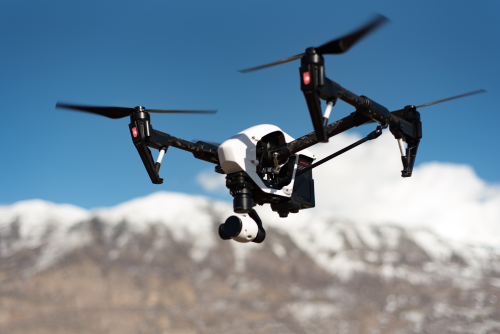
Shopping for the best camera drones under $750 is easier when you ignore the flashy marketing and focus on what actually shows up in your finished edit: stable footage, easy setup, travel-friendly size, and a camera that still looks good after you post it to YouTube or Reels. In this price range, the best buys are usually lightweight mini drones that are simple enough for beginners but capable enough for creators. The right choice depends less on raw specs and more on whether you want scenic travel shots, solo social clips, or low-stress family memories.
Quick take
If you want the short answer, these are the strongest fits in the under-$750 camera drone market for most buyers:
- Best overall: DJI Mini 3
- Best budget buy: DJI Mini 4K
- Best for travel reels and solo creators: DJI Flip
- Best non-DJI value: Potensic Atom
- Best for easy family clips and ultra-simple use: DJI Neo
A few buying notes before you decide:
- I’m focusing on stabilized camera drones, not FPV drones. FPV is great for speed and immersive flying, but it is usually the wrong first choice for YouTube B-roll, travel reels, and family video.
- Regional pricing, taxes, and bundle options move around, so think in budget tiers, not one exact storefront number.
- For most first-time buyers, a slightly cheaper drone with extra batteries is a better purchase than a more expensive drone with one battery.
What actually matters in a camera drone under $750
At this budget, buyer regret usually comes from picking the wrong workflow, not the wrong spec sheet.
Here’s what matters most.
1. Stabilization beats headline resolution
A 3-axis gimbal, which is the stabilized camera mount under the drone, matters more than a flashy resolution claim. Smooth, level footage is what makes travel clips and family videos look finished.
2. Sensor quality matters most in mixed light
A bigger or better camera sensor usually gives you better dynamic range, meaning it can hold more detail in bright skies and darker ground in the same shot. This matters a lot for sunrise, sunset, beaches, mountains, and city scenes.
3. Vertical video is a real feature, not a gimmick
If you post Reels, Shorts, or TikTok, true vertical capture is genuinely useful. Cropping horizontal footage later works, but it reduces flexibility and can hurt framing.
4. Ease of use matters more than range
Most beginners never use extreme range. What they do need is:
- fast GPS lock
- a reliable app
- predictable controls
- a return-to-home feature that works consistently
- batteries that are easy to buy later
5. Support and resale matter
The cheaper the drone, the more painful it is when support is weak, spare parts are hard to find, or resale value drops fast. A strong ecosystem can save money even if the drone costs a bit more upfront.
Best camera drones under $750 at a glance
| Drone | Best for | Why it stands out | Main tradeoff | Budget fit |
|---|---|---|---|---|
| DJI Mini 3 | Most buyers overall | Better image quality, true vertical shooting, very travel-friendly | No strong tracking or advanced obstacle sensing | Mid-budget |
| DJI Mini 4K | First-time buyers on a tighter budget | Affordable way into a real 4K gimbal drone | More basic camera and fewer creator-focused features | Entry-budget |
| DJI Flip | Solo creators and travel reels | Easy automated shots, protected props, creator-first feel | Less of a pure scenic-value pick than Mini 3 | Mid-budget |
| Potensic Atom | Buyers who want a non-DJI option | Good value, proper stabilized camera, compact size | Smaller ecosystem and weaker resale/support | Entry to mid-budget |
| DJI Neo | Quick family clips and low-friction capture | Tiny, simple, easy to launch, less intimidating | Weakest choice here for cinematic landscape footage | Entry-budget |
The best camera drones under $750
DJI Mini 3
If you want one answer for the best camera drone under $750, this is it for most people.
The DJI Mini 3 hits the sweet spot between image quality, portability, and beginner-friendliness. It is small enough to travel with easily, strong enough to produce polished YouTube B-roll, and flexible enough for vertical social content thanks to its rotating camera setup. If your goal is scenic travel footage, family trip highlights, and a drone you will still enjoy a year from now, the Mini 3 is the safest recommendation.
Its biggest advantage over cheaper options is not just “better quality” in a vague sense. It is that the footage holds up better in real travel situations: bright skies, shaded streets, backlit beaches, sunsets, and mixed light. It also feels like a drone you can grow into rather than outgrow in a few weeks.
The main compromise is automation. If you expect advanced follow shots or lots of hands-off tracking, this is not the best fit. It is a classic mini camera drone first.
Buy the Mini 3 if:
- you want one drone for YouTube, travel reels, and family videos
- you care about image quality more than gimmicks
- you want true vertical video without awkward crops
- you travel often and want a light, compact kit
Skip it if:
- you mainly want the drone to track you automatically
- your budget is tight enough that extra batteries would be a stretch
- you want the cheapest possible entry into 4K
DJI Mini 4K
The DJI Mini 4K is the best buy for people who want a real camera drone without spending close to the top of this budget.
This is the model I’d point to for beginners who want to learn properly but do not want to risk too much money on day one. It gives you the fundamentals that matter most: stabilized 4K footage, predictable flight behavior, a mature app, and a form factor that is easy to carry. For daylight travel clips, casual YouTube B-roll, and family vacation edits, it can absolutely do the job.
Where it gives ground is in creative headroom. Compared with the Mini 3, you get a more basic camera experience and less room to recover tricky light. It is also less compelling if vertical-first content is a priority.
Still, a lot of buyers would be happier with a Mini 4K plus spare batteries than a more expensive drone body with no room left in the budget.
Buy the Mini 4K if:
- this is your first camera drone
- you want the best low-risk buy in the category
- you care more about stable footage than advanced creator features
- you want to keep more budget for batteries, props, and travel gear
Skip it if:
- reels and vertical content are a major priority
- you want the best image quality available under this cap
- you expect more automated subject-focused shots
DJI Flip
The DJI Flip is one of the most interesting options in this price range because it leans hard into creator convenience.
If your content often includes you, not just the landscape, the Flip makes a lot of sense. It is built around easier solo capture, quick setup, and a less intimidating experience for casual creators. That makes it especially appealing for travel reels, couple trips, walking clips, quick social cutaways, and short-form content where fast shooting matters more than classic scenic flying.
Another reason it stands out is confidence. The protected prop design makes it feel more approachable for new users and more practical for casual capture scenarios. That does not make it safe to fly close to people or over them, but it does reduce some of the stress that beginners feel when launching and landing.
The tradeoff is that the Flip is not the purest “one drone for everything” buy. If your main goal is traditional scenic travel footage and you do not care about self-recorded content, the Mini 3 is usually the cleaner purchase.
Buy the Flip if:
- you create lots of solo travel or social-first content
- you want easier automated capture
- you value convenience and quick setup
- you want a more approachable drone experience than a fully traditional flyer
Skip it if:
- your top priority is classic landscape cinematography
- you want the best value per dollar for pure image quality
- you prefer a simpler, more traditional mini drone
Potensic Atom
The Potensic Atom remains one of the better answers for buyers who want a non-DJI alternative without dropping into toy-grade territory.
That is important, because a lot of cheap drones look good on paper and disappoint badly in real footage. The Atom is different. It is a legitimate compact camera drone with stabilized video, a small travel-friendly body, and enough capability for daylight YouTube footage, vacation edits, and family keepsakes. For buyers outside the DJI ecosystem, or in markets where DJI pricing or availability is less attractive, it deserves a serious look.
The compromise is ecosystem depth. DJI is still stronger on app polish, accessories, repair confidence, resale value, and general refinement. Potensic can still be the right buy, but it is the better choice for price-conscious buyers who understand they are trading some ecosystem confidence for value.
Buy the Potensic Atom if:
- you want a credible non-DJI option
- value matters more than ecosystem prestige
- you mainly shoot in good daylight
- you want a compact drone without paying for extras you may not need
Skip it if:
- you want the smoothest app and support experience possible
- resale value matters to you
- you want the safest long-term ecosystem bet
DJI Neo
The DJI Neo is the easiest drone in this guide to recommend for one very specific type of buyer: the person who does not really want to “become a drone pilot.”
If your goal is quick family clips, casual holiday memories, simple self-capture, and low-friction video that gets shared fast, Neo is a very smart little machine. It is tiny, approachable, easy to carry, and designed around simple capture rather than traditional drone photography first. That makes it appealing for families, beginners, and travelers who want something spontaneous rather than cinematic.
But you should buy it with clear expectations. The Neo is not the best pure camera drone here, and it is not the best choice for scenic landscape work or windy travel locations. It is more of a convenience-first flying camera than a mini aerial cinematography platform.
For some people, that is exactly the point.
Buy the Neo if:
- you care more about convenience than cinematic quality
- you want fast, casual clips with minimal setup
- you want the least intimidating option here
- you see the drone as a lifestyle capture tool, not a serious creative platform
Skip it if:
- you want your drone to be your main YouTube B-roll camera
- you often fly in windier coastal or mountain conditions
- you care a lot about scenic shot quality
Which drone should you buy for your actual use case?
If you are still stuck, use this quick decision framework.
Buy the DJI Mini 3 if…
- you want the best all-rounder
- you shoot a mix of YouTube, travel, and family content
- you want the least chance of outgrowing your drone too fast
Buy the DJI Mini 4K if…
- you are buying your first drone
- you want to spend less and still get “real drone” footage
- you would rather put leftover budget into batteries and travel accessories
Buy the DJI Flip if…
- your content is often about you, not just the place
- you want a creator-first drone for solo travel and reels
- convenience and automation matter more than classic drone flying
Buy the Potensic Atom if…
- you want to avoid the DJI ecosystem
- local pricing makes it a better value in your market
- you are comfortable with a smaller support and accessory ecosystem
Buy the DJI Neo if…
- you want simple family clips and quick social posts
- you do not want the hassle of a traditional drone workflow
- you accept lower cinematic performance in exchange for ease
What to budget beyond the drone
A lot of under-$750 buyers make the same mistake: they spend everything on the drone body and then wonder why the ownership experience feels disappointing.
If your total budget is capped, leave room for these:
- At least one extra battery: one battery is rarely enough for a travel day
- A good microSD card: cheap cards can cause recording issues
- Spare propellers: small crash, bent prop, ruined outing
- A simple case or pouch: especially for travel
- A charger or power solution: useful on road trips and airports
- Optional ND filters: think of them as sunglasses for the lens, useful in bright daylight once you know how you shoot
In many cases, a lower-cost drone with two or three batteries is the smarter creator purchase than a better drone with only one battery.
Safety, legal, and travel limits to know
Even the best camera drone under $750 is still an aircraft in the eyes of many authorities. That matters for travel, family use, and monetized content.
What to verify before you fly
-
Local drone rules – Registration, pilot competency, or electronic identification rules can vary by country. – A sub-250g drone often helps, but it does not automatically mean “no rules.”
-
Location-specific restrictions – Parks, beaches, landmarks, city centers, resorts, archaeological sites, and nature reserves may have their own restrictions. – A legal drone can still be banned at a specific location.
-
Airline and battery rules – Spare lithium batteries are usually treated differently from checked luggage items. – Check your airline’s battery and carry-on rules before the trip.
-
Commercial or monetized use – If you are filming for a client, a hotel, a tourism operator, or any paid deliverable, extra permissions may apply. – In some places, even monetized creator work can trigger a different compliance standard.
-
Privacy and people – Family videos often include other people unintentionally. – Be especially careful around beaches, pools, neighborhoods, schools, and private property.
A few practical safety reminders
- Prop guards reduce risk but do not make reckless flying okay.
- Do not fly over uninvolved people, moving traffic, or children.
- Wind near coasts, cliffs, and high viewpoints can be much stronger than it feels on the ground.
- Wait for a strong GPS lock and a proper home point before launch.
- Your first flight on vacation should not be your first flight ever.
Common mistakes buyers make in this price range
1. Buying the spec sheet instead of the workflow
A drone that is slightly weaker on paper but easier to use will often produce better real-world footage.
2. Spending too much on the drone and too little on batteries
One battery turns a fun trip into a short demo.
3. Assuming tracking equals safety
Automated tracking is helpful, but it is not a replacement for pilot judgment or obstacle awareness.
4. Expecting amazing low-light footage
Most sub-$750 mini drones look best in good daylight. Sunset can look beautiful, but true night performance is limited.
5. Ignoring support, spare parts, and resale
This matters more than many first-time buyers expect.
6. Using drone audio
Drone audio is usually not useful for polished YouTube work. Plan to record separate sound, on-camera audio, or voiceover.
7. Learning on a travel day
Practice locally first. Airports, hotel balconies, beaches, and scenic cliffs are terrible classrooms.
FAQ
Frequently asked questions
What is the best overall camera drone under $750?
For most people, it is the DJI Mini 3. It has the best balance of image quality, portability, creator flexibility, and long-term satisfaction in this budget.
Is a sub-250g drone always exempt from registration?
No. Many countries treat lighter drones more gently, but not all do. You may still need registration, training, electronic identification, or location-specific permission. Always verify with the relevant aviation authority and the place you plan to fly.
Should I buy the DJI Mini 3 or DJI Flip for reels?
Buy the Mini 3 if you want better all-round travel footage and stronger scenic value. Buy the Flip if you mostly create solo, social-first content and want easier automated capture.
Is the Potensic Atom good enough for YouTube?
Yes, for daylight travel footage, casual B-roll, and family edits, it is good enough. The main difference is less ecosystem polish and support confidence compared with DJI, not that it is unusable.
Is the DJI Neo enough as my only drone?
Only if convenience is your top priority. If you want your drone to be your main YouTube or travel landscape camera, a Mini 3 or Mini 4K is usually a better primary purchase.
Should I buy a used or refurbished drone instead?
It can be a smart way to stretch your budget, especially if you want a higher-tier prior-generation model. But check battery condition, account binding, crash history, gimbal health, and warranty status. For most beginners, buying new is less risky.
Can I travel internationally with one of these drones?
Often yes, but you need to verify three things before packing: the destination country’s drone rules, any customs or import restrictions, and your airline’s battery policy. Do not assume your home-country rules apply abroad.
Are extra batteries more important than a better controller?
For most beginners and travel creators, yes. More flight time usually improves your actual results more than a premium controller does.
Final decision
If you want the safest all-round buy, get the DJI Mini 3. If you want the smartest low-risk budget choice, get the DJI Mini 4K. If you mainly shoot yourself for short-form content, get the DJI Flip. If you want a non-DJI value pick, look hard at the Potensic Atom. And if your top priority is effortless family clips, the DJI Neo is the easiest entry point.
Whatever you choose, leave room in the budget for batteries, practice before your trip, and verify local flight rules before you travel. That is what turns a good drone purchase into footage you will actually keep.
