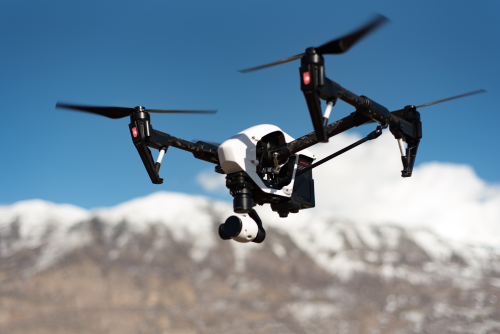
The best drones under $1,000 for beginners, travel, and everyday flying are not always the ones with the most aggressive spec sheet. The right pick is the one that matches how you actually fly: easy to pack, easy to trust, and affordable enough that you will not be afraid to use it. In this budget range, the smartest buyers prioritize portability, stability, spare battery cost, repair support, and low-regret ownership over headline features.
Quick Take
If you want one simple answer, the strongest all-around buy for most people is the DJI Mini 4 Pro. If you want the best value without paying for every premium feature, the DJI Mini 3 is still an excellent buy. If you want the cheapest honest entry into a real camera drone, look at the DJI Mini 4K or Potensic Atom (3-axis gimbal version).
Street pricing varies by country, taxes, retailer, and bundle. The models below are commonly sold under $1,000 in standard kits or sensible travel combos, but deluxe bundles can push some of them above that line.
| Drone | Best for | Why it stands out | Main tradeoff |
|---|---|---|---|
| DJI Mini 4 Pro | Best overall | Best mix of image quality, safety features, portability, and tracking | Costs more, especially once you add batteries |
| DJI Mini 3 | Best value | Strong travel camera, easy to carry, vertical shooting, lower price | Fewer safety aids and less room to grow |
| Potensic Atom (3-axis) | Best budget alternative | Very good price-to-performance for casual flying and travel | Smaller ecosystem and fewer advanced features |
| DJI Mini 4K | Cheapest “real” camera drone from a major brand | Simple, proven, and affordable for learning fundamentals | No obstacle sensing and a more basic overall experience |
| DJI Flip | Best for casual creators and family travel | Easier self-filming and more approachable close-range capture | Less versatile than a classic camera drone for wider aerial work |
| DJI Neo | Easiest grab-and-go starter | Tiny, fast to launch, low stress, very beginner-friendly | Limited in wind, range of shots, and long-term growth |
What matters most in this price range
Under $1,000, a good drone should do five things well:
- Fly predictably in normal conditions
- Capture stable footage without a lot of setup friction
- Travel easily
- Have reasonably available batteries, props, and support
- Feel like something you will still enjoy six months later
That means we are not ranking drones by megapixels alone. For most buyers, these matter more:
- Weight class: Sub-250g drones are easier to travel with and may face lighter rules in some places, but not all.
- Gimbal stabilization: A proper stabilized camera matters more than marketing claims.
- Obstacle sensing: Helpful for new pilots, but not magic.
- Battery ecosystem: Extra batteries change the ownership experience more than most first-time buyers expect.
- Controller and app friction: If setup is annoying, you will fly less.
- Repair and resale: The cheapest drone is not always the cheapest ownership path.
Best drones under $1,000
DJI Mini 4 Pro
For most buyers, this is the safest recommendation if your budget can stretch to it.
The Mini 4 Pro is the one that feels the least compromised. It is portable enough for travel, light enough to live in a day bag, and advanced enough that many owners will not outgrow it quickly. It combines strong image quality, useful subject tracking, and obstacle sensing that makes everyday flying less stressful than cheaper drones.
It is especially good for buyers who want one drone to cover weekend flying, travel content, family trips, social clips, and occasional light paid work where allowed.
Buy it if
- You want one drone to do almost everything well
- You value obstacle sensing and better tracking
- You travel often and want a capable sub-250g option
- You care about both horizontal and vertical content
Skip it if
- You are very budget-sensitive and still need batteries, storage, and a case
- You only fly occasionally and will not use the extra features
- You want the simplest possible drone for social clips rather than classic aerial shots
DJI Mini 3
The Mini 3 is the value sweet spot for a huge number of people.
If your main goal is good-looking travel footage, simple aerial photography, and a light bag, the Mini 3 covers a lot of ground without pushing you toward premium pricing. It is a more practical buy than many people assume because it keeps the parts of the experience that matter most: a stabilized camera, very good portability, and the ability to shoot the kind of clips most hobbyists actually want.
It is less feature-rich than the Mini 4 Pro, but for many beginners that is fine. You save money, reduce purchase regret, and still get a drone you can genuinely enjoy for a long time.
Buy it if
- You want strong quality without paying for every premium feature
- You mainly shoot travel, landscape, or casual family content
- You prefer a simple sub-250g drone with a proven ecosystem
Skip it if
- You specifically want stronger safety aids and smarter tracking
- You fly in tighter spaces where extra sensing matters
- You know you will quickly want the most capable mini drone available
Potensic Atom (3-axis gimbal version)
If you want a lower-cost alternative to DJI, this is one of the few models worth a serious look.
The Potensic Atom is a practical choice for buyers who want a lightweight folding drone with a real stabilized camera experience and decent everyday usability, but do not want to pay for a more premium ecosystem. For casual travel footage, practice flights, and weekend fun, it punches above its price.
The tradeoff is not just about features. It is also about ecosystem depth. Before you buy, check battery pricing, firmware support, repair options, and local retail availability in your country. A cheaper drone becomes less attractive if spare parts are hard to get.
Buy it if
- You want strong value and do not need the biggest brand ecosystem
- You want a cheap travel drone that still feels “real”
- You are comfortable being a bit more hands-on as an owner
Skip it if
- You want the broadest accessory, community, and resale support
- You care a lot about advanced tracking and safety features
- You are buying for work where support reliability matters more than upfront savings
DJI Mini 4K
This is the cheapest route into a proper camera drone from a major ecosystem, and that matters.
The Mini 4K is easy to recommend to buyers who want to learn the basics without spending heavily. You get a compact drone, a stabilized camera, GPS-based hovering, and a familiar app and accessory ecosystem. It is not flashy, but it teaches the right habits and avoids many of the frustrations that come with toy-grade drones.
For a first-time pilot, that is often more valuable than extra automation. You learn orientation, takeoff discipline, landing control, wind judgment, and framing without paying for features you may not need yet.
Buy it if
- You want the lowest-cost entry into a serious camera drone
- You are learning the fundamentals and want to keep risk low
- You want a trusted mainstream ecosystem without premium pricing
Skip it if
- You expect strong automation or obstacle avoidance
- You want the best content quality in this budget
- You already know you will want better tracking and more advanced modes soon
DJI Flip
The Flip makes sense for people who care more about easy personal content than traditional “drone enthusiast” flying.
Its appeal is simple: it feels more approachable for self-filming, casual travel use, and fast social capture than a classic open-prop mini drone. That makes it attractive for solo creators, family travelers, and people who want less setup friction and more automated shooting.
It is not the best pure aerial landscape machine here. Think of it as a creator-friendly hybrid between a camera drone and a quick-launch personal flying camera. If your footage is mostly you, your trip, your movement, and short social edits, it makes a lot of sense.
Buy it if
- You want easier self-filming and quick social content
- You travel light and value convenience over traditional drone range
- You are nervous about starting with a more exposed, conventional mini drone
Skip it if
- You mainly want classic scenic aerial video
- You want maximum flexibility for photography and more serious editing
- You expect it to replace a stronger all-purpose travel drone
DJI Neo
The Neo is the lowest-friction entry point for people who want flying to feel fun immediately.
It is tiny, fast to deploy, and much less intimidating than a conventional camera drone. That makes it great for very casual users, families, first-timers, hikers, and creators who want short clips without unpacking a full kit. It also makes sense as a second drone for people who already own a bigger travel model.
The catch is that you should buy it for what it is, not for what you hope it becomes. It is not the best scenic travel drone, not the best wind performer, and not the best option if you want polished aerial filmmaking.
Buy it if
- You want the easiest possible first drone
- You care more about convenience than classic aerial image quality
- You want something tiny for quick everyday use
Skip it if
- You want one drone to keep for years without outgrowing it
- You often fly in windy coastal or mountain environments
- You want serious travel cinematography
If you are open to used or refurbished: DJI Air 2S
If you do not need an ultra-light travel drone, a used or refurbished Air 2S can still be a smart buy.
Why even consider an older, larger drone? Because it can still deliver a more substantial flying feel, better wind confidence, and strong image quality for buyers who mostly shoot locally rather than travel internationally. It is especially appealing to hobbyists who fly from the same few sites and are less concerned with minimum bag weight.
The downsides are real:
- It is bigger and less effortless to carry
- It may trigger more regulatory hassle in many places than a sub-250g drone
- Battery age and crash history matter a lot on the used market
If you go this route, buy from a reputable refurbisher or inspect carefully.
How to choose the right one for your use case
If you are stuck between models, make the decision based on how you actually plan to use the drone.
Best for absolute beginners
Pick the drone that reduces stress, not the one that impresses your friends.
- Best overall beginner choice: DJI Mini 4 Pro
- Best cheaper beginner choice: DJI Mini 4K
- Best ultra-simple starter: DJI Neo
- Best social-first beginner pick: DJI Flip
If you are nervous about crashing, obstacle sensing and stable hover behavior matter more than theoretical camera quality. If you are nervous about wasting money, the Mini 4K is a very sensible starting point.
Best for travel
Travel buyers should prioritize these in order:
- Compact size
- Under-250g weight if possible
- Easy battery management
- Quick setup
- Reliable return-to-home and GPS performance
That points most people to:
- DJI Mini 4 Pro if you want the best travel all-rounder
- DJI Mini 3 if you want the best value travel drone
- DJI Flip if your travel content is more personal and social than cinematic
Best for everyday casual flying
If you want a drone you will throw in the car, take to the park where allowed, or fly on weekend walks, simplicity matters.
- DJI Mini 3 is the easy value winner
- Potensic Atom is strong if you want to spend less
- DJI Neo is best if “always with me” convenience matters more than shot flexibility
Best for light content work
A drone under $1,000 can absolutely be useful for content creation and some client-facing deliverables, depending on local rules and your workflow. But if you are doing repeat commercial work, support and reliability matter more than shaving the last bit off the upfront cost.
- Best choice: DJI Mini 4 Pro
- Used-value option: DJI Air 2S if local flying matters more than travel size
If you need mapping-grade repeatability, heavy-wind industrial flying, thermal imaging, or larger-sensor cinema work, this is not the right budget tier.
How to spend the budget smartly
One of the biggest mistakes buyers make is spending the whole budget on the drone body or premium controller and leaving nothing for the ownership essentials.
A smarter under-$1,000 setup usually includes:
- The drone
- At least one spare battery
- A reliable microSD card
- A simple carry case or organizer
- Spare props
- A charger or charging hub if the base kit is weak
- Optional care plan, insurance, or protection coverage if available and valuable in your market
If your choice is between the premium drone with one battery and the slightly cheaper drone with two or three batteries, the second option is often the better real-world buy.
Safety, legal, and travel checks before you fly
Even beginner and travel drones are still aircraft. Before your first flight, verify the rules that apply where you are flying.
Check these before every trip or new flying location
- National aviation rules: Registration, pilot tests, remote or electronic identification, and flight category rules vary by country.
- Local airspace and location restrictions: Parks, beaches, city centers, heritage sites, nature reserves, and event venues may have their own restrictions even if national airspace rules look permissive.
- Privacy expectations: Filming people, homes, hotels, or private property can create legal or social problems even where flying itself is allowed.
- Weather and wind: Small drones are much easier to bully around than beginners expect.
- Commercial use rules: In some jurisdictions, the purpose of the flight changes what you need to do.
For air travel
Spare lithium batteries are commonly subject to airline rules and are often required in carry-on baggage rather than checked luggage, but policies differ. Verify with your airline, departure airport, and destination country before you pack. Also confirm whether drone import, customs, or use restrictions apply at your destination.
Under 250g does not mean “no rules everywhere.” It simply means the drone may fit into a lighter regulatory bucket in some places.
Common mistakes buyers make
Buying for the spec sheet instead of the mission
A beginner who mainly wants travel memories does not need the same drone as an aspiring FPV pilot or a real estate shooter. Buy for your actual use, not your fantasy use.
Spending too much on the drone and too little on batteries
One battery turns a fun hobby into a short demo. Extra flight time changes the experience more than a slightly better headline feature.
Assuming under 250g solves compliance
It can reduce friction in some countries, but it does not erase airspace rules, local no-fly policies, privacy laws, or venue restrictions.
Choosing a social drone for landscape filmmaking
Drones like the Neo or Flip are excellent in the right role, but they are not the same as a more traditional mini camera drone.
Ignoring ecosystem strength
Firmware quality, spare parts, app stability, controller usability, and resale value matter. A slightly cheaper drone can become the worse deal if support is weak.
Buying used carelessly
If you buy refurbished or second-hand, check battery health, charging behavior, prop and arm condition, gimbal smoothness, firmware lock status, and crash history as much as possible.
FAQ
Which drone under $1,000 is best for most beginners?
For most beginners, the DJI Mini 4 Pro is the best overall choice if the budget allows. If you want to spend less, the DJI Mini 3 or DJI Mini 4K are better value starting points.
Is under 250g always the best choice?
Not always, but it is the safest default for travel and casual ownership. In many places, lighter drones are easier to manage from a compliance and packing standpoint, though you still need to verify local rules.
Do I really need obstacle sensing as a beginner?
It helps, especially for new pilots who want more confidence. But it is not a substitute for safe flying, and many people learn perfectly well on drones without it if they fly in open areas and build habits carefully.
Can a sub-$1,000 drone be used for paid work?
Yes, depending on the deliverable and the rules where you operate. Social content, simple promotional clips, local real estate visuals, and general marketing footage can be realistic, but you still need to verify the legal requirements for commercial or professional use in your jurisdiction.
Should I buy the base kit or a combo?
For most people, a sensible combo is worth it if it adds at least one or two batteries and a better charger. What is usually not worth it is stretching to the most expensive bundle if it prevents you from buying the right drone in the first place.
Is it better to buy new or refurbished?
New is lower risk and easier for first-time buyers. Refurbished can be great value if it comes from a reputable seller with clear condition grading and support, especially for older models like the Air 2S.
What if I mainly want FPV?
If you mean true manual FPV, these are mostly the wrong drones. Start with a simulator, learn the control style, and buy a purpose-built FPV setup or a beginner-friendly FPV kit rather than a standard camera drone.
How many batteries do I need?
For casual local flights, two batteries is a comfortable minimum. For travel days or learning sessions, three is usually the sweet spot before cost and packing bulk start to feel excessive.
The decision in one minute
If you want the safest all-around recommendation, buy the DJI Mini 4 Pro.
If you want the smartest value buy, choose the DJI Mini 3.
If you want the cheapest serious starter drone, go with the DJI Mini 4K or consider the Potensic Atom if support looks solid in your market.
If your priority is quick personal content and low-stress flying, the DJI Flip or DJI Neo will fit better than a traditional camera drone.
Pick the drone that matches your real flying life, not your imagined one. Then leave room in the budget for batteries, verify the rules where you fly, and start with the model you will actually want to carry and use.
