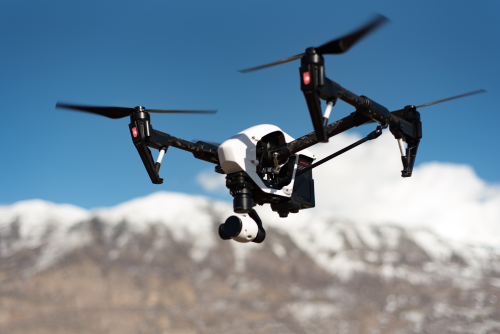
The best drones under $2,500 for beginners, travel, and everyday flying are not automatically the drones closest to $2,500. For most buyers, the right pick is the drone you will actually carry, feel confident flying, and keep using after the first month. In this budget range, the biggest difference is not raw price, but fit: weight, camera style, safety features, travel friction, and how quickly you will outgrow it.
Quick Take
If you want a short answer, these are the safest picks in this price band for most buyers. Availability, bundles, and local pricing vary by market, so always check current package contents before buying.
| Drone | Best for | Why it stands out | Main tradeoff |
|---|---|---|---|
| DJI Mini 4 Pro | Best overall for most beginners and travelers | Very portable, strong safety features, excellent video, low travel friction | More expensive than entry-level minis |
| DJI Air 3 | Best all-around upgrade path | Dual-camera flexibility, better wind performance, feels more “complete” as a daily drone | Heavier and less travel-friendly than a mini |
| DJI Mavic 3 Classic | Best camera-first choice under the ceiling | Larger sensor, stronger image quality, better for serious photo/video work | Bulkier, pricier, and overkill for many first-time pilots |
| DJI Mini 3 | Best value for casual travel and first-time flying | Light, simple, capable, easy to pack | Fewer advanced safety and tracking features |
| Autel EVO Lite+ | Best non-DJI option for camera-focused buyers | Strong image quality and a mature folding design | Support, accessories, and service vary more by region |
| Autel EVO Nano+ | Best compact non-DJI travel pick | Very small footprint with good results for its class | Smaller ecosystem and more variable local availability |
| DJI Avata 2 | Best FPV-style travel video pick | Immersive first-person-view flying and unique motion footage | Not a general-purpose photo drone |
The fast recommendation
- Buy the DJI Mini 4 Pro if you want the easiest “good decision.”
- Buy the DJI Air 3 if you know you want room to grow.
- Buy the DJI Mavic 3 Classic if image quality matters more than portability.
- Buy the DJI Mini 3 if you want strong value without overcommitting.
- Buy Autel if you want a solid alternative ecosystem and have checked local support.
- Buy the DJI Avata 2 only if you specifically want FPV-style footage, not as a default first drone.
What actually matters when buying in this budget
A lot of buyers make the wrong decision because they compare drones like phones: more money, more specs, better choice. That is not how drone ownership works.
1. Buy for your most common flight, not your dream flight
Ask yourself what you will do 80% of the time:
- weekend travel clips
- family holidays
- city breaks
- nature walks
- beach trips
- simple social content
- property photos
- light commercial photo/video work
If that sounds like your real use, you usually want portability, fast setup, predictable controls, and a camera that looks good without a complicated workflow.
If your real goal is serious commercial imaging, high-end color work, or more demanding wind conditions, a larger drone can make more sense.
2. Weight changes travel friction more than most people expect
This is one of the biggest buyer-regret factors.
Small drones, especially sub-250 g models, are easier to throw in a bag, easier to justify bringing on a trip, and in many countries may face lighter administrative requirements than heavier drones. That does not mean “no rules,” but it often means fewer headaches.
Larger drones give you:
- better wind confidence
- a bigger visual presence in the air
- more stable-feeling flight
- more serious camera options
But they also bring:
- more packing bulk
- more attention in public
- more regulatory friction in some regions
- less spontaneity
If you travel often, size matters more than spec sheets suggest.
3. Camera flexibility matters more than headline resolution
Most buyers do not need the most expensive camera in the segment. They need the camera that fits their workflow.
For example:
- A mini drone may be enough for travel reels, casual landscapes, and everyday aerial memories.
- A dual-camera drone gives you more framing options without physically flying closer.
- A larger-sensor drone helps more in difficult light, richer landscapes, and higher-end editing.
If you mostly post online, portability and ease often matter more than squeezing out the last bit of dynamic range.
4. Safety features are worth paying for
For beginners and everyday flying, the best features are often the least glamorous:
- obstacle sensing
- stable hovering
- reliable return-to-home
- good app experience
- predictable battery behavior
- a controller you enjoy using
These are the features that reduce crashes, stress, and unused gear.
5. The total kit cost matters
A drone body is not the whole purchase.
Budget for:
- at least one extra battery, ideally two
- a quality memory card
- spare propellers
- a proper charger or charging hub
- a protective case or shoulder bag
- neutral density filters if you shoot video seriously
- insurance where appropriate
- repairs or replacement parts
A cheaper drone with enough batteries is often better than a more expensive drone you can only fly once per outing.
Best drones under $2,500 for beginners, travel, and everyday flying
DJI Mini 4 Pro
The DJI Mini 4 Pro is the best overall choice for most people. It hits the sweet spot between portability, camera quality, safety features, and long-term usefulness.
Why it works so well:
- It is genuinely easy to travel with.
- It is light enough to reduce friction in many markets.
- It has strong automated safety and subject-tracking features.
- It produces footage that is more than good enough for most creators and hobbyists.
- It is beginner-friendly without being “beginner only.”
For travel, this is the drone that actually gets packed. For beginners, it is reassuring without feeling limited. For everyday flying, it is quick enough to launch that you do not talk yourself out of using it.
Where it can disappoint:
- In stronger wind, a larger drone feels more planted.
- If you already know you want commercial-grade image quality, you may outgrow it.
- It is still expensive enough that some first-time buyers may prefer a lower-risk starting point.
Buy it if
- You want one drone for travel, casual content, and regular flying.
- You want a strong first drone that still feels advanced a year later.
- You care about portability as much as image quality.
Skip it if
- You regularly fly in challenging wind.
- You want the best camera under the budget ceiling.
- You know you prefer a larger, more stable aircraft.
DJI Air 3
The DJI Air 3 is the best “grow with me” drone in this segment. If the Mini 4 Pro is the easiest recommendation, the Air 3 is the smartest upgrade choice for buyers who know they are serious.
Its biggest strength is balance:
- more capable than a mini
- less bulky than a flagship camera drone
- more flexible framing thanks to its dual-camera setup
- more confidence in wind and open environments
For travel creators, property shooters, and buyers who do not want to upgrade again too soon, the Air 3 is a very strong fit. It feels like a real step up without becoming awkward to own.
Its downsides are mostly about size and rules. It is less discreet, less toss-in-a-jacket portable, and may trigger more regulatory obligations depending on where you live or travel.
Buy it if
- You want one drone that can handle travel and more serious shooting.
- You expect to outgrow a mini quickly.
- You value dual focal lengths more than absolute compactness.
Skip it if
- You want the lightest possible travel kit.
- You mostly fly casually on vacations.
- You want the least regulatory friction possible.
DJI Mavic 3 Classic
If your first priority is image quality and you want to stay under this budget ceiling, the DJI Mavic 3 Classic is the strongest camera-first buy.
This is the drone for people who already know the difference between “good enough” footage and footage they want to grade, print, or deliver to paying clients. Its larger camera system gives it a more professional ceiling than the mini and Air lines.
Why buyers choose it:
- stronger image quality
- better low-light confidence
- more serious photo and video potential
- better fit for premium real estate, tourism, and landscape work
Why many beginners should not:
- it is bulkier
- it is closer to the “I need a reason to bring this” category
- it costs enough that crashes hurt more
- it is simply more drone than casual flyers need
This is not the best first drone for most people. It is the best first drone for the buyer who is already camera-led and knows portability is not the top priority.
Buy it if
- You care most about image quality.
- You do paid or semi-professional content work.
- You are willing to accept more size and cost for a better camera.
Skip it if
- You mostly want a travel companion.
- You are still figuring out whether drone flying will stick.
- You want the lowest-friction ownership experience.
DJI Mini 3
The DJI Mini 3 remains one of the best value buys in the market for beginners and casual travelers. It is the drone for people who want a good flying and filming experience without paying for every advanced feature.
Its strengths are simple:
- very packable
- approachable price relative to higher-tier models
- strong image quality for its class
- easier to justify as a first purchase
This is often the better buy than stretching for a more advanced drone you may not fully use. If your main use is vacations, scenic clips, family outings, and learning good flying habits, the Mini 3 does the job very well.
The tradeoff is that it does not offer the same safety net or overall capability as the Mini 4 Pro. You are buying value, not the most complete feature set.
Buy it if
- You want the best balance of cost, portability, and decent image quality.
- You are buying your first drone and want lower risk.
- You mainly shoot for fun, social media, or personal memories.
Skip it if
- You want the strongest obstacle sensing and automation.
- You already know you want advanced tracking and a longer upgrade runway.
- You frequently fly in more demanding conditions.
Autel EVO Lite+
For buyers who want a serious alternative to DJI, the Autel EVO Lite+ is still one of the more compelling options in this budget class where officially available and supported.
Its appeal is straightforward:
- folding camera-drone design
- strong still and video performance
- a more camera-forward feel than ultra-compact travel drones
- useful for buyers who prefer not to commit to DJI’s ecosystem
The most important caution is not about the aircraft itself. It is about the ownership experience in your region. Before buying, check:
- local dealer support
- battery and propeller availability
- repair turnaround
- firmware and app reliability in your country
- resale strength in your local market
If support is solid where you live, it can be a very good buy. If support is thin, the risk rises.
Buy it if
- You want a capable non-DJI drone with strong camera appeal.
- You care about image quality more than ultra-light travel.
- You have confirmed local support and parts availability.
Skip it if
- You want the most proven service network possible.
- You travel constantly and need the smallest kit.
- You have not checked accessories and repair options in your market.
Autel EVO Nano+
The Autel EVO Nano+ is the compact Autel pick for buyers who want mini-drone portability without choosing DJI.
It makes the most sense for:
- casual travel
- lighter everyday flying
- buyers who want a compact foldable drone
- users who prioritize a small bag-friendly setup
Its core strength is that it stays within the “I’ll actually bring this” category. That alone matters more than many buyers admit.
As with the Lite+, support and ecosystem depth are the key questions. A compact drone is only a great buy if you can actually get batteries, propellers, service, and app stability when you need them.
Buy it if
- You want a compact non-DJI travel drone.
- Portability is one of your top buying criteria.
- You have checked local availability and support.
Skip it if
- You want the broadest accessories and community support.
- You need the safest default recommendation.
- You expect to grow quickly into more advanced content work.
DJI Avata 2
The DJI Avata 2 is the wildcard pick in this guide. It is not a normal recommendation for beginners, but it is the right recommendation for the right kind of beginner.
This is an FPV, or first-person-view, style drone. That means the goal is immersive flight and dynamic motion, not classic hover-and-compose photography.
Why people love it:
- unique cinematic movement
- more exciting travel footage
- immersive flying experience
- easier entry into FPV-style flying than building a DIY racing setup
Why it should not be your default choice:
- it is not a general-purpose photo drone
- the workflow is different
- some locations and local rules make FPV operations more restrictive
- it rewards deliberate practice, not casual point-and-shoot habits
If your dream footage is flowing through spaces, chasing motion, and feeling “inside” the scene, the Avata 2 is worth serious consideration. If you mainly want landscapes, city overviews, and easy vacation clips, buy a camera drone instead.
Buy it if
- You want immersive video more than aerial photography.
- You are willing to practice and fly with discipline.
- You understand that FPV is a different kind of flying.
Skip it if
- You want one drone for every normal use case.
- You mainly care about still photos or simple travel shots.
- You want the easiest beginner experience.
Which drone fits which buyer?
If you want the shortest path to a decision, use this:
- Best for most people: DJI Mini 4 Pro
- Best value first drone: DJI Mini 3
- Best all-around upgrade: DJI Air 3
- Best image quality under the cap: DJI Mavic 3 Classic
- Best non-DJI larger option: Autel EVO Lite+
- Best non-DJI compact option: Autel EVO Nano+
- Best FPV-style option: DJI Avata 2
A simple rule helps: if you are torn between a mini and a larger drone, choose the one you are more likely to carry twice a week, not the one that wins on paper.
Safety, legal, and travel limits to check before you fly
No buying guide is complete without this part. Drone rules vary widely across countries, and sometimes even by region, park system, or city. Before your first flight or any trip, verify the rules that apply where you will operate.
Check these points before flying:
- whether your drone must be registered
- whether the pilot needs a certificate, competency test, or operator ID
- whether your country requires electronic identification, Remote ID, or a similar system
- altitude and line-of-sight rules
- distance limits from people, roads, buildings, and events
- controlled airspace restrictions near airports, helipads, and emergency scenes
- local restrictions in parks, beaches, heritage sites, and protected areas
- privacy and filming rules
- insurance requirements for commercial or higher-risk operations
- airline rules for carrying lithium batteries
A few practical reminders:
- Sub-250 g often means simpler rules, not no rules.
- FPV operations may require a visual observer or extra conditions in some countries.
- “Everyday flying” does not mean “safe anywhere.” Crowds, traffic, and sensitive locations still matter.
- If you are buying for work, confirm that your drone, insurance, and approvals match the job type.
When in doubt, verify with the relevant aviation authority, park authority, venue, landowner, airline, or local regulator before flying.
Common mistakes people make in this price range
Buying too much drone
A lot of people buy a large, expensive drone for “future potential” and then leave it at home. If you want a drone for real life, not fantasy life, portability matters.
Spending all the budget on the aircraft
If you cannot afford extra batteries, storage, and basic accessories, you are not really done buying.
Assuming sub-250 means no legal responsibility
Even the smallest drones can create safety, privacy, and airspace problems. Always verify the rules.
Chasing camera specs instead of workflow
A better camera does not help if you hate carrying the drone, do not enjoy flying it, or never practice.
Ignoring local support
A drone with weak regional service can become a frustrating ownership experience fast.
Buying an FPV-style drone as your only drone
Unless immersive flying is your main goal, most people are better served by a traditional camera drone first.
FAQ
Is $2,500 too much for a first drone?
Usually, yes. Most first-time buyers do not need to spend near the ceiling. A Mini 3, Mini 4 Pro, or Air 3 is enough for the vast majority of beginners. Spend the rest on batteries, practice, and accessories.
Is a sub-250 g drone always the best travel option?
Often, but not always. It helps with portability and may reduce administrative friction in some places. But if you travel to windy coastlines, mountains, or open rural areas often, a larger drone may be the better real-world tool.
Which is better for travel creators: DJI Mini 4 Pro or DJI Air 3?
Choose the Mini 4 Pro if portability and lower travel friction are your priorities. Choose the Air 3 if you want more framing flexibility, stronger wind performance, and a drone you are less likely to outgrow quickly.
Can I use these drones for paid work?
Often yes, but the answer depends on local law, airspace, insurance, and operational limits. In many places, the rules depend on weight, location, and risk level, not just whether you are being paid. Verify commercial requirements before accepting work.
Do I really need extra batteries?
Yes. One battery is rarely enough for learning, travel, or content sessions. Two extra batteries is a practical starting point for most buyers.
Is the DJI Avata 2 a good beginner drone?
It can be a good beginner FPV-style drone, but it is not the best all-purpose beginner drone. If you want easy travel photos and normal aerial video, start with a traditional camera drone instead.
Should I buy new or refurbished?
Refurbished can be a smart buy if it comes from an official or trusted source, includes a warranty, and has clearly described battery and condition information. It is a good way to stretch budget without jumping to a riskier used purchase.
What if I want mapping, thermal, or inspection work?
This guide is not aimed at specialized enterprise jobs. If you need thermal imaging, survey-grade mapping, or advanced automation, verify payload, software, and compliance requirements first. Those workflows often push you into a different class of drone and budget.
Final decision
If you want the safest all-around answer, buy the DJI Mini 4 Pro. If you want more capability and know you will keep flying, buy the DJI Air 3. If image quality is the whole point, buy the DJI Mavic 3 Classic. Then use the rest of your budget on batteries, safe practice, and the legal checks that keep your drone useful instead of grounded.
