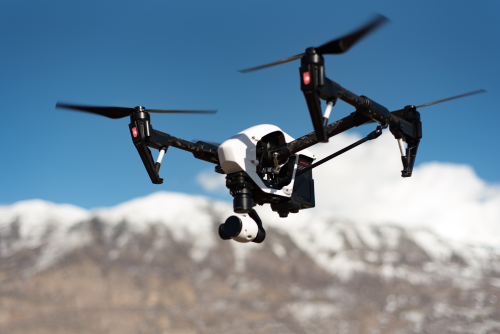
The best drones under $200 for beginners, travel, and everyday flying are not all solving the same problem. Some are low-risk indoor trainers, some are lightweight travel drones built for quick social clips, and some are outdoor learners with GPS that make first flights less stressful. If you shop this budget by box claims alone, especially big camera-resolution numbers, you can easily end up with a drone that sounds better than it flies.
Quick Take
If you want the short answer, this is the most practical way to shop the under-$200 range:
- Best overall for most beginners and travel creators: DJI Neo
- Best outdoor starter if you want GPS help: Holy Stone HS175D
- Best indoor learning drone: Ryze Tello
- Best ultra-cheap first drone for pure practice: Potensic A20
- Best FPV starter under $200: BetaFPV Cetus Lite Kit
- Best value if you are open to used gear: DJI Mini SE or Mini 2 on the second-hand market
One important reality check: under $200 is enough to learn, have fun, and get some usable clips, but it is not the sweet spot for polished aerial cinematography when buying new. If image quality is your top priority, a careful used buy often beats a brand-new bargain drone.
What to expect from a drone under $200
This budget works best when you choose the right lane.
What these drones do well
A good sub-$200 drone can help you:
- learn basic stick control
- practice takeoff, landing, hovering, and orientation
- fly casually in a backyard, open field, or travel stop
- capture simple clips for social media
- test whether drone flying is a hobby you actually want to pursue
- learn FPV without jumping straight into a more expensive setup
Where this budget usually falls short
Most drones in this range will have at least one of these limits:
- weaker wind performance
- short real-world flight time
- basic or inconsistent app experience
- no obstacle sensing
- limited repair support
- camera quality that looks fine on a phone but less impressive on a bigger screen
- “4K” marketing that matters less than stabilization and flight smoothness
The three smart ways to spend this budget
For most buyers, the smartest under-$200 purchase falls into one of these camps:
-
Indoor trainer – safest place to learn – best for kids, apartments, and nervous first-time pilots
-
Outdoor beginner drone with GPS – better for parks, open fields, and everyday casual flying – GPS helps the drone hold position and return home more reliably
-
Used older premium mini drone – best chance of getting better footage – more buying risk, but often the strongest value if you inspect carefully
Best drones under $200 at a glance
| Drone | Best for | Why it stands out | Biggest compromise | Budget fit |
|---|---|---|---|---|
| DJI Neo | Beginners, travel, quick content | Very easy to use, compact, low-friction flying | Advanced accessories can push total cost above budget | New |
| Holy Stone HS175D | Outdoor learning | GPS-assisted flight makes first outdoor sessions easier | Camera and app experience are budget-level | New |
| Ryze Tello | Indoor practice, education, first flights | Friendly learning curve and proven beginner appeal | Older platform, weak in wind | New or remaining stock |
| Potensic A20 | Lowest-risk first drone | Cheap, small, forgiving, easy to practice with | Not a serious camera drone | New |
| BetaFPV Cetus Lite Kit | FPV basics | Complete FPV entry path in one box | Different learning curve from camera drones | New |
| DJI Mini SE / Mini 2 | Best footage under this budget if used | Better overall flight and camera feel than most cheap new drones | Condition, batteries, and support depend on seller | Used |
The best picks by buyer type
DJI Neo: best overall under $200 for beginners and travel
If the goal is easy flying with minimal setup, DJI Neo is the strongest all-round answer in this price band. It makes sense for travelers, family users, and casual creators who want something lighter and simpler than a traditional camera drone.
What makes it appealing is not just the size. It is the low-friction workflow. You can get in the air quickly, use simple controls, and capture clips that look more polished than what most cheap toy-grade drones manage.
This is the under-$200 drone for people who want:
- simple setup
- easy travel packing
- quick launch for short clips
- a better chance of usable stabilized footage
- a beginner-friendly path into the DJI ecosystem
The biggest catch is cost creep. The base drone can fit the budget, but if you start adding a dedicated controller, extra batteries, or other accessories, the total can move past $200 fast.
Buy DJI Neo if:
- you want the easiest path from unboxing to flying
- you care about portability
- you want casual travel footage more than long technical flights
- you prefer a modern, well-known ecosystem
Skip DJI Neo if:
- you want long flight sessions in windy places
- you expect the control feel of a full-size camera drone without extra accessories
- you want the best value per dollar for pure outdoor practice
Holy Stone HS175D: best outdoor beginner drone with GPS
If your mental picture of drone flying is weekend flights in an open field, a GPS-based beginner drone makes more sense than a tiny indoor model. In this category, Holy Stone’s HS175D is one of the more practical budget picks.
GPS matters because it helps the drone hold position more steadily outdoors and supports return-to-home style safety features. That makes early flights less chaotic, especially for people who are still learning orientation and throttle control.
The HS175D is a better fit than many toy-grade drones when you want:
- outdoor practice
- foldable travel convenience
- a more traditional controller-based experience
- less drift and more confidence than non-GPS minis
The tradeoff is that this is still a budget drone. Expect a learning platform first and a camera tool second. It can be good for daylight fun and basic clips, but it is not a substitute for a higher-tier camera drone.
Buy the HS175D if:
- you want GPS-assisted outdoor learning
- you want a controller in the box
- you care more about flight confidence than premium footage
- you want something more serious than a living-room mini drone
Skip it if:
- your main goal is polished aerial video
- you mostly fly indoors
- you want the strongest app ecosystem and long-term accessory path
Ryze Tello: best indoor learning drone
Ryze Tello has been around for a while, but it still deserves a place in this conversation because it solves a very specific beginner problem well: learning to fly without turning every mistake into a crash into a tree or a parking lot.
Tello is best thought of as a trainer drone, not a cheap substitute for a proper travel camera drone. It is small, approachable, and easier to use in calm indoor spaces than most outdoor-first drones.
Why people still like it:
- gentle learning curve
- small enough for indoor practice
- useful for teaching orientation and control basics
- approachable for families, students, and supervised younger pilots
It also has a niche in education and coding-based learning, which makes it a smarter buy than many random low-cost marketplace drones.
The downside is age. In some regions, stock and battery freshness may vary. And outdoors, especially in wind, it quickly shows its limits.
Buy Tello if:
- you want a true beginner trainer
- you live in an apartment or want indoor practice first
- you care more about learning than camera specs
- you want a low-stress first drone
Skip it if:
- you mainly want outdoor flying
- you expect strong wind handling
- you want a modern travel content tool
Potensic A20: best ultra-cheap first drone for pure practice
For some buyers, the smartest answer is not “the best under-$200 drone.” It is “the cheapest safe drone that teaches the basics before spending more later.”
That is where the Potensic A20 fits. It is a tiny practice drone that is good for:
- first hover attempts
- learning stick inputs
- indoor family use
- low-risk gift buying
- deciding whether a more expensive drone is worth it
This is the right kind of purchase for someone who is nervous about crashing, buying for a child, or simply wants to learn the feel of drone movement before moving up.
The key is to buy it with the right expectations. The A20 is not a serious content drone. It is a low-cost skills trainer. In that role, it makes sense.
Buy the A20 if:
- you want to spend as little as possible to learn basics
- you want prop-guarded indoor practice
- you are buying for a younger beginner with supervision
- you would rather outgrow a cheap drone than break an expensive one
Skip it if:
- you want outdoor everyday flying
- you care about camera output
- you want a drone that will still feel satisfying after your first few weeks
BetaFPV Cetus Lite Kit: best FPV starter under $200
FPV means first-person view flying through goggles, and it is a different hobby lane from casual camera drones. If that is the direction you want to go, a cheap camera drone is often the wrong buy. A starter FPV kit makes more sense.
The BetaFPV Cetus Lite Kit is one of the clearest entry points because it keeps the barrier low. You get the core pieces in one package and can start learning the basic FPV rhythm without building a drone from parts.
This is best for buyers who want:
- the FPV feel, not just aerial selfies
- a beginner entry point into goggles flying
- a lower-cost practice setup
- a training path before upgrading to stronger FPV gear
The limitation is simple: this is not a scenic travel camera drone. It is for skill-building and fun. FPV also has a steeper learning curve, and many people benefit from simulator practice before flying in tighter spaces.
Buy the Cetus Lite Kit if:
- you are specifically interested in FPV
- you want an all-in-one entry package
- you want to learn a different flying style than typical GPS drones
Skip it if:
- you actually want stabilized landscape footage
- you mainly want travel convenience and simple social clips
- you have no interest in goggles-based flying
Used DJI Mini SE or Mini 2: best value if you can buy carefully
If your real question is, “What gets me the best footage and the most ‘real drone’ feel under $200?” the strongest answer may be used, not new.
Older DJI Mini models, especially the Mini SE or sometimes the Mini 2, can dip into this budget depending on region, condition, battery count, and seller urgency. When that happens, they often outperform most brand-new budget drones in the areas that matter most:
- flight confidence
- GPS behavior
- controller feel
- camera stability
- overall polish
This route is not for everyone. You need to inspect carefully and ask smarter questions than “does it turn on?”
Check these things before buying used:
- Battery condition and age
- Gimbal behavior and camera stability
- Charging accessories included
- Physical cracks near arms, motors, and landing points
- Controller pairing and account or activation issues
- Error messages in the app
- Replacement battery cost in your market
Buy used DJI if:
- footage matters more than getting the newest model
- you are comfortable inspecting used gear
- you want the best overall value, not the simplest purchase
Skip it if:
- you want zero buying risk
- you do not know how to test a used drone
- replacement batteries or repairs would blow your budget
How to choose the right one in 5 steps
1. Decide where you will fly most
This is the first filter.
- Mostly indoors: Ryze Tello or Potensic A20
- Mostly outdoors: Holy Stone HS175D or a used DJI Mini
- Mostly travel and short creator clips: DJI Neo
A lot of buyers get this backward and end up with an indoor-friendly drone they try to force into windy outdoor use.
2. Decide whether you care more about flying or footage
If you mainly want to enjoy flying, you can safely choose a cheaper practice-focused drone.
If you mainly want better-looking clips, look at:
- DJI Neo for the easiest new option
- a used DJI Mini SE or Mini 2 for maximum value
- a GPS-based beginner drone only if you accept the footage limits
3. If you want outdoor flying, prioritize GPS over headline camera specs
On budget drones, a “4K” badge is often less important than:
- stable hovering
- decent return-to-home behavior
- reliable controller link
- predictable handling
For everyday outdoor flying, GPS is usually the better quality-of-life feature.
4. Save part of the budget for the real essentials
Do not spend the full amount on the drone and ignore the basics.
At minimum, budget for:
- at least one spare battery if available
- extra propellers
- a storage case or safe carry pouch
- prop guards if the model supports them and you will learn indoors
5. Check support before you buy
A cheap drone with no batteries, no replacement props, and a weak app is not a bargain.
Before buying, verify:
- battery availability
- spare prop availability
- controller support
- app compatibility with your phone
- warranty or seller return policy in your region
Common mistakes people make with under-$200 drones
Buying the highest camera number instead of the best flyer
A stable 1080p or modest 2.7K-looking result can beat shaky “4K” every time. Smooth flight and reliable hovering matter more than the number on the box.
Choosing a non-GPS drone for outdoor wind
If you want park or travel flying, GPS is usually worth more than extra gimmick modes.
Ignoring accessory creep
A drone might seem cheap until you add:
- batteries
- charger
- case
- controller
- replacement props
This is especially relevant with models where the base package is inexpensive but the full usable kit is not.
Assuming sub-250g means no rules
Weight thresholds matter in many countries, but they are not universal free passes. Registration, competency tests, location restrictions, privacy rules, and park bans can still apply.
Buying used without checking the batteries
On older drones, the drone itself may be fine while the batteries are the real problem. Dead or swollen batteries can turn a “deal” into an expensive mistake.
Buying FPV when you really wanted a camera drone
These are different experiences. FPV is about flying immersion and skill. A beginner camera drone is about stability, convenience, and simple footage.
Safety, legal, and travel limits to know
Even a cheap beginner drone is still an aircraft in many regulatory systems. Before flying, verify the rules that apply in your location.
What to verify before you fly
Check with the relevant aviation or local authority for:
- registration requirements
- operator age or competency rules
- airspace restrictions near airports or sensitive areas
- park, beach, or municipal drone bans
- privacy and filming restrictions
- whether commercial use is treated differently from hobby use
Good operating habits that matter everywhere
Whatever country you are in, these are sensible baseline rules:
- fly in open areas away from people and traffic
- keep clear of airports, helipads, emergency scenes, and critical infrastructure
- do not fly over crowds
- respect wildlife and local residents
- keep the drone within line of sight unless local rules explicitly allow otherwise
- treat return-to-home as a backup, not a guarantee
Travel-specific reminders
If you travel with a drone, verify before the trip:
- airline battery rules
- whether batteries must stay in carry-on baggage
- local import or customs sensitivity around drones
- park and heritage-site restrictions
- whether the destination has additional permit requirements for visitors
A lightweight travel drone is convenient, but travel is exactly where people most often assume rules are simpler than they are.
FAQ
Is a drone under $200 actually worth buying?
Yes, if you buy for the right purpose. Under $200 is a good range for learning, casual flying, travel convenience, or starting FPV. It is a weaker range for buyers expecting premium footage and long-term professional use.
What is the best under-$200 drone for a complete beginner?
For the easiest overall experience, DJI Neo is the best fit. For low-risk indoor skill building, Ryze Tello or Potensic A20 makes more sense.
Can I get good aerial video under $200?
You can get usable clips, especially in good light and calm conditions. But if “good” means polished, cinematic, and consistently stable, the used market often gives better value than brand-new budget drones.
Should I buy a new budget drone or a used older premium drone?
Buy new if you want simplicity, warranty support, and lower inspection risk. Buy used if you want stronger flight quality and better footage, and you know how to check batteries, gimbal behavior, and overall condition.
Is FPV possible under $200?
Yes. Starter kits like the BetaFPV Cetus Lite are a practical way to begin FPV without overspending. Just know that FPV is a different path from standard beginner camera drones.
Are small drones legal everywhere?
No. Rules vary by country and sometimes by city, park, or site. Even very light drones may still face registration, airspace, privacy, or restricted-location rules. Always verify locally before flying.
What accessories should I buy first?
For most beginners, the first smart buys are:
- a spare battery
- extra propellers
- a safe storage case or pouch
- prop guards for indoor practice, if supported
How long will a cheap beginner drone stay useful?
That depends on why you bought it. A mini indoor trainer may feel limited after a few weeks, but it can still be useful for practicing control. A lightweight travel drone or used premium mini can stay useful much longer if your expectations match the tool.
The smart buy depends on your real goal
If you want the easiest new-buy recommendation, choose DJI Neo. If you want a budget outdoor learner, choose a GPS model like the Holy Stone HS175D. If you want a safe indoor trainer, go with Ryze Tello or Potensic A20. If you want FPV, start with BetaFPV Cetus Lite. And if your real priority is better footage, the smartest move may be to buy a used DJI Mini carefully instead of chasing flashy specs on a cheap new drone.
