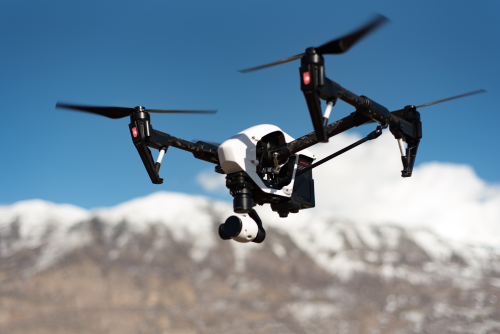
If you are shopping for the best drones under $200 for mapping, inspection, and small business work, the first truth is the most important one: this budget buys learning tools, backup drones, and lightweight content capture platforms more often than it buys true professional aircraft. That does not make the category useless. It just means you need to buy for realistic outputs, not marketing claims.
For rough site awareness, social content, basic progress documentation, and workflow training, a few drones in this price band can be worth it. For accurate maps, high-risk inspections, or client deliverables that need repeatability, a sub-$200 drone is usually the wrong tool.
Quick Take
- For most buyers, the best new sub-$200 option is the DJI Neo if it is still within budget in your region.
- The best value for real-world small business use is often a used or refurbished DJI Mini 2 or DJI Mini SE, if you can find one from a reputable seller inside budget.
- For inspection-style shooting, a used Parrot Anafi can be surprisingly useful because of its camera angle flexibility, but it is an older platform and you must check battery health and app compatibility.
- For indoor practice and team training, the Ryze Tello is still one of the safest low-cost ways to build stick skills.
- If your real goal is mapping, measurement, or repeatable asset inspection, saving for a better drone is usually smarter than buying twice.
Key points before you buy
| Drone | Best for | Buy new or used | Main strength | Main limitation |
|---|---|---|---|---|
| DJI Neo | Easy solo capture, quick business clips, basic site awareness | Usually new | Very accessible, portable, simple to operate | Not a mapping drone, limited in wind and high-detail inspection |
| DJI Mini 2 or Mini SE | Best value for serious beginner business use | Usually used/refurbished | More traditional camera drone experience, better flight confidence | Used-market condition varies, still limited for mapping |
| Parrot Anafi | Low-cost visual inspection experiments | Usually used | Flexible camera angle helps with building views | Older ecosystem, battery and app checks are essential |
| Potensic Atom SE | Budget alternative if found under budget | New on discount or refurb | Good entry-level GPS flying from a known budget brand | Feature set and long-term support still below stronger ecosystems |
| Ryze Tello | Indoor training, school/team practice, flight basics | New | Cheap, simple, low-risk trainer | Not suitable for serious business deliverables |
What a drone under $200 can realistically do
This is where many buyers go wrong. A drone under $200 can be useful, but only if you define the job correctly.
Jobs this budget can handle reasonably well
- Basic aerial photos for internal planning
- Short social clips for a local business
- Simple progress documentation on small sites
- Roofline or property context shots from a safe, open position
- Indoor flight practice and pilot training
- Travel and tourism content for small brands
- Backup drone use when your main aircraft is unavailable
Jobs this budget usually cannot handle well
- Survey-grade or engineering-grade mapping
- Accurate orthomosaics for measurement
- Detailed infrastructure inspection
- Thermal, zoom, or industrial inspection workflows
- Windy coastal, mountain, or urban canyon environments
- Long-duration repeat missions
- High-stakes client work where reshoots are expensive
If a client expects measurable outputs, repeatable mission paths, or dependable image quality in mixed weather, do not let a low purchase price trick you into a high-cost mistake.
Why mapping is the hardest promise in this price range
Mapping sounds simple because many low-cost drones advertise GPS and 4K video. But useful mapping needs more than that.
For real map generation, you typically need:
- Stable, repeatable flight paths
- Reliable GPS hold
- Consistent image overlap
- A camera that does not distort heavily or wobble unpredictably
- Good enough geotagging for software to align images
- Enough battery endurance to cover the area
- Sometimes waypoint or mission-planning support
Most drones under $200 miss at least three of those requirements. That means they may help you create rough visual overviews, but they are rarely dependable for measurement-based outputs.
A good rule: if the map will influence money, safety, construction decisions, legal boundaries, or reporting, do not trust a drone in this budget unless you have already validated the whole workflow and accepted the limits.
The best drones under $200 for mapping, inspection, and small business work
DJI Neo
For many buyers, the DJI Neo is the most sensible new option at this budget ceiling because it gives you a more polished flying and app experience than most bargain-bin drones.
Why it stands out
- Extremely easy to launch and use
- Compact enough to carry daily
- Good for short-form content, quick site clips, and simple visual documentation
- Backed by a stronger consumer ecosystem than many no-name budget brands
- Useful as a training step into a larger DJI workflow
Best fit
- Solo creators
- Small business owners who need occasional aerial content
- Teams that want a low-cost backup aircraft
- Beginners who value ease of use over raw spec chasing
Where it helps in business
- Capturing a quick exterior view of a storefront, venue, or site
- Producing social content for hospitality, tourism, or local services
- Documenting simple before-and-after progress
- Practicing preflight routines and visual line of sight discipline
Limits to know
- Not built for accurate mapping
- Not ideal for high-wind environments
- Not a substitute for a more stable camera platform on serious inspection work
- Limited value if your real need is zoom, thermal, or mission planning
Buy it if
You want the safest low-cost path into a real camera drone ecosystem and your deliverables are light-duty.
Skip it if
You think “easy to fly” automatically means “good for surveying or commercial inspection.”
Used DJI Mini 2 or DJI Mini SE
If you can find one in good condition, this is often the smartest sub-$200 buy for people who want a more conventional camera drone for small business use.
Why it stands out
- More mature flight behavior than many ultra-cheap drones
- Better chance of getting usable photos and smoother footage
- Broad community knowledge, accessories, and troubleshooting help
- Much more credible stepping stone toward real client work than toy-class options
Best fit
- Buyers willing to shop used carefully
- Real estate assistants
- Small contractors
- Landscapers, roofers, and site supervisors who need overview imagery
- Beginners who want one drone they will not outgrow in a week
Where it helps in business
- Property overview shots
- Open-site progress photos
- Basic marketing content
- Internal planning and communication
- Travel or tourism content for small brands
Limits to know
- Used batteries can be the real cost surprise
- Older drones may have cosmetic damage, hidden hard landings, or account issues
- Still not a true mapping platform at this budget
- You must verify app support for your phone and region
Buy it if
You want the best chance of getting stable, usable results on a low budget and are comfortable inspecting a used drone carefully.
Skip it if
You need warranty confidence, latest features, or you cannot tolerate used-market risk.
Used Parrot Anafi
The Parrot Anafi remains one of the most interesting used-market finds for visual inspection experiments because of its flexible camera angle and compact design.
Why it stands out
- Camera movement is useful for looking upward at structures
- Foldable and portable
- Can suit low-budget roofline, facade, and building-context viewing better than many cheap drones
- Feels purpose-driven rather than toy-like
Best fit
- Buyers specifically interested in low-risk visual inspection tasks
- Building survey learners
- Creators who want unusual camera angles
- Operators who understand the tradeoffs of older platforms
Where it helps in business
- Exterior building context
- Basic facade reviews from safe stand-off distances
- Roofline visibility from open areas
- Marketing visuals around architecture and property
Limits to know
- Older batteries may be degraded
- App compatibility must be checked before purchase
- Support ecosystem is less future-proof than larger current platforms
- Not a low-risk choice for mission-critical work
Buy it if
You specifically want the inspection-style camera angle flexibility and you can verify condition before money changes hands.
Skip it if
You want the simplest ownership experience or you need a platform with stronger long-term support confidence.
Potensic Atom SE
If you can find the Potensic Atom SE discounted or refurbished into the sub-$200 range, it is one of the more credible non-DJI budget options to consider.
Why it stands out
- Potensic is more established than the random private-label brands crowding marketplace listings
- GPS-based flight makes it a better learning platform than toy drones
- Portable design suits travel and creator workflows
- Often positioned as a more serious beginner drone, not just a novelty purchase
Best fit
- First-time buyers who cannot find a good used DJI
- Casual business owners who need occasional footage
- Travel creators on tight budgets
- Users who want something more structured than a toy drone
Where it helps in business
- Social media clips
- Property overview shots
- Light-duty site documentation
- Learning camera drone workflow before upgrading
Limits to know
- The “budget brand ceiling” is still real
- Reliability, app polish, and resale confidence typically lag stronger ecosystems
- Not a mapping-first platform
- Support and spare-part convenience vary by market
Buy it if
A reputable seller offers it clearly under your budget and you want a new drone rather than a used one.
Skip it if
You are choosing between this and a well-kept used DJI at a similar price.
Ryze Tello
The Ryze Tello is not a serious commercial work drone, but it is still one of the best under-$200 buys if your true goal is learning.
Why it stands out
- Cheap, simple, and widely understood
- Good for indoor practice
- Less intimidating for new pilots and team training
- Helpful for basic flight control habits before moving to a larger aircraft
Best fit
- Absolute beginners
- Schools, clubs, and training programs
- Businesses that want staff to learn basic control logic
- Indoor flying practice
Where it helps in business
- Staff orientation and training
- Practice in controlled indoor spaces where allowed and safe
- Learning shot planning, movement discipline, and battery routines
Limits to know
- Not suitable for serious outdoor commercial use
- Camera capability is limited
- No one should buy it expecting mapping or inspection output
- Wind and range constraints are significant
Buy it if
You want a low-cost trainer and you understand that is what it is.
Skip it if
You need client-facing results.
Which one should you actually buy?
For most readers, the decision is simpler than it looks.
Choose DJI Neo if
- You want an easy, new drone
- Your work is light-duty content capture
- You value convenience and portability
- You are buying for marketing, travel, or basic visual documentation
Choose a used DJI Mini 2 or Mini SE if
- You want the best value under $200
- You care more about flight quality than flashy ads
- You need something that feels closer to a real camera drone
- You can shop used carefully
Choose a used Parrot Anafi if
- Inspection-style viewing matters more than ecosystem polish
- You know how to evaluate older hardware
- You specifically want the camera-angle flexibility
Choose Potensic Atom SE if
- You cannot find a trustworthy used DJI
- You want a new purchase with a simpler buying process
- The deal is strong enough to justify it
Choose Ryze Tello if
- Training matters more than output
- You want safe, low-cost practice
- You are not buying for client work
The hidden costs that make “cheap” drones expensive
The drone price is only part of the buying decision. With a sub-$200 drone, the accessories and reliability gaps matter even more.
Factor in:
- At least one spare battery
- Extra propellers
- A proper charger
- A decent memory card if required
- A carrying case
- Replacement prop guards if the model uses them
- Time lost to unstable apps or poor connection quality
- Possible need to upgrade sooner than expected
A cheap drone that cannot reliably deliver the shot can cost more than a better drone once travel time, reshoots, and client trust are involved.
How to evaluate a used drone before you buy
If you want the best sub-$200 value, the used market is often where the real answer lives.
1. Verify battery condition
Ask about battery age, storage habits, swelling, and real flight time. Older batteries can destroy an otherwise good deal.
2. Check app and phone compatibility
An older drone is useless if the required app no longer works well on your phone or operating system.
3. Inspect the airframe closely
Look for cracked arms, motor roughness, shell separation, stripped screws, or signs of a hard crash.
4. Test hover and GPS lock
A drone that drifts, struggles to hold position, or takes too long to lock satellites may become frustrating fast.
5. Confirm return-to-home and controller function
Do not assume core safety functions work just because the drone powers on.
6. Ask whether it is bound, activated, or account-locked
Ownership or activation issues can turn a bargain into a brick.
7. Prefer reputable refurbishers or local sellers who allow testing
This matters more than saving the last few dollars.
Safety, legal, and compliance limits before using any of these for business
Even inexpensive drones can create expensive problems if you use them carelessly or commercially without checking the rules.
Before flying for work, verify:
- Whether your country requires pilot certification, registration, or operator identification
- Whether the drone’s weight class changes your obligations
- Whether remote identification or electronic conspicuity rules apply where you operate
- Whether you need permission for controlled or restricted airspace
- Whether local privacy, filming, or property rules limit what you can capture
- Whether your client contract or insurer expects specific pilot qualifications or procedures
Also remember:
- Never use a low-cost drone to justify unsafe proximity to roofs, power lines, vehicles, crowds, or active worksites.
- “Sub-250g” does not automatically mean “no rules.”
- Paid work usually raises the compliance bar, even when the drone is small.
If you are unsure, verify with the relevant aviation authority and local site owner before you fly.
Common mistakes buyers make in this category
1. Buying for the ad copy instead of the workflow
“4K,” “GPS,” and “smart flight” do not equal mapping or inspection capability.
2. Expecting business reliability from a toy-class drone
A drone that is fine for a park flight may fail the moment a client is waiting.
3. Ignoring battery health on used deals
A used drone with weak batteries can be worse than a simpler new one.
4. Choosing max resolution over flight stability
Sharp footage means little if the aircraft cannot hold position or survive mild wind.
5. Treating cheap drones as roof-inspection shortcuts
A low-cost drone does not remove the need for safe stand-off distance, site assessment, and conservative flying.
6. Assuming mapping software can fix weak source data
Bad overlap, poor geotags, or inconsistent imagery usually stay bad.
7. Forgetting the upgrade path
If your real business goal is recurring paid work, buying the cheapest possible drone may delay the right purchase.
When you should skip this budget entirely
You should not buy a drone under $200 for professional work if any of these are true:
- You need measurable maps or volumetrics
- You want thermal or zoom inspection capability
- You will fly in wind often
- You need repeatable client deliverables
- You operate around complex structures regularly
- You cannot afford downtime or reshoots
- Your work has insurance, compliance, or contractual scrutiny
In those cases, saving longer is usually the more economical decision.
FAQ
Can a drone under $200 do real mapping?
Usually only in a very rough visual sense. For accurate orthomosaics, measurements, or repeatable survey outputs, this budget is typically too low.
Is a used DJI better than a new cheap drone?
Often yes. A well-kept used DJI Mini 2 or Mini SE is usually a better real-world tool than a brand-new no-name drone, provided the battery and app support check out.
What matters most for inspection work on a cheap drone?
Flight stability, clear image quality, dependable control link, and safe stand-off operation matter more than headline resolution. Camera angle flexibility can also help.
Do I need a license or registration to use a sub-$200 drone for business?
Possibly. Rules vary by country and by drone weight, use case, and airspace. Always verify with your local aviation authority before flying commercially.
Is the DJI Neo good for small business work?
Yes, for light-duty work like marketing clips, quick site visuals, and beginner-friendly operation. No, if you need precise mapping, detailed inspection, or windy-environment reliability.
Should I buy extra batteries or save that money toward a better drone?
If the drone already fits your workflow, extra batteries help. If the drone only sort of fits your workflow, saving toward a better platform is often smarter.
Are budget drones good for roof inspections?
Only for low-risk visual context from safe positions, and only where legal and appropriate. They are not a replacement for proper inspection methods, pilot judgment, or site safety planning.
What is the safest first step if I want to offer drone services later?
Buy a stable beginner drone, learn disciplined flight habits, understand local rules, and practice producing consistent outputs. For many people, that means starting with a used Mini-class drone rather than chasing the cheapest new listing.
Final decision
If you want the best drone under $200 for real-world use, buy with brutal honesty about the job. For most people, that means choosing a DJI Neo for easy new-buy convenience, a used DJI Mini 2 or Mini SE for the best overall value, or a used Parrot Anafi only if inspection-style camera angles matter enough to accept an older platform.
If your business truly depends on mapping accuracy, dependable inspection results, or repeatable client deliverables, the best sub-$200 decision may be not buying yet. Save longer, buy once, and avoid turning a bargain drone into an expensive limitation.
