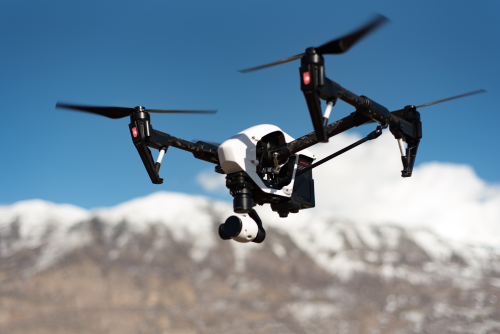
If you’re shopping for the best drones under $300 for mapping, inspection, and small business work, the key is separating useful tools from cheap toys. At this budget, a few drones can absolutely help with site overviews, roof quote photos, progress updates, and social content, but they will not replace a true survey or enterprise inspection platform. The smartest buy is usually the one that gives you stable flight, predictable footage, and a clean upgrade path, not the one promising “8K” on the box.
Quick Take
For most buyers, the best drone under $300 for light business use is usually a DJI Mini 4K or DJI Mini 2 SE if you can find one within budget in your region, especially new on sale or refurbished from a trusted source. If you want a lower-cost alternative, the Potensic Atom SE is one of the more credible options. If your work is more about ultra-fast deployment, close-range visual documentation, and creator-style clips, the DJI Neo is worth a look.
Here’s the short version:
| Drone | Best for | Why it makes sense | Biggest limit |
|---|---|---|---|
| DJI Mini 4K / DJI Mini 2 SE | Best overall starter for business use | Stable flight, mature ecosystem, good beginner-to-paid-work bridge | Not a true production mapping platform |
| Potensic Atom SE | Best value alternative | GPS-stabilized, portable, often competitively bundled | Thinner ecosystem and support than DJI |
| DJI Neo | Best for fast, close-range visual documentation | Tiny, easy to deploy, less intimidating around small sites | Limited wind and detail-capture ability |
| Ryze Tello | Best for training, not serious field work | Cheap way to learn control basics indoors | Not suitable for real inspection or outdoor business jobs |
Key points before you buy
- Under $300, think visual documentation first, precision mapping second.
- For paid work, flight stability and camera consistency matter more than flashy marketing specs.
- A sub-250 g drone can reduce rule friction in some places, but it does not automatically make you exempt from aviation rules.
- If you need survey-grade maps, thermal imaging, zoom inspection, or repeatable automated missions, this budget is usually too low.
- Refurbished or used from a reputable seller often beats a brand-new no-name drone.
What a sub-$300 drone can realistically do
The phrase “mapping, inspection, and small business work” covers very different jobs.
What these drones are good at
A good sub-$300 drone can help with:
- Roof quote photos from a safer stand-off distance
- Construction or landscaping progress overviews
- Real estate teaser clips
- Hotel, tourism, or venue social content
- Farm, property, or site awareness shots
- Before-and-after documentation for trades
- Learning safe client workflow before upgrading
That is real value. A small contractor, creator, or solo operator can absolutely earn back a budget drone if the work is simple and expectations are clear.
What these drones are not good at
Most drones in this price band are poor choices for:
- Survey-grade orthomosaics
- Accurate volumetrics or measurement deliverables
- Thermal inspection
- Utility, tower, or industrial close-detail inspection
- Strong-wind operations
- Large or repeatable automated mapping missions
- High-end client deliverables where consistency is critical
In other words, a sub-$300 drone is usually best for seeing, not measuring.
The mapping reality check
A lot of buyers hear “mapping” and assume any drone that takes photos from above can produce a usable map. That is only partly true.
For rough internal reference, learning photogrammetry workflow, or capturing manual image sets over a small area, a budget drone can help. But reliable mapping usually needs:
- Consistent overlap between images
- Predictable flight lines
- Stable altitude
- Good geotagging
- Camera consistency
- Software support for automated capture or smooth post-processing
That is where budget drones start to struggle. If your client needs measurements they can rely on, save for a higher-tier platform instead of trying to force a $300 drone into a survey job.
Best drones under $300 for mapping, inspection, and small business work
DJI Mini 4K or DJI Mini 2 SE
For most buyers, this is the safest recommendation.
These two sit on a proven lightweight platform and are much closer to “real tool” territory than the random spec-sheet drones you see on marketplaces. If you can get either one inside your budget, especially refurbished or in a basic kit, they are usually the best first business drones for visual work.
Why they stand out
- Stable, predictable flight for beginners
- Mature app experience and broad tutorial support
- Good daylight image quality for the money
- Compact and easy to carry to jobs
- Lightweight class can reduce friction in some markets
- Better long-term ownership confidence than unknown brands
Best fit
Choose a Mini 4K or Mini 2 SE if you want to do:
- Roof overviews for quotes
- Construction progress visuals
- Real estate and hospitality clips
- Landscaping before-and-after coverage
- Manual capture for rough site context
- General small-business marketing footage
What to watch out for
These are not serious inspection or mapping aircraft in the professional sense. They do not replace zoom cameras, thermal payloads, or dedicated mapping workflows. You also should not expect advanced obstacle sensing to save poor flying around structures. For close building work, you still need discipline, stand-off distance, and good judgment.
Bottom line
If your goal is “buy once, start learning properly, and maybe take small paid jobs without regretting it,” this is the best place to start.
Potensic Atom SE
The Potensic Atom SE is one of the more credible non-DJI options in this budget class. It makes the most sense for buyers who want a lightweight GPS drone, want to spend less, and are comfortable with a smaller ecosystem.
Why it stands out
- Usually positioned aggressively on price
- Portable and travel-friendly
- Better fit for actual outdoor flying than toy-grade alternatives
- Often available in bundles that make the budget go further
Best fit
This is a solid choice for:
- Budget-conscious solo operators
- Small businesses that need occasional aerial visuals
- Buyers who want a backup drone
- Travel creators who also need light business utility
What to watch out for
The biggest tradeoff is ecosystem depth. With DJI, you usually get more mature software, more aftermarket knowledge, more accessories, and an easier time finding tutorials or troubleshooting advice. That matters more than many first-time buyers realize.
For mapping specifically, support and workflow fit are still limited at this budget. If your whole plan depends on grid missions and photogrammetry software compatibility, verify that before you buy.
Bottom line
If the Atom SE is clearly cheaper than a Mini-series DJI option where you live, it can be a sensible value play. If prices are close, most buyers will still be happier with DJI.
DJI Neo
The DJI Neo is not the first drone most people think of for business use, but it fills a real niche. It is extremely portable, quick to launch, and useful for simple visual documentation where convenience matters more than raw detail or wind performance.
Why it stands out
- Tiny and easy to keep with you
- Fast deployment for quick captures
- Less intimidating on small private sites
- Good fit for creator-business crossover use
- Handy for short, simple, visual-first tasks
Best fit
The Neo makes sense for:
- Tourism, hospitality, and event-adjacent businesses
- Property managers needing quick site visuals
- Social-first small brands
- Walkthrough-style clips in open or sheltered spaces
- Teams that want a drone people will actually carry every day
What to watch out for
This should not be your first choice for roof inspections, windy conditions, or any job where you need fine visual detail at a stand-off distance. Its value is speed and portability, not precision.
Think of it as a documentation companion, not a miniature enterprise drone.
Bottom line
The Neo is best if your real business need is “capture fast, carry everywhere, keep it simple.” If your work is more technical, go with a Mini-series drone instead.
Ryze Tello
This is the outlier in the guide, because it is not a serious outdoor work drone. But it still deserves a mention for one reason: if your budget is very tight and you are not yet confident enough to fly around client property, the smartest purchase may be a training drone first.
Why it still matters
- Cheap way to practice orientation and smooth control
- Useful indoors where larger drones are overkill
- Lower crash anxiety for complete beginners
Where it fits
- Indoor familiarization
- Team training
- Learning control basics before risking more expensive gear
Bottom line
Do not buy a Tello expecting real mapping or inspection performance. Buy it only if your actual problem is pilot skill, not camera capability.
Which drone fits which job?
If you are choosing between these drones, start with the work, not the brand.
If you want roof quote photos or basic inspection overviews
Pick the DJI Mini 4K or Mini 2 SE.
You want stable hover, predictable control, and enough image quality to help you assess obvious issues from a safe distance. You are not looking for thermal, zoom, or engineering-grade defect detection.
If you want cheap site progress and marketing content
Pick the DJI Mini 4K / Mini 2 SE first, or the Potensic Atom SE if the price difference is meaningful.
This is the sweet spot for the whole category. Budget drones are often most useful for showing progress, not measuring it.
If you want rough mapping practice before buying a better drone
Again, the Mini-series DJI models are the least risky choice.
Not because they are true mapping tools, but because they are stable enough to help you learn overlap, altitude discipline, and image management without fighting bad flight behavior.
If you want something you will always carry
Pick the DJI Neo.
A drone that stays in your bag is more useful than a “better” drone left at home.
If your business depends on maps, measurements, or repeatable missions
Skip this budget.
That is the honest answer. Stretching your budget usually costs less than disappointing your first client.
How to choose without buyer regret
At this price, buyers often focus on camera resolution claims. That is usually the wrong priority.
Prioritize these instead
-
Flight stability – A stable drone produces more usable work than a shaky one with a bigger number on the box.
-
GPS reliability – This matters for safe hovering, smoother framing, and less stressful operation.
-
Camera consistency – For business use, predictable output beats marketing hype.
-
Battery and accessory availability – One battery is rarely enough for even a small job.
-
App maturity – If the app is unreliable, your workflow will be unreliable.
-
Repair and replacement support – Downtime matters once money is involved.
-
Upgrade path – Choose a platform that helps you learn skills that transfer upward.
Used or refurbished is often the smarter move
In this budget band, a reputable refurbished DJI drone often beats a brand-new no-name alternative.
Check these before buying used:
- Battery health and any swelling
- Gimbal or camera alignment
- Arm hinges and shell cracks
- Controller pairing and charging
- Whether all required accessories are included
- Whether the seller can demonstrate flight and video output
Safety, legal, and compliance limits to verify
The moment you use a drone for client work, site work, or public-facing content, compliance matters.
Verify these before your first paid flight
- Whether your country requires operator registration
- Whether pilot competency, online training, or certification applies
- Whether sub-250 g aircraft get different treatment where you fly
- Whether remote identification is required for your aircraft or operation
- Whether the site is in controlled or restricted airspace
- Whether you have permission from the property owner or client
- Whether flights near roads, crowds, utilities, or workplaces trigger extra restrictions
- Whether local privacy or data-protection rules affect image capture
Operational risk matters too
A cheap drone does not make a risky flight acceptable.
For inspection-style work, be especially careful around:
- Roof edges
- Scaffolding
- Power lines
- Glass facades
- Busy streets
- Workers below
- Gusty wind around structures
A budget drone is best used to reduce climbing and guesswork, not to create a new hazard. If the job needs close-detail technical inspection, use the right aircraft and the right operating approval.
Insurance and client expectations
Even where insurance is not strictly mandated by law, many commercial sites and clients expect it. Also be clear in your quote about what the drone can and cannot deliver. “Visual roof overview” and “inspection report” are not the same thing.
Common mistakes buyers make
Buying a fake-spec drone
If the listing is full of claims like “8K,” “professional obstacle avoidance,” or “long range” at toy-drone prices, be skeptical. Business buyers should prefer proven platforms over inflated marketing.
Confusing visual documentation with surveying
Aerial photos can help a business make decisions. That does not automatically make them accurate maps.
Underbudgeting for the real kit
You may need:
- At least one extra battery
- Spare props
- A charger setup that fits your workflow
- A case or protective bag
- Extra storage for footage
Sometimes the better buy is the slightly older proven drone with more accessories included.
Flying too close to structures
Many beginners crash because they treat budget drones like inspection crawlers. Keep stand-off distance. Get the shot safely, not heroically.
Taking paid jobs too early
A drone does not make you operationally ready. Practice takeoffs, landings, hovering, framing, return-to-home behavior, and wind judgment before you add client pressure.
FAQ
Can a drone under $300 be used for commercial work?
Yes, in the practical sense that it can support paid visual tasks like site overviews, progress photos, and marketing clips. But whether it is legally allowed for your operation depends on local aviation rules, registration, pilot requirements, and airspace restrictions. Always verify that before taking paid work.
Is a sub-250 g drone automatically exempt from rules?
No. In some countries, lighter drones face fewer requirements, but many places still regulate operator behavior, airspace, privacy, and certain types of operations. Weight helps, but it is not a free pass.
Can I use these drones for mapping?
You can use them for rough visual mapping, learning capture technique, and internal reference work. You should not promise survey-grade output, precise measurements, or dependable large-area mapping from this budget class unless you have verified the full workflow and accuracy limits.
Which is better for roof inspections: DJI Neo or DJI Mini 4K?
For most roof overview work, the Mini 4K is the better choice because it is a more balanced outdoor work drone. The Neo is better when portability and speed matter most, but it is not the stronger pick for stand-off inspection-style capture.
Is the Potensic Atom SE good enough for small business use?
Yes, for simple visual business tasks it can be. The main question is not whether it flies, but whether you are comfortable with a smaller ecosystem, fewer tutorials, and potentially less support depth than DJI.
Should I buy new or refurbished?
At this budget, refurbished is often the better value if the seller is reputable. A proven refurbished drone from a trusted source is usually a smarter investment than a brand-new unknown model with inflated specs.
Do I need insurance for small business drone work?
That depends on local rules and client requirements. Even where it is not legally required, insurance is often wise and may be requested by commercial clients, property managers, or site operators.
What is the best upgrade path after a sub-$300 drone?
If the drone starts winning you real work, upgrade when clients need one of three things: better detail, better repeatability, or better compliance confidence. That usually means moving to a more capable camera drone with stronger mission planning and workflow support, not just buying a slightly newer budget model.
Final decision
If you want one answer, buy a DJI Mini 4K or DJI Mini 2 SE if you can land one inside budget from a trustworthy seller. If the price gap is big, the Potensic Atom SE is the value alternative worth considering. If your priority is quick, everyday visual capture, the DJI Neo is the specialist pick.
But if your business truly depends on maps, measurements, or technical inspection deliverables, do not try to solve that with a $300 drone. Buy this class for learning, visual documentation, and low-risk early jobs, or save for the next tier and skip the false economy.
