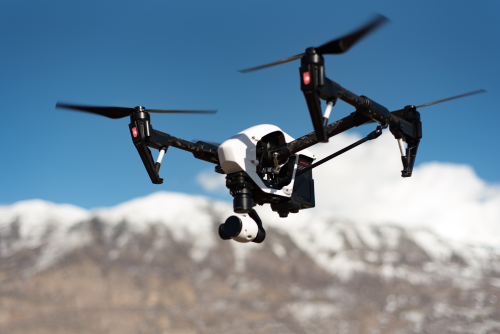
The best drones under $750 for beginners, travel, and everyday flying are not always the ones with the longest feature list. In this budget, the smartest buys are the drones you will actually carry, feel confident flying, and still enjoy after the first few weeks. For most buyers in 2026, that means choosing between a few compact GPS camera drones, one ultra-simple travel option, and one or two stretch buys in the refurbished market.
Quick Take
If you want the short version, these are the most sensible picks by buyer type:
| Drone | Best for | Why it stands out | Main tradeoff |
|---|---|---|---|
| DJI Mini 3 | Best all-around choice | Travel-friendly, very good camera for the size, easy to grow into | No major beginner safety net like full obstacle avoidance |
| DJI Mini 4K | Best first drone on a tighter budget | Reliable, simple, stable, low-friction way to learn | More basic features and less room to grow |
| DJI Flip | Best beginner-friendly creator drone | Less intimidating design, easy content-focused flying | Not the cheapest, and protected props do not make it people-safe |
| DJI Neo | Best for quick travel clips and casual use | Tiny, fast to launch, easy to bring everywhere | Not ideal as your only drone if you care about scenic image quality or wind performance |
| Potensic Atom | Best non-DJI value pick | Strong value, proper stabilized camera, compact | App polish, support, and resale are usually behind DJI |
| DJI Mini 3 Pro (used or refurbished) | Smartest stretch buy | Often the best feature-to-price deal if bought carefully | Condition, battery health, and account/warranty issues matter |
If you specifically want FPV flying with goggles and manual acro tricks, skip the regular camera-drone path. A small whoop-style FPV kit and simulator training make more sense than buying a Mini-series drone and expecting the same experience.
Key points before you buy
- For most people, DJI Mini 3 is the safest all-around answer under this budget.
- If your budget is tighter, DJI Mini 4K is the easiest low-regret entry point.
- If you mostly want quick clips of yourself while traveling, DJI Neo makes more sense than a more advanced drone you leave at home.
- If you want a drone that feels friendlier and less exposed, DJI Flip is worth a serious look.
- The biggest buying mistake is spending everything on the drone and nothing on extra batteries, propellers, storage, and practice time.
- A sub-250g drone can simplify ownership in some places, but it does not automatically mean you can fly anywhere or skip all rules.
How to choose the right drone in this budget
Before comparing models, make one decision first: what kind of flying do you really want to do?
1. Classic camera drone
This is the best fit for most buyers. It gives you stable, elevated shots, smooth video, and proper framing control. If you want landscapes, city views, coastline clips, travel footage, or everyday flying in open spaces, this is the category you want.
Typical picks: DJI Mini 3, DJI Mini 4K, Potensic Atom, DJI Mini 3 Pro.
2. Self-flying or ultra-light travel drone
This is more about convenience than maximum image quality. It is ideal for walking clips, biking clips, quick selfies, and casual travel content.
Typical pick: DJI Neo.
3. FPV drone
FPV means first-person view flying, usually with goggles and much more manual control. It is about immersion, speed, and movement style, not easy travel photography. It has a steeper learning curve and different safety discipline.
If your main goal is cinematic landscapes and simple travel flying, FPV is usually the wrong first purchase.
What matters most under $750
At this price, five things matter more than flashy specs.
Stable footage
A gimbal is the motorized stabilizer that keeps video smooth. For beginners and travelers, a proper gimbal matters more than chasing the highest resolution number on the box.
Easy app and controller experience
If setup is annoying, the drone stays in the bag. A good drone under $750 should connect reliably, get you airborne quickly, and make basic camera settings easy to understand.
Size and packability
The best travel drone is the one you actually bring. Small folding drones and ultra-light models win here.
Support and spare parts
This is where many budget drones lose value. Propellers, batteries, firmware updates, repairs, and resale all affect long-term ownership more than people expect.
Real total cost
A smarter under-$750 buy is often a slightly cheaper drone plus: – 2 extra batteries – spare props – a charger or charging hub – a good memory card – a small protective case – optional care plan or insurance where available
That setup is usually more satisfying than buying a pricier airframe with nothing left over.
Best drones under $750 for beginners, travel, and everyday flying
DJI Mini 3: best all-around under $750
If you want one answer that suits the highest number of buyers, start here.
The DJI Mini 3 sits in the sweet spot between beginner-friendly simplicity and long-term usefulness. It is small enough for travel, strong enough for real scenic work, and capable enough that you are unlikely to outgrow it immediately. For many buyers, this is the point where a drone stops feeling like a gadget and starts feeling like a real camera tool.
Why it works so well: – Very travel-friendly form factor – Good image quality for its size – Strong DJI ecosystem and easy app experience – Vertical shooting is useful for social content – Simple enough for beginners, but not disposable-feeling
Who it fits best: – First-time buyers who want one drone to keep for a few years – Travel creators – Casual photographers and videographers – Buyers who care about smooth footage more than advanced automation
Where people get it wrong: Some buyers expect the Mini 3 to protect them from bad decisions. It is still a light drone. Wind, trees, wires, water, and low-light conditions still require caution and skill. It is also not the right choice if your top priority is close-range selfie shots around yourself.
Buy it if you want the best balance of quality, portability, and longevity.
Skip it if you want the cheapest possible entry point or you only care about ultra-fast social clips of yourself.
DJI Mini 4K: best budget starter
If you want the simplest low-regret way into aerial photography, the DJI Mini 4K is hard to ignore.
This is the sensible first drone for buyers who do not want to overspend before they know how often they will fly. It gives you the essentials: GPS stability, a real stabilized camera, predictable handling, and a well-understood ecosystem. That matters more than advanced features when you are learning takeoffs, landings, orientation, and basic camera movement.
Why it makes sense: – Usually one of the lowest-cost serious camera drones worth buying – Stable and straightforward for learning – Better ownership experience than many no-name budget alternatives – Good fit for family trips, casual landscapes, and practice flying
Best for: – Absolute beginners – Gift buyers – Buyers moving up from toy drones – People who want to learn without tying up their whole budget
Main limitations: – More basic creator features – Less room to grow than the Mini 3 – Not the most exciting option if you already know you will get serious about aerial content
The Mini 4K is not glamorous, but that is exactly why it is useful. It teaches the fundamentals without making you pay for features you may not use yet.
Buy it if your goal is simple, reliable learning with good-enough image quality.
Skip it if you already know you want stronger camera performance or more advanced shooting flexibility.
DJI Flip: best beginner-friendly creator drone
The DJI Flip is one of the more interesting under-$750 options because it speaks to a different kind of buyer: someone who wants a friendly, compact drone that feels less exposed and more content-first.
Its protected-prop design makes it less intimidating to handle than a typical mini drone. That can be a real advantage for new pilots, families, and creators who want quick, repeatable shots without overthinking the gear every time. It also feels more approachable for people who care more about getting usable footage than mastering aircraft nuance.
Why it stands out: – Less intimidating than many exposed-prop drones – Strong match for casual creator workflows – Compact enough for travel – Easier emotional on-ramp for nervous first-time users
Best for: – Beginners who are anxious about exposed propellers – Vloggers and travel creators – Buyers who want quick setup and approachable operation – People who value convenience and confidence
Important reality check: Protected props are not a license to fly close to people, crowds, vehicles, or indoor obstacles. They reduce intimidation and may be more forgiving in minor incidental contact, but they do not remove risk or legal responsibility.
Buy it if you want a creator-first drone that feels welcoming from day one.
Skip it if you mainly want classic landscape flying and the best value per dollar.
DJI Neo: best for quick travel clips and everyday carry
The DJI Neo is the drone for people who say they want a drone, but what they really want is quick footage with almost no setup.
That is not a criticism. For many travelers, hikers, solo creators, and casual users, speed matters more than perfect dynamic range or cinematic control. The Neo is the kind of drone that can actually make it into a day bag, come out for a short clip, and go back in without turning the whole outing into a production.
Why it works: – Extremely easy to bring along – Fast-launch style flying suits travel and casual use – Good fit for self-shot clips and simple movement – Lower intimidation factor than a conventional camera drone
Who should consider it: – Solo travelers – Hikers and cyclists – People who mostly want themselves in the shot – Buyers who know convenience beats perfection
Where it falls short: – Wind tolerance is limited compared with more traditional mini drones – Scenic footage is less flexible than with a proper small camera drone – It is easy to overestimate it as a full replacement for a Mini-series model
This is a fantastic secondary drone, and for some people it can be the right primary one. But if your idea of drone use is sunrise landscapes, precise framing, and travel cinematography, the Neo is usually too compromised to be your only aircraft.
Buy it if convenience is your number-one priority.
Skip it if you want a single do-everything travel drone.
Potensic Atom: best value alternative to DJI
If you want to spend less without dropping into low-quality toy-drone territory, the Potensic Atom is one of the first models worth considering.
Its appeal is simple: you get a compact GPS drone with a proper stabilized camera and a travel-friendly footprint without always paying DJI money. For buyers in markets where Potensic support is available and local retailers stand behind the product, it can be a smart value play.
Why buyers like it: – Good price-to-performance balance – Compact and easy to carry – Feels like a real camera drone, not a toy – Attractive for budget-conscious beginners
What to think about carefully: – Software and app polish may not feel as refined as DJI – Tutorials, troubleshooting help, and third-party accessory support are usually thinner – Resale is often weaker – Long-term ownership confidence depends a lot on your local market
This is the drone for the buyer who is cost-aware, practical, and comfortable accepting a little more ownership friction to save money.
Buy it if value matters most and you have decent seller or service support where you live.
Skip it if you want the smoothest ecosystem, easiest troubleshooting, and strongest resale path.
DJI Mini 3 Pro (used or refurbished): smartest stretch buy
For confident shoppers, a refurbished or carefully bought used DJI Mini 3 Pro may be the smartest under-$750 purchase in the whole category.
Why? Because under this budget, the used market often lets you step into a more capable class of drone than you could buy new. If your local market offers reputable refurb units or clean used kits with healthy batteries and clear ownership history, the Mini 3 Pro can deliver a much better long-term value than buying a brand-new basic model.
Why it is attractive: – Higher-tier feature set than entry-level minis – Better room to grow as your skills improve – Often the best balance of size and capability if bought right – Stronger “one-and-done” purchase than many cheaper new drones
What to inspect before buying: 1. Battery condition and charging behavior 2. Arm cracks, shell damage, and gimbal smoothness 3. Controller compatibility 4. Whether the drone is properly unbound from the previous owner’s account 5. Return policy or warranty from the seller 6. Any signs of water damage or hard crashes
If you are comfortable buying used tech, this is one of the most practical ways to get more drone for the money.
Buy it if you want the best capability under the cap and you know how to inspect a used purchase.
Skip it if you want zero-hassle new-in-box ownership.
Also worth checking in some markets
If you want a non-DJI option beyond Potensic, the Autel EVO Nano+ can still be worth a look where it is actively sold, serviced, and supported. The catch is not the drone itself so much as regional availability, battery supply, and after-sales confidence. Check those before committing.
How to spend your budget wisely
A lot of under-$750 buyers focus too much on the drone and not enough on the actual flying experience.
A better budget split usually looks like this:
Spend first on:
- The drone itself
- At least one or two extra batteries
- Spare propellers
- A quality memory card
- A charging solution you will actually use
- A small case or pouch
Spend later on:
- ND filters
- Landing pads
- fancy cases
- cosmetic accessories
If your choice is between a slightly better drone with one battery or a slightly cheaper drone with multiple batteries and a charger, the second option is often the better beginner buy.
Common mistakes buyers make
1. Buying too much drone too soon
If you are brand new, advanced features do not automatically make you safer. They can just make the purchase more expensive.
2. Treating a selfie drone like an all-purpose aerial camera
A palm-sized or self-flying drone is great for quick personal clips. It is usually not the best tool for landscapes, wind, or precise cinematic moves.
3. Assuming sub-250g means “no rules”
In many places, lighter drones are simpler to own. That does not mean unrestricted flying. Registration, pilot competency, altitude limits, park rules, privacy law, and local restrictions can still apply.
4. Ignoring wind and weather
Small drones are convenient because they are small. That same advantage becomes a weakness in gusty conditions, on cliffs, beaches, boats, and mountain viewpoints.
5. Spending everything on the aircraft
The first extra battery often improves your ownership experience more than the next feature bump.
Safety, legal, travel, and compliance checks
Before you buy any drone for beginners, travel, or everyday flying, verify the rules that apply where you will actually use it.
Check these before your first trip or flight:
- Whether the drone or operator must be registered
- Whether you need an online competency test, certificate, or permit
- Altitude and airspace restrictions in your area
- Whether local parks, beaches, cities, heritage sites, or reserves ban takeoff or landing
- Privacy and filming rules where people may be identifiable
- Airline and airport rules for carrying lithium batteries
A few universal habits still matter everywhere:
- Do not fly over people unless you are clearly allowed and equipped to do so
- Keep clear of airports, emergency operations, and sensitive sites
- Avoid wildlife disturbance
- Do not rely on automation around trees, wires, or reflective surfaces
- Keep batteries in carry-on luggage for air travel unless your airline says otherwise, and protect battery terminals
If you plan to use the drone for paid work, verify your local commercial rules, insurance expectations, and client-site permissions before accepting a job.
FAQ
Is a drone under 250g always the best choice for beginners?
Not always, but often. Drones in this class travel well, feel less intimidating, and may face fewer regulatory burdens in some regions. The tradeoff is that they are usually less tolerant of strong wind than larger drones.
Is obstacle avoidance necessary for a first drone?
Nice to have, not essential. Good beginner habits matter more than relying on sensors. Under $750, it is usually smarter to prioritize a stable gimbal, good app experience, and extra batteries over chasing every premium safety feature.
Which under-$750 drone is best for travel creators?
For most travel creators, DJI Mini 3 is the strongest all-around choice. If your content is more self-shot and fast-moving, DJI Neo or DJI Flip may fit better.
Are drones under $750 good enough for YouTube, Instagram, and client social content?
Yes. In good light, modern compact drones can produce excellent results for social platforms and many creator workflows. Skill, timing, composition, and editing usually matter more than stepping up to a much more expensive aircraft.
Should I buy new, used, or refurbished?
If you want the lowest risk, buy new or manufacturer-grade refurbished. If you want the most capability per dollar, a reputable refurbished or carefully inspected used drone can be the better play.
What accessories should I buy first?
Start with extra batteries, spare propellers, a good memory card, and a practical charging setup. Those have more real-world impact than filters or premium cases.
Can I use one of these drones for paid work?
Possibly, but legality depends on your country, operation type, airspace, and whether you need licensing, insurance, or client permission. For simple content jobs they may be enough technically, but verify compliance before flying commercially.
What is the best non-DJI drone under $750?
Potensic Atom is one of the strongest value-oriented alternatives. Depending on your region, Autel’s small drones may also be worth checking, but support and battery availability matter more than the spec sheet.
Final decision
If you want the safest default recommendation, buy the DJI Mini 3. If you want the cheapest serious entry point, get the DJI Mini 4K. If you want a friendlier creator-first experience, look hard at the DJI Flip. If you care most about convenience and self-shot travel clips, choose the DJI Neo. And if you are comfortable buying refurbished, a DJI Mini 3 Pro may be the smartest way to get premium capability without breaking the budget.
The right under-$750 drone is not the one with the most buzz. It is the one that matches how you will really fly next weekend, not the pilot you imagine becoming someday.
