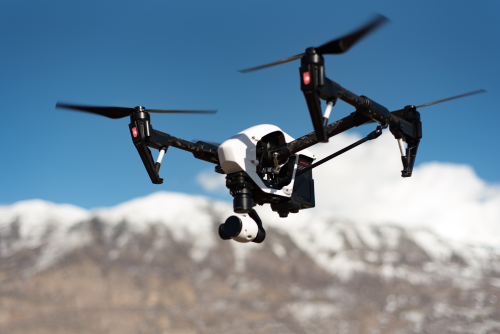
If you’re shopping for the best drones for construction progress, the right answer is not just “the best camera” or “the newest model.” Construction work rewards repeatable flights, dependable wind handling, safe site operation, and a workflow that turns footage into useful updates. This guide breaks down the right picks for beginners, creators, and working pros so you can buy for the job you actually need to do.
Quick take
The best drone for construction progress depends on whether you need simple visual updates, polished marketing content, or measurable mapping outputs.
-
Best for beginners: DJI Mini 4 Pro
Great for small sites, simple weekly progress photos, and teams that want a low-friction first drone. -
Best all-rounder for small businesses: DJI Air 3
The safest recommendation for many buyers who want better wind performance, dual-camera flexibility, and a stronger upgrade path than a mini drone. -
Best for creators and polished client deliverables: DJI Mavic 3 Pro
The best fit when construction progress also needs to look premium for stakeholder decks, social content, and branded marketing. -
Best for working pros who need mapping and repeatability: DJI Mavic 3 Enterprise
The practical professional choice for recurring progress capture, orthomosaics, and site documentation workflows. -
Best for large enterprise programs: DJI Matrice 350 RTK
The heavy-duty option for bigger sites, more formal operations, and teams that need a broader enterprise ecosystem.
Key points
- For photo and video progress only, a prosumer drone can be enough.
- For mapping, measurement, and repeatable site records, an enterprise drone is usually the smarter buy.
- A construction drone purchase is really a workflow purchase: aircraft, batteries, controller, software, data handling, and repair support all matter.
- Many buyers underestimate wind, dust, downtime, and battery needs on real sites.
- The wrong drone is often not “bad” — it is simply misaligned with the deliverable.
At-a-glance recommendations
| Buyer type | Best pick | Why it fits | Who should skip it |
|---|---|---|---|
| First-time operator, small contractor, project manager | DJI Mini 4 Pro | Easy to carry, low-friction setup, strong automation and safety features for simple updates | Large, windy, dusty, or complex sites |
| Small business, solo operator, hybrid marketing/progress use | DJI Air 3 | Better wind performance, longer practical usefulness, dual-camera flexibility | Buyers who need true mapping precision |
| Creator, agency, premium visual storytelling | DJI Mavic 3 Pro | High-end imaging and multiple focal lengths for polished progress storytelling | Teams focused mainly on survey-grade outputs |
| Professional progress and mapping operator | DJI Mavic 3 Enterprise | Built for site documentation, mapping workflows, and more repeatable commercial use | Buyers who only need occasional video |
| Enterprise team, large or multi-site operation | DJI Matrice 350 RTK | Scalable platform, industrial reliability, wider payload and operations potential | Most beginners and small firms |
What actually matters in a construction progress drone
Construction progress sounds simple until you define the output. A weekly “how’s the site looking?” video is one job. A monthly orthomosaic for management, lenders, or planners is a different job. A branded before-and-after reel for client marketing is different again.
Before choosing a drone, decide which of these you need most:
- Repeatable progress photos from the same vantage points
- Overview video for stakeholder updates
- Marketing content for websites, reels, and project showcases
- Orthomosaics (stitched top-down maps)
- 3D models for context and presentation
- Measurement-friendly documentation with stronger positional consistency
The features that matter most
1. Repeatability
Construction progress is about consistency. You need to fly the same route, capture the same angles, and compare changes over time. A drone that produces one beautiful flight but inconsistent weekly results is not the best tool.
2. Wind performance
Open job sites can be rough. Coastal work, high-rise projects, and exposed developments punish light drones. A drone that feels great in a park can feel nervous around a large site.
3. Camera flexibility
A wide shot for context is useful, but medium telephoto views often tell the real story. They compress the scene, reduce the “everything looks tiny” problem, and let you show work areas more clearly without getting too close.
4. Mapping support
If you need maps, models, or measurable site records, you should think beyond standard photo specs. Features like a mechanical shutter and RTK matter more here.
- Mechanical shutter: helps reduce motion distortion during mapping flights.
- RTK: short for real-time kinematic, a positioning method that improves location accuracy and repeatability when set up correctly.
5. Repair and downtime risk
Construction sites are not gentle environments. Dust, rushed schedules, transport damage, and frequent deployment all raise risk. Reliable parts access and support matter more than buyers think.
The best drones for construction progress
DJI Mini 4 Pro
The DJI Mini 4 Pro is the best starting point for buyers who want a lightweight, easy-to-deploy drone for straightforward construction progress updates.
Why it’s a smart beginner pick
- Compact and easy to carry on site
- Strong safety features for its class
- Good image quality for weekly photos and short update videos
- In many markets, it falls into a lighter regulatory weight class
That last point helps, but do not assume lighter always means simple. Commercial, worksite, and airspace rules may still apply.
Where it works best
The Mini 4 Pro makes sense if your workflow looks like this:
- One or two small sites
- Visual progress updates only
- Short flights
- Mostly calm-weather operation
- One person capturing content for internal reports or client updates
Where it starts to struggle
- Large developments
- Windy sites
- Fast-paced commercial schedules
- Heavier recurring workload
- Mapping-heavy deliverables
The biggest regret with the Mini 4 Pro is buying it as a “serious business drone” for work that really needs stronger wind handling, longer practical productivity, and a more robust workflow. It is an excellent light-duty tool, but it is still a mini drone.
Best for
- Beginners
- Small contractors
- Project managers
- Marketing assistants collecting simple updates
DJI Air 3
For many buyers, the DJI Air 3 is the real sweet spot. It is the easiest broad recommendation in this guide because it balances portability, safety, image quality, camera versatility, and business usefulness better than most lightweight options.
Why it’s the best all-rounder
- Better wind confidence than the Mini class
- Dual-camera setup adds useful framing options
- More capable for both progress capture and marketing content
- A more serious long-term tool for small companies and solo operators
The second camera matters more than it sounds. Construction progress often looks better when you can switch from a very wide site overview to a tighter shot of active zones, structure rise, or façade changes without pushing the drone too close.
Who should buy it
The Air 3 fits buyers who want one drone for:
- Weekly or biweekly progress updates
- Site overview photos
- Short stakeholder videos
- Social content or branded project recaps
- Moderate travel between job sites
If your main job is still visual documentation rather than survey-grade mapping, the Air 3 is usually a smarter buy than jumping straight to a premium creator drone or enterprise model.
Limits to know
The Air 3 is not the ideal choice if your core business case depends on:
- High-accuracy mapping
- Repeatable survey workflows
- Formal enterprise fleet deployment
- Large, highly complex, or industrial sites
Best for
- Small construction firms
- Solo drone service providers
- Hybrid content creators
- Buyers who want to avoid outgrowing a mini drone too fast
DJI Mavic 3 Pro
The DJI Mavic 3 Pro is the best fit when construction progress also needs to look exceptional. If you are delivering polished visual storytelling to developers, architects, agencies, or premium commercial clients, this is where image flexibility starts to justify the higher spend.
Why creators love it
- Excellent image quality
- Multiple focal lengths for more cinematic storytelling
- Better visual separation between site overview and detail shots
- Strong fit for premium reporting and marketing assets
Construction content often looks bland when every shot is ultra-wide. The Mavic 3 Pro gives creators more visual options, which helps when producing:
- Project milestone films
- Developer marketing content
- Client presentations
- Before-and-after edits
- Social campaigns around major builds
The tradeoff
This is not the most logical first drone for a buyer whose main deliverable is mapping, measurement, or standardized fleet operations. It is a premium imaging tool first.
If you mainly need stills and video quality but want a simpler premium option, the Mavic 3 family’s non-Pro variants can also make sense where available. The important decision is not the badge; it is whether you truly need multi-camera creative flexibility.
Best for
- Creators
- Agencies
- Premium project marketers
- Drone pilots whose clients care about presentation quality
DJI Mavic 3 Enterprise
For working pros, the DJI Mavic 3 Enterprise is often the most sensible “serious construction progress” drone you can buy. It is the line where visual documentation and professional site data workflows start to come together properly.
Why it stands out
- Purpose-built for enterprise work
- Better suited to mapping and structured repeat flights
- Mechanical shutter benefits mapping capture
- RTK support improves positional consistency when required
- Fits recurring commercial documentation much better than creator-first drones
If your job includes orthomosaics, progress maps, site overviews for management, or documentation that may later need stronger location consistency, the Mavic 3 Enterprise is the right direction.
What kind of buyer should move up to it
Buy this if you are:
- Running recurring progress jobs for clients
- Adding mapping to your service line
- Managing larger sites or multiple active developments
- Building a business around construction, infrastructure, or asset work
- Trying to reduce the gap between “pretty content” and “useful site records”
What people often misunderstand
The Mavic 3 Enterprise is not just a more expensive camera drone. It changes the type of workflow you can support. That is why it often produces better business value than a purely creative model, even if its purchase decision feels less exciting.
Best for
- Professional operators
- Construction documentation teams
- Survey-adjacent service providers
- Firms that need repeatable, measurable outputs
DJI Matrice 350 RTK
The DJI Matrice 350 RTK is the pick for large programs, bigger budgets, and enterprise teams that need a more industrial platform. It is not the right answer for most readers, but for the buyers who need it, it can be the right long-term platform.
Where it makes sense
- Large or complex sites
- Multi-site enterprise operations
- Formal safety processes and trained crews
- Heavier integration into enterprise inspection or data workflows
- Broader payload or mission needs beyond simple progress capture
Why most buyers should not start here
The Matrice class adds cost, complexity, transport burden, training demand, and operational overhead. If your real need is weekly site photos and a monthly update reel, this is overkill.
Best for
- Enterprise construction teams
- Major infrastructure programs
- Larger service providers with formal operating procedures
Which drone fits your workflow?
If you are still stuck, use this shortcut.
Choose the DJI Mini 4 Pro if:
- You are brand new
- Your sites are small
- You mostly need photo/video updates
- Portability matters more than raw capability
- You want the lowest-friction entry point
Choose the DJI Air 3 if:
- You want one drone that can handle progress and marketing
- You work on small to mid-size sites
- You expect to grow into regular commercial use
- You do not yet need enterprise mapping tools
Choose the DJI Mavic 3 Pro if:
- Your client expects polished visuals
- You care about storytelling, not just record-keeping
- You produce premium reports, ads, or launch content
- Image flexibility is part of your value
Choose the DJI Mavic 3 Enterprise if:
- Progress documentation is a business workflow, not an occasional side task
- You need mapping or structured site datasets
- You want more repeatable professional results
- You are buying for operations, not just aesthetics
Choose the DJI Matrice 350 RTK if:
- You run a formal enterprise program
- You need a larger platform and industrial workflow support
- Your sites and risk profile justify the overhead
The accessories and software that matter more than people expect
A lot of buyer regret comes from spending all the budget on the aircraft and too little on the system around it.
Buy these with the drone
- Extra batteries: at least 3 total for light site work, more for larger sites
- Spare propellers
- A controller you can see clearly outdoors
- A landing pad for dusty or gravel-heavy sites
- Storage and transport protection
- ND filters if video quality and motion consistency matter
- A backup charging plan for full-day field work
Software matters early
If you need more than simple photos and clips, verify your software path before you buy.
Common construction-related workflows may involve:
- Progress photo archiving
- Cloud-based stakeholder sharing
- Orthomosaic processing
- 3D model generation
- Team review and annotation
Platforms commonly considered in this space include DJI Terra, DroneDeploy, and Pix4D, but compatibility changes over time and not every aircraft supports every workflow equally. Verify aircraft support, processing needs, export formats, and team collaboration requirements before committing.
Safety, legal, and operational checks before flying construction sites
Construction progress flying is commercial work in a safety-sensitive environment. Rules vary globally, so verify the specifics with your local aviation authority and the site’s own safety leadership before operating.
Minimum checks before any job
- Confirm you are legally allowed to conduct the flight
- Check whether the airspace requires approval or has local restrictions
- Get explicit site permission from the responsible party
- Review crane locations, lifts, temporary structures, and vehicle routes
- Avoid takeoff points near large steel masses, vehicles, or magnetic interference sources
- Plan for workers, visitors, and neighboring property
- Brief anyone involved in the operation
Important practical reminders
- Do not rely on obstacle avoidance to solve bad planning
- Do not fly casually around cranes, cables, or active lifting operations
- Do not assume a lighter drone removes commercial obligations
- Be careful with privacy, confidentiality, and capture of adjacent sites
- Dust, wind, glare, and radio interference can change quickly on live projects
If the site is near an airport, helipad, emergency corridor, port, industrial plant, or sensitive facility, stop guessing and verify first.
Common mistakes buyers make
1. Buying for the one “hero shoot” instead of the weekly workflow
A beautiful launch video is not the same as 40 weeks of consistent progress reporting. Buy for the repeat job.
2. Choosing a mini drone for exposed or windy sites
Mini drones are excellent within their lane. That lane is not every construction site.
3. Confusing cinematic image quality with mapping usefulness
A drone can look incredible and still be the wrong tool for measurement-heavy work.
4. Ignoring software compatibility
If your client wants maps, reports, or team collaboration, you need to confirm the downstream workflow before you buy the aircraft.
5. Underestimating battery needs
Travel time, setup, weather delays, retakes, and repeat angles all eat flight time. Field productivity usually needs more batteries than new buyers expect.
6. Forgetting downtime and support
The cheapest option becomes expensive fast if a damaged drone sits idle and misses client deadlines.
FAQ
Is a sub-250g drone enough for construction progress?
Sometimes, yes. For small sites and basic visual updates, a drone like the DJI Mini 4 Pro can be enough. For larger, windier, or more demanding commercial work, most buyers are better served by a larger platform.
Do I need RTK for weekly progress updates?
Not always. If you mainly need photos and videos, RTK is often unnecessary. If you need more consistent mapping outputs, better positional accuracy, or repeatable data collection over time, RTK becomes much more valuable.
Can one drone handle both progress videos and mapping?
Yes, but some drones do it far better than others. The DJI Mavic 3 Enterprise is a better hybrid choice for serious work than a creator-first drone. Prosumer models can do both in limited ways, but they are usually stronger on visuals than mapping.
Air 3 or Mavic 3 Pro for construction content?
Choose the Air 3 if you want the better value, easier all-round business tool, and a practical hybrid of progress and marketing. Choose the Mavic 3 Pro if premium visual storytelling is a core part of your paid deliverable.
How many batteries do I really need for site work?
For light jobs, three batteries is a sensible starting point. For larger sites, repeated capture angles, or multi-flight sessions, you may want more. Your battery count should match your travel time, shot list, and retake risk.
Should a construction company buy a drone or hire a service provider?
Buy when you need frequent capture, internal control, and a repeatable ongoing workflow. Hire a provider when flights are occasional, compliance is complex, or you need high-end mapping and reporting without building the capability in-house.
Is obstacle avoidance enough to fly safely around cranes and structures?
No. Obstacle sensing is helpful, but it is not a substitute for site planning, standoff distance, visual awareness, and disciplined operations. Construction sites are dynamic, cluttered, and often unforgiving.
What is the best first upgrade path?
Most buyers move best from a light visual drone to an all-rounder, then to an enterprise model if mapping or formal commercial workflows justify it. In practical terms, that often means mini class to Air class, then to Mavic Enterprise class.
Final takeaway
If you are buying your first construction progress drone, start by defining the output, not the aircraft. For simple visual updates, the DJI Mini 4 Pro is a smart entry point; for most small business buyers, the DJI Air 3 is the safest overall pick; and for serious recurring site documentation, the DJI Mavic 3 Enterprise is the clearest working-pro choice. Buy the drone that makes your progress workflow repeatable, safe, and easy to deliver every single month.
