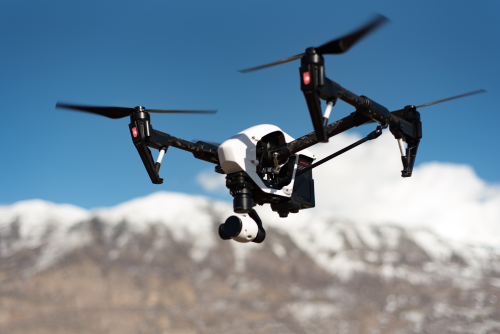
Choosing the best drones for families is less about buying the most impressive spec sheet and more about matching the drone to how your household will actually use it. A parent who wants quick holiday clips needs something very different from a teen who wants to learn proper stick control, or a travel-loving family that wants polished footage from every trip. The right buy is usually the drone that feels easy to carry, easy to trust, and realistic to fly often.
Quick take
If you want the short version, these are the strongest family drone picks right now based on budget, skill level, and real-world use:
-
Best overall for most families: DJI Mini 4 Pro
Portable, beginner-friendly, capable enough to grow with you, and one of the easiest “buy once, use for years” options. -
Best for ultra-simple family moments: DJI Neo
Great for quick clips, park days, bike rides, and casual use when nobody wants a long setup. -
Best if you want a flying selfie camera more than a traditional drone: HoverAir X1 series
Excellent for automated family clips and short travel moments, but less suited to learning full manual drone skills. -
Best value for a real camera drone: DJI Mini 3
A smart choice if you want better footage than a micro selfie drone without jumping to premium pricing. -
Best for serious family travel and better image flexibility: DJI Air 3 or Air 3S
The right pick if you know you will use the drone a lot and want a more advanced camera platform. -
Best supervised first drone for younger kids: Ryze Tello
Still a good indoor learning tool, but not a true outdoor family camera drone.
One big warning: most families regret one of two mistakes. They either buy a very cheap toy drone and outgrow it immediately, or they overspend on a more advanced drone that feels too intimidating to carry and fly.
Budget bands that actually make sense
Family buyers usually do better with broad budget bands than exact live prices, because drone bundles, batteries, and regional pricing vary a lot.
| Budget band | Best fit | Best for | Main tradeoff |
|---|---|---|---|
| Under roughly $150 | Ryze Tello or a basic trainer | Indoor learning, supervised kid practice, low-stakes fun | Limited outdoors, limited camera value |
| Roughly $200 to $450 | DJI Neo or HoverAir X1 series | Instant family clips, travel moments, walking and tracking shots | Less flexible for high-quality landscape work |
| Roughly $450 to $900 | DJI Mini 3 or similar value sub-250g camera drone | Families who want a real camera drone without flagship cost | Fewer premium safety features |
| Roughly $900 to $1,200 | DJI Mini 4 Pro | Best all-round choice for most families | Higher bundle cost once you add batteries and storage |
| $1,200 and up | DJI Air 3 or Air 3S | Frequent travel, better image flexibility, long-term enthusiast use | Bigger, heavier, less casual to carry, often more regulated |
If one specific model is unavailable in your country, use the category logic instead of fixating on the exact name. The right category is what matters: indoor trainer, casual selfie drone, sub-250g travel camera drone, or larger enthusiast travel drone.
Best drones for families, explained
DJI Mini 4 Pro: best overall for most families
For most households, this is the safest recommendation because it sits in the sweet spot between ease of use and long-term value.
Why it works so well for families:
- Small enough to pack for holidays, weekends, and day trips
- Good enough image quality to feel like a real upgrade over phone footage
- Beginner-friendly flight assistance and automated capture modes
- Less likely to be “outgrown” after the first few months
- Works for both casual users and parents who want to learn more seriously
Who should buy it:
- Families buying one drone to share
- Parents who want better travel footage without jumping to a heavier drone
- Beginners who want safety features and room to improve
- Buyers who know they will actually use the drone several times a year
Who should skip it:
- Families that only want ultra-fast, no-controller clips
- Buyers on a tight budget
- Households where the main user is a young child
If you want one drone that can handle holidays, scenic family photos, beach walks, road trips, and basic creative learning, this is the easiest “yes” in the market.
DJI Neo: best for quick and casual family use
The DJI Neo makes a lot of sense for families because it lowers the barrier to actually using the drone. That matters more than many first-time buyers expect.
Why it stands out:
- Very fast to get in the air
- Friendly for beginners who do not want a complicated setup
- Great for short family clips, casual tracking, and travel moments
- Less intimidating than a larger drone
Best for:
- Parents who want easy family clips, not a new hobby
- Weekend outings, picnics, bike rides, and simple holiday content
- Older kids and teens learning the basics with supervision
- Families who want “better than a phone, easier than a full drone”
Main limits:
- Not the strongest choice for windy locations
- Not the best fit if your main goal is high-end landscape photography
- Easier to outgrow if someone in the family becomes very interested in aerial photography
This is one of the best picks for families who value convenience over maximum camera performance.
HoverAir X1 series: best for automated family clips
The HoverAir X1 series sits in a slightly different category. It is ideal for people who want a flying camera that captures family moments with minimal friction, not necessarily a traditional drone piloting experience.
Why families like it:
- Extremely approachable for non-pilots
- Fast launch and quick automated shots
- Good fit for travel creators, walkers, runners, and casual family memories
- Feels less like “setting up a drone mission” and more like capturing a moment
Best for:
- Parents who want easy clips of hikes, walks, or outings
- Families who value convenience more than manual flight control
- Buyers who are nervous about traditional drone flying
- Shared households where one person wants simplicity and nobody wants a complex controller workflow
Main limits:
- Less versatile than a real camera drone
- Usually not the best choice for a child or teen who wants to learn proper drone handling
- Limited for scenic photo work and bigger, more cinematic shots
Think of it as a lifestyle capture tool first, drone second. For some families, that is exactly the right answer.
DJI Mini 3: best value if you want a real camera drone
Not every family needs the newest premium model. If you want a proper travel drone and want to spend less, the DJI Mini 3 remains one of the smartest value buys.
Why it is such a good middle-ground option:
- More capable than micro selfie drones
- Easier to travel with than bigger enthusiast drones
- Usually a better long-term buy than very cheap toy drones
- Good fit for photos, scenic clips, and holiday use
Best for:
- Budget-conscious families who still want real aerial footage
- Parents upgrading from a toy drone
- Buyers who care more about image quality than advanced automation
- People comfortable accepting fewer premium safety features
Main limits:
- Less forgiving than a higher-end beginner drone with more advanced sensing
- Not as confidence-building for nervous first-time pilots
- Older kids may learn with it well, but younger children still need close supervision
If your budget does not stretch to the Mini 4 Pro, this is where value starts to look genuinely attractive instead of compromised.
DJI Air 3 or Air 3S: best for families who will really use the drone
This is the right choice for families who already know the drone will not just sit in a drawer. It makes the most sense when aerial imaging is a real part of your travel or creator workflow.
Why it earns consideration:
- More image flexibility than the smaller Mini range
- Better suited to families who care a lot about polished footage
- Stronger fit for scenic destinations and more intentional shooting
- Better long-term platform for a parent or teen who may become a serious hobbyist
Best for:
- Frequent travelers
- Families creating regular social content or travel films
- Buyers who already know they enjoy aerial photography
- Households comfortable with a bigger, more deliberate flying setup
Main limits:
- Less casual to carry everywhere
- Usually more expensive once you include spare batteries and accessories
- Bigger drones often bring more regulatory friction, depending on where you live or travel
For many families, this is overkill. For the right family, it is the drone they will be happiest with after a year.
Ryze Tello: best supervised learning drone for younger kids
The Tello still earns a place in this guide because it solves a specific problem well: safe-ish, low-cost introductory flying under close supervision.
Why it still matters:
- Good for indoor practice
- Lower stress than learning on a more expensive camera drone
- Helpful for teaching control basics and spatial awareness
- Can be fun as a first step before moving up
Best for:
- Younger kids flying with an adult
- Indoor learning
- Families testing whether a child truly enjoys flying
- Parents who want a lower-risk first purchase
Main limits:
- Not a serious travel camera drone
- Weak outdoors compared with modern GPS camera drones
- Easy to outgrow quickly
Buy this only if you are intentionally buying a trainer, not if you are hoping for strong holiday footage.
Match the drone to the family, not the marketing
Here is the decision framework that usually works best.
If your family wants quick clips with almost no learning
Buy: DJI Neo or HoverAir X1 series
This is the best path for families who want to capture moments, not study drone settings. You will use it more often because setup feels easy.
If you want one drone for travel, photos, and room to grow
Buy: DJI Mini 4 Pro
This is the best all-round answer for families who want one drone that can serve beginners now and still satisfy more serious users later.
If you want the best value and can accept fewer premium features
Buy: DJI Mini 3
This is the sensible choice when you want a proper camera drone without paying for every top-tier convenience.
If aerial content will become a real hobby in your household
Buy: DJI Air 3 or Air 3S
Choose this only if you already know the drone will be used regularly. It is not the best pick for occasional birthday-party or once-a-year holiday use.
If a child mainly wants to learn to fly
Buy: Ryze Tello, then upgrade later
Starting smaller and cheaper often avoids expensive crashes and frustration.
Safety, legal, and travel checks families should do before flying
A family drone is still an aircraft in the eyes of many regulators. Do not treat it like a toy just because the use case is casual.
1. Verify local registration and pilot rules
Rules vary by country, drone weight, and intended use. In some places, lighter drones face fewer requirements, but not always. Before flying, check:
- Whether the drone or operator must be registered
- Whether an online test, certificate, or competency step is required
- Minimum age rules for the pilot
- Whether the destination has special rules for visitors
2. Check airspace and local takeoff rules
Even where airspace appears open, local rules may still restrict you. Parks, beaches, resorts, historic sites, and event venues often have their own restrictions.
Verify with the relevant authority before flying near:
- Airports and heliports
- National parks or protected areas
- Beaches and busy waterfronts
- Stadiums, festivals, or public events
- Hotels, private resorts, or tourist attractions
3. Do not fly close to people just because the drone feels small
This is where family buyers get overconfident. Smaller drones can still injure people, damage eyes, or cause panic.
Avoid:
- Hovering over children
- Using tracking modes near roads, trees, water, or crowds until you are experienced
- Flying low over strangers at parks or beaches
- Letting kids fly unsupervised around people, pets, or property
4. Think about privacy and social comfort
A family outing can turn awkward fast if your drone annoys everyone nearby.
Use basic etiquette:
- Ask before filming people you know at close range
- Avoid hovering near neighbors’ homes or gardens
- Keep flights short and purposeful in shared public spaces
- Do not assume “but it is legal” means “people will be comfortable with it”
5. Plan for batteries and travel
Airlines, ferries, and some venues have battery transport rules. Before a trip, verify:
- Airline rules for spare lithium batteries
- How batteries must be packed and protected
- Whether your destination country has restrictions on import, use, or local registration
- Whether the resort, cruise operator, or tour provider allows drone use at all
Common mistakes families make when buying a drone
Buying too cheap and expecting too much
Very cheap toy drones can be fun, but they often fly poorly outdoors and produce footage nobody wants to keep. If your goal is family travel memories, a toy-grade drone is usually false economy.
Buying a premium drone for a once-a-year use case
If you will only use the drone on one holiday and two park visits, the biggest and best model is rarely the right buy.
Assuming obstacle avoidance means crash-proof
No drone is foolproof. Tracking modes, return-to-home functions, and sensing systems help, but they do not remove risk.
Forgetting the real cost of ownership
The drone is only part of the spend. Most families also end up needing:
- Spare batteries
- A charger or hub
- Extra propellers
- A memory card if required
- A case
- A repair or replacement plan, if available in their market
Giving the controls to kids too early
A better pattern is:
- Adult handles takeoff and landing
- Child practices gentle control in a wide open area
- Automated modes come later, not first
- Harder environments come last
Buying for specs instead of habits
The best family drone is the one that will actually make it into your bag.
What to buy with the drone, and what to skip at first
Buy these first
-
At least one extra battery
Family outings are rarely long enough with a single battery. -
Spare propellers
Small bumps happen, especially with beginners. -
A simple protective case
Helps the drone survive travel, car rides, and storage. -
A reputable memory card, if your drone uses one
Do not let a bad card ruin a trip. -
A replacement or care plan, if available and reasonably priced in your region
Often worthwhile for first-time buyers.
Usually skip these at first
- Large filter kits if you are not editing seriously
- Bulky “pro” backpacks for a tiny family drone
- Cheap third-party batteries from unknown brands
- Extra gadgets that make the drone harder to grab and use
FAQ
What is the best family drone for total beginners?
For most beginners, the best balance is the DJI Mini 4 Pro if budget allows. If you want something even simpler and more casual, the DJI Neo or HoverAir X1 series is easier to start using immediately.
Is an under-250g drone always the best choice for families?
Often, yes, because smaller drones are easier to carry and can reduce regulatory friction in some places. But “under 250g” is not a universal pass. Some countries still impose registration, airspace, training, or privacy rules, so always verify locally.
Are drones safe for kids to use?
They can be safe only with close adult supervision, lots of space, and realistic expectations. Younger children should start with a low-risk trainer like the Ryze Tello, not a more expensive outdoor camera drone. Even small propellers can injure people.
Should I buy a selfie drone or a traditional camera drone?
Buy a selfie-first drone if you mainly want quick, automated clips with minimal setup. Buy a traditional camera drone if you care more about travel photos, scenic shots, and learning proper flying skills.
Can I take a family drone on a plane or international holiday?
Usually yes, but you must verify battery transport rules, destination drone laws, and local venue restrictions before you travel. Airline approval, customs treatment, and visitor flight rules vary widely.
Is buying refurbished or used a good idea?
Yes, especially for value-focused buyers looking at drones like the DJI Mini 3. Just make sure the battery health, controller condition, propeller arms, gimbal function, and account status are all checked before you buy.
Do I need insurance for a family drone?
That depends on where you live and where you fly. Some countries, clubs, or venues may require it. Even when it is not mandatory, liability coverage can be worth considering if you plan to fly around travel locations or private property. Verify local requirements before relying on assumptions.
Final decision
If you want the simplest answer, buy the DJI Mini 4 Pro. It is the best all-round family drone because it balances portability, safety, image quality, and long-term value better than almost anything else.
If your family wants fast, low-friction fun, go with the DJI Neo or HoverAir X1 series. If budget matters most, look hard at the DJI Mini 3. And if your household is clearly heading toward serious travel filmmaking, step up to the DJI Air 3 or Air 3S.
The best family drone is not the one with the most features. It is the one your family will actually feel confident carrying, flying, and using well.
