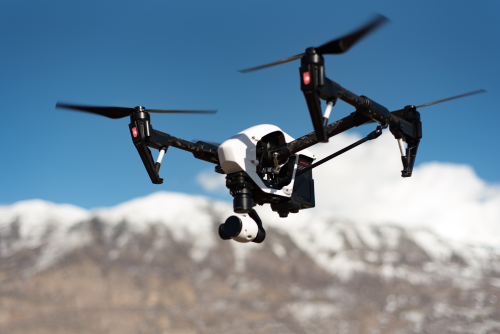
If you want the best drones for hikers, do not start with camera specs alone. The right pick depends on how far you walk, how much weight you tolerate, how often you film yourself versus landscapes, and whether you want a real flying camera or a fast, mostly automated trail companion. For most hikers, the smartest buy is a compact sub-250g drone with good wind handling, easy setup, and a battery system you can realistically carry all day.
Quick Take
Here is the short buying answer for most readers:
| Buyer type | Best fit | Why it works for hiking | Main tradeoff |
|---|---|---|---|
| Most hikers, best overall balance | DJI Mini 4 Pro | Very portable, strong camera, excellent obstacle sensing, strong all-round feature set | Costs more than entry-level options |
| Beginner on a tighter budget | DJI Mini 3 | Light, proven, simple, good image quality for the size | Fewer safety and tracking features than the Mini 4 Pro |
| Ultralight hiker who mainly films themselves | DJI Neo | Tiny, easy to deploy, low-friction social and trail clips | Not ideal for serious landscape work or windy conditions |
| Hands-free self-filming over cinematic quality | HoverAir X1 series | Extremely fast to use, beginner-friendly, strong “follow me” appeal | Limited as a true camera drone |
| Creator who prioritizes image quality and wind performance | DJI Air 3S | Better performance in tougher conditions, stronger creator workflow | Heavier, bulkier, and often subject to more regulatory friction |
| FPV pilot or motion-focused creator | DJI Avata 2 | Great for immersive trail footage and dynamic movement | Bulkier kit, louder, less versatile for stills and classic travel shots |
| Budget-minded alternative to DJI | Potensic Atom | Lightweight and affordable, usable for casual hiking content | Ecosystem, app polish, and support are not as strong as DJI |
If you only want one recommendation: buy the DJI Mini 4 Pro if it fits your budget. If it does not, the DJI Mini 3 is still one of the easiest hiking drones to recommend without buyer’s remorse.
Key Points Before You Buy
- For hiking, packed size matters almost as much as flight performance.
- Sub-250g drones are easier to carry and may face fewer requirements in some countries, but they are not automatically legal everywhere.
- If your main goal is filming yourself on the trail, a simple autonomous flyer can be better than a traditional drone.
- If your main goal is sunrise landscapes, valley reveals, and travel edits, buy a real camera drone.
- Mountain wind, cold temperatures, and narrow tree-lined trails expose weak drones fast.
- Budget for the full kit, not just the aircraft: batteries, propellers, charger, storage, and possibly filters.
- The wrong hiking drone is usually either too heavy to bring or too limited to keep.
How to Choose the Right Hiking Drone
Before picking a model, answer these five questions.
1. What are you really shooting?
Your use case decides almost everything.
- Mostly landscapes and travel footage: get a camera drone like the DJI Mini 4 Pro or Air 3S.
- Mostly yourself walking, running, or climbing: consider DJI Neo or the HoverAir X1 series.
- Mostly cinematic motion and speed: look at DJI Avata 2.
- A bit of everything: the Mini 4 Pro is the safest all-round choice.
2. How much weight will you actually carry?
A drone that looks compact online can feel very different once you add:
- controller
- spare batteries
- charging hub
- filters
- case or pouch
- backup props
If you do long day hikes or multi-day treks, every gram becomes a purchase decision.
3. Do you need a sub-250g drone?
For hikers, this class matters for three reasons:
- It is easier to carry.
- It is often less intimidating to use.
- In some jurisdictions, it may simplify part of the compliance burden.
But do not treat sub-250g as a legal shortcut. Park rules, airspace limits, privacy laws, and protected-area restrictions can still apply.
4. How often do you hike in wind?
A lot of hikers buy for sunny forest trails, then try to fly from a ridge, beach, alpine pass, or canyon. Wind performance matters more than many first-time buyers expect. In exposed terrain, a larger drone like the Air 3S class can be worth the extra weight. In sheltered conditions, the Mini class is usually the smarter compromise.
5. Do you want a drone hobby or just better hiking footage?
This is a big split.
- If you want a real drone you can learn, frame shots with, and grow into: buy a Mini or Air.
- If you want fast, low-effort footage of yourself and do not care much about manual flying: buy a Neo or HoverAir-style device.
- If you want adrenaline and dynamic lines: FPV is a different path entirely.
What Actually Matters in a Hiking Drone
Packability
A hiking drone should disappear into your bag until you need it. Foldable arms, a compact controller, and a simple charging setup matter more on the trail than they do in a car-based workflow.
Setup Speed
If it takes too long to unfold, connect, calibrate, and get airborne, you will stop using it. Good hiking drones encourage short, disciplined flights rather than turning every viewpoint into a production.
Wind Tolerance
Smaller drones have improved a lot, but ridge wind, rotor effect around cliffs, and valley gusts can still overwhelm them. If you regularly hike exposed terrain, do not underbuy.
Camera Quality That Matches Your Output
Ask where your footage goes:
- social clips
- YouTube travel videos
- client work
- personal archive
- still photography prints
Many hikers do not need the heaviest camera platform. But if you care about low-light landscapes, compression flexibility, or telephoto composition, the premium tier makes sense.
Battery Practicality
Quoted flight times rarely match real mountain flying. Cold weather, wind, ascent, frequent repositioning, and conservative return-to-home margins all reduce actual usable time. A good hiking drone is one you can support with the number of batteries you are willing to carry.
Noise and Trail Etiquette
A drone may be legal and still be a bad idea. Busy overlooks, wildlife-sensitive areas, and narrow trails with other hikers nearby are often poor places to launch. A quieter, smaller drone can reduce friction, but good judgment matters more than prop size.
Best Drones for Hikers by Budget, Skill Level, and Real Use Cases
DJI Mini 4 Pro
Best for: most hikers who want one drone that does almost everything well
If you want the safest recommendation in this entire guide, this is it. The DJI Mini 4 Pro hits the hiking sweet spot better than almost anything else: very light, easy to pack, strong image quality, strong tracking, and far better obstacle awareness than cheaper options.
Why hikers like it:
- light enough to bring often
- good enough camera for real travel content, not just casual clips
- capable safety features for beginners
- strong for solo creators who need both landscape shots and occasional self-filming
- easier upgrade path than buying too cheap first
It is especially good for:
- day hikers
- travel creators
- beginners who want to grow into a drone
- hikers who want vertical and horizontal content from one aircraft
- buyers who care about keeping the drone for years, not months
Watch-outs:
- It is still a small drone, so exposed mountain wind can challenge it.
- Tracking does not make wooded trails risk-free.
- It costs enough that you should protect it with disciplined flying, not gadget optimism.
Skip it if:
- your budget is firmly entry-level
- you mostly want a hands-free follow camera
- you already know you need a larger drone for tougher weather and creator work
DJI Mini 3
Best for: beginners who want the best value without buying junk
The DJI Mini 3 remains one of the smartest lower-cost buys for hikers. It is light, widely understood, and good enough to produce footage most casual and semi-serious creators will genuinely like. For buyers watching budget, it often makes more sense than gambling on a no-name alternative.
Why it works:
- low carry burden
- proven platform
- simple learning curve
- image quality still strong for travel and trail use
- easier to justify if you are not sure how often you will fly
This is the right buy for:
- first-time drone buyers
- hikers moving up from phones or action cameras
- travelers who want a compact, capable drone without paying for the newest features
What you give up versus the Mini 4 Pro:
- fewer advanced safety features
- weaker margin for error in more complex environments
- less “future-proof” if you know you want advanced tracking and automation
Skip it if:
- you want the strongest beginner safety net
- you often fly around branches, terrain edges, or more complex environments
- you can afford the Mini 4 Pro without strain
DJI Neo
Best for: ultralight hikers and casual creators who care more about speed than perfection
The DJI Neo is not the best hiking drone for everyone. It is the best hiking drone for a very specific person: someone who wants the least friction possible between “that trail moment happened” and “I captured it.”
Its strengths are not traditional drone strengths. Its strengths are convenience, small size, and very fast deployment.
Best use cases:
- solo hikers filming themselves on the move
- social-first creators
- casual trip memories
- travelers who would otherwise leave a bigger drone at home
Why it fits hiking:
- tiny and easy to carry
- quick to launch
- less intimidating than a full drone kit
- better chance you will actually use it during short stops
Its limits matter:
- weaker in wind
- not the tool for serious landscape photography
- limited compared with a Mini-class drone for classic aerial work
- buyers sometimes overestimate how well a small autonomous flyer replaces a full camera drone
Buy it if you want easy trail clips. Do not buy it if you want your drone to be a primary landscape camera.
HoverAir X1 Series
Best for: beginners who want a self-flying trail camera more than a drone hobby
The HoverAir X1 family sits in a slightly different category. These are excellent for people who want a flying camera that follows, orbits, and captures short moments with minimal setup. For hikers who dislike controllers and just want repeatable self-shots, this kind of device can be more useful than a full drone.
Why people choose it:
- very beginner-friendly
- low setup burden
- useful for hiking, running, and travel snippets
- less “pilot workload” than a standard drone
Where it shines:
- filming yourself on open trails
- quick documentary-style travel capture
- group hiking clips
- users who want convenience first
Where it falls short:
- not as versatile as a proper camera drone
- not ideal if landscape image quality is your top priority
- performance and reliability can drop in more challenging terrain or wind
- less suited to buyers who want manual framing freedom
If your idea of success is “I got a clean clip of myself on the ridge in 20 seconds,” this category makes sense. If your idea of success is “I want layered valley compositions at sunrise,” buy a Mini or Air instead.
DJI Air 3S
Best for: serious creators, exposed terrain, and hikers who prioritize image quality over pack weight
The DJI Air 3S is where hiking drone advice gets honest: it is a better tool in several important ways, but you will feel it in your bag. It makes sense if you create often enough to justify the extra bulk and if your hiking style includes windy coastlines, alpine viewpoints, or more demanding visual work.
Why it earns a place here:
- stronger wind performance than the Mini class
- more creator-friendly camera system
- better shot flexibility for people who think in edits, not just clips
- stronger choice for experienced users who want a more serious travel platform
Best for:
- YouTubers and travel filmmakers
- photographers who care about composition flexibility
- hikers in more exposed locations
- buyers who already know they will use the drone heavily
The tradeoff is simple:
- more weight
- more bulk
- in many regions, more compliance friction than sub-250g options
- harder to justify for casual use
This is not the best drone for most hikers. It is the best drone for hikers who are also committed creators.
DJI Avata 2
Best for: hikers who specifically want FPV-style motion and immersive trail footage
The Avata 2 is not a normal hiking drone recommendation, but it deserves to be here because some hikers are not looking for classic aerials. They want speed, movement, reveal shots through terrain, and a more visceral look.
Why it is compelling:
- dynamic footage
- more approachable than building a custom FPV rig
- fun for riders, runners, and adventure-focused creators
- can create a look a regular camera drone does not match
Why it is not for most buyers:
- bulkier overall kit once you add goggles and controller
- louder and more conspicuous
- weaker as an all-purpose landscape drone
- more niche learning curve and workflow
If you are asking “Should I buy an Avata 2 or a Mini 4 Pro for hiking?” the answer for most people is still the Mini 4 Pro. Buy the Avata 2 only if you specifically want FPV-style footage.
Potensic Atom
Best for: budget-conscious buyers who want a real lightweight drone and understand the ecosystem tradeoff
Potensic has become one of the more credible budget names for lightweight consumer drones. The Atom is relevant for hikers because it gives you a compact form factor without forcing you into a generic toy-grade purchase.
Why it can make sense:
- lower cost than DJI in many markets
- lightweight and portable
- good enough for casual hiking content if expectations are realistic
Why many buyers still choose DJI:
- better software polish
- stronger accessory and support ecosystem
- more proven long-term ownership experience
- easier resale and community knowledge
The Atom is worth considering if the price gap is meaningful and your needs are modest. It is less compelling if you value reliability, support, and a smoother learning curve.
What to Buy Based on Your Budget
Prices move by country, taxes, and bundles, so think in tiers rather than exact numbers.
Entry budget
Best fits:
- DJI Mini 3
- Potensic Atom
- DJI Neo if your use case is mostly self-filming
Buy this tier if:
- you are learning
- you are not yet sure how often you will fly
- you want something light enough to bring often
Midrange budget
Best fit:
- DJI Mini 4 Pro
This is the sweet spot for most hikers. If your budget reaches this tier, it is usually the best balance of portability, capability, and longevity.
Premium budget
Best fit:
- DJI Air 3S
Buy this tier only if you know why you need it: stronger wind handling, more creative flexibility, and more serious output.
Niche budget
Best fits:
- DJI Avata 2 for FPV
- HoverAir X1 series for controller-light self-capture
These are not generalist recommendations. They are great when your use case clearly matches them.
What to Buy Based on Skill Level
Complete beginner
Buy:
- DJI Mini 4 Pro if budget allows
- DJI Mini 3 if budget is tighter
- HoverAir X1 series or DJI Neo if you want minimal piloting
Avoid:
- overcomplicated FPV setups
- large drones just because they seem more “serious”
Beginner with some camera experience
Buy:
- DJI Mini 4 Pro
- DJI Air 3S if you already know you will create frequently and accept the weight
Intermediate pilot
Buy based on output:
- Mini 4 Pro for packability
- Air 3S for creator-focused results
- Avata 2 if movement is the priority
Experienced FPV pilot
If you are already in FPV, you probably know whether a ready-to-fly cinewhoop fits your hiking kit. If not, the Avata 2 is the practical packaged option. For everyone else, a Mini or Air is still the more useful hiking purchase.
Safety, Legal, and Trail-Use Limits to Know
Hiking does not make drone rules easier. In many places, it makes them more complicated.
Verify all three layers before you fly
- Airspace rules
- Park, trail, or protected-area rules
- Local privacy, nuisance, or land-use restrictions
A common mistake is checking only airspace and assuming that means takeoff is allowed. Many parks, reserves, and conservation areas restrict or prohibit launch and landing even if the surrounding airspace is not obviously restricted.
Sub-250g does not mean “fly anywhere”
In some countries, a lighter drone may reduce registration, training, or operating requirements. But it does not cancel:
- no-fly zones
- park restrictions
- privacy obligations
- wildlife protections
- rules around flights over people
Mountain conditions are harder than they look
Be conservative with:
- ridge wind
- changing weather
- cold batteries
- GPS variability in tight terrain
- return-to-home assumptions in steep elevation changes
If the environment feels demanding, shorten the flight or do not launch.
Respect other hikers and wildlife
Good drone etiquette matters as much as regulation. Avoid launching from crowded viewpoints, near people who cannot easily move away, or anywhere wildlife may be disturbed. If you are in a sensitive area, assume the responsible answer may be not flying.
Travel note
If you are flying to your hiking destination, verify airline rules for spare lithium batteries and protect battery terminals in transit. Country-by-country drone import and operation requirements can also vary, so check before departure rather than at the airport.
Common Mistakes Hikers Make When Buying a Drone
Buying for specs, not carry reality
A bigger drone may be better in the air but worse in your actual life if it stays home.
Mistaking follow features for magic
Tracking systems help, but wooded trails, branches, sudden turns, and uneven terrain can still confuse them.
Assuming all hiking locations allow drones
Many do not. Protected landscapes often have stricter rules than beginners expect.
Under-budgeting the kit
A drone with one battery is rarely a satisfying hiking setup. The real purchase often includes at least:
- two or three batteries total
- spare props
- charger or hub
- storage pouch
- optional filters
Buying FPV when they really want travel shots
FPV footage looks exciting online, but many hikers actually want classic wide reveals, stable pans, and still photos. Those people should not start with FPV.
Choosing a selfie flyer for landscape photography
Neo and HoverAir-type devices are convenient, but they are not direct replacements for a Mini 4 Pro or Air 3S if image quality and composition matter deeply.
FAQ
Is a sub-250g drone always the best choice for hiking?
Not always, but it is the best starting point for most hikers. The lighter weight, smaller bag footprint, and often simpler compliance picture make this class very attractive. If you often hike in strong wind or produce more demanding creator work, a larger drone may still be worth it.
Can I fly a drone in national parks or protected areas?
Sometimes no, sometimes only with permission, and sometimes rules vary by park or region. Do not assume public land means drone-friendly access. Verify with the relevant park authority and aviation authority before flying.
Should beginners pay extra for obstacle sensing?
Usually yes, if the budget is reasonable. Obstacle sensing does not make tree-lined trails risk-free, but it adds useful margin for error. That is one reason the Mini 4 Pro is such an easy recommendation for beginners.
Are self-flying trail cameras good enough for landscape photography?
Usually not if landscape quality is your main goal. They are excellent for quick self-capture and social content, but a proper camera drone gives you better framing control, better image quality, and a more versatile workflow.
How many batteries should I carry on a day hike?
For most day hikes, two to three total batteries is the practical zone. One often feels too limiting once you account for setup, weather, conservative return margins, and retakes. On longer hikes, battery count becomes a weight decision as much as a flight decision.
Is FPV worth it for hiking trips?
Only if you truly want FPV-style footage and accept the extra kit. For most hikers, a traditional camera drone is more useful, quieter in workflow, and better for stills, travel clips, and scenic reveals. FPV is worth it when motion is the product.
Should I buy used or refurbished?
Yes, if the seller is trustworthy and battery health, crash history, and accessory condition are clear. Used or refurbished drones can be smart value purchases, especially in the Mini class. Be more cautious with heavily used batteries and any drone with unclear repair history.
Do I need registration, insurance, or a permit?
That depends on your country, the drone’s weight, where you plan to fly, and whether your use is recreational or commercial. Requirements vary widely. Check the aviation authority, local land manager, and any applicable insurance rules before operating.
The Bottom Line
If you want the best drone for hiking without overthinking it, buy the DJI Mini 4 Pro. If you want the best value, buy the DJI Mini 3. If you mainly want easy self-filming, choose DJI Neo or the HoverAir X1 series. If you are a serious creator and can justify the extra weight, step up to the DJI Air 3S. Pick the drone you will actually carry, legally fly, and confidently use on the trail, because that is the one that will earn its place in your pack.
