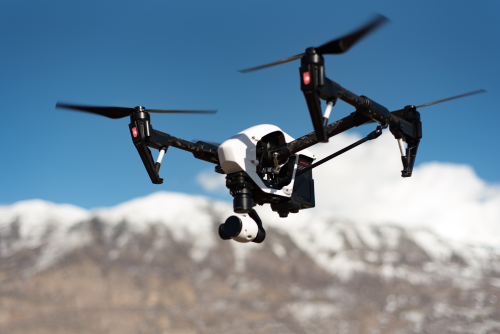
Low-light aerial footage exposes every weakness in a drone camera. Once the sun drops, small sensors, heavy noise reduction, weak stabilization, and overconfident marketing all show up fast. If you are shopping for the best drones for low-light shooting, what actually matters before you buy is not a “night mode” badge, but the combination of sensor size, lens behavior, flight confidence, workflow, and how often you truly plan to fly in dim conditions.
Quick Take
If low-light shooting is a real priority, buy the biggest sensor you can realistically afford, carry, and insure. For most serious solo creators and small commercial operators, the safest low-light buy is still a 4/3 camera drone in the DJI Mavic 3 class. If you mainly shoot sunsets, blue hour, and well-lit city scenes, a midrange drone like the DJI Air 3 can be enough. If you want maximum portability, the DJI Mini 4 Pro is impressive for its size, but it is still a compromise when the scene gets truly dark.
Here is the shortlist most buyers should think about first:
| Drone or class | Best for | Why it works in low light | Main tradeoff |
|---|---|---|---|
| DJI Mavic 3 Classic | Best overall for serious low-light buyers | 4/3 sensor, strong main camera, mature ecosystem | Premium cost and larger travel footprint than Mini-class drones |
| DJI Mavic 3 Pro | Creators who need multiple focal lengths | Same strong main wide camera plus extra lens options | You are paying for flexibility, not better low-light on every lens |
| Autel EVO Lite+ | Buyers wanting a 1-inch foldable alternative | Larger sensor than many midrange drones, adjustable aperture | Support, app maturity, and regional service matter more here |
| DJI Air 3 | Mixed-use creators shooting day, sunset, and some night | Strong all-round platform, dual cameras, good dusk performance | Smaller sensors hit their limit sooner in true night scenes |
| DJI Mini 4 Pro | Travel-first buyers and rule-sensitive users | Very portable, capable at sunset and bright urban twilight | Not a true low-light specialist; wind and noise become bigger issues |
| DJI Inspire 3 | High-end productions and pro teams | Full-frame class imaging and cinema workflow | Cost, crew needs, and operational burden |
| DJI Avata 2 and similar FPV drones | Stylized night motion in controlled settings | Immersive movement in lit environments | Low-light image quality is still compromise-heavy |
What low light actually means in drone shooting
A lot of buying regret comes from not defining the job clearly enough.
Low light can mean:
- Golden hour slipping into blue hour: still manageable for many drones
- Urban night scenes with streetlights and building glow: possible, but demanding
- Dark rural landscapes or coastlines: much harder
- Fast-moving FPV shots through dim spaces: a different challenge again
The same drone that looks great over a beach at sunset may fall apart over a dark hillside 30 minutes later. That is why the best buying question is not “Can this drone shoot at night?” but “How dark are my real scenes, and how clean does the footage need to look?”
If you deliver client work, this matters even more. A travel reel can survive some grain. A luxury property video, tourism campaign, or commercial spot usually cannot.
What actually matters before you buy
Sensor size matters more than most specs on the box
If you remember one thing, make it this: larger sensors usually beat higher megapixel claims in low light.
A bigger sensor gathers more light and tends to hold shadow detail better while producing less ugly digital noise. In practical terms:
- 4/3 sensors are the sweet spot for serious foldable camera drones
- 1-inch sensors can still be very capable, especially for dusk and city light
- 1/1.3-inch sensors are good for general use, but they reach their limits sooner in deep low light
This is why many buyers who care about low-light performance end up in the Mavic 3 class rather than simply buying the newest small drone.
Also be careful with marketing around very high megapixel counts on small sensors. In low light, those cameras often rely on pixel binning, which combines pixel data to behave more like a lower-resolution image anyway. The result can still be good, but physics usually wins.
Lens brightness helps, but it does not beat sensor physics
A wider aperture means the lens lets in more light. That is useful, but it is not a magic fix if the sensor is small.
What to prioritize:
- A strong main wide camera
- Reasonably bright aperture
- Adjustable aperture if your workflow benefits from it
- Consistent exposure behavior in video
What not to overvalue:
- Extra telephoto cameras for dark scenes
- Marketing terms around “night mode” without real sample footage
- Small-sensor drones that promise premium low-light results based on software alone
For most buyers, the main camera is what matters. On multi-camera drones, the secondary lenses are often the first to struggle when the light drops.
Stabilization and hover quality are part of image quality
Low-light shooting is not only about the camera. It is also about whether the drone can hold position cleanly and keep motion looking controlled.
In dim light, the camera may need slower shutter speeds or higher ISO. That makes these issues more visible:
- Micro-jitter from wind
- Small gimbal corrections
- Fast yaw movements
- Uneven stick control
- Motion blur from aggressive flying
A drone with a better camera but poor positioning in wind can still produce worse real footage than a slightly smaller-sensor drone flown conservatively in good conditions.
If your style is smooth cinematic flight, prioritize:
- Stable hover performance
- Predictable gimbal behavior
- Strong GPS positioning
- Good controller ergonomics
- Enough battery margin to avoid rushed moves
Video codec and color depth matter if you edit seriously
If you mostly post quick social clips, almost any recent midrange drone can look good in decent dusk conditions.
If you grade footage in editing software, low light gets harsher fast. You want files that hold together when you lift shadows or reduce highlights.
Look for:
- Higher-quality recording options
- Better bit depth, meaning more color information
- Useful flat or log-style profiles if you know how to grade
- Footage that does not fall apart when shadows are brightened
A drone can look fine straight out of camera, then turn messy once you try to fix underexposure in post. That is a major reason professionals still pay for larger sensors and better codecs.
Real noise handling matters more than “night mode”
Different drones process low-light footage very differently.
Some preserve detail but show visible grain. Others apply strong noise reduction and make trees, grass, rooftops, and fine textures look smeared. Neither is ideal, but oversmoothed footage is often harder to rescue.
Before you buy, review real-world sample footage in scenes similar to your own:
- Night city flyovers
- Twilight real estate exteriors
- Waterfronts with reflections
- Forest edges at dusk
- Moving car-light scenes if that is your style
And watch on a larger screen, not just a phone. Low-light weaknesses hide well on mobile.
Obstacle sensing gets less trustworthy in darkness
This is where buying decisions meet real operating risk.
Many obstacle sensing systems depend on enough light and enough texture in the scene. At dusk or at night, their performance may degrade or become limited. Dark water, glass, wires, branches, and dim structures are all common problem areas.
That means a drone that feels very safe in daylight may require a much more conservative flying style after sunset.
If low-light work is part of your plan, look beyond camera specs and ask:
- How comfortable am I flying manually without relying on avoidance?
- Will I be in open airspace or complex urban areas?
- Do I need a visual observer for safer operations?
- Can I pre-scout the route in daylight?
For many buyers, this is the real difference between “I can shoot at night” and “I can safely deliver repeatable night work.”
Batteries, weather, and support matter more than people expect
Low-light shoots often happen at dawn, dusk, or in colder conditions. That affects battery performance and your overall margin.
Before buying, check:
- Availability and cost of spare batteries
- Charging workflow for travel or field work
- Propeller and gimbal part availability
- Regional repair support
- Firmware stability and app reliability
- How easy it is to replace or service damaged components
A great camera is less useful if spare batteries are hard to get in your market or repair turnaround is too slow for client work.
The best drones for low-light shooting by buyer type
DJI Mavic 3 Classic: the safest all-round low-light buy
If low-light quality is a serious priority and you want a foldable drone, the Mavic 3 Classic is still the benchmark many buyers should start from.
Why it stands out:
- Its 4/3 main camera gives it a clear advantage over smaller-sensor drones once shadows deepen
- It is easier to keep footage looking clean when grading
- The ecosystem is mature, with broad accessory and support availability in many markets
Who it fits:
- Aerial photographers
- Travel filmmakers who shoot sunrise and twilight regularly
- Real estate operators doing premium exterior work
- Small production teams
- Buyers who want strong quality without paying for extra cameras they may not use
Who may regret it:
- Pilots who need the lightest possible travel kit
- Buyers who mostly shoot daytime social content
- Anyone trying to stay in the smallest regulatory class available in their country
If your work regularly extends beyond sunset, this is the class where buyer regret usually starts to drop.
DJI Mavic 3 Pro: best if you need flexibility, not just low-light quality
The Mavic 3 Pro makes sense when your brief includes multiple looks in one flight. The reason to buy it for low light is still the main wide camera. That is the lens doing the heavy lifting after dark.
Why it works:
- Strong main camera for low-light scenes
- Extra focal lengths for storytelling and shot variety
- Useful for travel films, branded work, and premium client deliverables
What buyers often misunderstand:
- The extra cameras do not automatically make it a better night drone than the Classic
- In low light, you will still lean heavily on the main wide camera
- If your work is mostly wide twilight scenes, the Classic often makes better financial sense
Choose this one if you genuinely use the added focal lengths. Do not choose it expecting every lens to perform equally well in darkness.
Autel EVO Lite+: the alternative worth considering if support is strong in your region
For buyers who want a foldable drone with a larger sensor than typical midrange options, the EVO Lite+ remains a relevant type of option.
Why people consider it:
- 1-inch class imaging is still a meaningful step up from smaller consumer sensors
- Adjustable aperture can be useful in mixed light
- It can appeal to buyers who want an alternative to DJI
The real buying question is not only image quality. It is ecosystem confidence.
Before buying, verify:
- Local dealer support
- Repair access in your region
- App and firmware maturity for your device
- Spare battery and part availability
If those boxes are checked, this class can be a very practical dusk and city-light tool. If support is weak where you live, the risk of downtime may outweigh the camera benefits.
DJI Air 3: best for mixed-use creators who only need moderate low-light performance
The Air 3 is a very sensible drone for buyers who shoot a lot of daytime content, want a strong all-rounder, and only occasionally push into low light.
Why it is popular:
- Versatile dual-camera setup
- Good flight behavior
- Strong balance of size, output, and portability
- More affordable than stepping into the Mavic 3 tier
Where it works well:
- Sunset travel footage
- Blue-hour city scenes with plenty of ambient light
- Social-first creator work
- General commercial content where night is occasional
Where it falls short:
- Darker rural scenes
- Heavy shadow recovery in editing
- Buyers expecting premium low-light cleanliness from smaller sensors
This is the right choice when low light is part of your work, but not the reason you buy the drone.
DJI Mini 4 Pro: best ultralight option if low light is occasional
The Mini 4 Pro is a great example of how far small drones have come. It is extremely capable for its size, and for travel buyers it solves a lot of practical problems.
Why it still belongs on the list:
- Excellent portability
- Easier to pack, carry, and travel with
- Very usable at sunset and in brighter twilight scenes
- Attractive where smaller drones fit your regulatory or travel comfort better
But there is an important boundary here: it is not a true low-light specialist.
Where buyers get disappointed:
- Expecting clean deep-night footage
- Flying in wind after dark
- Pushing shadows hard in editing
- Using it for premium commercial night deliverables
If your real need is “I want a drone that travels everywhere and can also shoot some evening content,” the Mini 4 Pro is easy to recommend. If your real need is “low light is central to my work,” step up in sensor size.
DJI Inspire 3: for productions where low light is business-critical
The Inspire 3 is not a casual buying guide recommendation. It belongs to professional cinema workflows, bigger budgets, and teams that can handle the operational demands.
Why it matters:
- It sits in a different imaging class
- It is designed for production environments where shot quality justifies the cost
- It makes sense when the drone is part of a broader camera package, not a one-person travel tool
Who should consider it:
- Production companies
- Cinema teams
- High-end commercial operators
- Buyers already working with complex color and post pipelines
If you are asking whether you need an Inspire 3, you probably already know. Most readers deciding between drones for low-light shooting will be better served by a Mavic 3-class platform.
FPV buyers: be honest about what “good in low light” means
If your goal is immersive motion through neon streets, lit interiors, or controlled night environments, FPV can look fantastic. If your goal is the cleanest possible low-light image, FPV is usually not the answer.
Drones like the DJI Avata 2 and similar cinewhoops can produce compelling footage in lit scenes, but they remain compromise-heavy in darker conditions because of:
- Smaller cameras
- Faster movement
- Higher noise
- More demanding piloting
- Less margin for safe obstacle detection
Buy FPV for style and motion, not because it is the best technical low-light platform.
How to choose the right one in 5 questions
-
Is low light your main use case or an occasional use case?
If it is central, start at 1-inch sensor class and preferably 4/3. If it is occasional, Air 3 or Mini 4 Pro may be enough. -
Are you delivering client-grade footage or personal content?
Paid work usually punishes small-sensor noise more quickly. -
How much do you value portability?
If you travel constantly, a Mini-class drone may get used more often even if it is not the best on paper. -
Do you actually need multiple focal lengths?
If yes, Mavic 3 Pro makes sense. If no, the Classic is usually the cleaner buy. -
Can you support the drone long term in your region?
Service, batteries, firmware stability, and repair access should influence the final decision.
Safety, legal, and operational realities of low-light flying
Low-light shooting often means dusk or night operations, and that can trigger different rules depending on where you fly.
Before operating, verify with the relevant aviation authority and local land manager:
- Whether night flight is allowed under your category of operation
- Whether anti-collision lighting is required
- Whether a visual observer is recommended or required
- Whether local park, venue, or municipal rules prohibit takeoff and landing
- Whether controlled or restricted airspace needs extra authorization
- Whether your insurance covers twilight or night operations
Operationally, low light also increases risk:
- Wires, branches, cranes, and glass become harder to judge
- Obstacle sensing may be reduced or unreliable
- People and traffic are harder to separate safely
- Battery margins can shrink in colder evening conditions
- Depth perception gets worse, especially over water or dark terrain
If you plan to do commercial low-light work, scout locations in daylight first whenever possible and keep your night routes conservative.
Common mistakes buyers make
Buying megapixels instead of sensor size
A small sensor with a big resolution number is still a small sensor. Low light punishes that fast.
Confusing sunset performance with night performance
Many drones look great at sunset. Fewer still look good once ambient light really drops.
Assuming all cameras on a multi-camera drone are equally useful at night
Usually the main wide camera is the star. The other lenses are often daytime or bright-scene tools.
Trusting obstacle avoidance too much in the dark
Low-light work requires more manual discipline, not more faith in automation.
Spending on filters before batteries and support
For low-light shooting, spare batteries, props, and reliable repair access usually matter more than an accessory wishlist.
Flying your first real night job in a complicated area
Do your learning in open, familiar spaces, not over water, traffic, or dense city obstacles.
FAQ
Is a mini drone good enough for low-light shooting?
For sunset, blue hour, and brighter city scenes, yes, often. For serious night work or paid deliverables where clean shadows matter, a larger sensor is the safer choice.
Do I need a 1-inch sensor or a 4/3 sensor?
If low light is occasional, a smaller sensor may be fine. If it is a core part of your work, 1-inch is a reasonable starting point and 4/3 is the better long-term buy for most serious users.
Is “night mode” a reason to buy a drone?
Not by itself. Software modes can help, but they do not replace the benefits of a larger sensor, better lens, cleaner codec, and disciplined exposure.
Are FPV drones good for low-light video?
They can be great for stylized, lit, immersive shots. They are usually not the best choice for the cleanest low-light image quality.
Can I rely on obstacle avoidance at night?
You should assume reduced performance and verify the limits for your specific model. Darkness, low contrast, wires, and reflective surfaces all make automated sensing less dependable.
Do I need extra permissions to fly at night?
Maybe. Rules differ by country and operating category. Verify with your national aviation authority, and also check local property, park, venue, and airspace restrictions before flying.
Should I buy ND filters for low-light shooting?
Usually no as a priority. Neutral density filters reduce light, which is useful in bright conditions, not dim ones. For low-light work, spare batteries and safe lighting compliance matter more.
What is the best low-light drone for beginners?
If you are a beginner who truly wants low-light quality, a Mavic 3-class drone is the more capable platform, but it also costs more. If you are still learning and low light is only occasional, an Air 3 or Mini 4 Pro may be the more sensible first step.
The buying decision most people should make
If low-light shooting is central to your work, do not shop by hype, megapixels, or menu features. Shop for sensor size, main-camera quality, stable flight behavior, support in your region, and how safely you can operate after dark. For most buyers, that means a Mavic 3-class drone if quality comes first, an Air 3 if balance matters most, and a Mini 4 Pro only if portability is the real priority.
