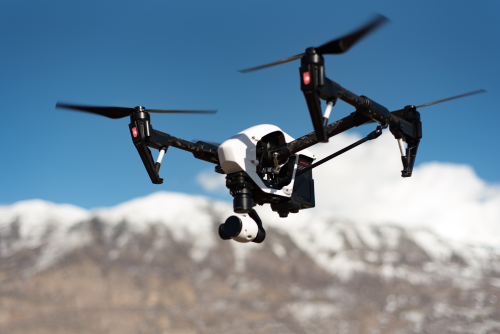
If you’re a parent buying a first drone, the safest choice is usually not the cheapest one or the one with the biggest camera promise on the box. The best first drone is the one your family can actually learn, enjoy, and keep flying without constant crashes, setup stress, or buyer’s remorse. This guide breaks down the best drones for parents buying a first drone based on budget, skill level, and real use cases, so you can match the drone to the person and the purpose.
Quick Take
For most families, the right first drone falls into one of five lanes: indoor trainer, ultra-simple flying camera, value camera drone, premium compact camera drone, or dedicated FPV drone.
| Best fit | Best pick | Why it works | Main tradeoff |
|---|---|---|---|
| Young beginner, indoor learning, low-risk family fun | Ryze Tello | Stable, simple, affordable, and great for learning basics | Not a serious outdoor camera drone |
| Easiest first drone for casual family clips | DJI Neo | Very approachable, compact, low-stress launch and recovery | Limited in wind and less capable than a true camera drone |
| Best value first “real” camera drone | DJI Mini 3 | Strong mix of portability, image quality, and beginner friendliness | Fewer advanced safety features than higher models |
| Best premium first drone for cautious buyers | DJI Mini 4 Pro | Better obstacle sensing, strong travel fit, and room to grow | Costs more up front |
| Best only if FPV is the actual goal | DJI Avata 2 | Immersive flying, protected design, great for FPV learning path | More expensive and less general-purpose for family use |
Key points
- If your budget is very low, buy a trainer, not a “4K” promise from a no-name brand.
- If the goal is vacation photos and smooth video, skip toy drones and start with a real GPS camera drone.
- If the main user is a younger child, prop protection and low-speed learning matter more than camera quality.
- If you want one drone that can last several years, the extra spend on a better compact camera drone can make sense.
- If your child or teen really wants FPV, buy for FPV specifically. Don’t expect a general camera drone to scratch that itch.
Start with the real question: who is this drone actually for?
A lot of parents say, “I’m buying a drone for my kid,” but in practice the buyer is usually one of these people:
1. A younger child who wants to learn to fly
The right first drone here is small, protected, cheap enough to survive mistakes, and easy to reset after a bump into a wall. This is usually an indoor-learning scenario, not an aerial cinematography scenario.
2. A teen who wants to make videos
This person usually thinks they want “a drone with a good camera,” but what they really need is a drone that is portable, stable, easy to launch, and supported by a good app and spare parts ecosystem.
3. A parent who wants family travel footage
This buyer needs a compact, reliable camera drone that starts quickly, packs easily, and does not feel intimidating every time it comes out of the bag.
4. A family that just wants something fun for weekends
In this case, ease of use matters more than sensor size, obstacle avoidance, or cinematic settings. If the drone is annoying to set up, it will stay in a drawer.
5. A gaming-minded kid or teen who really wants FPV
FPV stands for first-person view: immersive flying through goggles or a similar live view style that feels more like piloting than taking photos. This is a real category of its own. It has a steeper learning curve, higher crash risk, and a more specialized kit.
If you identify the real user first, the buying decision gets much easier.
The best drones for parents buying a first drone
Ryze Tello
Best for:
- Kids learning indoors
- Parents who want a low-cost trainer
- Families who want simple flight practice before spending more
The Ryze Tello remains one of the smartest first-drone buys when the goal is learning, not professional-looking footage. It is small, less intimidating than most camera drones, and good for teaching basic controls: takeoff, hover, directional movement, and landing.
Why parents like it: – Lower financial risk – Friendly size for supervised practice – Good way to test whether the child actually enjoys flying – Often better learning value than random ultra-cheap toy drones
Where it falls short: – It is not the drone to buy for windy outdoor flights – The camera experience is modest – It is more of a training drone than a travel content drone
Buy the Tello if:
- Your child is new to drones and you want a supervised learning step
- You are not sure whether this hobby will stick
- You want something more credible than a throwaway toy
Skip the Tello if:
- Your main goal is vacation photography
- You want dependable outdoor flight in open spaces
- You are buying for a teen who already knows they want serious content creation
DJI Neo
Best for:
- Parents who want the easiest first flying camera
- Casual family clips and social-media-style use
- Beginners who feel nervous about larger drones
DJI Neo is one of the most parent-friendly entries into the drone world because it reduces friction. It is small, approachable, and designed around quick use rather than full manual piloting complexity. For families who want something that feels like a fun flying camera more than a traditional drone workflow, it makes a lot of sense.
Why it stands out: – Easier to launch and recover than many standard drones – Compact enough to bring often – Less intimidating around new users – Good fit for short, casual clips and low-stress flying
Where it disappoints: – It is not the best choice for windy conditions – Image quality and overall capability do not fully replace a bigger camera drone – If your goal is polished travel footage, you may outgrow it
Buy DJI Neo if:
- You want the least stressful on-ramp into drone ownership
- The user is a cautious beginner
- You care more about easy fun than deep manual control
Skip DJI Neo if:
- You want the best possible image quality for the money
- You already know you want a more traditional aerial camera drone
- You regularly fly in open, breezy locations
For many parents, DJI Neo is the best answer when the real brief is: “I want something the family will actually use.”
DJI Mini 3
Best for:
- First-time buyers who want a real camera drone
- Travel, family trips, and casual aerial photography
- Teens or adults who want to learn proper drone flying without overspending
DJI Mini 3 is one of the strongest first-drone recommendations because it balances the three things that matter most: portability, image quality, and approachability. It feels like a real drone rather than a toy, but it does not force you into a heavy, expensive, high-stress ownership experience.
Why it is such a strong value: – Compact and easy to travel with – Good enough camera performance for most new buyers – Beginner-friendly overall ecosystem – A sensible step up from ultra-simple drones without becoming overwhelming
A major reason this class is popular globally is that lightweight drones can reduce regulatory friction in some markets when configured under local weight thresholds. That does not make them rule-free, but it can make them more practical. You still need to verify local requirements before flying.
Where it falls short: – It lacks some of the higher-end safety help found in more advanced models – If you are especially nervous, you may want more automated protection – It is still a real drone, which means rules, location checks, and some flying discipline
Buy DJI Mini 3 if:
- You want the best value for family travel and real footage
- You are buying one drone for a parent or teen creator
- You want something you can grow with over time
Skip DJI Mini 3 if:
- The user is very young or impulsive
- You want the simplest possible one-button experience
- You are specifically shopping for FPV
For many households, this is the sweet spot.
DJI Mini 4 Pro
Best for:
- Parents who want a premium but still compact first drone
- Buyers who value extra safety features
- Families who want one drone they are less likely to outgrow quickly
If the budget is healthy and you want to reduce first-time anxiety, DJI Mini 4 Pro is one of the most convincing premium starter options. It gives beginners more help, more confidence, and more headroom than the cheaper alternatives.
Why parents often choose it over a cheaper option: – More complete obstacle sensing and safety assistance – Better long-term ownership potential – Excellent fit for travel, family memories, and creator-style use – Easier to recommend to cautious beginners who want guardrails
Where it can be overkill: – It costs meaningfully more – The extra features do not remove the need for judgment – A younger child will not benefit from most of what makes it better
Buy DJI Mini 4 Pro if:
- A parent is the main pilot
- You want the best “buy once, learn once” compact option
- You value extra safety tech and a more future-proof choice
Skip DJI Mini 4 Pro if:
- You are still not sure the hobby will stick
- The main user is a child who needs a basic trainer first
- Your real priority is staying on a tight budget
This is the safest recommendation for buyers who can afford to spend more and do not want to second-guess the purchase six months later.
DJI Avata 2
Best for:
- Teens or adults who explicitly want FPV
- Buyers coming from gaming, action sports, or immersive flying interest
- Families who understand this is a specialized path
DJI Avata 2 is not the best first drone for most parents. It is the best first drone only for buyers whose real goal is FPV. That distinction matters.
FPV drones are about the flight experience first. They can also capture compelling footage, but the ownership mindset is different: more training, more battery management, more practice, and more respect for crash risk and environment.
Why it can still be a good “first” drone: – More approachable than building a custom FPV setup from scratch – Protected design is more forgiving than open-prop freestyle rigs – Great gateway for someone who truly wants immersive flying
Why it is a bad family default: – More specialized – More expensive overall – Not the best general camera drone for trips, family photos, or easy shared use – Can be overwhelming for younger kids
Buy DJI Avata 2 if:
- The user has clearly said they want FPV, not just “a drone”
- You are willing to support a learning curve
- Safety discipline will be taken seriously
Skip DJI Avata 2 if:
- You want a simple family camera drone
- You are buying mainly for vacations and scenic clips
- The main user is still learning basic responsibility
What to buy based on budget
Budget matters, but the smartest way to use it is to avoid buying into the wrong category.
Around $100 or less
Buy a trainer, not a marketing fantasy.
At this level, your best outcomes usually come from: – Ryze Tello – A basic indoor drone with prop guards from a reputable seller – A used or refurbished beginner trainer in good condition
What not to do: – Do not expect stable outdoor cinematic footage – Do not believe generic “4K GPS professional drone” claims from unknown brands – Do not confuse listed camera resolution with actual image quality or flight quality
Roughly $150 to $300
This is where a low-stress flying camera starts to make sense.
Best fit: – DJI Neo
This range can work very well if the goal is family fun, easy clips, and low setup friction. It is not the best range for polished aerial filmmaking, but it can be the best range for actual use.
Roughly $350 to $600
This is where first-time buyers start getting real value.
Best fit: – DJI Mini 3
If you can stretch into this band, you move from “toy or casual gadget” into “real compact aerial camera.” For many families, this is the smartest place to buy.
Roughly $700 and up
Only spend here if you want confidence, longevity, and a better safety net.
Best fit: – DJI Mini 4 Pro
For families who travel often, want better footage, and do not want to upgrade quickly, this spend can be justified. But it is not necessary for everyone.
What to buy based on skill level and use case
For a younger child under close supervision
Buy: – Ryze Tello – A guarded indoor trainer
Do not buy: – A premium camera drone as the first step
For a cautious beginner parent
Buy: – DJI Neo for easiest use – DJI Mini 4 Pro if you want more safety assistance and better long-term value
For a teen who wants to make travel videos
Buy: – DJI Mini 3 – DJI Mini 4 Pro if budget allows
For a family that just wants fun backyard sessions
Buy: – Tello for learning – Neo for casual flying-camera use
For someone who is specifically excited by FPV
Buy: – DJI Avata 2 – A simulator as part of the learning path, if available
Safety, legal, and travel limits parents should not ignore
Even the best first drone becomes a bad buy if the family cannot legally or safely use it where they live or travel.
Before you buy, verify these points with the relevant aviation authority and any local park, venue, or land manager:
- Minimum age or supervision expectations for pilots
- Registration or operator requirements
- Whether lightweight drones have different rules in your country
- Where takeoff and landing are allowed
- No-fly or restricted airspace near airports, helipads, government sites, emergency scenes, or sensitive infrastructure
- Rules around flying near people, roads, schools, beaches, or wildlife areas
- Privacy expectations when filming in public places
- Airline rules for lithium batteries if you plan to travel
A few universal realities apply almost everywhere:
- A small drone is not automatically legal everywhere.
- Sub-250g can help in some places, but it does not erase all rules.
- Parents are usually the responsible adults when children are flying.
- Crowds, stadiums, concerts, and busy public events are poor first-drone environments.
- Wind is one of the most common causes of first-flight panic and preventable crashes.
If you plan to travel internationally, check both the destination country and the exact local area you plan to fly in. National rules, park rules, and tourism-site rules often differ.
Accessories worth buying with a first drone
Do not blow the budget on extras, but a few items matter immediately.
Worth buying early
- At least one spare battery
- Spare propellers
- A proper carrying case or pouch
- A good memory card if your drone requires one
- Propeller guards if they are supported and fit your learning environment
- A care or accident-replacement plan, if the brand offers one and the drone is expensive
Usually not worth buying immediately
- Multiple filters before you know how you shoot
- Fancy landing pads for casual family use
- Big bundles full of generic accessories
- Extra chargers and hubs you may never use
If the drone is for a child or teen, spare propellers are not optional.
Common mistakes parents make
1. Buying too cheap, then assuming the child “isn’t into drones”
Often the real problem is that the drone is unstable, frustrating, and poorly supported. A bad first drone can kill interest fast.
2. Buying too much drone too early
A premium camera drone for an impulsive beginner can be stressful, expensive, and intimidating. More features do not always mean a better first experience.
3. Shopping by camera resolution alone
“4K” does not tell you whether the drone flies well, handles wind well, or is easy to learn. Flight quality matters more than headline resolution.
4. Ignoring the repair and support ecosystem
The best first drone is one you can get batteries, props, firmware support, and basic help for. Cheap unknown brands often fail here.
5. Forgetting where the drone will actually be used
A family that mainly flies indoors or in small parks needs a very different drone from a family planning mountain trips and scenic travel footage.
6. Treating FPV like a normal family drone purchase
FPV is fantastic for the right person, but it is not the default answer for “first drone.”
7. Assuming local parks automatically allow drone flights
Many do not. Always verify.
FAQ
What age is appropriate for a first drone?
Maturity matters more than the number. A careful child under close supervision can learn on a small protected trainer. A more expensive camera drone usually makes more sense for a responsible teen or adult who will learn the rules and take preflight habits seriously.
Should I buy a toy drone first or go straight to a real camera drone?
If the user is young, nervous, or completely new, a trainer like the Tello can be a smart first step. If the main goal is travel footage or serious aerial photos, going straight to a compact camera drone like the Mini 3 is often better than wasting money on a toy that will be abandoned quickly.
Is a sub-250g drone automatically legal everywhere?
No. In some countries, lighter drones can face fewer requirements, but they are not rule-free. You still need to verify registration, airspace, location restrictions, privacy expectations, and any local operating limits.
Is refurbished a good idea for a first drone?
Yes, if it is from a reputable seller with clear condition grading, battery information, and return support. Refurbished can be a very smart way to reach a better model without overspending. Be cautious with private used sales if you cannot verify battery health, crash history, and account status.
Do I need propeller guards?
For indoor learning, younger users, and close-range practice, propeller guards can be very helpful if the drone supports them. For travel camera drones used outdoors, they are less essential and can affect portability or flight behavior. Use them when they match the learning environment.
What is the safest first drone for a nervous beginner?
DJI Neo is one of the least intimidating options for a casual beginner. If you want a more traditional aerial camera drone and can spend more, DJI Mini 4 Pro is a strong choice because it offers a more supportive feature set for new users.
Is FPV a good first drone for kids?
Only if the child or teen specifically wants FPV and is ready for a steeper learning curve. For general family use, travel, and casual photography, a standard camera drone is usually the better first purchase.
What should I verify before flying on vacation?
Check destination-country drone rules, airspace restrictions, local park or beach rules, hotel or resort policies, and airline battery rules. Also check whether the area is windy, crowded, wildlife-sensitive, or otherwise unsuitable for a beginner flight.
Final buying advice
If you want the shortest answer, here it is: buy a Ryze Tello for supervised indoor learning, a DJI Neo for the easiest family-friendly entry point, a DJI Mini 3 for the best value first real camera drone, or a DJI Mini 4 Pro if you want one compact drone you are unlikely to outgrow quickly. Only choose DJI Avata 2 if FPV is the actual goal.
The right first drone is the one that fits your family’s maturity level, flying environment, and real reason for buying. Match the drone to the use case, verify the local rules before first flight, and you’ll make a much better purchase than someone chasing specs alone.
