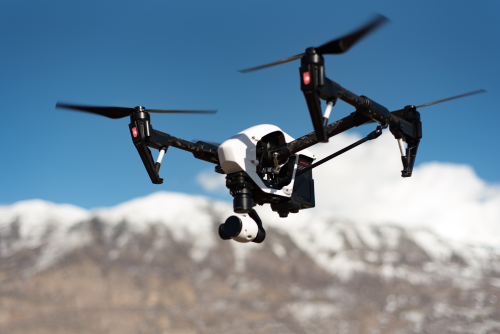
Portable travel kits reward discipline, not spec-sheet bragging. The best drone for travel is the one that fits your bag, survives your charging routine, handles the conditions you actually fly in, and still feels worth bringing on day three of a trip. If you are buying a drone for travel, the smartest decision usually comes from matching the drone class to your workflow, not chasing the biggest camera or the highest advertised flight time.
Quick Take
When people look for the best drones for portable travel kits, they often overfocus on image quality and underfocus on portability friction. In practice, these are the buying rules that matter most:
- For most travelers, a sub-250g folding camera drone is the best all-around choice.
- Move up to a compact midsize drone only if you know you need better wind handling, stronger low-light performance, or extra lens flexibility.
- A pocket selfie drone is great for simple clips and solo travel, but it is not a full replacement for a traditional camera drone.
- An FPV travel kit can be amazing for motion and action, but it is the least beginner-friendly and usually less compact once you add goggles and extra batteries.
- Buy the whole kit, not just the drone: controller, batteries, charger, props, storage, and repair support matter more on the road than they do at home.
Key Points
- The best travel drone is usually the smallest model that still meets your output needs.
- Total packed size matters more than aircraft size alone.
- Weight class can affect registration, flying privileges, and travel convenience, but rules vary by country.
- Real charging workflow is often a bigger issue than flight time.
- Wind performance separates “fun on calm mornings” from “reliable on real trips.”
- Setup speed matters if you shoot while moving between locations.
- Repairability and parts availability matter more than many buyers expect.
- If you are unsure, start with a portable folding drone with two or three batteries, not a larger “aspirational” model.
Which type of travel drone fits you best?
| Drone type | Best for | Why it works in a portable kit | Main tradeoffs | Representative models |
|---|---|---|---|---|
| Sub-250g folding camera drone | Most travelers, beginners, hobbyists, creators | Small bag footprint, easier to justify bringing daily, often lower regulatory friction in some countries | More limited in strong wind and low light than larger drones | DJI Mini 4 Pro, DJI Mini 3, Autel EVO Nano+ |
| Compact midsize folding drone | Creators who want stronger camera flexibility and wind performance | Better stability, often better image quality, stronger all-around performance | Bulkier kit, heavier batteries, usually more rule friction | DJI Air 3, Autel EVO Lite+ |
| Pocket selfie drone | Vloggers, casual travelers, family trips, quick social clips | Fastest setup, tiny form factor, approachable for non-pilots | Limited manual control, weaker in wind, less flexible camera output | HoverAir X1 |
| FPV/cinewhoop-style travel kit | Action travel, dynamic movement shots, immersive flying | Unique motion, exciting perspective, very different look from standard drone footage | Goggles and batteries add bulk, steeper learning curve, shorter flights | DJI Avata 2 |
| Compact pro camera drone | Paid shoots, demanding deliverables, higher-end travel production | Stronger optics and more pro-oriented results | Largest kit, highest cost, more travel and compliance complexity | DJI Mavic 3 Classic, DJI Mavic 3 Pro |
Why travel kits change the buying equation
A drone that looks compact on its own can become a bulky travel setup once you add:
- controller
- spare batteries
- charger or charging hub
- cables and power brick
- spare props
- filters
- memory cards or storage backup
- protective case or bag insert
That is why a travel drone should be judged by total carry footprint and total trip friction, not by aircraft size alone.
A larger drone may only seem moderately bigger in product photos, but the full kit often expands much faster than buyers expect. Bigger batteries, bigger controller cases, and longer charging times turn into real headaches when you are moving through airports, trains, day hikes, or multi-city travel.
What actually matters before you buy
1. Total packed size, not marketing photos
A drone can fold down nicely and still be annoying to travel with. Before you buy, picture the entire setup inside the bag you already use.
Ask yourself:
- Does it fit in your existing backpack or sling?
- Can you pack it without needing a dedicated hard case?
- Will you still bring it on a quick dinner walk, boat trip, or museum-day detour?
If the answer is no, you may be buying a drone for fantasy trips, not real ones.
For most travelers, the best drone is one that lives in a small insert pouch or one side of a daypack without forcing the rest of the packing list to change.
2. Weight class and rule friction
Drone rules vary globally, and weight can matter a lot. In some countries, sub-250g drones may face fewer restrictions than heavier aircraft. In others, you may still need registration, competency proof, remote identification, or location-specific permission regardless of size.
The practical buying lesson is simple:
- A lighter drone can reduce travel friction.
- A lighter drone does not guarantee you can fly anywhere.
- You must verify the destination’s aviation rules, local airspace restrictions, and protected-area policies before you fly.
If your travel style includes multiple countries, cities, and parks, a smaller drone usually gives you a more flexible starting point.
3. Setup speed beats theoretical performance
Travel flying often happens in short windows:
- sunrise before a tour starts
- quick roadside stop on a road trip
- ten calm minutes before wind picks up
- one chance at golden light before you move on
That makes time to launch extremely important.
A travel drone that needs a large unpacking routine, app checks, slow controller setup, or complicated accessory swaps may stay in the bag more often than you expect.
For travel use, good setup speed usually means:
- drone folds and unfolds quickly
- controller is simple to connect
- camera is ready fast
- batteries are easy to swap
- minimal dependence on extra gear
This is one reason small folding drones and pocket selfie drones do so well for travel buyers.
4. Real battery workflow, not advertised flight time
Advertised flight times are measured under ideal conditions. Travel is rarely ideal.
Your real-world flight time drops with:
- wind
- cold temperatures
- altitude
- repeated climbs
- active tracking
- sport or manual-style flying
- cautious reserve landing habits
What matters more than brochure numbers is your battery system:
- How many batteries can you reasonably carry?
- How long do they take to recharge?
- Can you charge them from USB-C power delivery, a car, or a power bank?
- Will your hotel, car, or field workflow support them?
- Are replacements easy to buy if one fails?
For most travel kits, two to three batteries is the sweet spot. One battery usually feels limiting. Four or more can make the kit much bulkier than the buyer expected.
5. Wind performance matters more than you think
A lot of travel footage happens in places where wind is part of the story:
- coastlines
- cliffs
- open deserts
- mountain viewpoints
- boats and waterfronts
- rooftop or urban corridors
Small drones are excellent for portability, but they do have limits. If your travel plans regularly involve windy coastlines or elevated terrain, a compact midsize drone may be worth the extra space.
This is one of the biggest regret points in travel buying:
- Buyers choose the tiniest drone available.
- They arrive somewhere spectacular.
- Conditions are flyable for a better-equipped drone, but frustrating for the smallest class.
If most of your trips are city breaks, calm sunrise flights, and casual creator shots, small drones remain the better travel buy. If your trips lean rugged, exposed, and weather-variable, step up only if you are willing to carry the larger kit every day.
6. Camera output that matches your real end use
Do not buy camera performance you will never use.
Think first about where your footage actually ends up:
- social clips
- travel reels
- YouTube
- client edits
- stock footage
- large-screen documentary work
- stills for prints or commercial campaigns
For many travelers, a modern compact drone already delivers more quality than their publishing workflow demands. Bigger sensors and more advanced optics help most in:
- dawn and dusk
- high-contrast scenes
- serious color grading
- commercial work
- large displays and demanding edits
If you mostly share online and shoot in daylight, portability usually beats chasing the absolute best image pipeline.
Also consider lens flexibility. A drone with multiple focal lengths can be useful, but only if you know how you will use them. Many buyers think they need extra lenses when they really just need more flight opportunities.
7. Obstacle sensing and tracking: useful, but not magic
For travel buyers, obstacle sensing and subject tracking sound like must-have features. They can be valuable, especially for:
- solo creators
- cyclists and hikers
- active lifestyle travel
- reveal shots and simple orbit work
- beginners who want extra confidence
But there are limits.
Obstacle sensing can miss thin branches, wires, fast closing angles, or low-light hazards. Tracking can fail in crowds, around reflective surfaces, in dense foliage, or when the subject path becomes unpredictable.
So yes, these features matter, but they should be treated as workflow helpers, not reasons to fly carelessly.
If you know you will frequently film yourself solo, good tracking may be worth paying for. If most of your travel footage is landscapes, static reveals, or manually flown shots, it matters less.
8. Repair support and spares
Travel is tough on drones. Props get chipped. Bags get compressed. Gimbals get stressed. Chargers get forgotten.
Before buying, check:
- Are spare props easy to find in your region?
- Is brand service available where you live?
- Are batteries likely to remain available for years?
- Can you get repairs without shipping internationally?
- Are third-party accessories mature and easy to source?
A slightly less exciting drone from a brand with reliable parts support can be a much better travel purchase than a more impressive-looking model with weak after-sales support.
Best drones for portable travel kits by buyer type
For most travelers: sub-250g folding camera drones
If you want one safe default answer, this is it.
This class is the sweet spot for:
- beginners
- vacation travelers
- hobbyists
- YouTubers and social creators
- backpackers who still care about image quality
- people who want a “bring it everywhere” drone
Current benchmark models in this category include the DJI Mini line, especially options like the Mini 4 Pro or Mini 3, with alternatives such as the Autel EVO Nano+ depending on regional availability and ecosystem preference.
Why this class wins:
- small enough to justify carrying daily
- capable enough for serious travel footage
- generally easier charging and packing
- often less intimidating for new pilots
- lower compliance friction in some destinations
Who may outgrow it:
- buyers regularly flying in strong coastal or mountain wind
- creators needing more robust low-light performance
- commercial users with higher-end deliverable expectations
If you are torn between “small and good” versus “bigger and better,” most people should still start here.
For creators who want more flexibility: compact midsize drones
This is the upgrade path for travelers who already know why they need more drone.
Typical fit:
- dedicated travel filmmakers
- road-trip shooters
- creators working in mixed light
- users who want stronger wind confidence
- buyers who value dual-camera setups or more lens choice
The DJI Air 3 is the clearest example of this class, with Autel’s Lite-series models also sitting in the broader compact-but-more-capable category.
Why step up:
- stronger all-around performance
- better wind handling
- more polished footage in tougher conditions
- more creative options for framing
Why not:
- larger and heavier full kit
- more travel admin
- more expensive batteries and accessories
- easier to leave behind on “light days”
This is a good buy only when its advantages will be used frequently, not occasionally.
For simple solo clips: pocket selfie drones
Pocket selfie drones are a different tool, not just a smaller camera drone.
They work best for:
- vlogging
- solo travelers
- family trips
- casual hiking content
- fast social media output
- people who want minimal learning curve
The HoverAir X1 is a good example of this category.
Strengths:
- extremely fast to deploy
- compact enough to carry almost anywhere
- easy for non-enthusiasts to use
- good for quick follow shots and everyday travel moments
Limits:
- not ideal in stronger wind
- less flexible camera control
- not a replacement for serious aerial landscapes
- weaker fit for buyers who want manual cinematic flying
If you mainly want yourself in the frame with minimal friction, this class can outperform a “better” drone simply because you will use it far more often.
For action and dynamic motion: FPV travel kits
FPV means first-person view flying, usually with goggles and a more immersive control style. Travel FPV kits can create footage that standard drones cannot match, especially for motion through terrain, urban structures, or action sequences.
The DJI Avata 2 is the most approachable example for travel buyers who want an FPV-style system without building a custom kit.
Best for:
- action creators
- adventure travel filmmakers
- riders, skiers, surfers, and sports storytellers
- pilots who want immersive motion rather than conventional aerial landscapes
Main tradeoffs:
- more gear to carry
- more batteries to manage
- learning curve
- shorter usable flights
- stricter safety discipline around people and obstacles
FPV is rarely the best first travel drone. It is a great second system for buyers who already know why they want that look.
For paid travel shoots: compact pro drones
If your travel kit is meant to deliver professional stills or video for clients, hospitality, real estate, tourism campaigns, or high-end branded content, a compact pro drone may be justified.
Examples include the DJI Mavic 3 Classic and Mavic 3 Pro.
These are the right buy when:
- the footage must stand up to demanding edits
- the trip itself is revenue-generating
- the cost of carrying extra gear is justified by output quality
- you can manage the extra legal and operational burden
They are the wrong buy when:
- you are mostly shooting for personal travel memories
- you want a simple walk-around kit
- you are not ready for the increased cost and packing footprint
For most non-commercial travelers, this class is overkill.
Build the kit, not just the drone
A good portable travel kit is usually simple.
Core travel kit checklist
- Drone
- Controller
- Two or three batteries
- Compact charger or charging hub
- Spare props
- Two memory cards
- Small protective pouch or padded insert
- Short charging cables
- Lens filters only if you truly use them
- Backup storage plan for longer trips
Accessories that are often worth it
- extra props
- screen hood if your controller screen struggles in sun
- car charger or USB-C power option
- compact microfiber cloth
- bright label with your contact details where legal and appropriate
Accessories many travelers overbuy
- oversized hard cases
- too many filters
- landing pads for every trip
- four to six spare batteries for casual travel
- bulky multi-device charging kits
The cleanest travel kits are usually the ones that stay under control.
Safety, legal, and travel compliance risks to check before you fly
Travel drones sit at the intersection of aviation rules, local property rules, battery transport rules, and privacy expectations. Even the best travel kit is a bad purchase if you assume “portable” means “easy everywhere.”
Before traveling, verify:
- whether the destination requires drone registration
- whether your pilot qualification or test result is recognized or required
- whether remote identification rules apply
- whether local parks, beaches, landmarks, or protected areas prohibit launch or landing
- whether commercial filming permits are required for your use case
- whether liability insurance is required
- whether customs or temporary import rules apply for professional equipment
- whether your airline allows your battery setup and how lithium batteries must be packed
A few conservative travel rules help almost everywhere:
- protect battery terminals
- carry spare lithium batteries as your airline requires, often in cabin baggage rather than checked luggage
- avoid flying over people, roads, moving traffic, wildlife, or sensitive sites unless clearly permitted and safe
- respect privacy and local culture
- keep visual line of sight unless local rules explicitly allow otherwise
- do not rely on automated features to solve risk
If you are traveling for paid work, double-check everything with the relevant authority and the client before departure.
Common mistakes buyers make
1. Buying for the rare trip, not the normal trip
Many people buy the drone they imagine using on an epic expedition, not the one they will actually carry on most weekends and vacations.
2. Confusing aircraft weight with full-kit portability
The drone body may be small, but the real kit includes batteries, charger, controller, and case.
3. Chasing range and top speed
In legal, safe travel flying, extreme range claims are rarely the deciding factor. Reliability, setup speed, and image workflow matter more.
4. Assuming sub-250g means no rules
Some countries treat lighter drones more gently. Others still require registration, restrictions, or location-based permissions.
5. Ignoring charging reality
A drone is not portable if your trip cannot conveniently recharge it.
6. Overestimating obstacle avoidance
It helps, but it does not make dense forests, city gaps, wires, or crowds safe.
7. Buying an FPV kit as a casual travel camera
FPV is brilliant for the right person. For many buyers, it becomes extra luggage and too little usable footage.
FAQ
Is a sub-250g drone always the best choice for travel?
Not always, but it is the best starting point for most people. If you value daily portability, easier packing, and lower rule friction in some places, it is usually the right class. If your work depends on stronger wind handling or higher-end image performance, a larger drone may be worth it.
Are pocket selfie drones enough instead of a standard drone?
They can be enough if your main goal is quick solo clips, family moments, and easy social content. They are usually not enough if you want controlled aerial landscapes, more manual camera work, or better performance in wind.
How many batteries should I travel with?
For most trips, two or three batteries is the practical sweet spot. One is often frustrating. More than three can be useful for dedicated shooting days, but it increases kit size, charging time, and travel complexity.
Should I buy FPV as my first travel drone?
Usually no. FPV travel kits are exciting, but they add learning curve, packing bulk, and safety demands. A folding camera drone is a better first travel purchase for most buyers.
Do I need obstacle sensing for travel?
It depends on your style. If you are a solo creator using tracking or you want extra support as a beginner, it can be very helpful. If you mainly fly open landscapes and plan your shots carefully, it is less essential.
Is a controller with a built-in screen better for travel?
It can be. A built-in screen can speed up setup and reduce dependence on your phone. But it may add cost and some bulk. If you travel light and do not mind using your phone, a simpler controller may fit better.
Can I put drone batteries in checked luggage?
You should verify your airline’s current rules before flying. Many airlines require spare lithium batteries to be carried in cabin baggage with terminals protected, and they may set quantity or capacity limits.
What is the best travel drone for paid client work?
If the trip is commercial and the footage standard is high, a compact pro model can be worth it. If you are doing lighter social or marketing work and still need to stay portable, a high-end sub-250g or compact midsize drone may be the smarter business tool. Match the drone to the deliverable, not just the budget.
Final decision
Start with the footage you need to bring home, then buy the smallest drone class that can deliver it consistently. For most buyers, that means a sub-250g folding drone with two or three batteries and a simple charging setup. Only move up in size when you can clearly explain what extra capability you need and why it is worth carrying on every trip.
