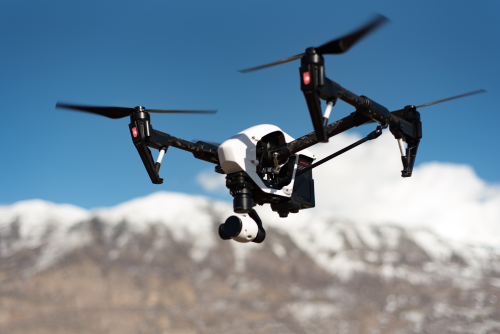
Choosing the best drones for public safety training is not the same as choosing the most capable drone for live incident response. Training fleets need predictable handling, low-consequence repetition, realistic camera workflows, and a clean upgrade path from first flights to thermal search, scene documentation, and team procedures. In most cases, the smartest buy is not one flagship aircraft, but a training stack: a forgiving trainer, a scenario drone, and then a true enterprise platform.
Quick Take
If you need the shortest answer, these are the strongest current picks to shortlist for public safety training based on role, workflow, and upgrade path:
- Best beginner trainer: DJI Mini 4 Pro
- Best step-up trainer for most teams: DJI Air 3S
- Best for creators and instructors making training content: DJI Mavic 3 Pro
- Best all-around professional training drone: DJI Mavic 3 Enterprise
- Best thermal training platform: DJI Mavic 3 Thermal
- Best advanced platform for working pros: DJI Matrice 30T
- Best non-DJI enterprise alternative: Autel EVO Max 4T
- Best special-purpose FPV-style trainer: DJI Avata 2
If your team is buying just one drone and wants the most practical crossover between training and real work, DJI Mavic 3 Enterprise is the safest overall bet. If you are training raw beginners and want low-risk repetitions, DJI Mini 4 Pro is usually the smarter starting point. If thermal is essential from day one, DJI Mavic 3 Thermal is the most balanced place to start before moving up to larger aircraft.
Key Points
| Drone | Best for | Why it stands out | Main compromise |
|---|---|---|---|
| DJI Mini 4 Pro | Beginners, academies, volunteer teams | Low-risk training, easy transport, teaches core habits well | Not an enterprise mission platform |
| DJI Air 3S | Intermediate training, scenario work, creator teams | More capable camera workflow and stronger all-around practice platform | Still consumer-oriented, no thermal |
| DJI Mavic 3 Pro | Instructors, public information teams, course media | Excellent training content, debrief footage, camera variety | Not purpose-built for enterprise workflows |
| DJI Mavic 3 Enterprise | Agencies that want one serious do-most training drone | Professional workflow, realistic field utility, better standardization | Higher cost and complexity than consumer trainers |
| DJI Mavic 3 Thermal | SAR, fire, night operations training | Thermal plus visual in a relatively manageable package | Thermal adds training complexity and cost |
| DJI Matrice 30T | Mature programs, larger agencies, advanced instructors | Rugged, multi-sensor, field-oriented, serious team platform | Overkill for beginners and expensive to train on daily |
| Autel EVO Max 4T | Agencies needing a non-DJI enterprise option | Enterprise feature set and alternative procurement path | Support ecosystem and software fit vary by region |
| DJI Avata 2 | Specialized close-quarters or immersive training content | Useful for walkthroughs and niche training scenarios | Not a core public safety training drone for most teams |
What actually makes a drone good for public safety training
A good training drone is not the one with the biggest spec sheet. It is the one that helps pilots build repeatable judgment.
For public safety training, the best drones usually share these traits:
Predictable, forgiving flight behavior
New pilots need consistency. A twitchy, fragile, or overly specialized platform can slow learning and teach bad habits.
You want a drone that makes it easy to practice:
- takeoff and landing discipline
- orientation and stick control
- airspace awareness
- camera framing while maintaining safe separation
- emergency procedures
- crew communication
A realistic sensor workflow
Training should match the missions your team actually expects to fly.
Common public safety training needs include:
- scene overview and documentation
- roof and structure awareness
- search pattern discipline
- thermal familiarization
- zoom use without tunnel vision
- after-action review and evidence handling procedures
If your team will never use thermal, do not force thermal into basic blocks. If your team will routinely train SAR or hotspot detection, visual-only drones will eventually become a ceiling.
Easy battery, charging, and reset cycles
Training days burn time fast. You do not just buy a drone. You buy:
- batteries
- props
- chargers
- cases
- spare parts
- media storage
- safe battery storage and handling procedures
A drone that looks affordable can become frustrating if one dead battery stalls half a class.
Repair support and replacement logic
Training aircraft get bumped, worn, and cycled harder than occasional hobby drones. Before you standardize a fleet, verify:
- local distributor support
- regional repair turnaround
- battery availability
- controller compatibility
- accessory stock
- whether your agency can actually procure replacements quickly
Platform consistency across the fleet
This is where many teams overspend.
If every aircraft uses a different app, controller style, battery system, and media workflow, your training burden multiplies. A cleaner fleet is easier to teach, easier to maintain, and easier to document in standard operating procedures.
The best drones for public safety training
DJI Mini 4 Pro
Best for raw beginners and low-risk repetitions
If your program is teaching first flights, preflight habits, landing discipline, and basic camera awareness, the DJI Mini 4 Pro is the best starting point for most teams.
It works because it lowers the stress of training. Instructors can put new pilots through more repetitions without immediately risking a more expensive enterprise aircraft. It is also compact enough to travel easily for off-site classes, regional academies, and instructor road kits.
Why it fits public safety training:
- great for basic stick skills and orientation
- useful for teaching safe launch, hover, pattern work, and simple scene capture
- easier to carry for field instruction
- less painful than damaging a flagship enterprise drone
- can be useful in some markets where lighter aircraft create less operational friction, though rules still vary
Where it falls short:
- not built around enterprise accessories or enterprise workflows
- not the best option for strong wind, ugly weather, or demanding field days
- no thermal capability
- can give teams a false sense that a lightweight trainer equals a duty-ready platform
Best for:
- training academies
- volunteer search teams starting from zero
- first-time agency pilots
- instructors who want a travel-friendly trainer
If your goal is to build confidence before moving pilots up, this is usually the right first buy.
DJI Air 3S
Best step-up trainer for scenario work and instructor versatility
The DJI Air 3S is where training starts to feel more operational without jumping straight to enterprise complexity. It is a strong bridge between beginner-friendly flying and more realistic scene work.
For many teams, this is the drone that helps pilots move beyond “I can fly” to “I can manage a scenario, compose useful shots, and think ahead.”
Why it fits:
- more capable camera workflow than ultra-light trainers
- better for realistic scene overviews, roof checks, perimeter visualization, and debrief footage
- strong option for instructors who also create lesson material
- better stepping stone than going straight from a mini drone to a full enterprise thermal platform
Where it falls short:
- still consumer-first rather than enterprise-first
- lacks thermal and purpose-built public safety accessories
- may not align with agencies that want one software and hardware stack across all aircraft
Best for:
- intermediate students
- public safety instructors
- communications or training teams
- departments that want a serious practice drone before enterprise rollout
If the Mini 4 Pro teaches fundamentals, the Air 3S teaches judgment under more realistic camera and flight demands.
DJI Mavic 3 Pro
Best for creators, instructors, and polished training media
Not every public safety program needs a camera-first aircraft, but the ones that produce training modules, after-action breakdowns, recruitment footage, community outreach media, or classroom content absolutely benefit from one.
That is where the DJI Mavic 3 Pro makes sense.
This is not the most “public safety” drone in the lineup. It is the best pick for teams that need high-quality visuals for instruction, analysis, and communication.
Why it fits:
- strong image quality for course content and debriefs
- multiple focal lengths help teach framing, context, and shot selection
- useful for instructors documenting scenarios for later review
- can double as a creator platform for training centers and media units
Where it falls short:
- not purpose-built for enterprise workflows
- no thermal
- if your team is purely operational, the money may be better spent on Mavic 3 Enterprise or Mavic 3 Thermal instead
Best for:
- public information officers
- instructors building reusable course assets
- training companies
- agencies that want polished internal and external visual communication
If your “creator” role matters in your program, this is the best camera-first option to shortlist.
DJI Mavic 3 Enterprise
Best all-around professional training drone
For most serious public safety programs, the DJI Mavic 3 Enterprise is the best balance of professionalism, portability, and training relevance.
If I had to recommend one drone that can teach realistic workflows without immediately forcing teams into the size, cost, and logistics of a larger aircraft, this is it.
Why it fits:
- closer to real field use than consumer drones
- better platform for scenario-based instruction and standard operating procedures
- more suitable for teams that need mapping, inspection-style workflows, or structured data collection
- easier to justify as both a training tool and a practical operational asset
- cleaner bridge into enterprise software, controller logic, and team procedures
Where it falls short:
- more expensive to hand to complete novices than a Mini 4 Pro
- visual-only, so it will not replace a thermal platform for SAR, fire, or night-heavy programs
- still not the right choice if your team truly needs a heavier-duty all-weather aircraft
Best for:
- police, fire, SAR, and emergency management programs
- departments moving from consumer drones into formal operations
- schools and academies that want training to mirror real field expectations
- agencies trying to standardize around one professional platform
For many readers, this is the best single-drone answer in the article.
DJI Mavic 3 Thermal
Best thermal training platform for most agencies
If your training plan includes search work, hotspot awareness, night operations, or heat-signature interpretation, the DJI Mavic 3 Thermal is the most balanced thermal training buy for many teams.
It gives you both visual and thermal workflows in a format that is still manageable for instruction. That matters because thermal training is not just about turning on a different camera. It requires pilots to understand interpretation, false positives, environmental conditions, and when thermal data is actually useful.
Why it fits:
- lets teams teach visual and thermal side by side
- useful for realistic search exercises and fire-related awareness training
- easier to deploy and teach than larger enterprise aircraft
- often a logical next step after a visual training platform
Where it falls short:
- not a beginner’s first drone unless thermal is central to your mission
- thermal can be misread by undertrained pilots
- if your team operates in harsh weather or wants a larger, more field-heavy setup, you may outgrow it
Best for:
- SAR teams
- fire services
- night operations training
- agencies building thermal competence without jumping immediately to a larger platform
If thermal is mission-critical, this is where most training programs should start before thinking about heavier aircraft.
DJI Matrice 30T
Best for working pros and advanced public safety programs
The DJI Matrice 30T is not the drone most teams should buy first. It is the drone mature programs buy when training must reflect serious field deployment.
It is a better fit when your instructors are already beyond the basics and your agency needs a platform that supports more demanding scenarios, more demanding environments, and a more formal operational posture.
Why it fits:
- multi-sensor capability for advanced scenario training
- more field-oriented and weather-capable than smaller aircraft
- strong choice for agencies training command-level workflows, coordinated team operations, and more serious public safety missions
- better platform for larger incidents, vehicle-based deployments, and operational realism
Where it falls short:
- expensive to train on if students are still developing basic handling
- larger logistics footprint
- overkill for many small departments, volunteer teams, and early-stage programs
Best for:
- mature police, fire, and SAR units
- regional response teams
- agencies with dedicated drone staff
- programs that already have beginner and intermediate trainers in place
If your program is still building first-flight confidence, skip this for now. If your program is already operationally mature, it becomes much more compelling.
Autel EVO Max 4T
Best non-DJI enterprise alternative
Some agencies cannot or do not want to standardize on DJI. Procurement rules, security policies, distributor relationships, or internal preference can narrow your options before performance even enters the conversation.
For those buyers, the Autel EVO Max 4T is one of the most relevant enterprise alternatives to evaluate.
Why it fits:
- built around enterprise use cases rather than hobby flying
- multi-sensor approach suits public safety training scenarios
- viable path for agencies wanting a non-DJI stack
- worth considering where local support for Autel is stronger than for rivals
Where it falls short:
- local support, accessories, and software fit can vary a lot by country and reseller
- training materials and ecosystem depth may not match what some teams expect from more common platforms
- you should verify repair and replacement channels before committing
Best for:
- agencies with vendor restrictions
- procurement-led organizations
- teams that want to test an alternative enterprise stack
- buyers who prioritize local enterprise reseller support
This is not the universal default pick. It is the right shortlist item when DJI is not an option or not the preferred option.
DJI Avata 2
Best special-purpose FPV-style pick, not a core fleet buy
The DJI Avata 2 can be useful for specialized training or content creation, but it is not the default recommendation for most public safety programs.
Where it can help:
- immersive walkthrough-style training videos
- confined-space familiarization in controlled environments
- instructor demonstrations for orientation and line choice
- creator teams producing dynamic educational footage
Why it is not a core recommendation:
- FPV-style flying has a steeper learning curve
- safety margins shrink fast in close proximity work
- it is easy for teams to confuse “cinematic” with “operationally useful”
- not the right place to start basic public safety training
Best for:
- specialized instructors
- controlled scenario production
- niche inspection or familiarization training
- teams that already have a solid standard training fleet
If your budget is tight, you will almost always get more value from extra batteries and more reps on your main aircraft than from adding an Avata 2.
The best fleet setups, not just the best single drone
Most public safety programs should think in fleet layers.
Lean starter program
Best for small departments, volunteer teams, and new academies.
Recommended structure:
- DJI Mini 4 Pro for fundamentals
- DJI Air 3S for scenario progression
- Spare batteries, props, charging, and a consistent instructor checklist
Why this works: it builds core flight skill cheaply and safely before the team starts treating every session like a mission.
Balanced agency program
Best for departments that need training and real operational value.
Recommended structure:
- DJI Mini 4 Pro for novice reps
- DJI Mavic 3 Enterprise for operational workflow
- DJI Mavic 3 Thermal if thermal missions are part of the plan
Why this works: students learn progressively while the agency standardizes around a professional toolset.
Mature operational program
Best for larger agencies or regional response teams.
Recommended structure:
- Beginner trainer such as Mini 4 Pro
- Professional core platform such as Mavic 3 Enterprise or Mavic 3 Thermal
- Advanced field platform such as Matrice 30T or Autel EVO Max 4T
- Optional creator platform like Mavic 3 Pro if media and debrief production matter
Why this works: each aircraft has a role, and nobody wastes advanced aircraft on beginner mistakes.
Safety, legal, and operational limits to verify before training
Public safety training is still aviation activity. In many countries, agency status does not erase normal flight rules.
Before you train, verify all of the following with the relevant civil aviation authority, land manager, venue owner, and your own agency leadership:
- pilot qualification requirements
- registration or aircraft marking rules
- remote identification or equivalent requirements where applicable
- night operation rules
- training over or near uninvolved people
- controlled or restricted airspace access
- park, campus, stadium, or municipal site restrictions
- privacy and data retention rules
- thermal use and surveillance-related policy limits
- insurance or internal risk management requirements
- battery transport rules for travel, especially by air
- any procurement or vendor restrictions that affect the aircraft you choose
Operationally, training should also include:
- a written preflight and postflight process
- emergency landing criteria
- lost-link and return-to-home expectations
- battery handling discipline
- controlled training areas
- clear crew roles
- no improvised flying over active incidents just to “get reps”
Do not assume a training scenario is exempt because it is educational. Verify first.
Common mistakes buyers make
Buying the duty platform before the training platform
This is the classic error. Teams buy the most impressive aircraft first, then discover they are using a costly mission drone to teach takeoff, hover, and landing.
Start with a forgiving trainer, then scale up.
Treating thermal like magic
Thermal is powerful, but it is not a cheat code. It can be fooled by surface conditions, reflections, environmental contrast, and operator inexperience.
If you buy thermal, budget for thermal instruction, not just thermal hardware.
Ignoring batteries, props, and charging workflow
One drone with too few batteries is not a training program. It is a bottleneck.
Mixing too many platforms too early
Too many controllers, apps, and workflows create confusion. Standardize where you can.
Choosing based on marketing zoom instead of mission fit
A bigger zoom number does not automatically make a better training drone. Most programs benefit more from stable workflow, clear visuals, and disciplined instruction than from extreme camera reach.
Overusing creator drones for operational training
Beautiful footage is not the same thing as a public safety workflow. Creator drones are valuable, but they should not replace enterprise planning where enterprise needs exist.
Forgetting repair and procurement reality
The best aircraft on paper becomes a bad fleet decision if batteries, props, repairs, or approval to buy replacements are hard to get in your market.
FAQ
What is the best first drone for a public safety training program?
For pure beginner training, DJI Mini 4 Pro is usually the best first buy. For agencies that want one aircraft that can train and also do serious professional work, DJI Mavic 3 Enterprise is the better long-term choice.
Should public safety teams train on the same drone they deploy in the field?
Partly, yes. Use a lower-risk trainer for fundamentals, then transition pilots onto the actual operational platform for scenario blocks, crew coordination, and mission-specific procedures.
Is thermal necessary for public safety training?
Only if thermal is part of your real mission set. If your team does SAR, fire, night search, or hotspot-related work, thermal matters. If your mission is mostly documentation and daylight overwatch, it may not be your first priority.
Can a consumer drone be used for public safety instruction?
Yes, especially for fundamentals and scenario practice. Consumer drones can be excellent trainers. They simply should not be confused with fully enterprise-ready duty platforms.
Which accessories matter most for training?
The essentials are usually:
- extra batteries
- spare props
- reliable charging
- protective case
- landing surface for dusty sites
- labeled media cards or storage workflow
- battery-safe storage and transport process
Are FPV drones useful for public safety training?
Only in specialized cases. They can help with immersive walkthroughs, confined-space familiarization, or training media, but they are not the core buy for most agencies.
What should global buyers verify before purchasing?
Verify local aviation rules, import and battery transport rules, radio approvals, privacy requirements, repair support, and any agency procurement restrictions. Those factors can rule in or rule out a drone before flight performance does.
How many drones should a serious training program own?
Usually more than one. A practical setup often includes a beginner trainer, a professional scenario platform, and a thermal or advanced enterprise aircraft only if the mission justifies it.
Final takeaway
The best drones for public safety training are the ones that match your training ladder, not the ones with the flashiest headline features. Start beginners on a forgiving platform like the DJI Mini 4 Pro, move serious programs toward DJI Mavic 3 Enterprise, add DJI Mavic 3 Thermal when thermal is mission-critical, and reserve platforms like Matrice 30T for mature teams that can actually use them well. If you are buying this month, build your shortlist around roles, batteries, repair support, and workflow consistency first, then choose the aircraft that fits your program’s real next step.
