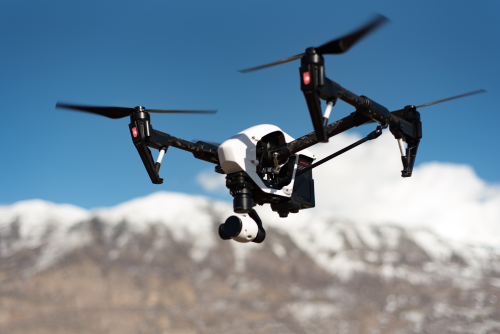
Choosing the best drones for real estate agents is less about buying the biggest camera and more about matching the aircraft to the listings you actually market. A beginner shooting standard homes, a solo agent creating social content, and a media contractor handling luxury estates should not buy the same drone. This guide breaks down what to buy based on budget, skill level, and real-world property marketing needs, so you can spend once and avoid expensive buyer regret.
Quick take
If you want the short version, here it is:
- Best beginner and lightweight pick: DJI Mini 4 Pro
- Best overall for most active real estate agents: DJI Air 3
- Best premium choice for luxury listings and serious media work: DJI Mavic 3 Pro
- Best premium value if image quality matters more than extra lenses: DJI Mavic 3 Classic
- Best option if you will not fly regularly: hire a qualified local drone operator instead of buying
The biggest mistake most buyers make is assuming real estate needs the most expensive drone. In practice, the best real estate drone is the one that gives you safe, repeatable exterior shots, fast turnaround, reliable batteries, and footage that looks polished without turning every listing into a full film production.
Key points
- Most real estate agents do not need an enterprise drone.
- A good real estate drone should prioritize ease of use, stable hover, clean video, useful photo quality, and safe obstacle sensing.
- Dual focal lengths can matter more than raw camera hype, because they help you frame homes and land more naturally.
- Sub-250 g drones can be easier to live with in some countries, but they are not automatically exempt from all registration or commercial rules.
- If you want interior fly-throughs, a standard camera drone is usually the wrong tool.
- Budget for the full kit, not just the aircraft: batteries, storage, spare props, charging, and protection matter.
- If you fly only occasionally, outsourcing is often cheaper and lower-risk than ownership.
What real estate agents actually need from a drone
A drone for real estate is not being judged on the same criteria as a drone for mapping, racing, or cinema production.
For most property marketing work, the essentials are simpler:
- Reliable position hold and hover
- Predictable controls for smooth movement
- Strong enough camera quality for listing photos and video
- Good dynamic range, meaning better ability to hold bright skies and darker shadows in the same scene
- A useful lens or lens mix
- Obstacle sensing and return-to-home reliability
- Enough battery life to finish a property without rushing
- A simple workflow for exporting clips and stills quickly
What usually matters less than people think:
- Extreme top speed
- FPV-style agility
- Heavy cinema rigs
- Specialized mapping sensors
- A long spec sheet you will never use on actual listings
Real estate marketing is about clean establishing shots, lot context, driveway and backyard reveals, roofline and elevation views, approach shots, and neighborhood context. The drone that handles those tasks consistently is the right one.
How to choose the right drone in 5 questions
Before looking at models, ask these five questions.
1. Will you fly often enough to justify ownership?
If you will fly only a handful of times per year, buying may not make sense. Training time, compliance checks, insurance, battery upkeep, and editing can outweigh the benefit of owning the drone.
A simple rule: if drone work will be a regular part of your listing process or your agency’s marketing system, buying makes sense. If not, outsource.
2. Are your listings mostly standard homes or larger properties?
- Small residential lots, condos, townhouses: a compact drone is often enough
- Large estates, farms, equestrian properties, waterfront, resorts: a stronger all-rounder with better framing flexibility is usually worth it
3. Are you mainly shooting photos, polished video, or short-form social content?
- Photos + basic video: Mini 4 Pro is often sufficient
- Polished listing videos: Air 3 is usually the sweet spot
- Luxury marketing or premium paid media: Mavic 3 Pro starts to make sense
4. How experienced are you as a pilot?
- Beginner: start smaller and more forgiving
- Intermediate: mid-tier dual-camera drones become more valuable
- Advanced or professional media operator: premium drones can pay off
5. Do you work in windy, coastal, or rural areas?
If your shoots often happen in exposed conditions, a slightly larger drone can be a better working tool than an ultra-light model.
Best drones for real estate agents by budget, skill level, and use case
Comparison table
| Buyer profile | Rough all-in budget band | Best pick | Why it fits | Main compromise |
|---|---|---|---|---|
| New agent, solo marketer, light travel use | Entry | DJI Mini 4 Pro | Portable, easy to learn, strong features for the size, great for standard listings and social clips | Less confidence in wind, less premium look for high-end work |
| Active agent, small agency, regular listing content | Mid-tier | DJI Air 3 | Best balance of image quality, stability, lens flexibility, and workflow | Heavier, bulkier, and usually more compliance friction than a mini drone |
| Luxury specialist, media contractor, high-end agency | Premium | DJI Mavic 3 Pro | Strongest image flexibility for premium output, better for demanding clients and large properties | Expensive, more than most agents need |
| Buyer focused mainly on main-camera quality | Premium value | DJI Mavic 3 Classic | Excellent image quality without paying for a full multi-lens setup | Less framing flexibility than Air 3 or Mavic 3 Pro |
| Infrequent user | Pay per shoot | Hire a local pilot | Lower risk, no training or maintenance burden | Less scheduling control and less hands-on content freedom |
Best beginner drone for real estate: DJI Mini 4 Pro
The DJI Mini 4 Pro is the easiest recommendation for real estate agents who are new to drones or want the lightest practical option.
Why it works
- Compact and easy to carry between showings
- Less intimidating for first-time pilots
- Strong feature set for a small aircraft
- Very useful for social video, quick hero shots, and standard exterior marketing
- In some countries, its sub-250 g class can reduce certain regulatory burdens, though you still need to verify local rules
For a solo agent who wants to capture: – front elevation shots – backyard reveals – top-down context – short reel-style video clips – vacation rental exterior content
the Mini 4 Pro is often enough.
Where it shines
- Dense residential neighborhoods
- Travel-friendly work
- Agents who want to keep a drone in the car or bag
- Beginners who need a safer, more approachable learning curve
Where it falls short
- Windy coastal or rural areas
- Large estates where you want more polished, premium-looking motion
- Listings where a tighter lens would improve composition
- Luxury twilight marketing where image quality expectations are higher
Best for
- Beginners
- Independent agents
- Teams that need a compact backup drone
- Social-first marketers
Skip it if
You regularly market acreage, waterfront homes, or luxury properties where better lens flexibility and a more planted feel in the air will noticeably improve the final product.
Best overall drone for most real estate agents: DJI Air 3
If you want one drone that fits the widest range of real estate jobs without going full premium, the DJI Air 3 is the sweet spot.
Why it stands out
The biggest reason is the dual-camera setup. In real estate, that matters more than many buyers expect.
A tighter lens helps you: – avoid the stretched look of very wide shots – make homes look more natural and less distorted – frame pools, driveways, patios, and facades more elegantly – create more premium-looking reveal shots
The Air 3 also gives you a more confident feel in the air than a mini drone. For regular commercial use, that matters.
Real-world fit
The Air 3 is excellent for:
- standard residential listings
- larger homes on wider lots
- rural and lifestyle properties
- golf, waterfront, or hillside homes
- agents producing repeatable branded video packages
Why most agents should choose this over a premium drone
Because it gives you the biggest practical jump over entry-level models:
- better framing flexibility
- more stable presence in moderate wind
- stronger “professional” feel in the output
- easier upsell potential for higher-end listings
And it does that without forcing you into the price, size, and complexity jump of a Mavic 3 Pro.
Best for
- Agents who fly regularly
- Small brokerages building an in-house content system
- Operators who want one serious all-rounder
- Property marketers covering both homes and land
Skip it if
You are truly a beginner on a tight budget, or you need the lightest possible drone due to frequent travel and minimal kit size.
Best premium drone for luxury listings: DJI Mavic 3 Pro
The DJI Mavic 3 Pro is the best fit when real estate content is part of a premium media offering, not just a listing add-on.
Why buyers choose it
You buy this drone when the client notices image quality, when you shoot luxury property regularly, or when you are delivering video that has to stand up beside professional ground-camera footage.
Its strengths are most obvious in:
- high-end residential marketing
- luxury estates
- resort or hospitality properties
- cinematic brand films for brokerages
- more demanding golden-hour and twilight work
What makes it worth the money
- More flexible focal lengths for refined composition
- Stronger premium-image ceiling
- Better fit for operators who already know how to color grade and edit carefully
- More headroom for agencies or media businesses offering top-tier packages
Why it is not the default answer
For most agents, it is overkill.
You can absolutely spend premium money and still get average listing results if: – your shot planning is weak – your editing is basic – your local airspace limits where you can fly – you mainly market standard suburban homes
A premium drone does not fix a weak workflow.
Best for
- Experienced pilots
- Real estate media companies
- Luxury-focused agencies
- Buyers who are selling visual quality as a service
Skip it if
You are still learning basic drone movement, or your average listing does not justify the cost.
Smart premium value: DJI Mavic 3 Classic
The Mavic 3 Classic deserves a quick mention because it can be a smarter buy than the Mavic 3 Pro for some users.
If your priority is mainly the main camera image quality and you do not need multiple lenses, the Classic can be a better value. It is especially appealing for buyers who want premium output but prefer a simpler setup.
The tradeoff is obvious: less focal length flexibility.
What to buy based on real use cases
Standard residential listings
If most of your work is detached homes, small lots, condos, or townhouses:
- Best pick: DJI Mini 4 Pro
- Upgrade pick: DJI Air 3
A Mini 4 Pro is usually enough if the goal is attractive exteriors, neighborhood context, and short clips for listings and social media.
Larger lots, land, farms, and lifestyle properties
If you sell acreage, ranch-style property, farms, equestrian estates, or homes with long drives and outbuildings:
- Best pick: DJI Air 3
- Premium pick: DJI Mavic 3 Pro
These properties benefit from stronger framing control and a more stable feel in the air. A tighter lens becomes more useful here than buyers often expect.
Luxury homes and high-end video packages
If the property is being marketed with a full visual campaign:
- Best pick: DJI Mavic 3 Pro
- Value alternative: DJI Air 3 if you want a more practical business tool
If you only do occasional high-end listings, the Air 3 is often the more rational purchase. The Mavic 3 Pro makes the most sense when premium output is part of your business model, not just an aspiration.
Social media-first agent branding
If your main goal is agent branding, quick reels, local area highlights, and frequent short content:
- Best pick: DJI Mini 4 Pro
- Best all-round upgrade: DJI Air 3
A smaller drone can actually be the smarter content tool because it is more likely to be carried, launched, and used consistently.
Interior fly-throughs
This is where many buyers get it wrong.
A normal real estate drone is usually not the best answer for interior property tours. Indoors, GPS support can be limited, spaces are tighter, and risk rises quickly around ceilings, walls, lighting, glass, and people.
For interiors, you usually want:
- a handheld gimbal camera
- a smartphone gimbal
- or a specialist FPV operator for cinematic fly-throughs
Do not buy a standard exterior drone expecting it to solve interior video by itself.
Budget for the full kit, not just the drone
A lot of bad buying decisions come from comparing aircraft prices and ignoring the real working kit.
At minimum, a real estate setup should include:
- 2 to 3 extra batteries
- Spare propellers
- Fast storage cards
- A proper charger or charging hub
- Protective case or bag
- Lens cleaning kit
- Basic liability protection or insurance where required or advisable
- Optional ND filters if you shoot a lot of video in bright conditions
You should also budget for:
- maintenance or care plan
- editing software
- cloud storage or backup drives
- travel charging if you work on the road
A cheap drone with one battery is not a business tool. It is a frustration.
Safety, legal, and compliance checks before flying a listing
Real estate drone work is still aviation activity. Laws vary widely by country, and local restrictions can change by city, airspace type, and property location.
Before flying commercially, verify the rules that apply in your location.
1. Confirm whether commercial drone work triggers extra requirements
In many countries, using a drone for real estate marketing counts as commercial use even if the flight is part of your own listing workflow. You may need registration, pilot certification, operator approval, or insurance.
2. Check airspace every time
A property owner’s permission does not override aviation restrictions.
Homes near airports, heliports, hospitals, controlled airspace, government sites, ports, or dense city centers may require additional clearance or may not be flyable at all.
3. Respect privacy and neighboring property
Real estate work often happens close to homes, streets, and backyards. Avoid invasive angles, unnecessary lingering near neighboring properties, and any flight that creates a privacy complaint or safety concern.
4. Keep people and vehicles out of the risk area
Open homes, delivery traffic, contractors, family members, and curious neighbors can turn a simple listing flight into a bad risk environment fast.
5. Watch wind, trees, wires, and birds
Real estate locations are full of hidden hazards: – power lines – tree canopies – flagpoles – antennas – reflective glass – birds defending nests
6. Verify any local rules for night or twilight work
If you plan sunset or twilight shoots, check whether night operation rules, lighting requirements, or extra approvals apply.
7. Check manufacturer flight restrictions before the appointment
Some drones include built-in geo-awareness or flight limitations that may affect takeoff. Do not discover that in front of a client.
Common mistakes real estate drone buyers make
Buying too much drone too early
A premium drone is wasted if you are still learning smooth movement, safe launch habits, and editing basics.
Buying too little drone for windy or large-property work
A tiny drone can be perfect for city listings and still be the wrong tool for exposed rural properties.
Thinking camera specs matter more than lens choice
A second focal length can improve real estate composition more than a spec-sheet jump you will barely notice in finished listing media.
Trying to use one drone for everything
Exterior listing shots, interior tours, FPV fly-throughs, and full luxury brand films are not the same job.
Ignoring the editing workflow
If you cannot quickly sort, trim, color, export, and deliver, the drone will become shelf gear.
Forgetting batteries and turnaround time
One or two short flights is rarely enough if you need multiple takes, alternate angles, or a reshoot after wind shifts.
Treating sub-250 g as a free pass
Smaller drones may help in some regulatory systems, but they do not automatically remove commercial, privacy, airspace, or safety obligations.
FAQ
Is the DJI Mini 4 Pro good enough for paid real estate work?
Yes, for many agents it is. It is strong enough for standard residential exteriors, social clips, and many listing needs. Its limitations show up more in wind, large-property work, and premium luxury output.
Is the DJI Air 3 better than the Mini 4 Pro for real estate?
For most serious in-house real estate marketing, yes. The Air 3 is usually the better working tool because of its dual-camera flexibility and more confident performance in typical outdoor conditions.
Do real estate agents need a license to fly a drone?
Often, yes, or at least some form of registration, operator approval, or competency requirement. This varies by country and sometimes by the type of operation. Verify with your national or local aviation authority before offering drone services.
Is the Mavic 3 Pro worth it for real estate?
It is worth it when you regularly market luxury properties or sell high-end media services. For normal listing work, it is often more drone than you need.
Can I use a regular drone for indoor real estate tours?
Usually not well. Standard camera drones are better for outdoor property views. For interiors, a handheld camera setup or a specialist FPV operator is often the smarter option.
How many batteries should a real estate agent buy?
At least three total is a practical starting point for real work. That gives you flexibility for multiple takes, delays, and a second property without constant charging pressure.
Should I buy a drone or hire a local operator?
Buy if drone content will be a regular part of your marketing workflow and you are prepared to learn, comply, and edit. Hire if usage is occasional, airspace is complex, or you want premium results without the operational burden.
Final decision
If you want the safest recommendation for most buyers, buy the DJI Air 3. It is the best balance of budget, skill growth, lens flexibility, and real estate-ready output.
If you are a beginner or want the lightest practical tool, choose the DJI Mini 4 Pro. If luxury marketing is a core part of your business and you already know how to extract premium results, step up to the DJI Mavic 3 Pro.
The smartest next step is simple: define the properties you actually market most often, decide whether you will really fly regularly, and buy the smallest drone that fully meets that real workload. That is how you avoid overspending and still get listing content that helps sell property.
