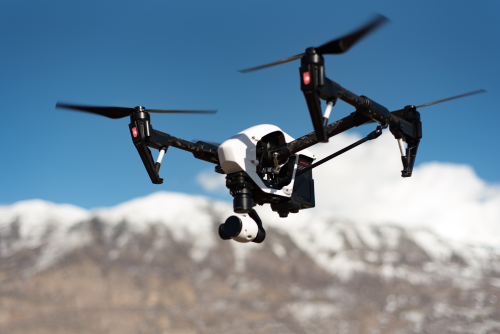
The best drones for real estate are not the same for every buyer. A first-time agent who wants clean exterior shots, a social-first creator making listing reels, and a full-time property media operator should not buy the same aircraft. This guide breaks down the right picks for beginners, creators, and working pros, with the tradeoffs that actually matter when you are flying around homes, dealing with clients, and delivering usable media fast.
Quick Take
If you want the short version, these are the strongest real-estate drone picks right now based on fit, workflow, and buyer regret risk rather than hype:
| Drone | Best for | Why it fits real estate | Main tradeoff |
|---|---|---|---|
| DJI Mini 4 Pro | Beginners, solo agents, light-travel operators | Easy to carry, approachable to fly, strong results for everyday listings, useful for social content | Smaller aircraft and camera system show their limits sooner in wind and low light |
| DJI Air 3S | Creators, serious part-time shooters, growing businesses | Excellent all-around balance of image quality, flight confidence, and dual-camera flexibility | Larger kit, higher cost, and less regulatory simplicity than mini-class drones in some markets |
| DJI Mavic 3 Classic | Working pros who prioritize image quality | Large-sensor main camera, strong dynamic range, mature pro workflow | More expensive and less flexible than dual-camera options if you want multiple focal lengths |
| DJI Mavic 3 Pro | Luxury listings and mixed commercial work | Premium image quality with extra focal lengths for higher-end storytelling | Cost, complexity, and overkill for average listing work |
| Autel EVO Lite+ | Buyers wanting a credible non-DJI option | Imaging-focused alternative with good real-estate potential | Regional support, accessories, and ecosystem consistency can vary |
| DJI Mini 3 | Budget-conscious beginners | Low-risk entry into real-estate drone work if you mainly shoot daytime exteriors | Fewer safety and feature advantages than the Mini 4 Pro |
Key Points
- For most first-time real-estate buyers, the safest recommendation is the DJI Mini 4 Pro.
- If you shoot both listing media and social-first video, the DJI Air 3S is the current sweet spot.
- If you get paid to shoot property every week, the DJI Mavic 3 Classic is one of the smartest image-quality buys.
- Bigger is not always better. Many buyers overspend on pro hardware before they have the client volume to justify it.
- A medium tele camera can matter more for real estate than extra resolution, because it helps avoid the stretched, distorted look that makes houses feel unreal.
- Under 250 g does not mean “no rules.” Registration, pilot competency, airspace approval, privacy, and commercial-use requirements vary by country and must be checked locally.
What real-estate drone work actually needs
A real-estate drone does not need to be the most cinematic drone on the market. It needs to be dependable, fast to deploy, and able to produce clean exterior media repeatedly.
For property work, these features matter most:
1. Reliable image quality in bright skies and deep shadows
Real-estate scenes are full of contrast: bright roofs, dark trees, reflective windows, shaded façades. You want good dynamic range, which means the camera can hold detail in both highlights and shadows without turning the house into a silhouette or blowing out the sky.
2. A useful focal length, not just a wide one
Many beginners shoot everything ultra-wide. That often makes homes look smaller, taller, or more distorted than they really are. A drone with a second, slightly tighter camera can produce more flattering exterior views.
3. Stable hovering near obstacles
Trees, chimneys, power lines, fences, and roof edges are common in residential work. Good obstacle sensing does not replace pilot skill, but it can reduce beginner mistakes and help with careful repositioning.
4. Fast, repeatable workflow
Real-estate operators usually need to work quickly. You want a drone that boots fast, locks in position reliably, swaps batteries easily, and does not turn a 20-minute listing into a 90-minute production.
5. Good enough low-light performance for golden hour
You do not need a cinema drone for most property jobs. But if you regularly shoot sunrise, sunset, twilight, luxury exteriors, or wooded estates, a larger camera sensor gives you more room to work.
The right picks for beginners, creators, and working pros
Best for most beginners: DJI Mini 4 Pro
If you are new to drone flying, a solo real-estate agent, or a part-time photographer adding aerials to your package, the DJI Mini 4 Pro is the easiest recommendation.
It is small enough to carry everywhere, capable enough to produce professional-looking exterior media for standard listings, and forgiving enough that new pilots are less likely to feel overwhelmed on location.
Why it works for real estate
- It is in the sub-250 g class, which can reduce the regulatory burden in some countries.
- It is easy to pack for agents, photographers, and travel creators covering multiple properties in a day.
- It offers strong image quality for daytime listing photos, neighborhood reveals, and short social edits.
- It has advanced safety features compared with older entry-level drones.
- It is especially practical if vertical social content matters to your business.
Where it shines
The Mini 4 Pro is a very good fit if your typical work looks like this:
- suburban homes
- daytime exterior photos
- short listing videos
- one-person operation
- light travel
- occasional paid work rather than daily high-end production
Where it starts to struggle
- gusty coastal or hillside locations
- frequent twilight work
- large luxury properties where subtle image quality differences matter
- shooters who want more lens variety without moving the aircraft constantly
Who should buy it
Buy the Mini 4 Pro if you want the lowest-stress path into real-estate drone work and do not want your first drone to feel like a commercial aircraft project.
Who may outgrow it quickly
If you already know you will shoot premium homes, large estates, resorts, acreage, or high-volume paid listings, you may outgrow the Mini class faster than you expect.
Best for creators and ambitious solo operators: DJI Air 3S
For many buyers, the DJI Air 3S is the real sweet spot in this category. It feels like the step where real-estate work becomes more intentional: better image headroom, more confidence in the air, and a camera setup that gives you more than one look.
Why it works for real estate
- The dual-camera setup is genuinely useful for property work.
- The wider view handles classic establishing shots.
- The medium tele view helps with cleaner framing and less exaggerated house distortion.
- It gives creators better flexibility for both listing deliverables and social content.
- It feels more stable and more capable than mini-class drones when conditions are less than perfect.
That second camera matters more than many buyers realize. Real-estate media often looks better when you back up and compress the scene slightly rather than pushing an ultra-wide lens close to the house.
Best use cases
The Air 3S is ideal if you:
- shoot listings and short-form property reels
- want better quality than a mini-class drone without jumping to Mavic pricing
- work across residential, small commercial, and land marketing
- want one drone that can cover client work and personal travel content
Main tradeoffs
- It is larger and less discreet than a Mini.
- In many regions, it will not benefit from the same lighter regulatory treatment as sub-250 g aircraft.
- It costs more once you add extra batteries, filters, and storage.
- It is still not the final word in premium low-light real-estate imaging.
Who should buy it
If you are serious about property marketing, want content that feels more polished, and expect to grow your drone work, the Air 3S is one of the smartest all-around buys.
A note on the Air 3
If the Air 3 is heavily discounted in your market, it can still be a very sensible real-estate purchase. The broader buying logic is the same: you are buying into the “serious all-rounder” class.
Best working-pro value: DJI Mavic 3 Classic
If real estate is not just an add-on, but a real paid service, the DJI Mavic 3 Classic is one of the strongest value-for-quality buys available.
For many working professionals, this is the point where the camera starts giving you more confidence in difficult scenes rather than merely “good enough” files.
Why it works for real estate
The Mavic 3 Classic’s large main sensor is the big story. In practical terms, that usually means:
- better highlight and shadow handling
- cleaner results around sunrise and sunset
- footage that grades more naturally alongside mirrorless ground cameras
- more polished output for luxury homes, hotels, resorts, and commercial properties
Why pros like it
The Mavic 3 Classic avoids one common trap: paying for extra cameras you may not actually need. If your main goal is strong image quality from a dependable aerial platform, this drone keeps the proposition focused.
It is especially appealing for operators who deliver:
- high-end listing videos
- premium brochure stills
- large homes and estates
- hospitality and resort marketing
- repeat agency work where consistency matters
Main tradeoffs
- It is significantly more expensive than the Mini or Air classes once fully equipped.
- It is more drone than most new pilots need.
- You lose some built-in focal-length flexibility compared with dual-camera or triple-camera models.
Who should buy it
Buy the Mavic 3 Classic if image quality is your top priority and you already have, or realistically expect, client demand that can pay for it.
Best for luxury listings and mixed commercial work: DJI Mavic 3 Pro
The DJI Mavic 3 Pro is the “bigger toolbox” option. It makes the most sense for operators who shoot real estate but also handle broader commercial production.
Why it works
Its extra focal lengths can help when you want:
- more selective framing of luxury architecture
- cleaner compression for estates and landscaped grounds
- more visual variety in premium marketing edits
- one aircraft that can cover real estate, tourism, automotive, and general commercial shooting
The real question
The Mavic 3 Pro is not automatically better for every property shooter. It is better for operators who know how to use the extra options well.
If most of your jobs are standard residential listings, the added cost may not improve your deliverables enough to justify the upgrade. But if you are serving luxury agents, developers, hospitality brands, or mixed commercial clients, the added flexibility can pay for itself.
Who should buy it
- full-time property media businesses
- luxury listing specialists
- teams that need one drone for multiple commercial verticals
Who should skip it
- beginners
- agents self-shooting occasional listings
- budget-conscious part-time operators
- buyers who are still building client demand
Best non-DJI alternative: Autel EVO Lite+
Not every buyer wants DJI. Some prefer brand diversification, local distributor support, or a non-DJI procurement path. In that case, the Autel EVO Lite+ remains one of the more credible real-estate alternatives.
Why it deserves consideration
- It is an imaging-focused drone rather than a toy-like entry option.
- It can suit still-photo-heavy real-estate workflows well.
- It may be attractive in markets or organizations where DJI is not the preferred choice.
What to check before buying
This is where many buyers make mistakes with alternative ecosystems. Before you buy, verify:
- battery and accessory availability in your country
- repair turnaround
- firmware and app support
- controller experience
- resale value
- local dealer strength
A technically good drone is not a good business buy if getting batteries, service, or parts is a headache.
Best budget entry: DJI Mini 3
If your budget is tight and you want a credible first real-estate drone without jumping straight to the Mini 4 Pro, the DJI Mini 3 is still a practical entry point.
It is not the strongest long-term pro choice, but it can be enough if you are learning, mostly shooting daytime exteriors, and want to validate demand before investing more.
Buy it if
- you are just entering the market
- you mainly shoot simple daytime listings
- you want to learn the workflow first
Skip it if
- you already know client work will be frequent
- you want stronger safety features
- you fly in more challenging environments
How to choose between Mini, Air, and Mavic classes
If you are stuck between categories, use this sequence.
1. Start with the deliverable, not the drone
Ask what you actually need to deliver:
- exterior stills only
- stills plus listing video
- social reels
- luxury marketing
- land and development visuals
- mixed commercial work beyond real estate
The more premium and varied the deliverable, the more sense it makes to move up from Mini to Air to Mavic.
2. Be honest about flight frequency
If you will fly once or twice a month, a Mini 4 Pro may be the right business decision even if you can afford more.
If you will fly every week, lost time, limited lens options, and lower image headroom become more expensive than the initial hardware savings.
3. Decide whether a second camera matters
For real estate, a medium tele camera is not a gimmick. It can help houses look more natural and less stretched.
If you regularly market premium homes, architecture, or landscaped estates, dual-camera drones become more valuable.
4. Match camera size to your shooting schedule
If you only shoot bright daytime exteriors, smaller drones are often enough.
If you shoot golden hour, wooded lots, coastal homes, luxury architecture, or anything with difficult light, larger sensors become much more useful.
5. Check your local compliance burden before buying
A drone that looks perfect on paper may trigger more registration, training, identification, or operational limits in your jurisdiction than you expected. Always check national and local requirements before you commit.
The accessory kit that matters more than buyers expect
For real-estate work, the best accessory purchases are usually boring ones.
Buy these first
- at least 3 batteries
- spare propellers
- a reliable charging hub or charging plan
- fast, dependable memory cards
- a compact case or shoulder bag
- ND filters if you shoot a lot of video in bright daylight
- a landing pad if you often launch from dusty or uneven surfaces
Do not overspend here
- huge hard cases unless you travel heavily
- specialty filters you do not understand yet
- flashy “pro” accessories that do not improve reliability
A smooth real-estate drone workflow is built on battery discipline, fast setup, and predictable delivery, not gadget collecting.
Legal, safety, and compliance checks before paid real-estate work
Real-estate drone work is commercial or professional in many jurisdictions, even when you are promoting your own agency or property business. The rules vary globally, so verify them with your aviation authority before flying.
What to confirm before your first job
-
Pilot and aircraft requirements
Check whether you need registration, operator identification, competency training, or a license for the class of drone you plan to use. -
Airspace restrictions
Do not assume residential areas are automatically open. Nearby airports, heliports, city centers, government sites, utilities, and temporary restrictions can affect legality. -
Property permission versus airspace permission
Being hired by the owner or agent does not automatically give you the legal right to fly there. -
Insurance expectations
Some countries, clients, brokerages, or property managers require proof of liability cover. Verify this before promising a shoot date. -
Privacy and neighborhood sensitivity
Avoid hovering over people, neighboring yards, or windows longer than necessary. Property marketing should not turn into intrusive surveillance. -
Weather and site safety
Wind, birds, narrow yards, tree canopies, and wires create more risk around homes than many new pilots expect.
If you are unsure, pause the shoot and verify rather than guessing. A missed listing slot is recoverable. An illegal or unsafe flight is not.
Common mistakes buyers make
1. Buying too much drone too early
Many people buy a top-tier Mavic before they have regular clients. Then they discover the bigger issue was not camera quality but lead generation, editing speed, and legal readiness.
2. Thinking under 250 g means “no rules”
In some countries, lower-weight drones get regulatory advantages. In others, commercial use, registration, airspace rules, or privacy obligations still apply. Always verify.
3. Shooting every property too high and too wide
A drone does not improve a listing just because it goes up. Often the best shot is a modest elevation with a clean angle that shows the house, driveway, landscaping, and context honestly.
4. Ignoring the editing workload
A good drone does not solve slow delivery. If your workflow includes sorting, color correction, cropping, and export for multiple platforms, that is where business time disappears.
5. Using drone shots to hide bad property prep
Drone media works best when the property is clean, cars are moved, bins are hidden, and the yard is ready. The aircraft cannot fix clutter.
6. Treating FPV like a shortcut
FPV can produce dramatic interior and exterior fly-throughs, but it is not the right first drone for most real-estate buyers. It adds learning curve, safety burden, and post-production complexity.
7. Misleading viewers
Be careful with lot lines, labels, distance callouts, or edits that overstate proximity or boundaries. If accuracy matters, verify before publishing.
FAQ
What is the best first drone for real-estate work?
For most beginners, the DJI Mini 4 Pro is the best first buy. It balances portability, usable image quality, modern safety features, and lower buyer-regret risk better than most alternatives.
Is a mini drone good enough for paid real-estate jobs?
Yes, in many cases. A mini-class drone can absolutely handle standard daytime exterior listings, neighborhood reveals, and social clips. It becomes less ideal when you regularly shoot in wind, low light, or premium luxury environments.
Do I need a telephoto or second camera for real estate?
Not always, but it is more useful than many buyers expect. A second, tighter camera can make homes look more natural by reducing the stretched look common with wide lenses. If you shoot higher-end property often, it is worth prioritizing.
How many batteries should I buy?
Three is a sensible minimum for most real-estate operators. That gives you enough flexibility to reshoot angles, wait for light, and cover more than one property without turning battery management into a constant problem.
Can I fly over a property just because the owner hired me?
No. Owner permission and legal airspace access are different things. You still need to verify aviation rules, local restrictions, and any site-specific limitations before flying.
Should I buy an FPV drone for real-estate videos?
Usually no, not as your main real-estate drone. FPV can be excellent for special interior fly-throughs or high-energy marketing pieces, but it is not the most practical, safest, or easiest platform for standard listing work.
Is it smart to buy used?
It can be, especially if you are entering the market carefully. But inspect battery condition, gimbal behavior, crash history, controller pairing, app compatibility, and local support before buying. A cheap used drone becomes expensive fast if parts or service are hard to get.
Which drone should most buyers choose?
If you want the safest recommendation, buy the DJI Mini 4 Pro. If you already know real-estate media will be a serious part of your workflow, step up to the DJI Air 3S. And if you are a working pro selling premium property media every week, the DJI Mavic 3 Classic is one of the clearest quality-first buys in the category.
Pick the smallest drone that can reliably deliver your real client work, not the biggest drone your budget can technically survive.
