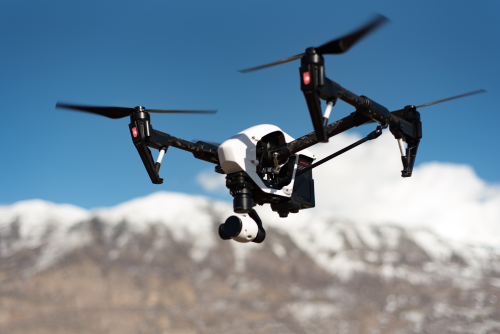
The best drones for resort marketing are not always the biggest or most expensive. A beachfront hotel, ski lodge, golf resort, wellness retreat, or luxury villa brand usually needs a mix of polished hero photos, smooth reveal shots, and social-friendly clips, often around guests, tight timelines, wind, and sensitive airspace. That means the right pick for a beginner in-house marketer is very different from the right tool for a travel creator or an agency shooting a premium campaign. This guide breaks down the best drones for resort marketing by role, workflow, and buyer regret risk.
Quick Take
If you want the short version, here it is:
- Best overall for most resort marketing buyers: DJI Air 3S
- Best for beginners and lightweight travel: DJI Mini 4 Pro
- Best premium choice for working pros: DJI Mavic 3 Pro
- Best stills-first pro value: DJI Mavic 3 Classic
- Best second drone for immersive social shots: DJI Avata 2
For most people, the sweet spot is not the top-end flagship. Resort marketing rewards portability, repeatable results, good wind handling, quick setup, and the ability to shoot from a respectful distance from guests. That is why a mid-range dual-camera drone is often a smarter buy than a larger premium aircraft.
| Drone | Best for | Why it works for resort marketing | Main tradeoff |
|---|---|---|---|
| DJI Mini 4 Pro | Beginners, solo marketers, travel creators | Easy to carry, less intimidating on property, strong social-first workflow | Less headroom in wind and lower-light premium work |
| DJI Air 3S | Most buyers, small agencies, creator teams | Excellent all-round balance of image quality, portability, and tele reach | More regulatory friction than a mini in many countries |
| DJI Mavic 3 Classic | Photo-first pros, luxury property stills | Strong main camera quality without paying for extra lenses you may not need | Bigger kit, less flexible than multi-lens options |
| DJI Mavic 3 Pro | Premium agencies, working pros, large resorts | Multi-lens flexibility for villas, golf, coastline, and layered landscapes | Expensive and overkill for simple social content |
| DJI Avata 2 | Reels, dynamic motion, adventure resort content | Adds immersive movement and “walkthrough” energy | Not a primary resort drone for most buyers |
What resort marketing actually needs from a drone
A resort drone is not just a flying camera. It is a sales tool.
The job is usually to sell a feeling: – space – privacy – views – access to amenities – atmosphere at sunrise, sunset, or blue hour – the relationship between the property and the destination around it
That changes what matters.
Features that usually matter most
- A good main camera: for hero stills, website headers, brochure assets, and evergreen brand visuals
- A tele or medium-tele camera: to show scale without flying close to guests, pools, balconies, or wedding setups
- Portability: because resort shoots often involve walking large properties, golf courses, beaches, docks, or mountain trails
- Wind confidence: especially at coastal, desert, island, and alpine resorts
- Fast deployment: because golden light does not wait
- Clean video workflow: for social clips, short ads, and website loops
- Reliable obstacle sensing and stable flight: helpful around landscaping, trees, structures, and elevation changes
- Quiet, low-drama operation: guest experience matters
Features buyers often overvalue
- Maximum speed
- Extreme range
- The most expensive camera on paper
- FPV as a first purchase
- Oversized drones for simple monthly social content
For resort marketing, the smarter drone is usually the one you will actually carry, legally operate, and confidently fly on busy property days.
How to choose in 5 questions
Before you buy, answer these five questions.
1. Is this your only drone?
If yes, buy the most balanced option you can afford, not the most specialized one.
A single-drone buyer usually does best with: – DJI Mini 4 Pro if portability and simplicity matter most – DJI Air 3S if you want longer-term room to grow
2. Are you delivering mostly social content or premium campaign assets?
- Mostly social, Reels, creator content, property updates: Mini 4 Pro or Air 3S
- Luxury stills, ad campaigns, brochure-grade imagery, agency work: Mavic 3 Classic or Mavic 3 Pro
3. Do you regularly shoot in wind, dawn, dusk, or mixed light?
If yes, step up from a mini if your budget allows. Bigger, more capable drones generally give you more confidence and more keeper shots in difficult resort conditions.
4. Do you need to work at a distance from guests?
If yes, a drone with a tele or medium-tele camera becomes much more valuable. Resorts are full of privacy and safety constraints. A tele lens often produces a better image and a better guest experience than flying closer with a wide lens.
5. Are you traveling internationally with the drone?
If yes, smaller, lighter kits become more attractive. But do not assume a lighter drone automatically means no rules. Different countries treat registration, pilot competency, insurance, and commercial work differently, so always verify local requirements before the trip.
The best drones for resort marketing
DJI Mini 4 Pro
For many beginners, this is the safest entry point into resort marketing.
It is the drone for: – in-house hotel marketers – solo social media teams – travel creators – boutique property owners – buyers who value a lightweight kit they will actually carry
Why it works
The Mini 4 Pro is easy to pack, quick to launch, and much less operationally heavy than a larger drone. That matters when you are moving between a pool deck, beachfront, villa path, spa entrance, and rooftop dining area in the same morning.
It is also a good match for: – vertical-first content planning – casual-to-serious social production – smaller resorts and villas – monthly content calendars rather than one-off flagship campaigns
In many markets, mini-class drones can also be easier to live with from a practical and regulatory standpoint, though the exact rules still vary by country and by the kind of work you are doing.
Best buy if
- You are new to drones
- You want the lightest serious option
- You mainly need social content and web assets
- You travel often and pack light
- You want lower upfront risk
You may regret it if
- You often shoot in strong coastal or mountain wind
- You need top-tier hero stills for luxury campaigns
- You regularly work at dawn, dusk, or in flatter light
- You want a one-drone kit that can scale deep into agency work
For a lot of first-time buyers, the Mini 4 Pro is the smart “start now” drone. Just do not expect it to replace a pro-grade platform forever.
DJI Air 3S
If you want one answer for the broadest range of resort marketing buyers, this is it.
The Air 3S sits in the sweet spot between consumer ease and professional usefulness. For most small agencies, creators, and resort teams, it is the best all-round choice.
Why it works
The biggest reason is flexibility.
A good resort drone needs to handle: – hero overviews – amenity reveals – coastline or mountain context – privacy-sensitive shooting – fast property walkthrough-style edits – both stills and video without drama
The Air 3S fits that brief well because it combines a capable main camera with tele reach in a still-portable package. That tele reach is not just a nice extra. For resort work, it is often the feature that saves the shoot.
A tele camera lets you: – frame villas and suites without hovering close to occupied balconies – compress mountain, desert, or coastline backgrounds for a more premium look – shoot pools, golf holes, beaches, and arrival roads from farther away – reduce the visual and noise impact on guests
Best buy if
- You want one drone that can do almost everything well
- You are a creator moving toward paid property work
- You run a small agency or freelance operation
- You need a serious upgrade from a mini without going full flagship
- You want better long-term value than buying a beginner drone and replacing it quickly
You may regret it if
- You truly need the smallest possible travel kit
- Your workload is almost entirely top-end luxury stills
- You want a dedicated FPV-style motion platform
If the Air 3S is unavailable in your market, the Air 3 remains a very strong option in the same role.
DJI Mavic 3 Classic
This is a smart pick for working photographers and marketers who care more about main-camera image quality than having multiple lenses.
It is the “buy fewer gimmicks, get better files” choice.
Why it works
A lot of resort deliverables are still image-led: – homepage banners – OTA and booking visuals – print collateral – press kits – sales decks – investor or owner presentations
If you are mainly producing polished stills with selective video support, the Mavic 3 Classic makes a lot of sense. You get a more serious imaging platform than a mini or mid-range drone, without paying for lens options you may not need every day.
This is especially attractive for: – luxury boutique resorts – architecture-forward properties – golf and estate-style resorts – photographers adding drone to a wider brand shoot
Best buy if
- You are photo-first
- You want premium image quality without the full Mavic 3 Pro cost
- You shoot luxury hospitality and want strong hero files
- You already own a smaller travel or social drone
You may regret it if
- You want the most flexible lens setup
- You are heavily video-first
- You need the easiest carry-everywhere option
For the right buyer, the Mavic 3 Classic is one of the least regrettable purchases in this category.
DJI Mavic 3 Pro
This is the premium choice for working pros, agencies, and operators who sell high-end resort campaigns.
If the resort wants more than social clips, if the property is large, if the deliverables include luxury stills and polished video edits, or if client expectations are high, the Mavic 3 Pro is where the conversation gets serious.
Why it works
Resorts are a multi-lens subject.
You may need to capture: – a wide establishing shot of the whole property – a compressed view of villas against mountains – isolated architectural details – coastline layers at sunset – a golf green framed against a clubhouse – a spa pavilion or overwater structure from a respectful distance
That is where the Mavic 3 Pro earns its place. The extra lens flexibility gives experienced operators more options on location and often reduces the need to physically reposition as aggressively.
That matters when: – guests are present – access is limited – the property is spread out – the light window is short – you need several looks in one session
Best buy if
- You sell premium commercial work
- You shoot for luxury hospitality brands
- You need maximum lens flexibility in one aircraft
- You want one of the strongest “client confidence” drones in a portable form
You may regret it if
- You are just starting out
- Your output is mostly Instagram and short website clips
- You do not regularly bill enough work to justify a premium kit
- You are buying it because it sounds professional, not because your workflow truly needs it
For many buyers, the Mavic 3 Pro is the aspirational choice. For the right pro, it is the correct choice. Those are not the same thing.
DJI Avata 2
The Avata 2 is not the best primary resort drone, but it can be the best second drone.
That distinction matters.
Why it works
Resort marketing increasingly needs movement that feels immersive, not just beautiful. FPV-style footage can add: – arrival-path energy – adventure resort personality – dynamic reveals – social edits that feel less static than standard orbit-and-rise shots
For the right production, that is valuable.
Think: – surf camps – ski resorts – desert adventure lodges – activity-led family resorts – social-first launches – creator trips and tourism campaigns
But here is the catch
FPV is more demanding, more situational, and more risk-sensitive. It does not replace your standard aerial platform for hero stills, broad overviews, or clean brand-safe footage.
It is best treated as: – a second tool – a specialty add-on – a content differentiator for controlled shoots
Best buy if
- You already understand drone basics
- You specifically want immersive motion content
- You shoot controlled, planned sequences
- Your clients care about energetic short-form video
You may regret it if
- This is your first resort drone
- You mainly need stills and classic cinematic overviews
- You do not have time to practice or fly in controlled conditions
A lot of buyers overestimate how much FPV footage they will truly use. It is powerful, but it is not a substitute for a standard resort-marketing drone.
The accessories that matter more than buyers think
The wrong accessory budget ruins a good drone purchase.
For resort marketing, prioritize these first:
- At least three batteries for beginners
- Four to six batteries for pro or agency shoots
- A charging hub or organized charging workflow
- ND filters for smoother, more controlled video in bright conditions
- Spare propellers
- High-quality memory cards
- A compact protective case
- A bright screen setup you can actually use outdoors
- A basic backup workflow for photos and video at the end of the day
If you are billing resort clients, you should also think about: – liability coverage where required – written operating procedures – a spotter for busier properties – redundant storage of captured media
Safety, legal, and operational risks to check before you fly
Resort marketing is often commercial work, and drone rules vary widely by country. Do not assume private property ownership automatically gives you permission to fly.
Always verify the following before a shoot:
Airspace and local authority issues
- Is the resort near an airport, heliport, seaplane dock, military area, protected coastline, or national park?
- Are there local altitude limits or special authorizations required?
- Does commercial drone work require pilot registration, licensing, competency proof, or operator approval in that country?
Property and guest management
- Does the property manager approve the operation in writing?
- Are there weddings, events, children’s areas, dining zones, or crowded pool decks that make the flight inappropriate?
- Can you set a closed or low-traffic shoot window at sunrise or another quiet period?
Insurance and liability
- Does the venue require proof of liability insurance?
- Does your insurer cover drone work in that jurisdiction and use case?
- Are indoor flights covered too, if you plan them?
Privacy and filming sensitivity
- Will guests be identifiable?
- Are you filming areas where privacy expectations are especially high, such as balconies, spas, beaches, villas, or private pools?
- Does the region have stricter filming, consent, or privacy rules than you are used to?
Environmental risks
- Coastal wind can change fast
- Salt spray is hard on equipment
- Mountain resorts can create turbulence and GPS challenges
- Wildlife, especially birds and coastal nesting zones, can make flying inappropriate
A resort shoot should feel quiet, controlled, and respectful. If the drone becomes the main event, the operation is already going wrong.
Common mistakes buyers make
1. Buying too small for the job
A mini drone is great until you start chasing premium deliverables in wind, lower light, or larger properties. If you already know you want to grow into paid resort work, the Air 3S is often the better first “serious” buy.
2. Buying too big for the actual workload
Some resort teams buy a flagship drone when they mainly need monthly social clips, one hero image, and the occasional website refresh. That usually leads to a heavier workflow, more regulatory friction, and a drone that gets left behind.
3. Thinking FPV replaces a standard camera drone
It does not. FPV gives you a style, not a full resort-marketing toolkit.
4. Ignoring telephoto value
Many buyers focus only on the main camera. In real resort work, tele reach can be just as important because it lets you work cleanly and respectfully around people and private spaces.
5. Underbudgeting for the real kit
A drone without enough batteries, filters, spares, charging, and storage is not a working tool. It is a partial purchase.
6. Forgetting the guest experience
The goal is to market the resort, not disrupt it. The best drone operators plan around quiet hours, low-traffic zones, and respectful stand-off distances.
7. Assuming venue permission solves everything
Even if a resort invites you, you may still need aviation approvals, local authorizations, insurance, or additional film permissions depending on the location.
FAQ
What is the best one-drone choice for most resort marketing buyers?
For most buyers, the DJI Air 3S is the best balance of image quality, portability, tele reach, and growth potential. It is the safest pick for creators, small agencies, and resort teams that want one drone to cover most needs well.
Is a sub-250 g drone enough for resort marketing?
Yes, sometimes. A drone like the DJI Mini 4 Pro is enough for social content, web visuals, smaller properties, and lighter travel workflows. But if you frequently shoot in wind, lower light, or high-end luxury campaigns, you may outgrow it.
Do resorts need permission to fly on their own property?
Often, yes. Property permission and aviation permission are not the same thing. A resort may control the land but not the airspace rules, privacy law, or commercial drone requirements. Always verify with the relevant aviation and local authorities.
Is FPV worth it for hotel and resort promos?
It can be, but usually as a second drone, not the first. FPV shines when the brand wants energetic motion and immersive social clips. For standard hero shots, stills, and broad cinematic coverage, a normal camera drone is the better primary tool.
Which matters more for resort work: a larger sensor or a tele lens?
Both matter, but many buyers underestimate the tele lens. In resort marketing, tele reach often improves both aesthetics and safety because it lets you shoot from farther away and avoid crowding guests or private areas.
Should I buy one premium drone or two more specialized drones?
If you are just starting, buy one balanced drone first. For most buyers, that means a Mini 4 Pro or Air 3S. Add a second specialty tool like an Avata 2 only when your content needs clearly justify it.
What accessories should I buy with a resort-marketing drone?
Start with extra batteries, a charging hub, ND filters, spare props, reliable memory cards, and a protective case. Those are more important to daily results than most buyers expect.
Are used or refurbished drones a smart option for resort work?
They can be, especially for models like the Mavic 3 Classic or Air 3, provided you buy from a reputable seller, confirm battery health, check repair history, and verify that parts and local support are still practical in your region.
Final decision
If you want the safest recommendation for most buyers, choose the DJI Air 3S. If you want the lightest and easiest serious option, choose the DJI Mini 4 Pro. If you shoot premium hospitality campaigns and your clients will notice the difference, step up to the DJI Mavic 3 Pro or Mavic 3 Classic. And if you want FPV-style energy, buy the DJI Avata 2 as a second tool, not your only one.
Pick the drone that fits your real workload, not your fantasy one. In resort marketing, the best drone is the one that helps you get polished assets, protect the guest experience, and finish the shoot without friction.
