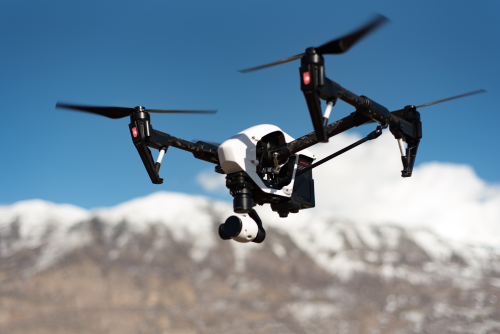
The best drones for school projects are not always the newest or most expensive models. The right pick depends on what the project actually needs: safe indoor practice, polished campus video, immersive FPV footage, or accurate data capture for research. If you are trying to choose wisely instead of buying twice, this guide will help you match the drone to the assignment, the pilot, and the school environment.
Quick Take
If you want the short version, these are the strongest fits for most buyers:
- Best for coding and classroom STEM: Ryze Tello EDU
- Best ultra-simple beginner pick: DJI Neo
- Best budget camera drone: DJI Mini 4K
- Best all-around choice for most student creators: DJI Mini 4 Pro
- Best step-up for serious film and media work: DJI Air 3
- Best FPV pick for immersive school projects: DJI Avata 2
- Best for mapping, inspection, and research workflows: DJI Mavic 3 Enterprise
If you are buying just one drone for a school media club, student creator team, or campus marketing unit, a Mini-class camera drone is usually the safest default. If you are buying for a robotics or coding lab, start with Tello EDU instead. If the project needs usable maps, repeatable data, or professional fieldwork, skip toy and casual creator drones and move straight to an enterprise workflow.
Key Points
| Buyer or project type | Best fit | Why it works | Main limitation |
|---|---|---|---|
| First-time classroom flyer | Ryze Tello EDU | Safer, simpler, coding-friendly | Not good for polished outdoor video |
| Casual creator or school social content | DJI Neo | Easy to carry and quick to launch | Limited in wind and advanced imaging |
| Budget student filmmaker | DJI Mini 4K | Real camera drone experience without premium cost | Fewer advanced safety features |
| Most students and creators | DJI Mini 4 Pro | Best balance of image quality, portability, and ease | Costs more than entry-level models |
| Film department or serious media team | DJI Air 3 | Better wind handling and stronger production value | Bigger, heavier, and less casual to operate |
| FPV storytelling and action footage | DJI Avata 2 | Immersive flying and unique motion | Steeper learning curve |
| Research, GIS, surveying, and inspection | DJI Mavic 3 Enterprise | Better workflow for repeatable data capture | Expensive and compliance-heavy |
How to choose a drone for school projects
Before you compare models, get clear on the job. A drone that is excellent for one kind of school project can be the wrong tool for another.
1. Start with the deliverable
Ask what the final output really is:
- A coding or robotics demonstration
- A campus promo video
- A travel or journalism assignment
- A sports or action clip
- A 3D model, map, or inspection report
- A film-school sequence with dynamic motion
That one answer usually narrows the field fast.
2. Decide where the drone will be flown
Flying indoors, over a field, near buildings, or on an off-campus research site creates very different needs.
- Indoor practice: small, slow, guarded drones are better
- Outdoor creator work: GPS-stabilized camera drones make more sense
- Windy or open environments: larger drones usually handle conditions better
- Research sites: compatibility with mapping or mission-planning software matters more than casual photo quality
3. Match the drone to the pilot, not just the project
A first-time student pilot does not need the same drone as a trained university media team.
Think about:
- Pilot experience
- How many people will use the aircraft
- Whether the school needs to train multiple users
- Whether the drone must survive beginner mistakes
- Whether the project timeline allows time to learn
4. Check the full workflow, not just the aircraft
A drone purchase is rarely just the drone.
You may also need:
- Spare batteries
- Propellers
- Storage cards
- Carry case
- Charger hub
- Editing workflow
- Mapping software
- School sign-off
- Insurance or incident reporting process
A cheap drone that breaks the workflow is often more expensive than a better-fit drone that works from day one.
5. Buy for the next 12 months, not just this semester
If a school, club, or department plans to keep using the drone, think about:
- Local repair support
- Availability of batteries and props
- Ease of onboarding new pilots
- Software ecosystem
- Whether the drone can grow with future projects
That is how you avoid the classic regret purchase.
The best drones for school projects
These are not “best” in the abstract. They are the best fits for specific school-project needs.
Ryze Tello EDU
Best for: coding, robotics, indoor STEM learning, and first-flight practice
If the goal is to teach flight basics, block coding, Python concepts, or classroom drone awareness, Ryze Tello EDU is still one of the smartest places to start when it is available from a trusted seller.
Why it works:
- Small and less intimidating than a full outdoor camera drone
- Better suited to indoor demos and controlled practice
- Supports classroom-friendly coding and programmable flight activities
- Lower replacement pain if a beginner makes a mistake
- Easier to buy in multiples for a lab or club
Where it shines:
- Robotics clubs
- Computer science modules
- Basic flight training
- STEM showcases
- Safe introductory workshops
Its biggest limitation is simple: it is not a serious camera drone. If a student expects polished aerial footage for a documentary, architecture showcase, or travel-style school video, Tello will feel limiting very quickly.
Buy this if:
- The project is educational first and cinematic second
- You need multiple aircraft for group learning
- Indoor use matters more than outdoor image quality
Skip this if:
- The assignment is mainly about video production
- You need wind resistance
- You want a drone that can grow into advanced creator work
DJI Neo
Best for: complete beginners, quick school content, and low-friction creator projects
DJI Neo is a strong choice for students who want something easier and less intimidating than a traditional folding camera drone. It fits the kind of school project where the drone needs to get airborne quickly, capture simple moving shots, and come back down without a lot of setup drama.
Why it works:
- Very approachable for new users
- Easy to carry in a bag every day
- Good fit for quick explainers, club promos, and social-style content
- Lower intimidation factor than a larger drone
- Useful for students who want to learn basic framing and movement before stepping up
Where it makes sense:
- Student creator teams
- Campus social content
- Journalism intros and quick scene-setting clips
- Travel-study projects where portability matters
- Personal first drone before committing to a larger platform
Its tradeoff is capability. Neo is great for simplicity, but it is not the drone you buy for top-tier image control, demanding wind conditions, or a serious production workflow.
Buy this if:
- You want the easiest path into aerial content
- The project rewards speed and convenience
- You are a beginner who values portability over maximum image flexibility
Skip this if:
- You need reliable performance in stronger wind
- The assignment is a serious film-school production
- You want a drone for mapping, surveying, or advanced manual shooting
DJI Mini 4K
Best for: budget-conscious students who want a real camera drone
For many buyers, the first truly sensible purchase is not a toy drone and not a premium model. It is something like the DJI Mini 4K: a proper GPS-stabilized camera drone with a familiar workflow, folding portability, and enough quality to make a school project look intentional.
Why it works:
- Feels like a real aerial camera tool, not a gadget
- Better outdoor utility than classroom-style mini drones
- Strong fit for beginner photography and video assignments
- Good option for travel modules, geography projects, and campus visuals
- Easier to learn than FPV
Where it fits best:
- High school or university students on a tight budget
- First outdoor camera drone purchase
- Basic photo and video assignments
- Travel or field-course use where size matters
The main compromise is that entry-level drones usually give you less safety and fewer advanced flight features than premium models. You can absolutely produce strong work with them, but they leave less margin for error.
Buy this if:
- You want the lowest-cost path into “real” aerial content
- You are learning standard drone skills, not FPV
- You need a portable drone that can handle everyday student work
Skip this if:
- You need advanced obstacle sensing or higher-end creator features
- You are buying for a department that expects heavier weekly use
- You already know you want a more serious media workflow
If local availability, service, or procurement rules make DJI harder to buy, the Potensic Atom is one of the few budget alternatives that is worth comparing in some markets.
DJI Mini 4 Pro
Best for: most student creators, journalism teams, campus media, and all-around school projects
If you want one of the best drones for school projects across the widest range of use cases, DJI Mini 4 Pro is the strongest all-rounder.
Why it works:
- Compact enough to travel with easily
- Strong balance of camera quality and portability
- Easier for beginners than larger professional platforms
- Better safety and situational help than entry-level options
- Good fit for photo, video, school promos, interviews, travel stories, and general creative work
This is the drone that makes sense for:
- Student filmmakers
- Journalism students
- Campus marketing teams
- Architecture and design presentations
- Travel and field assignments
- Small creator businesses run by students or recent graduates
A Mini-class drone is often the sweet spot because it gives you serious output without becoming a full logistics problem. In many jurisdictions, lighter drones may have fewer barriers than heavier aircraft, but that does not mean they are automatically exempt from rules. Always verify the rules where you will fly.
Its limits:
- More expensive than entry-level drones
- Still a small aircraft, so wind and weather matter
- Not the right tool for repeatable enterprise mapping programs
- Replacement cost hurts more if multiple new pilots will use it carelessly
Buy this if:
- You want one drone that can cover most school creator needs well
- You are past the “toy drone” stage
- You care about image quality, ease of use, and portability in equal measure
Skip this if:
- Your class mainly needs indoor practice drones
- You need specialized FPV footage
- You need enterprise data products rather than creator content
DJI Air 3
Best for: serious film programs, freelance student creators, and campus media teams that need stronger production value
When school projects start looking more like client work, departmental media production, or portfolio-grade filmmaking, DJI Air 3 becomes a very sensible step up.
Why it works:
- Better presence and confidence outdoors than smaller models
- Stronger fit for polished video work
- More comfortable in situations where a Mini-class drone feels too limited
- Good for buyers who want to grow into semi-professional creator work
This is a better fit when:
- The project is video-first, not just casual content
- The operator already understands drone basics
- The school wants fewer compromises in image flexibility and outdoor performance
- The buyer is building a freelance or small production workflow alongside study
The downside is that Air-class drones are less casual. They are larger, more visible, and more likely to trigger higher operational caution, school sign-off, and buyer anxiety if damage happens.
Buy this if:
- You already know the drone will be used often for finished video
- You want a clear step above entry and Mini-class options
- The operator has enough skill to justify the jump
Skip this if:
- You are a first-time pilot
- Portability and low-stress travel matter most
- The project is mainly academic documentation rather than polished production
DJI Avata 2
Best for: FPV filmmaking, action scenes, immersive storytelling, and advanced creative projects
FPV means first-person view flying, usually through goggles, where the pilot flies from the drone’s perspective rather than using a standard camera-drone screen view. That creates dramatic motion and a very different kind of visual storytelling.
For students who specifically want that look, DJI Avata 2 is one of the most accessible ways into FPV compared with building and tuning a custom rig.
Why it works:
- Delivers a distinct immersive style
- Better entry point than full DIY FPV for many buyers
- Good for sports, action, event energy, and creative sequences
- Guarded design is more forgiving than open-prop FPV builds
Where it fits:
- Film students exploring dynamic motion
- Sports media teams
- Creative advertising or promo concepts
- Advanced hobbyists who want more than standard aerial establishing shots
But this is where many buyers get distracted by cool footage and make the wrong purchase. FPV is exciting, but it is not the best default drone for a school project.
Its limits:
- Steeper learning curve
- Shorter, more intense flight workflow than standard camera drones
- Less useful for stills, straightforward documentaries, or maps
- Requires more safety discipline and often more training time
Buy this if:
- The assignment truly benefits from immersive motion
- You are committed to practicing
- You want FPV specifically, not just “a drone”
Skip this if:
- You mainly need easy aerial coverage
- The pilot is brand new and on a deadline
- The school has little tolerance for complexity or risk
DJI Mavic 3 Enterprise
Best for: surveying, mapping, engineering, infrastructure, inspection, GIS, and research teams
If the school project is really a data project, an enterprise drone is often the right answer. DJI Mavic 3 Enterprise makes sense for universities, labs, service providers, and advanced technical programs that need repeatable capture rather than casual aerial visuals.
Why it works:
- Better aligned with professional field workflows
- Suitable for mapping and inspection use cases when paired with the right software and procedures
- Easier to justify for engineering, public safety training, land, and infrastructure programs
- Better fit for institutional ownership than hobby-grade alternatives
This is where terms like photogrammetry matter. Photogrammetry is the process of turning many overlapping images into maps, measurements, or 3D models. Not every drone that takes good video is a good photogrammetry tool.
Before buying, verify:
- Exact package contents
- Mission-planning compatibility
- Mapping software support
- Data accuracy needs
- Whether you need accessories or higher-accuracy workflows beyond the base setup
Buy this if:
- The project output is a map, model, inspection record, or repeatable dataset
- The school has trained operators or a plan to train them
- The drone will support a real program, not a one-off curiosity purchase
Skip this if:
- You mainly need promo video
- The team is all beginners
- The budget does not include software, training, and process
What to buy with the drone
A lot of school-project frustration comes from underbuying the support kit.
At minimum, consider:
- Two or three extra batteries
- Spare propellers
- A reliable storage card
- A simple carry case
- A charger or charging hub
- Prop guards for indoor practice where supported
- A simulator for FPV training
- A basic logging and checklist habit
Optional, depending on the project:
- ND filters for more polished outdoor video
- A landing pad for dusty field sites
- Extra controller protection or screen shade for bright conditions
Do not overspend on giant bundles filled with low-value accessories. Batteries, props, storage, and training matter far more.
Safety, legal, and school compliance checks
School projects do not get a free pass just because they are educational. Drone rules vary widely by country, and school property may have its own policies on top of aviation law.
Before flying, verify these points:
1. Local aviation rules
Check the national or regional aviation authority for rules tied to:
- Drone weight
- Pilot registration
- Pilot exams or competency requirements
- Remote identification or electronic ID
- Recreational versus institutional or commercial use
- Distance from people, roads, or buildings
- Airspace restrictions
2. School or campus permission
Even if the airspace is legal, the school may still require permission from:
- Administration
- Security
- Facilities
- Event management
- The landowner or venue operator
3. Privacy and safeguarding
This matters especially when filming students, dorms, sports, or minors.
Verify:
- Whether consent is needed
- Whether the school has media policies
- What areas are off-limits
- How footage will be stored and shared
4. Crowd and people risk
Do not treat active school grounds like an empty field.
Avoid launching near:
- Dismissal zones
- Stadium crowds
- Busy walkways
- Assemblies
- Traffic areas
5. Indoor risk
Indoor flights may avoid some airspace issues, but they still carry safety risk.
Watch for:
- Propeller contact
- Lighting rigs
- Sprinklers
- Metal structures
- Radio interference
- Low ceilings
6. Insurance and incident planning
If a school, lab, or department owns the drone, decide in advance:
- Who is allowed to fly
- Who signs off on operations
- What happens after a crash
- Whether institutional insurance applies
Common mistakes and limits to know
Buying for specs instead of the assignment
A better camera on paper does not help if the pilot cannot safely use it or the school will not approve the flight.
Assuming sub-250g means “no rules”
Lighter drones may face fewer restrictions in some places, but not everywhere. Registration, pilot competency, privacy rules, and airspace limits can still apply.
Choosing FPV because it looks exciting
FPV is a specialty choice, not the safe default. It rewards practice and planning, but it is often the wrong first buy for ordinary school work.
Ignoring software compatibility
If the project needs maps, models, or repeatable survey outputs, confirm the drone works with the software your team will actually use.
Underestimating wind, noise, and visibility
Small drones are convenient, but they can struggle outdoors more than buyers expect. They are also more noticeable around people than many students assume.
Forgetting the replacement and repair question
For schools, this is huge. Batteries, props, and repairs matter more over time than the initial checkout price.
Buying one expensive drone when the class really needs three simple ones
A robotics lab often gets more educational value from multiple basic drones than one premium camera platform.
FAQ
What is the best first drone for a school project?
For most complete beginners, the best first pick depends on the project. For classroom learning and coding, go with Ryze Tello EDU. For easy creator-style aerial content, DJI Neo or DJI Mini 4K are better starting points.
What is the best drone for coding or robotics classes?
Ryze Tello EDU is the clearest fit because it supports programmable learning and is better suited to controlled indoor practice than standard outdoor camera drones.
Do I need a license or registration to fly a drone for a school assignment?
Possibly. That depends on the country, drone weight, airspace, and whether the operation is treated as recreational, educational, institutional, or commercial. Verify with the relevant aviation authority before flying.
Is a sub-250g drone always the easiest legal choice?
Often easier, but not automatically rule-free. Some jurisdictions still require registration, competency, or operational limits even for lighter drones. School property rules may also be stricter than the aviation minimum.
Are FPV drones good for school projects?
They can be excellent for film, action, and immersive storytelling projects, but they are usually a poor default purchase. Choose FPV only when the project truly benefits from that style and the pilot has time to train.
Should a school buy one premium drone or several starter drones?
If the goal is broad student access and skill-building, several starter drones may create more value. If the goal is polished output from a small trained team, one better camera drone can make more sense.
Can one drone handle both filming and mapping?
Sometimes at a basic level, but serious mapping and research work usually need a more deliberate workflow than casual creator drones provide. If data quality matters, verify mission-planning and software compatibility before buying.
Is refurbished a good idea for school drone buyers?
It can be, especially for departments or careful buyers trying to stretch budget. Just make sure the seller is reputable, battery health is acceptable, and replacement parts are still easy to get in your region.
Final decision
Buy for the deliverable, not the marketing video. If your project is about learning and coding, get Tello EDU. If it is about easy beginner content, choose DJI Neo. If you want the most balanced creator purchase, DJI Mini 4 Pro is the best fit for most students. If you need stronger production value, step up to DJI Air 3. If you need immersive motion, go Avata 2. If the output is a map, model, or technical dataset, buy Mavic 3 Enterprise and build the workflow properly.
Before you place the order, do one more check: confirm your local flight rules, your school’s permission process, and your access to batteries, props, repairs, and software. That is what turns a good drone purchase into a useful school-project tool.
