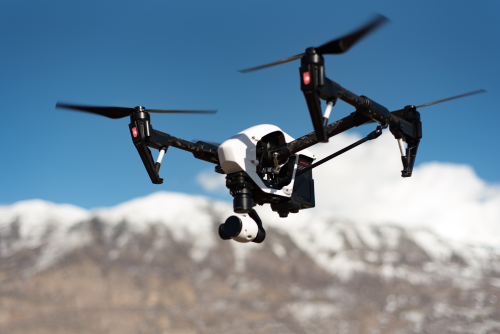
If you want the best drones for simple editing workflows, the smartest buy is usually not the one with the biggest spec sheet. It is the drone that gives you stable, clean, consistent footage in a file format your phone, tablet, or laptop can handle without friction. Before you buy, focus less on maximum resolution and more on codec, color profile, transfer speed, camera consistency, and how much post-production work the drone saves you.
Quick Take
For most buyers, a simple editing workflow comes down to five things:
- Footage that looks good in a standard color profile without heavy grading
- A codec your editing device can play smoothly
- Strong gimbal stabilization so you do not have to “fix it in post”
- Fast transfer from drone to phone or computer
- A camera setup that matches your actual output, especially if you publish to social platforms
If you are a beginner, travel creator, or small business owner, a modern mini-class or mid-size camera drone will usually be the sweet spot. If you are buying mainly for quick social edits, avoid paying extra for advanced video modes you will not use. If you are buying for client work, prioritize consistency and low-light performance over headline resolution.
Key points to know before you spend money
- A great standard profile is often more valuable than log video if you do not color grade.
- H.264 is usually easier to edit than H.265 on older phones and laptops.
- One very good camera is often easier to manage than multiple cameras with different looks.
- Better low-light performance means less denoising, less exposure rescue, and faster delivery.
- Native or easy vertical capture matters if your final product is mostly Reels, Shorts, or TikTok.
- Sub-250 g drones can reduce travel and regulatory friction in many countries, but not all. Always verify local rules before flying.
- The wrong drone creates editing problems every single flight. The right drone makes post feel boring in a good way.
The buying truth: simple editing starts before takeoff
Most buyers think editing gets easier when they buy a drone with more resolution, more bit depth, or more camera modes. In practice, simple editing usually comes from fewer decisions, cleaner footage, and less repair work.
That means the best workflow-first drone is often the one that gives you:
- Reliable exposure
- Predictable color
- Smooth movement
- Easy file transfer
- Clips that are already close to finished
A surprising number of buyers end up with the opposite. They buy a drone because it shoots log, 5.1K, 5.4K, or another impressive format, then discover their laptop stutters, their phone editor struggles, and every short clip turns into a color-correction project.
If your real goal is fast turnaround, you should buy for edit friction, not marketing language.
What actually matters before you buy
1. A good standard color profile beats “pro” video modes you will not use
Many drones offer flat or log color profiles. That is useful if you know how to color grade and want more flexibility in post. It is not automatically useful if your goal is quick edits.
For a simple workflow, the best drone is often the one whose normal or standard profile already looks good. That means:
- Pleasant contrast without crushed shadows
- Skin tones and landscapes that do not need heavy correction
- White balance that stays consistent through a shot
- Footage that can be cut quickly for social or client previews
This is why many casual creators and even busy professionals get more value from a drone with strong straight-out-of-camera color than from one with the flattest “cinematic” profile.
A practical rule:
- If you rarely color grade, prioritize standard profile quality.
- If you already use DaVinci Resolve, Final Cut Pro, or Premiere Pro comfortably, log can be worth having as an option.
The key word is option. Do not pay mainly for features that add work you do not want.
2. Match the codec to your computer or phone
Codec means the way video is compressed and stored. This matters more than many buyers realize.
Two common formats in consumer drones are:
- H.264: usually easier to edit on older or less powerful devices
- H.265: more efficient and often better quality-per-file-size, but heavier on weaker hardware
If you edit on a newer laptop, recent tablet, or modern phone, H.265 may be fine. If you edit on an older machine, it can turn a “quick edit” into a choppy, frustrating mess.
Before you buy, ask yourself:
- Do I edit on a phone, tablet, or desktop?
- Is my device already smooth with 4K footage?
- Do I want to use proxies, or do I want clips to just play?
If you mainly edit in CapCut, VN, LumaFusion, Premiere Rush, Final Cut Pro, Premiere Pro, or Resolve, codec compatibility matters. Some setups handle 10-bit H.265 very well. Others do not.
For many buyers, a drone that can record in an easier-to-edit format is a better workflow purchase than one that offers the highest-end mode on paper.
3. Stabilization and horizon control save more time than extra resolution
A great gimbal does more for editing speed than many camera upgrades.
Why? Because shaky or tilted footage creates extra work:
- Digital stabilization crops your frame
- Horizon fixes can introduce artifacts
- Jerky movement makes clips unusable
- “Fix it in post” rarely looks as good as stable footage to begin with
If you want a simple workflow, prioritize drones known for:
- Reliable 3-axis gimbal stabilization
- Good horizon consistency during turns
- Smooth braking and predictable flight behavior
- Intelligent flight modes that create usable movement
This is especially important for beginners. A drone that forgives less-than-perfect stick control gives you more clips worth keeping and fewer minutes spent trying to rescue a shot.
4. One excellent camera is often easier than multiple cameras
Multi-camera drones sound like the ultimate upgrade. Sometimes they are. But they can also complicate editing.
Different cameras on the same drone may vary in:
- Color response
- Dynamic range
- Noise levels
- Sharpness
- Field of view
That means more matching work in post.
If your main goal is easy editing, do not assume a three-camera flagship is better for you than a premium single-camera drone. For many solo creators and small businesses, one strong main camera is simpler, faster, and more consistent.
This is why a drone like the DJI Mavic 3 Classic can make more workflow sense than a more complex multi-camera setup if you care about fast, clean delivery. You get premium image quality without having to manage multiple camera looks on every job.
5. Better low-light performance means less rescue work
Low-light performance is not just about shooting at sunset. It affects how often you have to save footage in post.
Smaller sensors can still look great in good light. But when light drops, they are more likely to show:
- Noise in shadows
- Smearing after denoising
- Reduced dynamic range
- Exposure compromises that look worse once edited
If you often shoot:
- Golden hour travel footage
- Real estate exteriors near dusk
- Resorts, events, or hospitality properties
- Landscape scenes with bright skies and darker foregrounds
then better sensor performance can actually simplify editing. Cleaner footage needs less fixing.
That does not mean everyone needs a larger drone. It means you should be honest about when you shoot. If most of your flying is bright daylight and social delivery, a mini drone may be more than enough. If you routinely shoot difficult light, a stronger camera can save time later.
6. Fast transfer and storage workflow matter every single flight
Editing simplicity is not only about what happens on the timeline. It starts when you try to get the footage off the drone.
Pay attention to:
- Reliable wireless quick transfer to phone
- Internal storage as a backup when you forget a card
- Fast card offload to laptop or tablet
- Stable file handling in the companion app
- Broad compatibility with your editing software
A drone with a good transfer workflow can shorten the gap between landing and posting. That matters a lot for travel creators, social teams, and anyone turning around short-form content quickly.
Also, do not ignore card quality. A trusted, appropriately rated microSD card is part of a simple editing workflow. Cheap media can create corrupted files, dropped recording, or slow transfers that waste far more time than the savings were worth.
7. Smart flight modes can reduce editing, but only if you actually use them
Automated flight modes can help create ready-made clips with minimal pilot skill. They can be great for beginners and solo operators who want variety fast.
Useful examples include:
- Orbit-style moves
- Reveal shots
- Follow modes
- Preset cinematic paths
- Auto-generated short edits in companion apps
But there is a catch. If every clip looks like the same canned move, you may end up with repetitive footage that still needs trimming.
Use smart modes as a time-saver, not a creative crutch. The best drones for simple editing workflows are the ones whose automated modes produce clips you would genuinely keep.
Which drone type fits a simple editing workflow best?
Here is the practical version.
| Buyer type | Best fit | Why it keeps editing simple | Watch-outs |
|---|---|---|---|
| Travel creator, beginner, social-first user | Mini-class camera drone | Easy transfer, stable footage, lower travel friction, often good standard color | Weaker in strong wind and lower light |
| Solo creator, real estate shooter, small business marketer | Mid-size all-rounder | Better image quality, stronger tracking and obstacle sensing, room to grow without becoming a cinema workflow | Bigger files and more shooting options can create more clip clutter |
| Premium solo operator or agency wanting cleaner files | Larger single-camera prosumer drone | Better dynamic range and low-light footage, less rescue work in post, one main look to manage | Higher cost, larger size, more compliance and travel friction |
| FPV creator who wants immersive footage without custom builds | Stabilized FPV drone | Exciting footage straight from camera, less need for advanced stabilization work if flown well | Specialized style, steeper learning curve, not ideal as an all-purpose drone |
Mini-class drones: best for most buyers
For a very large share of people, this is the right answer.
Drones such as the DJI Mini 4 Pro and DJI Mini 3 represent the easiest path from flight to edit for beginners, travelers, and casual creators. They are compact, capable, and often good enough that your editing bottleneck becomes your storytelling, not the footage itself.
Why this class works well:
- Smaller and easier to carry every day
- Often simpler to travel with
- Strong enough image quality for social, YouTube, and many small business uses
- Good stabilization and smart modes
- Lower intimidation factor, which means you actually fly more
Who they are best for:
- Travel vloggers
- Hobbyists
- Social media creators
- Tourism marketers
- First-time buyers
Who may outgrow them:
- Frequent low-light shooters
- Higher-end commercial users
- Teams needing more image latitude for tougher client edits
Mid-size creator drones: best upgrade for “I want easy now, but room to grow”
This is where drones like the DJI Air 3 fit well.
The appeal of this class is simple: you get a more robust shooting platform without jumping fully into a larger, heavier, more expensive workflow. For many creators and service providers, this is the sweet spot between convenience and quality.
Why this class often works:
- Better handling in varied conditions
- More confidence features
- Better image quality headroom
- Useful lens variety without an overwhelming jump in complexity
One important note: more lenses can help editing if they are consistent and you know how you will use them. They can also slow you down if every flight becomes a test of every focal length.
Buy this class if you want a drone that still supports quick edits but can also step into client work, brand content, real estate, or polished travel projects.
Premium single-camera prosumer drones: best if quality itself saves you time
For buyers who regularly deliver paid work, a premium single-camera drone can be the best “simple workflow” tool even if it costs more.
A good example is the DJI Mavic 3 Classic. Its main appeal for workflow-focused buyers is not just image quality. It is that cleaner footage often needs less saving later.
This class makes sense if:
- You shoot in difficult light
- You need more confidence for client delivery
- You want the image advantages of a larger system
- You do not want the extra complexity of multiple camera looks
This is a particularly smart category for agencies, higher-end freelancers, and property, hospitality, or tourism teams that need a dependable look across repeated shoots.
Stabilized FPV drones: simple editing for a very specific style
If your footage style is all about movement, speed, and immersion, a stabilized FPV drone like the DJI Avata 2 can actually be a simple editing tool. Not because it is easy overall, but because the footage is naturally dramatic.
One strong FPV shot can replace several conventional shots in a short edit.
That said, it is only a simple workflow if you specifically want that aesthetic. FPV is not the easiest general-purpose buying choice for travel, landscape, or standard business content.
Choose this class if:
- You already know you want immersive motion
- You are willing to learn a different flight style
- Your edit relies on energy more than camera flexibility
Do not choose it as your only drone unless your content style clearly matches it.
How to choose in 5 steps
1. Start with where you edit
Be honest.
- Phone only: prioritize easier codecs, quick transfer, simple standard color
- Tablet or modern laptop: you have more flexibility
- Powerful desktop: you can use heavier formats, but only if the rest of your workflow needs them
If your device is modest, do not buy a drone that forces proxy workflows unless you actually want that.
2. Decide whether you want to color grade
If the answer is “not really,” buy for great standard footage.
If the answer is “sometimes,” choose a drone that offers log as an option but still looks good in normal mode.
If the answer is “yes, on most jobs,” then broader video options may be worth paying for.
3. Match the drone to your final platform
Ask where your content ends up most often:
- Reels, Shorts, TikTok
- YouTube
- Client delivery
- Real estate listings
- Tourism or hospitality marketing
- Internal business content
Social-first creators often benefit more from portability and easy vertical output than from the biggest sensor available.
4. Buy the smallest drone that reliably meets your real work
This is where many buyers overspend.
A bigger drone can produce better files, but it also creates more friction:
- More travel hassle
- More setup bulk
- More visibility in public
- Sometimes stricter compliance requirements depending on local rules
If a mini drone already covers 90 percent of what you actually publish, it may be the better workflow tool.
5. Choose the system, not just the aircraft
Think about the full chain:
- App quality
- Transfer speed
- Card compatibility
- Battery workflow
- Repair support
- Spare props and accessories
- Controller experience
- How easily your team or future self can standardize settings
For teams, this matters even more. Standardizing one profile, one frame rate, one codec, and one drone family can save far more time than buying a “better” mixed fleet.
Common mistakes buyers make
Buying too much resolution
If your laptop struggles with 4K already, higher resolution will not simplify anything.
Choosing log because it sounds professional
Log is useful. It is not mandatory. If you do not grade it properly, standard footage often looks better and gets delivered faster.
Ignoring transfer speed
A drone can shoot beautiful footage and still be annoying to live with if moving clips to your phone or computer is slow.
Assuming more cameras always help
More cameras create more decisions, more clip sorting, and sometimes more color-matching work.
Buying FPV when you really need a general-purpose camera drone
FPV footage is exciting, but it is not the easiest fit for every travel, landscape, or business job.
Underestimating low-light needs
If you love sunrise, sunset, city lights, or interiors near windows, camera quality matters more than buyers expect.
Forgetting your actual publishing schedule
The best drone for simple editing is the one that fits the pace at which you really create, not the pace you imagine.
Safety, legal, and operational realities to check before you buy
The easiest drone to edit can still be the wrong drone to own if you cannot legally or practically fly it where you live, travel, or work.
Before buying, verify the rules that apply in your country and the places you expect to operate. Rules vary widely and can change.
Check at minimum:
- Registration requirements
- Remote ID or electronic identification requirements where applicable
- Weight-based categories or class rules
- Altitude, distance, and airspace restrictions
- Park, beach, heritage site, or venue-specific bans
- Commercial operation requirements if you fly for clients
- Insurance expectations for business work or event venues
- Airline battery carriage rules if you travel
- Privacy expectations when filming near people or private property
A few practical reminders:
- Sub-250 g drones may reduce regulatory friction in many markets, but they are not automatically exempt from all rules.
- Obstacle avoidance and automation do not remove your responsibility as the pilot.
- If you travel internationally, check the destination’s aviation authority and any local park or city restrictions before you pack batteries and props.
Buying for “easy editing” only makes sense if the drone is also easy for you to use legally and responsibly.
FAQ
Is 4K enough if I want the easiest editing workflow?
Yes, for most buyers. 4K is more than enough for social platforms, YouTube, many business uses, and even a lot of client work. Higher resolutions help in some cases, but they usually increase storage and editing load.
Should beginners avoid log video?
Usually, yes for daily use. It is fine to have log available for learning or occasional projects, but beginners who want fast results should prioritize a strong standard color profile and simple exposure habits first.
What is easier to edit: a mini drone or a premium prosumer drone?
A mini drone is often easier overall because the workflow is lighter and the use case is simpler. A premium prosumer drone can still be easier in tough light because the footage needs less fixing. The right answer depends on when and how you shoot.
Does H.265 always mean better video?
Not always better for your workflow. It is efficient and common, but it can be harder to edit on weaker devices. Better image compression does not help much if your timeline becomes choppy.
Are FPV drones harder to edit?
Not necessarily harder to cut, but harder to use well. FPV footage is often dramatic straight away, which can make short edits feel quick. The challenge is that FPV is a more specialized shooting style and less flexible for everyday drone jobs.
Do obstacle sensors make editing easier?
Indirectly, yes. They do not improve the footage itself, but they can make it easier to capture smoother, more confident shots with fewer aborted takes, especially for newer pilots.
If I mainly post vertical video, what should I prioritize?
Prioritize drones that handle vertical output well, transfer quickly to your phone, and produce good-looking standard footage without much grading. Native vertical capture or easy vertical cropping can save a lot of time.
Final decision: what to buy if you want less time in post
If your goal is the shortest path from flying to publishing, buy the drone that gives you clean standard footage, smooth stabilization, easy transfer, and a format your current device can edit comfortably.
For most people, that means a modern mini-class or mid-size camera drone, not the most advanced flagship on the shelf. If you shoot clients in tougher light, a premium single-camera prosumer drone may actually be the simpler long-term workflow. Either way, buy for the edit you will actually do, not the one you think you might learn someday.
