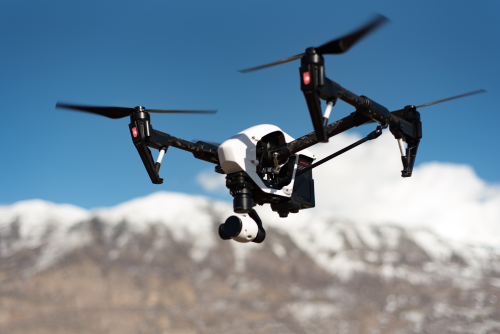
If you’re shopping for the best drones for strong tracking modes, the wrong question is “Which brand says it has ActiveTrack?” The right question is whether the drone can keep a moving subject framed in the real world: trees, changing terrain, wind, bad light, and imperfect pilot input. A great tracking drone is not just one that follows you on a sunny beach. It’s one that fails predictably, avoids obvious hazards, and still fits your travel, repair, and compliance reality.
Quick Take
For most buyers, the best drone for strong tracking modes is not the one with the flashiest marketing clip. It’s the one whose tracking system matches your environment and your tolerance for risk.
Here’s the short version:
- Best all-around buy for tracking: DJI Air 3
-
Best for buyers who want strong tracking, better wind handling than mini-class drones, and room to grow into more serious video work.
-
Best travel-friendly tracking drone: DJI Mini 4 Pro
-
Best for creators and travelers who want excellent modern tracking in a very small package.
-
Best premium camera-first option with strong tracking: DJI Mavic 3 series
-
Best for pros and serious shooters who care as much about image quality as follow modes.
-
Best easy, casual follow camera: HoverAir X1
-
Best for walking, hiking, quick solo clips, and low-friction capture. Not a replacement for a full drone in tougher conditions.
-
Best obstacle-aware autonomous tracking specialist, with caveats: Skydio 2+
- Historically one of the strongest autonomous tracking platforms, especially around obstacles, but buyers should verify availability, battery health, accessories, and long-term support before committing.
If you want the safest “least regret” choice today, the shortlist is simple: DJI Air 3 if you want the best overall balance, and DJI Mini 4 Pro if portability matters more than outright robustness.
What “strong tracking” actually means
A drone can have a feature called “Follow Me” and still be mediocre at tracking.
That’s because tracking quality depends on more than whether the app can lock onto a person or vehicle. In practice, strong tracking means the drone does four things well:
- Finds and holds the subject reliably
- Repositions smoothly without losing framing
- Deals with obstacles and terrain changes sensibly
- Fails in a predictable, recoverable way when conditions go bad
The three tracking styles buyers often confuse
GPS follow
This type follows the location of the controller or phone rather than visually understanding the subject.
It can be useful, but it often looks robotic and may not keep the subject framed attractively. It also does not understand branches, poles, or moving composition nearly as well as better vision-based systems.
Vision-based subject tracking
This is what most buyers really want. The drone uses onboard cameras and software to identify a person, bike, car, or boat and keep it in frame.
When it works well, the footage looks much smarter and more cinematic. When it works poorly, it loses the subject when the background gets messy, the subject changes direction fast, or lighting drops.
Beacon-assisted or controller-assisted tracking
Some systems improve reliability by using a beacon, controller position, or stronger subject reference alongside visual tracking.
This can help in more complex terrain, but it still does not make a drone collision-proof or legally autonomous in the way many beginners assume.
The features that matter more than buyers expect
The best drones for strong tracking modes usually share the same fundamentals.
| What to evaluate | Why it matters in real use |
|---|---|
| Omnidirectional obstacle sensing | Tracking is much safer and more useful when the drone can sense hazards in more than just the front. Side and rear awareness matter a lot in orbiting and follow shots. |
| Subject reacquisition | Good systems can regain the subject after brief partial blockage or fast direction changes. Weak systems simply give up. |
| Tracking angle options | Following from behind is easy. Stronger systems let you track from the front, side, diagonal, or orbit while keeping the subject framed. |
| Terrain handling | A drone may track well on flat ground but struggle on hills, trails, ski slopes, or cliff roads where altitude changes quickly. |
| Wind reserve | A tiny drone may track well in calm air and then drift, tilt aggressively, or give poor footage in open coast or mountain conditions. |
| Low-light behavior | Tracking and obstacle sensing usually become less reliable in dim light, deep shade, and high-contrast scenes. |
| App and controller reliability | If the app feels laggy or the screen is hard to see outdoors, tracking becomes much less useful in practice. |
| Fail behavior | When the drone loses the subject, does it hover, stop, or drift into a bad position? This matters more than buyers think. |
| Repair ecosystem | Tracking flights often happen around trees, trails, and changing terrain. Crash recovery, parts, and support matter. |
Best drones for strong tracking modes by buyer type
| Drone | Best for | Why it stands out | Main tradeoff |
|---|---|---|---|
| DJI Air 3 | Most buyers who want the best overall tracking balance | Strong modern tracking, omnidirectional sensing, better wind handling, flexible camera system | Less compact than mini-class drones |
| DJI Mini 4 Pro | Travelers, beginners, creators who care about portability | Very strong tracking in a small body, easy to pack, capable for solo content | More affected by wind and small-drone limitations |
| DJI Mavic 3 series | Pros, client work, premium imaging | Better image quality and more serious production value with strong tracking tools | Expensive, bigger, less casual to carry |
| HoverAir X1 | Casual creators, family travel, quick follow shots | Ultra-low friction setup, simple autonomous capture | Not built for demanding wind, distance, or advanced aerial work |
| Skydio 2+ | Buyers who prioritize autonomous follow behavior above all else | Excellent obstacle-aware tracking reputation | Ecosystem and support considerations are a major buying risk |
The best options, explained
DJI Air 3: the best overall buy for most people
If strong tracking is one of your top three buying priorities, the DJI Air 3 is the most balanced answer for most buyers.
Why it works:
- It combines serious tracking capability with omnidirectional obstacle sensing
- It has more wind tolerance and flight confidence than a very small travel drone
- It gives you more creative range for social clips, travel films, sports follow shots, and business content
- It is easier to grow into than a mini-class drone if you later take on paid work or more demanding shoots
Who it fits best:
- Solo creators who want self-capture without giving up image quality
- Buyers moving up from entry-level drones
- Real estate and marketing shooters who also want follow modes
- Travelers who still want a “real drone” rather than the smallest possible option
Who may regret it:
- Buyers who want the lightest, easiest carry
- People flying mainly in cities or on trips where sub-250g class portability is a major advantage
- Buyers whose budget only really covers a smaller drone plus spare batteries and accessories
The Air 3 is the easy recommendation when you want tracking to be genuinely useful rather than just included.
DJI Mini 4 Pro: the best travel and portability choice
The Mini 4 Pro is the drone many people should buy if they want strong tracking but know they will only use it if it actually fits in their bag.
Why it stands out:
- Modern subject tracking is genuinely strong for its class
- Omnidirectional sensing makes it much more confidence-inspiring than older small drones
- The small size is a big deal for travel creators, hikers, and casual owners
- In many markets, its low takeoff weight category can reduce friction compared with larger drones, though rules still vary and must be checked locally
Where it shines:
- Walking shots
- Travel B-roll
- Scenic roads and open landscapes
- Solo content creation where convenience matters more than absolute robustness
Its limit is simple: it is still a small drone.
That means:
- Wind affects it more
- It is less ideal for rough coastal air, exposed ridgelines, or aggressive subject movement
- Tiny branches, poor light, and complex backgrounds can still overwhelm any tracking system
For buyers who travel often and hate bulky gear, this is one of the easiest tracking drones to recommend.
DJI Mavic 3 series: best for premium camera work with tracking as a real tool
If your buying decision is driven by image quality first and tracking second, the Mavic 3 family remains a serious option.
The appeal is not just that it can track. It’s that you can combine strong tracking with a more professional camera platform.
Best for:
- Commercial shooters
- Tourism and brand content teams
- Higher-end social campaigns
- Buyers who want fewer compromises in image quality, dynamic range, and general production value
What you’re really paying for:
- Better camera output
- A more “pro” shooting platform
- More confidence when the follow shot is only one part of a larger deliverable
What to watch:
- It is bigger, pricier, and less casual to carry
- If your real use case is just hiking clips, bike trails, or travel selfies, you may never fully use what you paid for
- If tracking is the main reason for buying, the Air 3 often makes more practical sense
For many people, the Mavic 3 series is the right answer only when camera quality and client-facing output already justify the jump.
HoverAir X1: best for simple, low-friction personal capture
The HoverAir X1 sits in a different category, but it deserves a place in this conversation because many buyers do not actually need a full drone. They need a flying camera that can get quick follow shots without setup stress.
Why people like it:
- Very easy to launch and use
- Great for short solo clips
- Good fit for walking, family travel, lifestyle content, and casual social media capture
- Less intimidating than a full camera drone
Why it’s not a true substitute for a full drone:
- Limited compared with traditional drones in wind, range, and flight authority
- Not the right tool for larger scenic aerial shots or more demanding tracking conditions
- Not the best answer for commercial buyers who need broader shot variety
If your real goal is “I want the easiest way to film myself outdoors,” this may be smarter than overbuying a bigger drone.
Skydio 2+: still a tracking benchmark, but buy with caution
Skydio built a reputation around smart autonomous tracking and obstacle-aware flight. For dense environments and complex follow paths, it was one of the clearest examples of tracking done exceptionally well.
That said, buyers should be careful here.
Before buying, verify:
- Whether you can still buy the hardware in your market
- Battery age and condition
- Accessory availability
- Repair and support reality
- Whether the drone fits your long-term platform plans
Who it may still suit:
- Advanced users who specifically want the Skydio style of autonomous tracking
- Buyers comfortable with used-market risk
- Operators who understand they are buying into an ecosystem question, not just a drone
This is not the default recommendation for mainstream buyers anymore. But if your top priority is “How smartly can this drone follow in complex environments?” it remains relevant in any serious tracking discussion.
A smart buyer framework: choose by scenario, not by marketing
The best drones for strong tracking modes change depending on where and how you fly.
If you film travel, hiking, and casual creator content
Choose between:
- DJI Mini 4 Pro if you want a full-featured drone in a small bag
- HoverAir X1 if ease of use matters more than drone capability
If you shoot bikes, roads, boats, or general outdoor action
Choose:
- DJI Air 3 for the best overall balance of tracking, wind handling, and flexibility
If you shoot paid content or premium brand work
Choose:
- DJI Mavic 3 series if camera quality matters enough to justify the extra size and cost
If you care most about autonomous obstacle-aware follow behavior
Consider:
- Skydio 2+, but only after checking real-world support and ownership risk
What’s worth paying extra for
If tracking is a priority, spend your money in this order:
- Better obstacle sensing
- More reliable subject tracking
- Enough wind performance for your environment
- A controller you can actually see outdoors
- Spare batteries and propellers
- A support and repair path you trust
- Camera upgrades
That last point surprises buyers. But for tracking, a better sensing and flight platform often matters more than a more impressive spec sheet on paper.
A gorgeous camera is wasted if the drone constantly loses the subject.
Common mistakes buyers make
Buying for open-field demos, then flying in clutter
Tracking that looks perfect on a beach may struggle on a forest trail, a narrow canyon road, or a city park with poles, wires, and pedestrians.
Treating obstacle sensing like a force field
Obstacle sensing helps. It does not make the drone collision-proof.
Small branches, wires, glass, fast closing angles, low light, and sideward motion can still cause trouble.
Overestimating tiny drones in wind
Small travel drones are excellent now, but physics still matters. If you regularly fly in coastal wind or mountain gusts, the smallest option may not be the smartest one.
Assuming “Follow Me” equals hands-off flying
It doesn’t. Tracking reduces workload. It does not remove pilot responsibility.
Ignoring the used-market reality
Some of the most interesting tracking platforms are older or harder to buy new. If you go used, battery condition, parts availability, and support matter almost as much as the drone itself.
Safety, legal, and operational limits to know
Tracking modes make flying easier, but they do not remove legal or safety responsibilities.
Before using any follow mode, verify the rules that apply where you fly, including your national aviation authority, local park or land manager, and any venue or property restrictions.
Keep these points in mind:
- Visual line of sight usually still matters. A tracking feature does not automatically make beyond-visual-line-of-sight flight legal.
- Crowds, roads, beaches, sports fields, and wildlife areas can create extra restrictions or risk.
- Sub-250g status can reduce regulatory burden in some places, but not everywhere. Do not assume a lightweight drone means “no rules.”
- Privacy rules and local expectations still apply when you’re tracking people or filming in public-facing spaces.
- Return-to-home can behave badly if you launch from a moving boat or vehicle or if your environment changes significantly during the shot.
- Obstacle sensing gets weaker in dim light, visual clutter, and complex terrain.
For commercial operators, tracking footage may also bring insurance, client-permission, and site-control considerations. Verify those before the shoot, not after.
A final pre-buy checklist
Before you spend money, answer these seven questions:
-
What exactly am I tracking? – Person, bike, car, boat, pet, or self-shot walking content?
-
Where will I fly most often? – Open coast, forest trail, city edge, mountains, snow, desert?
-
Do I need a real drone or just easy solo capture? – This is the difference between something like an Air 3 and something like a HoverAir X1.
-
How important is packability? – If the drone is too annoying to carry, you won’t use it.
-
How risky is my environment? – Dense trees and changing terrain raise the value of stronger sensing and smarter tracking.
-
Am I buying for footage quality or autonomous behavior? – Camera-first buyers and tracking-first buyers are not always shopping for the same drone.
-
Can I support this platform long term? – Batteries, repairs, props, chargers, and service matter.
FAQ
Which is better for tracking: DJI Air 3 or DJI Mini 4 Pro?
For most buyers, the Air 3 is better if tracking performance is a top priority because it offers a stronger all-around platform with better wind confidence and more room to grow. The Mini 4 Pro is better if portability and travel convenience matter more.
Is a sub-250g drone good enough for strong tracking?
Yes, in many cases. A drone like the Mini 4 Pro can be very good at tracking. But “good enough” depends on your environment. Open, calm, scenic flights are different from windy coastlines, mountain ridges, or fast-moving action.
Does obstacle avoidance make tracking safe in forests?
Not by itself. Forests are hard for any drone. Thin branches, uneven light, canopy cover, and fast angle changes can all reduce obstacle sensing reliability. Even strong systems need conservative flying and constant oversight.
Is Skydio still the best tracking drone?
It is still one of the most respected names in autonomous follow performance, especially in obstacle-dense environments. But buying one today requires more caution than buying mainstream DJI gear because availability, support, and ecosystem confidence may be different.
What tracking mode is most useful for beginners?
Usually Spotlight or a simple subject-lock mode is safer and more predictable than full autonomous following. It lets the drone keep the camera on the subject while you control the flight path yourself.
Should I buy a used drone for tracking?
You can, especially if value matters. But inspect battery condition, prop mounts, gimbal health, sensor status, controller quality, and parts availability. A cheap tracking drone is not a bargain if you cannot trust or maintain it.
What matters more for tracking: camera quality or sensing?
If tracking is the reason you’re buying, sensing and subject lock matter more first. A better camera helps only after the drone can reliably keep the shot.
Can tracking modes be used for commercial work?
Yes, but commercial use adds more responsibility. You still need to verify local operational rules, permissions, insurance expectations, and site-specific safety constraints. Tracking automation does not remove professional duty of care.
The decision that makes the most sense
If you want the best drone for strong tracking modes with the fewest compromises, buy the DJI Air 3. If you want the best mix of tracking and portability, buy the DJI Mini 4 Pro. If you need premium image quality first, step into the Mavic 3 series. And if what you really want is effortless solo capture, skip the bigger purchase and look hard at the HoverAir X1.
The smartest buy is the one that tracks well in your real environment, not the one that looks best in a promo clip.
