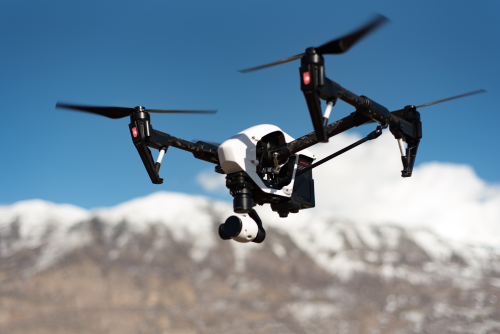
Choosing the best drones for students is not about buying the most advanced aircraft you can afford. It is about getting a drone you will actually fly, can legally use, can afford to maintain, and that fits your real output: class projects, travel clips, FPV practice, coding, or your first paid shoots. This guide breaks down the best drones for students by budget, skill level, and real use case so you can buy once, learn faster, and avoid the usual regret.
Quick Take
If you want the short version, these are the student-friendly picks that make the most sense right now.
| Student situation | Best fit | Budget level | Why it fits | Main downside |
|---|---|---|---|---|
| Absolute beginner, STEM club, coding, indoor learning | Ryze Tello or Tello EDU | Very low | Cheap, approachable, programmable, low-risk learning | Not a serious camera drone |
| Social media, campus life, solo clips, easy travel | DJI Neo | Low to mid | Quick launch, guarded props, simple self-capture | Limited in wind and serious image work |
| First “real” camera drone on a tight budget | DJI Mini 4K | Budget | Stabilized footage, GPS, trusted ecosystem, easy to learn | Fewer advanced safety features |
| Best value for student creators | DJI Mini 3 | Mid | Better image quality, vertical content, portable, good upgrade runway | Costs more than entry-level options |
| Best one-drone purchase for most students with budget | DJI Mini 4 Pro | Upper mid | Strong camera, better obstacle sensing, tracking, travel-friendly | Expensive to buy and replace |
| Best low-risk FPV starter | BetaFPV Cetus kit | Budget to mid | Safe way to learn FPV basics | You will outgrow it |
| Best cinematic FPV choice for film students | DJI Avata 2 | High | Polished FPV ecosystem, better finished footage | Expensive ecosystem and crashes still hurt |
A simple rule: buy the lightest, cheapest drone that can do your real job well. Students usually regret overbuying more than underbuying.
How students should choose a drone
Before looking at models, decide what kind of student drone buyer you are.
1. Start with the output, not the spec sheet
Ask what you actually want to make.
- Short campus reels and travel clips
- Film school projects
- Real estate or freelance side work
- FPV practice and action shots
- STEM, robotics, or coding
- Photography portfolio building
If your goal is “I want cool shots of myself and my trips,” you do not need the same drone as a media student building a commercial reel. If your goal is programming and robotics, camera quality should be low on your list.
2. Use the full budget, not just the drone price
Students often compare drones and forget the rest of the kit.
Budget for:
- At least one extra battery
- Spare propellers
- A reliable memory card
- A carrying case or pouch
- A charger or charging hub
- Optional simulator time if you want FPV
- Registration, tests, or local compliance costs where required
- Optional repair coverage or insurance if available in your region
A “cheap” drone stops being cheap if one battery dies halfway through your first shoot day.
3. Weight matters more than most beginners realize
Many countries make smaller, lighter drones easier to own and operate than heavier ones. Drones in the sub-250-gram class are popular for students because they are easier to carry, less intimidating, and often face fewer regulatory hurdles.
That does not mean “fly anywhere.” It means you may have a more practical starting point. Always verify the rules in your country, city, campus, park, and travel destination.
4. Safety features help, but they do not replace judgement
Features like obstacle sensing, return-to-home, subject tracking, and automated quick shots can reduce mistakes. They do not make a drone beginner-proof.
For students, the best safety feature is still this: a drone you are not afraid to practice with in calm, open areas.
5. Your editing workflow matters too
A drone is only half the purchase. If your laptop struggles with high-resolution footage, buying more camera than you can edit is wasteful. Media students should think about the whole workflow: capture, transfer, edit, color, export, and storage.
The best drones for students by budget, skill level, and use case
Ryze Tello or Tello EDU
Best for absolute beginners, coding students, and school clubs
If you are learning the basics of drone control or want a drone that supports programming and STEM use, the Tello still makes sense. It is one of the few student-friendly drones that is genuinely useful as a teaching platform rather than just a disposable toy.
Why it works for students:
- Easy to fly in controlled spaces
- Less painful to replace than a premium camera drone
- Good for learning orientation, control discipline, and simple maneuvers
- Useful in robotics, coding, and educational environments
Where it falls short:
- It is not the drone to buy for cinematic travel footage
- Wind performance is limited
- Image quality is fine for learning, not portfolio work
Buy it if your real goal is learning or programming. Skip it if your goal is “I want great aerial content.”
DJI Neo
Best for students who want fast, low-friction social content
The DJI Neo makes sense for a very specific kind of student: someone who values convenience more than traditional piloting. If your typical use is quick campus clips, solo travel shots, or creator content where setup time kills momentum, Neo is a strong fit.
Why it stands out:
- Easy to launch quickly
- Guarded design feels less intimidating
- Great for self-filming and casual creator workflows
- Small enough to carry almost anywhere
Where students get it wrong:
- It is not a substitute for a full camera drone if you care about image flexibility
- Small, light drones can struggle in wind
- It is better for short-form content than for serious aerial photography
Buy Neo if you want a drone that behaves more like a content tool than a traditional aircraft. If you want to learn manual flying and build stronger camera skills, a Mini-series drone is the better investment.
DJI Mini 4K
Best first real camera drone on a student budget
For many students, the DJI Mini 4K is the best “I want a real drone, not a toy” entry point. It gives you the core things that matter: stable footage, dependable GPS behavior, and a mature beginner-friendly ecosystem.
Why it is such a strong student buy:
- Real stabilized camera footage
- Portable and travel-friendly
- Usually far better value than unknown low-cost brands
- Good enough for class projects, travel, and social content
- Teaches proper drone habits without a huge financial jump
What you give up:
- Fewer advanced avoidance and tracking features than pricier models
- Less headroom for serious creator growth than the Mini 3 or Mini 4 Pro
- Not the best choice if vertical-first content is your priority
This is the best answer for students who want to learn safely, shoot decent footage, and stay within a tight budget.
DJI Mini 3
Best value for student creators
The Mini 3 is where student buying decisions get interesting. It usually costs more than the entry models, but the jump in real-world usefulness is meaningful. For many students, this is the sweet spot between affordability and long-term satisfaction.
Why it is often the value pick:
- Better image quality than basic entry-level drones
- Strong fit for travel, YouTube, short films, and creator work
- Vertical shooting is genuinely useful for social platforms
- Still compact and easy to carry
- Good “one drone for school and personal use” option
What to watch:
- It is still an investment, especially once you add batteries
- Beginners may assume the smaller size means zero risk
- It does not replace proper practice or location planning
If you are a film, journalism, travel, or content-focused student and can stretch beyond the absolute entry level, the Mini 3 is one of the smartest buys.
DJI Mini 4 Pro
Best all-round student drone if you can afford one strong long-term choice
If you want one drone that can handle coursework, travel, creator work, and early freelance projects without feeling immediately limiting, the Mini 4 Pro is the most complete answer for most students.
Why it earns the top all-round spot:
- Strong balance of image quality, portability, and safety features
- Better obstacle sensing than lower-cost options
- More confidence for travel and dynamic shooting
- Strong fit for students who want to grow into paid work
- Still compact enough to remain practical day to day
The tradeoff is simple:
- It is expensive
- Crashing or losing it is much more painful
- Students can overestimate what automation can save them from
If your budget allows only one drone purchase for the next few years, this is the safest premium recommendation. If money is tight, it is also the easiest drone to talk yourself into when the smarter buy is probably a Mini 3.
BetaFPV Cetus kit
Best FPV starter for students who want to learn without destroying expensive gear
FPV means first-person view flying, usually with goggles and a far steeper learning curve than camera drones. If you want to learn FPV, do not start with the most expensive cinematic rig you can find.
A Cetus kit is a much smarter first step.
Why it works:
- Lower-risk way to learn FPV basics
- Usually sold as a beginner-friendly package
- Better for repeated practice than jumping straight into a premium system
- Less heartbreaking to crash while learning
What to expect:
- This is a trainer, not your forever FPV platform
- Finished footage is not the reason to buy it
- You will still benefit from simulator practice before flying in tighter spaces
If your goal is manual control skill, this is a better first buy than a high-end FPV system.
DJI Avata 2
Best cinematic FPV option for film and creator students with serious budget
The Avata 2 is the opposite of the cheap FPV trainer approach. It is for students who want immersive flying and stronger finished footage, but who do not want to build and tune a full DIY FPV setup right away.
Why it makes sense:
- More polished, more content-ready FPV experience
- Better fit for film students chasing cinematic motion
- Protected design is more approachable than open-prop FPV builds
- Easier entry to the FPV look than custom rigs
Why it is not for everyone:
- The ecosystem is expensive
- Batteries, goggles, and accessories push total cost up fast
- It is easier than traditional FPV in some ways, but still not beginner-proof
This is a good buy for committed students in film, branded content, sports storytelling, or creator work. It is a bad buy for curiosity alone.
Which DJI Mini should a student buy?
This is the comparison most buyers actually need.
Buy the Mini 4K if:
- You are on a tighter budget
- This is your first real drone
- You mainly want safe, simple aerials
- You care more about learning than advanced features
Buy the Mini 3 if:
- You are a creator first
- Vertical content matters
- You want noticeably better long-term value
- You can spend a bit more now to avoid upgrading too quickly
Buy the Mini 4 Pro if:
- You want one drone for several years
- You expect heavy use
- You may do early freelance or more demanding coursework
- Better sensing and tracking are worth the premium to you
For most students, the Mini 3 is the value answer and the Mini 4 Pro is the premium answer.
Should students buy new or used?
Used drones can be a very smart move, especially for budget-conscious students. A used Mini 3 or Mini 4K from a careful owner can be a much better purchase than a brand-new unknown-brand drone.
Check these before buying used:
- Battery health and number of cycles if the seller can show it
- Crash history, including repaired arms, shell damage, or gimbal issues
- Smooth gimbal movement and stable hover behavior
- Controller pairing and charging
- Whether the device is fully removed from the seller’s account or app binding where applicable
- Included accessories, charger, props, and original case
If anything feels vague, rushed, or “probably fine,” walk away.
Safety, legal, and campus rules to verify before you fly
Student drone buying always touches compliance, especially if you plan to travel, post monetized content, or do paid work.
Before your first real flight, verify:
- Your country’s aviation rules for drone weight and use category
- Whether registration, pilot training, or identification is required
- Airspace restrictions near airports, heliports, city centers, or sensitive sites
- University, dorm, or campus property rules about takeoff and landing
- Park, beach, reserve, and landmark restrictions
- Privacy expectations when filming people in public or semi-public spaces
- Airline and battery carriage rules if you will travel with lithium batteries
- Whether paid or sponsored work is treated differently than recreation in your location
Two common student mistakes:
- Assuming “under 250 grams” means unrestricted flying
- Assuming campus property is automatically okay because it looks open
Neither is safe to assume. Verify first.
What students get wrong
Buying too much drone too early
A premium drone is not always the best learning tool. If you are nervous to fly it, you will learn slower.
Shopping by resolution alone
4K, 5K, slow motion, and spec-sheet marketing do not matter as much as stability, reliability, and how often you can actually use the drone.
Ignoring battery and repair costs
A drone with one battery is often a half-day frustration machine.
Starting FPV without simulator time
Manual FPV is fun, but the learning curve is real. Simulator practice saves money and reduces unsafe mistakes.
Buying no-name ultra-cheap drones expecting real camera-drone results
This is one of the most common regrets. A used mainstream model is often the smarter value.
Choosing a heavy drone before you need one
Heavier drones can make sense for advanced commercial work, but most students are better off staying compact and simple until their use case proves otherwise.
FAQ
Is an under-250-gram drone always the best choice for students?
Not always, but often. Smaller drones are easier to carry, less intimidating, and may face fewer regulatory hurdles in many countries. Still, some advanced projects need more camera capability, wind performance, or endurance than the smallest drones provide.
Is a cheap unknown-brand drone better than a used DJI or other established model?
Usually no. For most students, a clean used mainstream drone is the better buy because the flight behavior, app experience, spare parts, and resale value are usually better. Just inspect used gear carefully.
What is the best drone for a film or journalism student?
For most students, the DJI Mini 3 is the value sweet spot and the Mini 4 Pro is the stronger long-term option. If you specifically want immersive motion and action-style shots, the Avata 2 is the more specialized choice.
What is the best drone for engineering, robotics, or coding students?
The Ryze Tello or Tello EDU is still one of the most practical entry points because it supports educational workflows better than most camera-first drones. Buy a camera drone only if your project truly requires aerial imaging.
Should a beginner buy an FPV drone first?
Only if FPV is your main goal. If you mainly want aerial photos, travel videos, or class footage, start with a standard camera drone. If you want FPV skill, begin with a simulator and a beginner-friendly trainer before spending big.
Can a student use a drone for paid side gigs?
Sometimes yes, but you must verify local rules first. In some places, paid or sponsored flying is regulated differently from recreational flying. Also check insurance expectations, client requirements, and property permissions before offering services.
What accessories are actually essential for student drone buyers?
Start with the basics: one or two extra batteries, spare props, a good memory card, a safe case, and if you fly FPV, simulator time. Everything else is secondary until your workflow proves you need it.
How much should a student spend on a first drone?
Spend enough to get stable, reliable flight and a camera that matches your use case, but not so much that you are afraid to practice. For most students, the best first purchase is usually in the budget or midrange tier, not the premium tier.
Final decision
If you want the cleanest buying answer, here it is:
- Buy a Tello if you want to learn, code, or join a school club.
- Buy a DJI Neo if you want effortless social and travel clips.
- Buy a DJI Mini 4K if you want the cheapest real camera-drone experience.
- Buy a DJI Mini 3 if you want the best value as a student creator.
- Buy a DJI Mini 4 Pro if you want one strong drone to keep for years.
- Buy a BetaFPV Cetus kit if you want to learn FPV properly.
- Buy a DJI Avata 2 only if cinematic FPV is your clear goal and the budget is real.
For most students, the smartest move is simple: choose the smallest drone that solves your actual use case, then spend the rest on batteries, practice, and flying legally.
