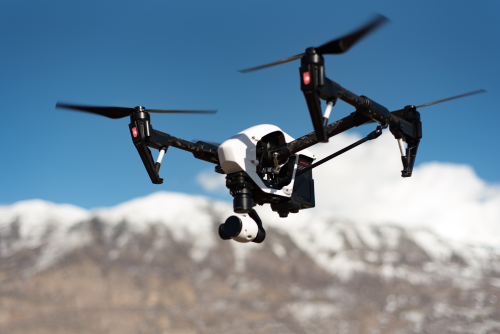
Travel photography asks more from a drone than most buyers expect. The best travel drone is not simply the one with the biggest sensor or the longest spec sheet, but the one you will actually pack, legally fly, and trust in unfamiliar places. If you are choosing between beginner-friendly Minis, creator-focused midrange models, and premium pro rigs, these are the right picks for different types of travelers in 2026.
Quick Take
If you want the short version, these are the best drones for travel photography by buyer type:
| Buyer type | Best pick | Why it makes sense | Main tradeoff |
|---|---|---|---|
| First-time traveler | DJI Mini 4 Pro | Light, capable, easier to carry everywhere, strong safety features for its class | Smaller platform than midrange drones in wind and tougher light |
| Value-focused beginner | DJI Mini 3 | Lower-cost entry into travel drone photography with very usable results | Fewer advanced features and less room to grow |
| Travel creator who wants the best balance | DJI Air 3S | Better image flexibility, stronger all-around travel tool, more creator headroom | Bigger bag footprint and more regulatory friction than a Mini |
| Working pro on the road | DJI Mavic 3 Pro | Highest image flexibility and more client-ready output | Expensive, larger, and easier to leave behind on casual days |
| FPV-style travel storyteller | DJI Avata 2 | Unique immersive travel sequences that normal camera drones cannot match | Not the best primary tool for classic travel photography |
| Non-DJI buyer with local dealer support | Autel EVO Lite+ | Strong alternative for photographers who want another ecosystem | Support, accessories, and regional availability can vary |
Key points
- For most travelers, the best choice is between the DJI Mini 4 Pro and DJI Air 3S.
- If portability and low friction matter most, go Mini.
- If you care more about image flexibility, tougher wind performance, and room to grow, go Air.
- If you deliver paid work and your travel drone must satisfy clients, the Mavic 3 Pro is still the safer premium choice.
- FPV drones are a great second travel drone, not the best only drone for still photography.
- A sub-250 g drone can make travel easier in many places, but it does not make you exempt from all rules. Always verify local requirements before flying.
What actually makes a drone good for travel photography
Travel buyers often overfocus on image specs and underweight everything else that determines whether the drone gets used.
1. Portability beats theoretical quality
A drone that lives in your hotel room does not improve your trip. For travel, size and carry friction matter more than many buyers admit.
Ask yourself:
- Will this fit in the same bag as my camera, laptop, power bank, and passport wallet?
- Will I still bring it on a long walking day?
- Will I want to unpack it for a quick sunrise or roadside stop?
This is why Mini-class drones remain so popular. They lower the “should I even bring it?” barrier.
2. Photo quality matters most at sunrise, sunset, and in contrasty scenes
Almost any current travel drone looks good in bright midday light. The real separation happens when you shoot:
- sunrise cityscapes
- sunsets over water
- mountain scenes with haze
- shaded streets with bright skies
- interiors and exteriors on the same trip
For travel photography, the useful image questions are:
- Does it shoot RAW files for editing flexibility?
- Does it hold detail in bright skies and darker foregrounds?
- Does it give you more than one practical focal length?
- Can you trust it to deliver shots worth editing, not just social clips?
3. Wind handling and stability are part of image quality
Travel often means coastlines, ridges, open viewpoints, deserts, ferries, and changing weather. A larger drone usually handles wind better and gives you more confidence in exposed locations.
That does not mean you should ignore a Mini-class drone. It means you should be honest about your destinations. A compact drone is ideal for cities, light hiking, and general travel. A larger drone makes more sense if your trips regularly involve windy coastlines, alpine terrain, or client work where you cannot miss the shot.
4. Safety features matter more when you fly in unfamiliar places
Obstacle sensing, return-to-home behavior, and predictable controls are not just beginner extras. They are especially useful when you are flying in:
- unfamiliar terrain
- urban edges
- forested viewpoints
- cliffside lookouts
- changing light
Travel is not the place to learn risky habits. If you are new, buying a slightly safer platform is often smarter than buying a slightly cheaper one.
5. Travel workflow matters: charging, storage, and file handling
The best travel drone fits your real routine, not an idealized one.
Think about:
- how you will charge batteries between flights
- whether your controller depends on your phone
- how much storage you need for a week away
- whether you will edit on a laptop, tablet, or after returning home
- how easy it is to pack spare props and keep gear organized
A drone that creates a messy travel workflow often gets used less than expected.
6. Support and repairs matter when you are far from home
Travel buyers often forget the after-purchase question: if something goes wrong, what then?
Before buying, check:
- spare prop availability
- local dealer or service support in your region
- battery and charger availability
- whether the brand has a mature accessory ecosystem
This is one reason many travelers still choose mainstream ecosystems even when a competing drone looks appealing on paper.
The best drones for travel photography
These are not “best” in a fake one-size-fits-all sense. They are the strongest picks for different travel buyers.
DJI Mini 4 Pro
For most beginners and light-travel buyers, this is the easiest recommendation.
The Mini 4 Pro hits the sweet spot between portability, image quality, safety, and creator-friendly features. Its biggest strength is not that it wins every spec contest. It is that it is good enough in almost every travel scenario while remaining easy to pack and easy to justify bringing.
Why it stands out
- Very travel-friendly size
- Sub-250 g class in many configurations, which can reduce regulatory friction in some markets
- Strong feature set for a beginner-friendly drone
- Good fit for both photo trips and social-first travel creators
- Easier to fly often, which matters more than having a bigger drone you leave behind
Best for
- first-time buyers
- casual travelers
- backpackers and city trippers
- creators who want a drone that does not dominate the bag
- photographers who want a capable lightweight companion to a main camera
Who may outgrow it
- buyers who regularly shoot in wind-heavy locations
- creators who want more lens flexibility
- pros delivering premium paid work on a frequent basis
Regret risk
The biggest regret is not image quality. It is expecting a Mini-class drone to behave like a larger pro aircraft in tough conditions.
Upgrade path
If you love the Mini 4 Pro but start wanting more image flexibility and stronger travel performance, the natural step up is the DJI Air 3S.
DJI Air 3S
If you want the best all-around travel photography drone for serious enthusiasts and creators, this is the strongest middle ground.
The Air 3S is the travel drone for buyers who know they want more than a Mini but do not want to jump all the way to a full premium pro kit. It gives you more creative flexibility, a more confidence-inspiring platform, and stronger room to grow.
Why it stands out
- Better all-around travel platform for advanced hobbyists and creators
- Useful multi-focal-length flexibility
- More confidence in varied conditions than an ultralight drone
- Better fit for creators who need both travel stills and polished video
- Strong bridge between hobby use and light commercial work
Best for
- YouTubers and travel filmmakers
- hybrid photo-video creators
- buyers taking frequent trips where the drone is a core tool, not an occasional extra
- advanced hobbyists who want one drone that can do almost everything well
Who may not need it
- travelers who prioritize smallest possible packing size
- casual users who mostly post quick clips and occasional photos
- rule-sensitive travelers who want the simplest light-drone approach
Regret risk
The main risk is buying more drone than you will actually carry. If you travel ultralight, a Mini may produce more real-world value simply because it goes everywhere with you.
Upgrade path
For many buyers, this is the upgrade target from a Mini. For working pros, it can also be the lighter secondary travel body next to a Mavic 3 Pro.
DJI Mini 3
Not every buyer needs the latest or most advanced travel drone. The Mini 3 remains a smart pick if value matters more than having every premium feature.
It is a good answer for buyers who want real travel drone photography, not toy-drone disappointment, but also do not want to overspend on features they may never use.
Why it stands out
- Lower-barrier entry into a trusted travel-drone ecosystem
- Capable enough for vacations, scenic trips, and first serious aerial photos
- Lighter and easier to travel with than larger drones
- Better value than many cheap alternatives that look good only in listings
Best for
- beginners on a tighter budget
- buyers moving up from entry-level or toy drones
- occasional travelers who want solid results without premium cost
What you give up
- less advanced safety and automation than newer higher-tier models
- less future-proofing if you quickly get serious
- more obvious limitations for demanding creator work
Regret risk
The common mistake is treating value as the same thing as “cheapest possible.” The Mini 3 makes sense because it is still a real camera drone, not because it is the absolute lowest-cost option.
Upgrade path
If travel drone photography becomes a serious hobby or business tool, you will likely move next to the Mini 4 Pro or Air 3S.
DJI Mavic 3 Pro
If you travel for client deliverables, premium campaigns, or serious commercial imaging, this is the pro pick.
The Mavic 3 Pro is not the right answer for most casual travelers. It is the right answer when image flexibility, client confidence, and professional output matter enough to justify the larger kit. It is the kind of drone that makes sense when the travel itself is part of the job.
Why it stands out
- Premium image flexibility
- Better fit for paid deliverables and higher client expectations
- Strong option for tourism, hospitality, destination marketing, and commercial creator work
- More room for serious editing and multi-shot storytelling
Best for
- working pros
- commercial content teams
- destination and hospitality shooters
- buyers who already know they need more than a compact travel drone
Who should skip it
- first-time buyers
- casual hobby travelers
- anyone who wants a drone they can casually throw into every daypack without thinking
Regret risk
The biggest regret is buying a pro drone for ego rather than need. Bigger and better on paper often means heavier, more expensive, and easier to leave behind.
Upgrade path
For many pros, there is no upgrade path inside the same travel-buying logic. The smarter move is often pairing a Mavic 3 Pro with a smaller secondary drone for low-friction trips.
DJI Avata 2
This is not the best primary drone for travel photography, but it is one of the best companion drones for travel storytelling.
The Avata 2 gives you immersive, dynamic flight paths that normal camera drones do not. If your travel content leans toward movement, action, urban textures, road trips, sports, or cinematic sequence-building, it adds a completely different visual language.
Why it stands out
- Unique FPV-style travel visuals
- Great for motion-heavy storytelling
- Strong second-drone choice for creators who already own a camera drone
Best for
- FPV-curious travel creators
- adventure storytellers
- creators who want more than slow orbit-and-reveal footage
What it is not
- not the best still-photo drone
- not the simplest first drone for a nervous beginner
- not a replacement for a stable photography-first travel aircraft
Regret risk
The biggest mistake is buying an FPV-oriented drone as your only travel drone when what you really want is classic landscapes, cityscapes, and destination photos.
Autel EVO Lite+
If you want a non-DJI option and have solid local dealer support, the EVO Lite+ is still worth consideration.
For some buyers, ecosystem preference matters. Some simply want an alternative brand. Others already use Autel gear or have reliable regional support. In those cases, the EVO Lite+ remains a real option for travel photography.
Why it stands out
- Respected alternative in the folding camera drone category
- Good fit for buyers who prefer another ecosystem
- Sensible option where service and accessories are easy to get
Best for
- photographers who do not want to default to DJI
- buyers with reliable Autel support in their region
- users comfortable researching local accessory and firmware support before purchase
Main caution
Brand choice is not just about the aircraft. It is about batteries, firmware, controller experience, accessories, repairs, and dealer support. Those practical factors should decide whether this is a smart buy in your market.
How to choose between these drones in 60 seconds
If you are stuck, use this simple filter:
Choose the DJI Mini 4 Pro if:
- this is your first serious drone
- you fly mostly for personal travel and creator use
- you want the easiest drone to bring everywhere
- low carry weight matters more than maximum image flexibility
Choose the DJI Air 3S if:
- the drone is a central tool on most trips
- you want a better long-term buy than a Mini
- you care about both stills and polished travel video
- you shoot in more varied conditions and want more headroom
Choose the DJI Mini 3 if:
- value matters more than premium features
- you want a real drone camera without going all-in
- you are unsure how often you will use it
Choose the DJI Mavic 3 Pro if:
- you shoot paid work
- clients will judge the deliverables
- you need stronger image flexibility and professional confidence
Choose the DJI Avata 2 if:
- you already understand that FPV is a different creative tool
- motion and immersive storytelling matter more than classic aerial stills
Choose the Autel EVO Lite+ if:
- you specifically want a non-DJI platform
- support and accessory availability in your region are strong
Travel, safety, and compliance checks before you fly
Travel photography with a drone is never just a gear decision. It is also a legal and operational decision.
Before any trip, verify these points with the relevant aviation, park, venue, customs, and airline authorities for your destination.
1. Check aviation rules for the exact country or region
Do not assume your home-country rules apply abroad. Registration, pilot competency requirements, flight category, identification rules, and operational limits vary widely.
Also remember: a lighter drone may reduce friction in some places, but it does not automatically make you unrestricted.
2. Check location-specific bans
National aviation permission does not mean you can launch everywhere. Parks, heritage sites, beaches, city centers, reserves, events, and private venues often have their own restrictions.
3. Verify airline battery rules
Lithium battery policies vary by airline and can change. Confirm carry-on rules, spare battery limits, terminal protection requirements, and whether any battery must stay out of checked baggage.
4. Plan for people, privacy, and local sensitivity
A technically legal flight can still be a bad idea. Avoid crowds, be respectful near homes and hotels, and do not treat tourist areas as automatic drone zones.
5. Know whether your trip involves commercial work
If you are filming for a client, a brand, a monetized channel, or a deliverable tied to business use, extra rules or insurance obligations may apply depending on the location. Verify that before you travel.
6. Do not trust weather apps alone
Mountain wind, coastal gusts, heat, and sudden cloud changes can make a normal-looking day unsafe. Build conservative go/no-go habits.
Common mistakes travel drone buyers make
Buying for specs instead of actual carry behavior
A larger drone that stays in the hotel is worse than a smaller drone that flies every morning and evening.
Assuming sub-250 g means “no rules”
In many places it helps. In some places it helps a lot. But it does not mean “fly anywhere.”
Choosing FPV when they really want postcard images
FPV is exciting, but it solves a different creative problem than traditional travel photography.
Ignoring battery and charging logistics
A great drone becomes annoying fast if your charging setup is clumsy for road trips, trains, ferries, or multi-day outdoor travel.
Underestimating wind and terrain
People often buy a Mini for coastal or alpine travel without being realistic about conditions. The smaller drone may still work well, but you need to know its limits.
Spending pro-level money without pro-level need
If your deliverables are personal memories, social clips, and occasional prints, you may not need a premium pro aircraft.
FAQ
Is a sub-250 g drone always the best for travel?
Not always, but it is often the smartest starting point. A sub-250 g class drone can be easier to carry and may reduce regulatory friction in some markets. Still, larger drones can be better in wind, deliver more image flexibility, and suit client work better.
What is the best travel drone for a beginner?
For most beginners, the DJI Mini 4 Pro is the safest all-around pick. It balances portability, ease of use, and image quality better than most alternatives. If budget is tighter, the DJI Mini 3 is the value choice.
What is the best travel drone for professional photographers?
If travel photography is part of paid work, the DJI Mavic 3 Pro is the strongest premium choice in this list. If you need a lighter commercial-friendly option that is easier to carry, the DJI Air 3S is the better compromise.
Do I need multiple cameras or focal lengths on a travel drone?
Not everyone does. A single-camera travel drone is enough for many hobbyists. But if you shoot often, different focal lengths give you more compositional options and reduce the “every drone shot looks the same” problem.
Should I buy an FPV drone for travel content?
Buy one if you specifically want immersive motion, dynamic route shots, and a different storytelling style. Do not buy one as your only drone if your main goal is classic travel landscapes and still photography.
How many batteries should I travel with?
Enough to support your shooting style without creating packing chaos. For many travelers, three batteries is a practical starting point, but your airline’s lithium battery rules matter more than generic advice. Verify current airline limits before packing.
Is a travel drone good enough for client work?
Sometimes, yes. The DJI Air 3S can make sense for lighter commercial travel jobs. But if clients expect premium deliverables, more flexibility, or repeatable professional output, the Mavic 3 Pro is the safer fit.
What accessories matter most for travel photography?
Prioritize spare batteries, spare props, safe battery storage, a compact carrying setup, memory management, and a reliable charging routine. Fancy extras matter less than keeping the drone flyable, powered, and easy to pack.
The buying decision most people should make
If you want the cleanest recommendation, buy the DJI Mini 4 Pro for easy travel, the DJI Air 3S for the best overall creator balance, and the DJI Mavic 3 Pro only if travel is tied to real professional deliverables. The wrong drone is usually the one that is too big, too advanced, or too specialized for the way you actually travel. Pick the drone you will carry, fly responsibly, and use often.
