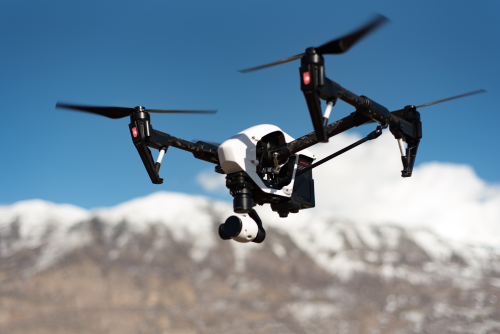
Choosing the best drones for travelers is less about chasing the biggest sensor or longest advertised range and more about how much friction you want to carry through airports, hotels, hikes, rental cars, and changing local rules. The right buy for a first-time vacation flyer is very different from the right buy for a travel creator, FPV pilot, or someone shooting paid resort content. This guide breaks down what to buy based on budget, skill level, and the real trips you actually take.
Quick Take
If you want the short version, these are the strongest travel-drone fits right now based on portability, ease of use, camera quality, and how often people actually bring them on trips.
| Traveler type | Best fit | Budget level | Skill level | Why it works | Main tradeoff |
|---|---|---|---|---|---|
| Ultra-casual traveler who wants quick clips and easy flying | DJI Neo | Lowest | Beginner | Tiny, simple, low-friction, great for social-style memories | Limited wind performance and less flexible image quality |
| Budget-conscious buyer who still wants “real drone” results | DJI Mini 3 | Value | Beginner to intermediate | Travel-friendly, capable camera, good first serious drone | Fewer safety features than newer premium options |
| Most travelers, especially first-time buyers who want room to grow | DJI Mini 4 Pro | Mid-range | Beginner to advanced | Best mix of size, safety, image quality, and travel practicality | Costs more once you add batteries and accessories |
| Serious travel creator or light commercial shooter | DJI Air 3S | Premium | Intermediate to advanced | Better wind handling, dual-camera flexibility, stronger creator workflow | Bigger, heavier, and less hassle-free for travel |
| Action-heavy creator who wants immersive motion | DJI Avata 2 | Specialty premium | Beginner FPV to intermediate | Distinctive FPV footage with a friendlier learning path than custom FPV | Not the best all-purpose travel drone |
Key points for buyers in a hurry
- For most travelers, the safest single recommendation is the DJI Mini 4 Pro.
- If your budget is tighter, the DJI Mini 3 is usually the smarter buy than a cheaper “spec-heavy” off-brand drone.
- If you mostly want fast social clips and hate setup time, the DJI Neo can make more sense than a traditional camera drone.
- If you earn money from travel content or care about telephoto framing and wind performance, move up to the DJI Air 3S.
- If your dream shots are fast, low, dynamic, and immersive, buy the DJI Avata 2 only if you are willing to practice.
- The real travel budget is the drone plus spare batteries, charging, storage, spare props, and legal compliance.
- Under 250 g often helps, but it does not mean regulation-free everywhere.
How to choose the right travel drone before you compare models
The best travel drone is the one you will actually pack, legally fly, and feel confident launching on a real trip.
1. Match the drone to your actual itinerary
A lot of buyers imagine themselves filming cliffs, empty beaches, mountain roads, and sunrise ridgelines. Then their next five trips are dense cities, museums, historic centers, and hotel-heavy weekends where legal launch spots are scarce.
Ask yourself:
- Do I travel mostly to cities or to open landscapes?
- Will I have sunrise or golden-hour time to fly?
- Am I hiking with the drone, or just carrying it from hotel to car?
- Will I use this for memories, content, or paid deliverables?
If your next year is mostly urban travel with limited legal flying opportunities, a small drone may still make sense, but a premium model could be overkill.
2. Decide how much carry friction you can tolerate
Travel drones fail buyers when they become “bag tax.”
A very capable drone that needs a larger bag, bigger charger, more careful packing, and more mental effort often stays in the hotel. That is why smaller foldable drones dominate travel buying decisions.
Think in three carry styles:
- Pocketable or jacket-pocket small: easiest to bring, fastest to launch, but more limited in wind and camera flexibility
- Small sling or daypack drone: best balance for most people
- Dedicated drone compartment or bigger bag: worth it only if you truly need better image flexibility or wind handling
3. Buy for wind, not just specs
This is one of the biggest travel buying mistakes.
A tiny travel drone can look perfect on paper, then spend half the trip grounded in coastal wind, alpine gusts, or exposed viewpoints. If your travel includes islands, cliffs, road trips, beaches, deserts, or mountain terrain, size and stability matter more than many first-time buyers realize.
As a simple rule:
- Calm sightseeing trips: very small drones can work well
- Mixed travel: mini-class drones are the sweet spot
- Windy destinations or creator work: larger folding drones become more useful
4. Be honest about your skill level
Beginners usually benefit from three things:
- Better obstacle sensing
- More stable hovering and subject tracking
- Less stressful setup and flight management
That is why a “better” drone for an advanced pilot is not always the better travel buy for a beginner. If you are still building confidence, features that prevent bad decisions matter more than headline speed.
5. Think about what you edit, not just what you shoot
Do you actually color-grade footage, crop stills, and cut longer sequences? Or do you mostly post short clips to social platforms and share vacation highlights with family?
If you mainly want:
- Easy memories and quick social clips: simpler and smaller is often better
- Scenic cinematic travel footage: mini-class camera drones shine
- Professional travel edits or client work: premium drones pay off
- Dynamic action footage: FPV is its own lane
6. Budget for the whole kit, not just the aircraft
A bare drone with one battery is how buyers get frustrated on day two of a trip.
Your real travel-drone purchase usually includes:
- At least 2 to 3 batteries total
- A charging hub or practical charger
- Spare props
- Fast, reliable microSD cards
- A compact case or pouch
- Possibly ND filters if you shoot video intentionally
- Registration, insurance, or permit costs where applicable
In many cases, a slightly cheaper drone with a complete travel kit is a better buy than stretching to the next model and skipping essentials.
Best drones for travelers by budget, skill level, and real use case
DJI Neo: best for ultra-casual travelers and complete beginners
Best for: social clips, solo travel memories, quick follow shots, light hiking, low-friction vacation use
Skill level: complete beginner
Budget fit: lowest entry point
The DJI Neo makes sense for a very specific type of traveler: someone who wants a flying camera experience more than a classic aerial-photography workflow.
Its biggest strength is ease. It is small, less intimidating than a traditional drone, and fits the kind of travel moments where you do not want to unpack a whole kit just to capture a short clip. For casual travelers, couples, and creators who want fast social-first footage, that simplicity matters.
Why it works:
- Extremely easy to bring everywhere
- Faster to use than many foldable camera drones
- Lower stress for first-time pilots
- Great for short-form, personality-led travel content
Limits to know:
- It is not the best choice for windy overlooks or dramatic landscape work
- Image flexibility is more limited than a true mini-class camera drone
- If you expect polished cinematic travel edits, you will outgrow it faster
Buy this if: you want the easiest possible way to add aerial-style clips to trips without turning travel into a drone project.
Skip it if: you want one drone to handle serious landscapes, premium photo work, or light commercial use.
DJI Mini 3: best value first travel drone
Best for: first serious drone buyers, budget-conscious travelers, vacation photo/video, occasional creator work
Skill level: beginner to intermediate
Budget fit: value sweet spot
The DJI Mini 3 remains one of the smartest travel buys if you want real results without paying for every premium extra. It sits in the sweet spot between “toy-like convenience” and “serious creator rig.”
For many travelers, this is the point where a drone becomes genuinely useful: small enough to travel easily, capable enough to produce footage you will still like a year from now, and widely supported in terms of batteries, props, accessories, and buyer familiarity.
Why it works:
- Compact foldable design with very travel-friendly size
- Strong value for photo and video quality
- Easier to justify for occasional travelers than pricier premium models
- Often available new, refurbished, or used at attractive value
Limits to know:
- It has fewer advanced safety features than the Mini 4 Pro
- Beginners who fly near obstacles may want the extra confidence of a higher-end model
- If you shoot often in wind or want the newest tracking and avoidance features, you may feel the gap
Buy this if: you want a proper travel drone and would rather spend the difference on batteries, storage, and the trip itself.
Skip it if: you are nervous about flying, regularly work around trees/buildings, or want the most forgiving all-round experience.
DJI Mini 4 Pro: best overall for most travelers
Best for: most leisure travelers, mixed photo/video creators, honeymoon and family trips, hiking, vanlife, tourism content
Skill level: beginner to advanced
Budget fit: mid-range
If you want one answer to “What is the best drone for travelers?” the DJI Mini 4 Pro is the closest thing to a safe universal pick.
It wins because it solves the actual travel problem better than almost anything else: it stays compact, stays easy to pack, offers much stronger safety and automation than entry-level options, and still delivers image quality that satisfies most hobbyists and many creators.
For global travel, the mini class also matters. In many places, smaller drones are easier to live with from a practical and sometimes regulatory standpoint, even though you still need to verify local rules.
Why it works:
- Excellent size-to-capability balance
- Strong obstacle sensing and beginner-friendly safety
- Good enough for most serious travel photo and video work
- Easy recommendation for buyers who want room to grow without jumping to a heavier platform
Real-world use cases where it shines:
- Scenic road trips
- Island hopping and coastal travel in moderate conditions
- Couples and family travel where you want both ease and quality
- Creator trips where you want one drone that does almost everything
Limits to know:
- It is still a small drone, so strong coastal or mountain wind can be limiting
- Once you add extra batteries and accessories, the total spend climbs quickly
- If you regularly want longer-reach framing or more premium creator flexibility, a larger drone may make more sense
Buy this if: you want the best all-around travel drone, especially as a first “buy once, use for years” option.
Skip it if: you are on a tight budget and could be just as happy with a Mini 3, or if you already know you need the extra wind performance and camera flexibility of the Air series.
DJI Air 3S: best premium travel drone for serious creators
Best for: travel creators, photographers, light commercial operators, road trips, windy destinations, buyers who will actually use dual-camera framing
Skill level: intermediate to advanced, or ambitious beginners willing to learn
Budget fit: premium
The DJI Air 3S is where travel buying moves from “easy carry drone” into “serious creator tool that still travels well.”
Its biggest advantage is not just better image quality. It is the combination of stronger wind handling, a more substantial airframe, and the flexibility of a dual-camera setup. That second focal length matters much more than many buyers expect. It gives you cleaner composition, better subject separation, and more variety without needing to fly as close.
That makes the Air 3S especially strong for:
- Landscapes where you want compression and layered framing
- Resorts, villas, and destination content
- Road trips where you can afford a slightly larger kit
- Buyers who monetize travel footage or pitch clients
Limits to know:
- Bigger and heavier means more packing friction
- In some jurisdictions, weight can bring added compliance or operational considerations
- It is less of a “throw it in every bag” drone than a Mini
- Overkill for travelers who mostly want quick memory clips
A practical note: if you find a strong discount on the DJI Air 3, it can still be a smart buy. The right premium drone is not always the newest one, but the one whose price, bundle, and use case line up with how you work.
Buy this if: you know you will use the second camera, care about wind performance, and are comfortable carrying a more serious kit.
Skip it if: your best drone is the one that disappears into a tiny bag and never feels like a burden.
DJI Avata 2: best travel FPV drone for immersive footage
Best for: action travel creators, adventure trips, dynamic reveals, movement-heavy video
Skill level: beginner FPV to intermediate
Budget fit: specialty premium
The DJI Avata 2 is not the best travel drone for most people, but it is the right one for a traveler who wants a specific look: faster, lower, more immersive, more kinetic.
If your visual style is built around movement rather than hovering scenic shots, the Avata 2 gives you a more accessible path into FPV than building and maintaining a full custom FPV travel kit. For adventure travel, action sports, and creator-led storytelling, it can produce footage that conventional camera drones simply do not.
Why it works:
- Distinctive footage style
- More travel-friendly than carrying a custom FPV setup
- Easier entry into FPV than starting fully manual from scratch
Limits to know:
- FPV still has a learning curve
- It is not the ideal only drone for stills and classic landscape work
- Battery planning, practice, and safe location choice matter more than beginners assume
- Noise and flight style can attract attention quickly
Buy this if: dynamic movement is the point of the trip, and you are willing to practice before you travel.
Skip it if: you mainly want classic travel photography, scenic hovering shots, or the simplest possible flying experience.
Travel, legal, and operational limits to verify before you buy
Travel drones sit at the intersection of aviation rules, local access rules, airline battery rules, privacy expectations, and sometimes customs or import restrictions. Before you buy for international travel, separate these into three questions:
1. Can you legally bring the drone into the country?
Some destinations are drone-friendly. Others restrict import, temporary entry, or possession in certain circumstances. Do not assume that because a drone is sold globally, it is easy to carry everywhere.
2. Can you legally fly it where you are going?
National aviation rules may require some combination of:
- Registration
- Pilot competency or online tests
- Remote identification or e-ID
- Operational authorizations
- Insurance
- Additional permissions for commercial work
And then local rules can be even tighter than national ones.
3. Can you legally take off, land, and film there?
This is where travelers get caught out. Even if the airspace is not restricted, you may still be barred from launching or landing in:
- National parks
- beaches
- historic sites
- private resorts
- urban plazas
- protected wildlife areas
- event spaces
Also remember:
- Privacy and filming laws vary
- Flying over people, roads, or crowds can be restricted or unsafe
- Hotels and tour operators may ban drone use on their property
- Paid content can trigger different rules than purely recreational use
Airline battery reality
Rules vary by airline and route, but spare lithium batteries usually need to travel in carry-on baggage, with terminals protected. Airline limits on battery quantity and watt-hours can differ. Check with the airline and any connecting carrier before the trip, not at the gate.
Common mistakes travelers make when buying a drone
Buying for fantasy trips, not real ones
If you mostly take city breaks and short family vacations, a large premium drone may be wasted money.
Assuming under 250 g means “no rules”
Smaller drones can reduce friction, but they are not a universal legal exemption.
Underbudgeting for batteries
One-battery travel kits create rushed flights, missed light, and frustration.
Buying FPV because the footage looks exciting
FPV is great when it matches your style. It is a poor buy if you really want stable scenic travel footage.
Ignoring wind conditions at destinations
Tiny drones are wonderful until you travel somewhere exposed and cannot comfortably use them.
Not practicing before the trip
The first sunset on day one is a terrible time to learn return-to-home settings, exposure, or emergency behavior.
Choosing a drone with weak support in your market
Travel buyers need easy access to batteries, props, repairs, and firmware support. Popular ecosystems are popular for a reason.
FAQ
Is a sub-250 g drone always the best travel choice?
Not always. It is usually the best balance for convenience, but not if you regularly travel in windy areas or need more serious creator features. It also does not automatically exempt you from rules everywhere.
How many batteries should I travel with?
For most travelers, three batteries total is the practical sweet spot. One feels restrictive, two is workable, three usually gives you enough flexibility for sunrise, sunset, or a half-day outing.
Can I put drone batteries in checked luggage?
Usually, spare lithium batteries should stay in carry-on luggage with terminals protected, but airline rules vary. Always verify with your airline and any connection partner before travel.
Should beginners buy an FPV drone for travel videos?
Only if FPV footage is the reason you are buying. If you mainly want scenic travel shots, photos, and low-stress flying, start with a Mini-class camera drone instead.
Is a used or refurbished travel drone worth it?
Yes, often. A used or manufacturer-refurbished Mini 3 or similar model can be an excellent value. Check battery health, gimbal condition, controller pairing, crash history, sensor function, and whether spare parts are easy to source locally.
DJI Mini 4 Pro or DJI Air 3S for travel?
Choose the Mini 4 Pro if portability, easier carry, and lower-friction travel matter most. Choose the Air 3S if you care more about wind handling, dual-camera flexibility, and more serious creator output.
What should I verify before flying a drone abroad?
At minimum, verify:
1. Whether the drone can be legally brought into the country
2. Whether registration or pilot requirements apply
3. Whether your exact location allows takeoff and landing
4. Whether commercial use needs extra approvals
5. Whether your airline accepts your battery setup
6. Whether insurance is recommended or required for your trip or work
Final decision
If you want one clean answer, buy the DJI Mini 4 Pro. If your budget is tighter, buy the DJI Mini 3 and put the savings into batteries and practice. If you are a serious travel creator, step up to the DJI Air 3S. If you want motion-first action footage, go Avata 2. And if you only want effortless memory clips, the DJI Neo may be the smartest, least-regretted buy of all.
Whatever you choose, make the next decision just as carefully: build a complete travel kit, verify the rules for your destination, and fly the drone locally before your next flight out.
