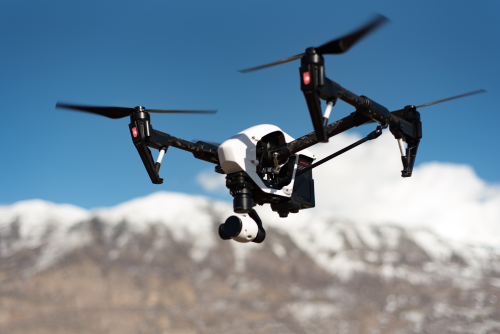
The best drones for under 250g are popular for good reason: they are easier to pack, less intimidating to fly, and in many countries they sit in a friendlier regulatory bucket than heavier aircraft. But weight alone does not make a drone a smart buy. If you want to avoid buyer’s remorse, focus on what the drone helps you do well: the footage it can reliably capture, how safely it flies, how easy it is to live with, and whether it still makes sense once batteries, travel, and local rules enter the picture.
Quick Take
If you want the short version, these are the sub-250g buys that make the most sense for most people:
-
Best premium all-rounder: DJI Mini 4 Pro
Best for buyers who want the strongest mix of camera quality, safety features, tracking, and travel portability. -
Best value camera drone: DJI Mini 3
Best for travelers and casual creators who want very good footage without paying for every advanced feature. -
Best budget alternative outside the DJI default: Potensic Atom
Best for cost-conscious buyers who still want a foldable GPS camera drone, assuming local support is solid in their market. -
Best pocket option for quick social capture: DJI Neo
Best for buyers who care more about simple follow shots, short clips, and convenience than classic drone cinematography. -
Best sub-250g path for FPV: a simulator first, then a tinywhoop-style FPV starter kit
Best for people who specifically want immersive manual flying. A Mini-style camera drone is not an FPV substitute.
Key points before you spend
- The “best” drone under 250g depends more on use case than raw specs.
- In many regions, under 250g reduces regulatory friction, but it does not erase rules, no-fly zones, privacy laws, or local site restrictions.
- The biggest buying mistakes usually come from ignoring:
- wind performance
- repair support
- battery workflow
- real-world video needs
- accessories that push the aircraft over the weight threshold
- If your goal is paid work, judge the drone by deliverable quality and reliability, not by how little paperwork you hope to do.
Why the under 250g class matters so much
The sub-250g class exists at the sweet spot between convenience and capability.
For many buyers, it is the first category that feels genuinely portable. These drones fit in a small bag, are easier to carry on trips, and are far less of a burden on hikes, city walks, or long shooting days.
In many countries, 250g is also an important legal threshold. That does not mean every sub-250g drone is exempt from everything. It means the compliance path is often simpler than it is for heavier aircraft. Depending on where you fly, you may still need to register, identify yourself as a pilot, follow operational limits, respect remote identification requirements, or get permission for certain locations.
Just as important, under 250g tends to mean:
- less intimidating for beginners
- lower kinetic energy than larger drones
- easier travel packing
- lower replacement cost than bigger pro platforms
But there are tradeoffs.
Smaller drones usually give up some combination of:
- wind resistance
- low-light image quality
- sensor size
- loudness control
- payload flexibility
- endurance in harsh conditions
And one more thing many buyers miss: the threshold usually matters at takeoff weight, meaning the drone as actually flown. Optional batteries, prop guards, lights, or third-party accessories can change that. Always verify how your local rules define the weight.
What actually matters before you buy
1. Start with the job you need the drone to do
This is the most important part of the decision.
A buyer who wants vacation clips, a buyer who wants roof inspections, and a buyer who wants FPV freestyle do not need the same drone, even if all three want something under 250g.
If you are a travel creator or hobbyist
You probably need:
- reliable GPS positioning
- good stabilization
- quick setup
- decent wind handling
- easy file transfer
- enough camera quality for social, YouTube, and general travel edits
This is where drones like the Mini 4 Pro and Mini 3 shine.
If you are a casual family user
You probably value:
- simplicity
- safe automated flight
- easy subject tracking
- low stress, fast launch
- minimal editing
This is where a simple pocket drone like the DJI Neo can make more sense than a more traditional folding drone.
If you are buying for light commercial work
Think carefully.
Sub-250g drones can absolutely be useful for:
- social media content
- tourism content
- simple marketing footage
- real estate teasers
- site overviews
- scouting and pre-visit planning
But they are less ideal for:
- detailed inspections
- demanding low-light work
- high-end broadcast delivery
- heavy wind coastal jobs
- mapping or surveying workflows that require consistency and specialized planning
If you want FPV
Do not buy a camera drone and hope it will scratch the same itch.
FPV means first-person view manual flying, usually with a headset and a very different learning curve. If that is your goal, start with a simulator and then move into a small FPV trainer or tinywhoop kit. That is a different buying lane from a folding camera drone.
2. Ignore the “4K” sticker and judge usable image quality
Many buyers overvalue headline resolution and undervalue everything that affects real footage.
What actually matters more:
- stabilization: how smooth the footage looks in motion
- dynamic range: how well the camera holds bright skies and darker shadows in the same scene
- low-light performance: how quickly footage gets noisy or mushy
- color flexibility: whether footage gives you room to edit without falling apart
- photo usefulness: if still images matter to you, not just video
A drone can say “4K” on the box and still produce footage that looks weak in difficult light, shaky in gusts, or overly processed.
What this means in practice
- If you mostly shoot in bright daylight and post to social platforms, many sub-250g drones are good enough.
- If you shoot sunrise, sunset, interiors through windows, forests, or city scenes with bright highlights, the better camera platform is worth paying for.
- If you color grade your footage, advanced video profiles matter more.
- If you just want clean clips with little editing, ease of use matters more than pro codec bragging rights.
For most buyers, the Mini 4 Pro is the strongest all-round image tool in this weight class. The Mini 3 remains a very strong value if you do not need every advanced feature.
3. Wind performance is the hidden deal-breaker
This is where buyer regret shows up fastest.
A sub-250g drone can be legal, compact, and feature-rich, but if you live near the coast, hike ridgelines, travel to exposed viewpoints, or shoot in frequent wind, small aircraft will show their limits.
You should care about:
- how stable the drone holds position
- how confident it feels returning home in wind
- whether footage stays smooth in gusts
- how much battery gets burned just fighting conditions
The practical rule
If your use case includes regular wind, buy the most stable sub-250g drone you can justify, not the cheapest one you can tolerate.
This is a big reason many experienced buyers still prefer the Mini line over lighter novelty-first options. Pocket drones are fun and convenient, but some of them are better treated as quick-shot tools, not all-condition aerial cameras.
4. Safety features are not just “nice to have”
For beginners, safety features often save more money than they cost.
The useful ones include:
- GPS positioning: helps the drone hold its place accurately
- return-to-home: an automated function that brings the drone back if signal is lost or you trigger it
- obstacle sensing: sensors that help detect objects around the drone
- stable hovering: reduces drift and panic
- good app warnings: alerts about low battery, home-point status, or flight conditions
Who should pay more for safety features
Pay for stronger safety and sensing if you:
- are brand new to drones
- fly near trees, buildings, or changing terrain
- want tracking shots
- travel a lot and fly in unfamiliar places
- plan to use the drone for client work where mistakes are costly
This is where the Mini 4 Pro justifies its premium. It is not only about image quality. It is about confidence and margin for error.
If you are disciplined, fly in open areas, and want to save money, the Mini 3 or Potensic Atom can still be smart buys.
5. The controller and app experience matter more than most buyers expect
A drone is not just an aircraft. It is a workflow.
Ask these questions before you buy:
- Do you want to fly with your phone, or with a dedicated controller that has a built-in screen?
- Is the app easy to learn?
- Are file transfer and editing smooth?
- Does the drone start quickly, or does every flight feel like a setup chore?
- How mature is the software ecosystem?
This matters because the best drone on paper becomes the worst one to own if you avoid flying it.
What different buyers should prioritize
- Travel creators: fast launch, easy transfer, strong automated modes
- Beginners: clear interface, stable return-to-home behavior, reliable tutorials and community support
- Commercial users: repeatable workflow, consistent exports, dependable firmware support
- Frequent travelers: low-friction charging and fewer cables
A big reason DJI stays strong in this category is not just hardware. It is the total ecosystem. That may or may not matter to you, but it absolutely affects long-term satisfaction.
6. Battery life is a workflow issue, not a box-spec issue
Advertised flight times are best-case numbers. Real-world time is always lower once you add wind, cautious flying, takeoff and landing reserve, repositioning, and safety margin.
For most buyers, the right question is not “How long does it fly?” It is:
How many useful shooting minutes do I get before I need to land, swap, recharge, and think again?
Buy with this battery logic
At minimum, most people should plan for:
- 2 to 3 batteries total
- a reliable charging solution
- spare props
- a fast way to move footage off the aircraft or card
If you travel, also think about:
- airline rules for lithium batteries
- keeping spares in carry-on baggage if required by your airline
- charging from power banks or USB-C when possible
- cold weather reducing effective flight time
A “cheap” drone with one battery often becomes a frustrating buy.
7. Repair support and parts availability can make or break a bargain
A strong deal is only a strong deal if you can keep the drone flying.
Before buying, check:
- replacement prop availability
- battery availability
- local or regional repair support
- turnaround times
- whether refurbished replacements are common
- how easy it is to buy official accessories later
This is where older or off-brand deals can become false economy. A discounted drone is not a smart buy if batteries are hard to source or service is weak in your region.
For buyers outside major markets, this matters even more. Always judge a drone by the support you can actually access, not by what reviewers in another country assume is normal.
8. Total cost of ownership beats sticker price
The drone body is only part of the purchase.
Your real spend usually includes:
- extra batteries
- charger or charging hub
- memory card
- carrying case
- spare propellers
- filters for video if you care about motion blur
- insurance or damage protection if available in your market
- registration or operator costs where required
If one drone costs less upfront but needs several add-ons to feel usable, the cheaper option may not really be cheaper.
Best drones for under 250g by buyer type
Here is the simple shortlist most buyers should start with.
| Drone / type | Best for | Why it stands out | Watch-outs |
|---|---|---|---|
| DJI Mini 4 Pro | Best overall for most serious buyers | Excellent balance of portability, camera quality, safety, tracking, and mature ecosystem | Premium price; accessories add cost; more drone than some casual users need |
| DJI Mini 3 | Best value for travel and everyday aerial video | Very capable image quality and strong portability without paying for top-tier extras | Fewer advanced safety and automation features than the Mini 4 Pro |
| Potensic Atom | Best budget-minded foldable camera drone | Good entry point for buyers who want a proper GPS camera drone without premium pricing | Check app quality, firmware maturity, and local support in your market |
| DJI Neo | Best for quick social clips and simple follow shots | Very approachable, compact, and easy for buyers who care more about convenience than classic piloting | Not a full replacement for a Mini-class travel camera drone, especially in wind or for cinematic work |
| Tinywhoop-style FPV starter setup | Best for true FPV beginners | Safer, cheaper, and more relevant for learning manual FPV than buying the wrong type of drone | Separate skill path; requires simulator time and a very different mindset |
Which one fits which buyer?
- Buy the Mini 4 Pro if you want one sub-250g drone that can cover travel, hobby use, more serious content creation, and light commercial work with the fewest compromises.
- Buy the Mini 3 if you want strong footage and portability, but do not need the most advanced obstacle sensing and automation.
- Buy the Potensic Atom if budget matters and you have confirmed that support, batteries, and app experience are acceptable where you live.
- Buy the Neo if you want convenience first and are honest that most of your output will be short, fun, social-friendly clips rather than classic aerial cinematography.
- Buy an FPV trainer instead if what excites you is manual flight, goggles, and skill progression.
When a sub-250g drone is the wrong tool
Sometimes the best buying advice is not to force the weight class.
You may be better off with a heavier drone if you need:
- stronger wind performance
- better low-light results
- more professional-grade camera flexibility
- higher confidence for repeat commercial work
- better stability for inspection or mapping tasks
- longer endurance with fewer compromises
The under-250g category is excellent, but it is not magic. It is best when portability and lower friction are part of the mission.
Common mistakes buyers make
1. Buying for rules, not results
Yes, the weight class can simplify compliance in many places. But if the drone cannot do your actual job well, you saved on the wrong thing.
2. Treating all sub-250g drones as equal
A tiny self-flying social drone and a foldable stabilized travel drone are not the same category in real use.
3. Believing advertised flight times
Real-world use is shorter. Plan around usable shooting time, not ideal lab numbers.
4. Ignoring wind
This is one of the fastest ways to regret a cheap buy.
5. Overpaying for features you will never use
If you never track subjects, never grade footage, and only post casual clips, you may not need the premium model.
6. Underbuying for commercial work
If clients expect reliability, consistency, and footage that grades well, the cheapest acceptable drone may not stay acceptable for long.
7. Forgetting the weight as flown
Optional batteries, guards, lights, or accessories can matter. Check the rule based on takeoff weight in your location.
Safety, legal, and compliance checks before first flight
Wherever you live, treat these as your minimum pre-buy and pre-flight checklist.
1. Verify your local aviation rules
Check the aviation authority or civil aviation regulator in the country where you will fly. Confirm whether sub-250g aircraft change the requirements for:
- registration
- pilot competency or online tests
- remote identification
- visual line of sight rules
- altitude limits
- operations near people or built-up areas
2. Check the rules for the exact place, not just the country
National aviation permission does not automatically mean local permission.
Parks, beaches, historic sites, ski areas, nature reserves, city waterfronts, and private venues often have their own restrictions or operational rules.
3. Verify airline and battery handling requirements before travel
Airlines commonly have specific rules for carrying lithium batteries, especially spare batteries. Verify carry-on rules, terminal protection requirements, and any limits before you pack.
4. Learn your emergency basics
Before your first serious flight, know:
- how return-to-home works
- how to cancel it if needed
- what happens on signal loss
- how the drone behaves on low battery
- how to land manually in a hurry
5. Do not rely on automation around people
Tracking, obstacle sensing, and automated modes reduce workload, but they do not remove responsibility. Keep distance from people, roads, vehicles, wildlife, and unpredictable obstacles.
6. Respect privacy
Even where flight is legal, filming people, homes, hospitality venues, or private land can create privacy or property issues. When in doubt, ask first and fly conservatively.
FAQ
Does under 250g mean I do not need to register the drone?
Not always. In many places the rules are lighter for sub-250g drones, but requirements can still depend on how you use the drone, where you fly, and whether additional identification rules apply. Verify with the aviation authority in the country of operation.
Is a sub-250g drone good enough for paid work?
Sometimes, yes. They can work well for social content, light marketing, travel campaigns, simple real estate clips, and scouting. They are less ideal when clients need higher-end image flexibility, heavy-wind reliability, inspection detail, or repeatable enterprise workflow.
Is the DJI Mini 4 Pro worth the extra money over the Mini 3?
Usually yes, if you value stronger safety features, better automation, subject tracking, and the broadest all-round capability. If you mainly want travel footage in open areas and care more about value than advanced features, the Mini 3 is often the better buy.
Is DJI Neo a replacement for a Mini-series drone?
No. It is better treated as a convenience-first flying camera for quick clips, follow shots, and casual use. It is not the same tool for travel cinematography, wind handling, or more deliberate aerial shooting.
Can I travel internationally with a sub-250g drone?
Often more easily than with larger drones, but you still need to verify destination flight rules, local site restrictions, customs expectations where relevant, and your airline’s battery policies. Under 250g helps, but it does not remove travel planning.
What accessories should I buy first?
For most buyers: spare batteries, spare propellers, a good charging solution, a reliable memory card, and a case. If you shoot video seriously, neutral density filters can be useful. If you are on a tight budget, buy extra power before buying cosmetic extras.
Should beginners start with FPV if they want a sub-250g drone?
Only if FPV is the actual goal. FPV has a different learning curve and should usually start with simulator practice. If you mainly want nice aerial video with low stress, a conventional camera drone is the better first buy.
How long should I expect a sub-250g drone to last?
That depends less on age and more on battery health, crash history, support availability, and firmware stability. A well-supported model with accessible batteries and spare parts can remain a smart buy far longer than a cheaper drone that becomes difficult to maintain.
The buying decision in one sentence
If you want the safest all-round bet, buy the DJI Mini 4 Pro. If you want the smartest value, buy the DJI Mini 3. If you want to spend less and have checked local support, consider the Potensic Atom. If convenience matters more than classic aerial shooting, look at the DJI Neo. And if what you really want is FPV, stop shopping for camera drones and start with a simulator.
