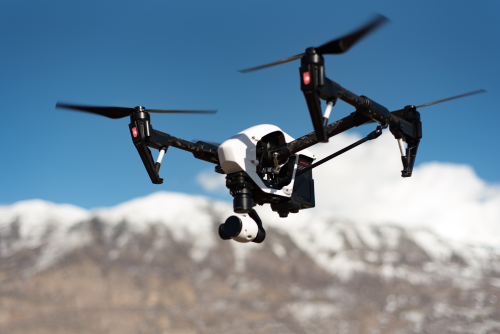
Choosing microfiber kits for your drone sounds simple, but it is one of those small gear decisions that can quietly cost you money. A poor-quality cloth, a badly stored wipe, or the wrong cleaning fluid can leave lint on footage, haze a filter, or grind grit across a lens. The good news is that learning how to choose microfiber kits for your drone without wasting money usually means buying less, not more.
Quick Take
If you only remember a few things, make them these:
- You do not need a big, expensive “drone cleaning bundle” to care for a drone properly.
- The best value for most pilots is a small kit with:
- 2 to 3 high-quality optical microfiber cloths
- 1 to 2 general-purpose microfiber cloths
- a hand air blower
- a small sealed pouch or hard case
- Use one set of cloths for lenses, filters, controller screens, and goggles, and a different set for the drone body, landing feet, and dirtier surfaces.
- Blow dust off first. Wipe second. Rubbing dry grit is one of the fastest ways to create scratches.
- Avoid bulky car-detailing towels, mystery chemical sprays, and kits padded with accessories you will never use.
- If you use any cleaning fluid, verify that it is safe for your drone’s lens coatings, filters, sensors, or specialty payloads.
Why this accessory matters more than most people think
Microfiber kits look like a low-stakes purchase. In reality, they sit right next to some of the most delicate and image-critical parts of your drone setup:
- camera lenses
- ND and polarizing filters
- gimbal assemblies
- obstacle or vision sensors
- controller displays
- FPV goggles and action camera lenses
A cheap or contaminated cloth may not damage anything on day one. The problem is repeated use. Dust, sand, salt, skin oils, sunscreen residue, smoke particles, and pocket lint all change how a cloth behaves. Once a cloth picks up grit, it stops being “soft” in any meaningful way.
That is why the goal is not to buy the most premium kit on the market. The goal is to build a kit that stays clean, matches your workflow, and gets used correctly.
What a good drone microfiber kit actually includes
Microfiber is a very fine synthetic fabric that lifts dust and oils better than plain cotton or paper products. But not every microfiber cloth is ideal for a drone. For optics, you want soft, low-lint, controlled cloths. For body cleaning, you want something more forgiving and replaceable.
Here is a practical way to think about kit contents:
| Component | Priority | Why it matters |
|---|---|---|
| Optical microfiber cloths, 2 to 3 | Essential | For lenses, filters, goggles, and screens. Keep these clean and separate. |
| General-purpose microfiber cloths, 1 to 2 | Essential for most | For airframe surfaces, controller body, and case cleanup. |
| Hand air blower | Essential | Removes loose grit before you wipe. This is one of the best-value tools in any cleaning kit. |
| Small sealed pouch or hard case | Essential | Keeps cloths from getting contaminated inside a backpack. |
| Soft brush or foam swabs | Useful | Helps around corners, vents, and tight spaces without forcing a cloth where it does not fit. |
| Lens-safe cleaning fluid | Optional | Useful for fingerprints, sea spray, or stubborn smudges. Only use if compatible with coatings and materials. |
| Individually packed lens wipes | Situational | Good for travel or backup use, but not always the best long-term value. |
| Large plush car-detailing towels | Usually unnecessary | Too bulky for optics, harder to keep clean in the field, and often overkill for drones. |
| Canned compressed air | Best avoided | Pressure and propellant can create unnecessary risk around delicate components. |
| “Universal” multi-surface chemical sprays | Avoid | May leave residue or be unsafe for optical coatings, plastics, seals, or specialty sensors. |
For most drone owners, a smart kit is surprisingly small.
The biggest buying mistake: paying for the word “drone”
Many microfiber kits are marketed as drone-specific even when the core items are generic cleaning supplies. That does not automatically make them bad, but it often inflates the price without improving the parts that matter.
What actually matters more than branding:
- cloth softness and lint control
- edge construction
- whether the cloth is stored cleanly
- whether optics and body cloths are separated
- whether the kit includes a blower
- whether the fluid is truly lens-safe and coating-safe
- how easy it is to wash and replace individual pieces
If a non-drone kit gives you better cloth quality, better storage, and fewer useless extras, it may be the smarter buy.
How to choose microfiber kits for your drone without wasting money
1. Start with what you are actually cleaning
Before you compare kits, list the surfaces you care about.
Camera drone pilots usually need to clean
- camera lens
- ND or CPL filters
- gimbal housing exterior
- drone body and landing surfaces
- controller screen
FPV pilots usually need to clean
- camera lens
- action camera lens or filter
- goggles
- frame surfaces
- battery straps and gear bag surfaces
Professional and enterprise users may also need to clean
- tablet screens
- thermal or multispectral payload housings
- charging hub surfaces
- field cases
- accessories shared across crews
This matters because a kit for lens care is not the same as a kit for general wipe-downs. If your main concern is image quality, prioritize optical cloth quality. If you fly in dusty sites, construction zones, beaches, or racing fields, prioritize contamination control and replaceable cloths.
2. Separate optics from everything else
This is where many buyers waste money later. They buy one bundle, use the same cloth for every surface, then end up replacing filters, re-cleaning footage, or wondering where the smears came from.
A better system is simple:
- one color or pouch for lens and filter cloths
- another color or pouch for body and gear cloths
Use optical cloths only for:
- drone lens
- removable filters
- controller screen
- goggles
- action camera lens
Use general cloths for:
- airframe surfaces
- landing gear or feet
- case interiors
- controller grips
- battery exteriors
That small separation dramatically increases the lifespan of your kit and lowers the chance of rubbing abrasive dust across optics.
3. Judge the cloth, not the marketing
If you are looking at cloths online or in a shop, these are the details worth checking.
Good signs
- soft, low-lint fabric
- edgeless design or very soft edging
- no rough tags or stitched labels that can drag across a lens
- cloths packed individually or in a clean inner sleeve
- clear intended use for optics or screens
- manageable size that folds neatly into a pouch
Warning signs
- thick, fluffy towels sold mainly for cars
- strong fragrance or “treated” feel
- exposed hard stitching
- mixed-use bundles with no way to separate clean and dirty items
- vague chemical claims for included sprays
- oversized kits packed with duplicates just to look premium
Do not get too obsessed with spec-sheet marketing around weave terms, blend ratios, or fabric density numbers unless you already know exactly what you want. For most drone buyers, practical handling matters more:
- Does it feel smooth?
- Does it leave lint?
- Can you keep it clean?
- Can you tell which cloth touched the landing gear and which touched the lens?
That is what saves money over time.
4. Buy for your workflow, not your desk
A cleaning kit that lives at home can be larger. A cleaning kit you actually carry must stay compact.
If you are a travel creator
Choose a slim kit that fits into a drone bag side pocket: – 2 optical cloths – 1 general cloth – 1 blower – 1 small pouch – optional single-use wipe for emergencies
If you fly FPV
Keep it rugged and easy to replace: – 1 to 2 lens cloths – 2 general cloths – blower – brush or swabs – separate pouch for dirty cloths
If you do paid work
Build for redundancy: – spare clean optical cloths – color-coded organization – backup blower – sealed storage – optional approved fluid for fingerprints or weather residue
A common waste pattern is buying a full “studio” kit, then never carrying it. If the kit is too bulky, you will end up cleaning your drone with whatever is nearby. That is when shirts, paper napkins, or random tissues start doing damage.
5. Decide whether you actually need cleaning fluid
Many microfiber kits include liquid because it makes the kit feel more complete. That does not mean you need it.
For routine dust: 1. use the blower first 2. inspect the surface 3. wipe gently with a clean optical cloth only if needed
For fingerprints, oily smudges, or salt spray: – use a manufacturer-approved or lens-safe fluid only if you have verified compatibility – apply the fluid to the cloth, not directly to the drone – use as little as possible
Why this matters:
- excess fluid can seep toward edges, seams, or delicate parts
- some cleaners leave haze on filters
- some formulas may not suit specialty coatings
- not every payload camera is built the same way
If you fly a drone with thermal, multispectral, zoom, or other specialist sensors, do not assume normal camera-lens habits apply. Check manufacturer guidance before using any liquid.
6. Check how the kit handles storage and washing
A microfiber kit is only as good as its hygiene.
A great cloth tossed loose into a dirty backpack becomes a bad cloth. This is why storage is not a minor detail. It is part of the purchase decision.
Look for
- a dedicated pouch or compartment
- easy separation between clean and used cloths
- cloths small enough to fold and bag
- replacements that are easy to buy later
Wash and care basics
- wash microfiber separately or with low-lint items
- use mild detergent
- avoid fabric softener
- avoid bleach
- air dry or use low heat if needed
- retire cloths that stay gritty, stained, or rough
If a kit includes cloths that are hard to identify after use, hard to store cleanly, or expensive to replace one by one, it may cost you more in the long run even if the bundle price looks attractive.
7. Buy the smallest kit that honestly covers your use case
For most readers, one of these three approaches is enough.
Minimal kit
Best for: – new drone owners – occasional hobby flyers – buyers who mostly fly in clean environments
Include: – 2 optical microfiber cloths – 1 general cloth – hand blower – small pouch
Why it works: – covers lens care and basic wipe-downs – easy to store – low cost – little waste
Balanced field kit
Best for: – travel creators – aerial photographers – regular weekend flyers
Include: – 3 optical cloths – 2 general cloths – blower – soft brush or swabs – sealed pouch or compact case – optional verified lens-safe fluid
Why it works: – gives you a clean spare when one cloth gets contaminated – handles filters, screens, and normal field grime – still stays portable
Crew or commercial kit
Best for: – service providers – inspection teams – crews managing multiple aircraft
Include: – multiple color-coded optical cloths – multiple body cloths – blower – spare blower – brush or swabs – sealed clean/dirty storage system – approved fluid only where required by SOPs
Why it works: – supports repeatable operations – reduces cross-contamination – better for multi-user environments
What to buy if you are a specific type of pilot
| Pilot type | Best kit style | Spend priority | What to skip |
|---|---|---|---|
| Beginner camera drone owner | Minimal kit | Better lens cloths and a blower | Big branded bundles |
| Travel creator | Balanced field kit | Compact storage and backup optical cloth | Heavy cases and oversized towels |
| FPV pilot | Balanced but rugged | Replaceable general cloths and separate lens cloths | Premium optical-heavy kits if you rarely use filters |
| Aerial photographer | Balanced or commercial kit | Optical cloth quality, clean storage, filter-safe workflow | Cheap mixed cloth packs with no separation |
| Real estate or inspection operator | Commercial kit | Redundancy, organization, SOP-friendly storage | Novelty add-ons you will never use |
| Enterprise team | Commercial standardized kit | Color coding, replacement stock, approved materials | One-off consumer kits that crews use inconsistently |
The features worth paying for
If you want to spend a little more, spend it here:
Better optical cloth quality
A few reliable lens cloths are worth more than ten average ones.
Clean storage
A pouch with real separation saves more lens surfaces than flashy packaging.
Redundancy
A spare clean cloth in the field is practical, not excessive.
Easy replacements
Buying a kit whose core cloths can be replaced individually is smarter than rebuying a full bundle.
Color coding
Especially helpful for pros, teams, FPV pilots, or anyone flying in dirt, sand, or salty environments.
The features that mostly inflate the price
These often look impressive but add little practical value:
- giant zip cases for tiny cleaning items
- too many identical cloths
- mystery sprays with broad claims
- plastic tools that duplicate what a simple blower already does
- “drone premium” branding without better materials
- extra-large towels meant for cars, not optics
Safety, travel, and operational limits to know
Cleaning gear sounds harmless, but there are real operational risks if you get casual with it.
Power and handling
Before cleaning: – power the drone off – remove the battery if practical – let hot components cool – secure or remove propellers if your workflow allows
Do not press on a gimbal, force it by hand, or drag a cloth into moving joints.
Delicate cameras and sensors
Treat these carefully: – camera lens – filters – obstacle and vision sensors – thermal and specialty payload windows
If the manual gives approved or prohibited cleaning methods, follow that first. Manufacturer guidance should always outrank a generic cleaning tip.
Liquid use
- never spray cleaner directly onto the drone
- apply a small amount to the cloth
- keep liquids away from openings, seams, and connectors
- if contamination is severe, stop and assess instead of rubbing harder
Beach, salt, agriculture, and industrial environments
If you fly near: – saltwater – fertilizer or agricultural spray areas – smoke or soot – mud and grit – industrial dust
clean sooner, not later. Salt and fine abrasive particles are especially bad partners for delicate optics and moving assemblies. If residue appears to have entered the airframe or gimbal area, professional service may be safer than aggressive DIY cleaning.
Travel and airline considerations
If you travel by air: – dry kits are easier than liquid-heavy kits – verify any liquid size and packing limits before you fly – avoid aerosols unless you know they are permitted and appropriate
Travel rules vary by country, airport, airline, and security authority, so verify before packing.
Commercial and regulated operations
If you fly for clients or within a documented operational program: – use a repeatable cleaning method – avoid unapproved chemicals on shared fleet equipment – track consumables if your team standardizes gear – check warranty or maintenance program guidance before introducing new fluids or materials
A scratched filter is annoying on a weekend flight. On a paid job, it can become a reshoot, a delay, or a quality-control problem.
Common mistakes that waste money
Using one cloth for everything
This is the classic mistake. Landing dust and lens cleaning should not share a cloth.
Wiping before removing grit
Always blow off loose debris first. Dry wiping ground-in particles is how “soft” cloths end up scratching.
Buying huge auto-detailing bundles
They look cost-effective, but many are oversized for drone optics and harder to keep clean in the field.
Trusting included spray without checking compatibility
“Lens cleaner” is not a guarantee for every coated filter, specialty camera, or sensor cover.
Throwing cloths loose into a bag
A clean cloth stored next to batteries, propellers, snacks, or sandy accessories is no longer a clean cloth.
Washing microfiber like regular laundry
Fabric softener and lint-heavy loads reduce performance and can make cloths worse for optics.
Assuming expensive means safer
Some premium kits are excellent. Some are simply better packaged. Price alone does not protect your lens.
Trying to solve heavy contamination with a cloth
If the drone has mud, salt crust, sticky residue, or contamination near internal parts, do not keep rubbing. You may need a different process or professional service.
FAQ
Do I need a drone-specific microfiber kit?
No. You need a kit that is safe for optics, easy to keep clean, and practical for your workflow. Some drone-branded kits are good, but the brand itself is not the reason they are good.
Can microfiber scratch a drone lens or filter?
Yes, if the cloth is dirty, gritty, low quality, or used incorrectly. Microfiber is only safe when it is clean and when you remove loose dust before wiping.
How many microfiber cloths should one drone owner keep?
For most people, 3 to 5 is enough: – 2 to 3 for optics and screens – 1 to 2 for body and accessories
More than that usually makes sense only if you fly frequently, travel often, or manage multiple drones.
Are eyeglass cloths okay for drone lenses?
Often yes, if they are clean, soft, lint-free, and reserved for optics. The same rules apply: do not use a cloth that has picked up grit, and do not use it on dirty body surfaces first.
Should I buy a kit with cleaning fluid?
Only if you know you need it. Dry cleaning with a blower and clean cloth handles a lot of routine maintenance. Fluid is useful for smudges or sea spray, but it should be verified as safe for the coatings and materials on your drone system.
How should I wash microfiber cloths?
Use mild detergent, avoid fabric softener and bleach, and wash them away from lint-heavy fabrics if possible. Let them air dry or use low heat. Replace any cloth that stays contaminated or feels rough.
What is the best kit for travel?
A compact dry kit usually makes the most sense: – 2 optical cloths – 1 general cloth – blower – sealed pouch
Add a small approved wipe or fluid only if you truly need it and after checking travel rules.
When should I replace a microfiber cloth?
Replace it when it: – no longer comes clean – feels rough – keeps leaving lint or haze – has visible grit or embedded particles – has been used on very dirty or contaminated surfaces and you no longer trust it for optics
The smart buy
If you want to choose a microfiber kit for your drone without wasting money, stop shopping for the biggest bundle and start shopping for the cleanest workflow. Buy a small kit with separate cloths for optics and body surfaces, add a blower, store everything properly, and only pay extra for quality you will actually use. The cheapest mistake is often overbuying; the expensive mistake is cleaning a delicate lens with the wrong cloth.
