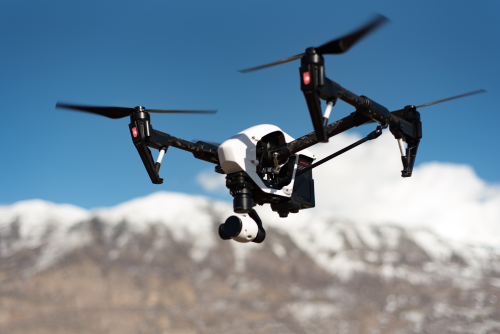
The best drone for YouTubers is usually not the biggest, fastest, or most expensive one. It is the drone that fits your shooting style, survives your travel routine, and gives you footage you will actually use week after week. If you are trying to choose the best drones for YouTubers based on budget, skill level, and real use cases, the smartest move is to buy for workflow first and specs second.
Quick Take
If you want the short answer, this is the buying logic most creators should use:
- Best overall for most YouTubers: DJI Mini 4 Pro
- Best budget starter: a reputable used or refurbished DJI Mini 3 or Mini 2 SE; if buying new on a tighter budget, the Potensic Atom is the main value alternative worth considering
- Best step-up for creators who want more framing flexibility and better wind performance: DJI Air 3
- Best premium pick for higher-end YouTube production and paid work: DJI Mavic 3-series
- Best action-focused FPV option: DJI Avata 2
- Best tiny secondary drone for quick social clips and low-friction self-shooting: DJI Neo
Here is the decision table version:
| If this sounds like you | Best fit | Why it makes sense | Main tradeoff |
|---|---|---|---|
| First-time buyer, travel creator, solo YouTuber | DJI Mini 4 Pro | Best mix of portability, image quality, tracking, and ease of use | Costs more than entry-level drones |
| Tight budget, learning the basics, daylight use | Used/refurb DJI Mini 3 or Mini 2 SE | Better to buy proven flight software than a cheap no-name drone | Fewer advanced safety and tracking features |
| Outdoor, landscape, automotive, adventure creator | DJI Air 3 | Dual-camera flexibility and stronger all-around flight feel | Bigger, heavier, and less travel-friendly |
| Brand deals, tourism, property, premium filmmaking | DJI Mavic 3-series | Best image quality and grading headroom in this group | Price, size, and more buying risk if you rarely fly |
| Action sports, chase footage, dynamic movement | DJI Avata 2 | FPV-style shots that regular camera drones cannot match | Specialized workflow and learning curve |
| Want ultra-simple self-shooting inserts | DJI Neo | Easy, fast, low-friction second drone | Not strong enough to be your only drone |
How to choose the right drone before you compare models
Most YouTubers make the mistake of shopping by resolution, top speed, or sensor size alone. That is how people overspend on a drone they barely carry, or underspend on a drone that frustrates them into leaving it at home.
Ask yourself these questions first.
1. Is the drone a main camera tool or just B-roll support?
If drone footage will be occasional establishing shots, portability matters more than absolute image quality. That points toward a Mini-class drone.
If your channel genuinely depends on aerial storytelling, such as travel films, destination videos, adventure documentaries, or branded tourism content, then stepping up to an Air or Mavic class drone can make sense.
2. Do you shoot alone?
Solo creators benefit more from:
- Reliable subject tracking
- Obstacle sensing
- Fast launch and setup
- Stable hovering
- Good return-to-home behavior
That is why the Mini 4 Pro is such a strong one-person YouTube tool. You are not just buying a camera. You are buying less friction.
3. Do you travel often?
For frequent travelers, smaller drones usually win because they are:
- Easier to pack
- Less tiring to carry all day
- Faster to deploy
- Less intimidating in public
- Often better placed in lighter regulatory categories in some countries
That last point matters, but always verify local rules. A sub-250g drone can reduce friction in some places, yet it does not mean “no rules everywhere.”
4. What kind of shots do you actually use?
Be honest here.
- If you mostly use wide scenic reveals and simple orbit shots, a Mini is enough.
- If you often want compressed landscape layers, road shots, or more cinematic lens variety, the Air 3’s second camera matters.
- If you want fast, immersive chase shots through spaces or around moving subjects, you are really talking about FPV.
- If you want quick walk-and-talk inserts for Shorts or travel snippets, a tiny autonomous drone may help more than a premium aerial platform.
5. Are you buying for current needs or fantasy upgrades?
A lot of YouTubers buy a pro drone for the creator they hope to become. Most would have been better off buying the drone they will actually fly 30 times this year.
That is the real buying rule: buy the drone you will carry and use, not the one that only looks impressive on a spec sheet.
The best drones for YouTubers by budget, skill level, and use case
Best budget buy: used or refurbished DJI Mini 3 or Mini 2 SE
If your budget is tight, the smartest move is usually not buying a brand-new bargain drone with inflated marketing claims. It is buying a proven model from a reputable brand, ideally used, refurbished, or discounted.
Who this is for
- First-time drone buyers
- Creators testing whether aerials will become a real part of their channel
- Students and hobbyists
- Travel vloggers who mainly shoot in daylight
- Buyers who care more about learning than maximizing specs
Why it works
The Mini 3 and Mini 2 SE sit in the sweet spot of “serious enough to make real content” without the cost jump of newer premium models.
What they do well:
- Predictable GPS flight
- Better stabilization than toy drones
- Compact travel footprint
- Good enough image quality for YouTube when used well
- Lower financial risk while learning
If you can choose between older mainstream hardware and a no-name “8K” drone from a marketplace listing, choose the mainstream drone every time.
What to watch out for
- Less obstacle sensing or automation, depending on the model
- Weaker performance in wind than larger drones
- Fewer “save me from myself” features for beginners
- Used units need careful checking
Smart used-buying checklist
Before buying used or refurbished, verify:
- The drone is not still linked to another owner’s account.
- The gimbal, the motorized camera stabilizer, is level and error-free.
- Batteries charge normally and do not look swollen.
- The controller is included and compatible.
- The drone has no obvious crash damage.
- Spare props, batteries, and service support are still available in your market.
Budget alternative if buying new
If DJI is unavailable or overpriced where you live, the Potensic Atom is the main budget new model worth a look in this class. The key is to judge more than image quality alone. Check app stability, controller quality, firmware support, spare batteries, and after-sales service in your country.
Best overall for most YouTubers: DJI Mini 4 Pro
For most people asking “What drone should I buy for YouTube?”, the safest answer is the DJI Mini 4 Pro.
Who this is for
- Solo creators
- Travel YouTubers
- Beginner-to-intermediate pilots
- People making both long-form YouTube videos and Shorts
- Buyers who want one drone that does almost everything well
Why it stands out
The Mini 4 Pro hits the sweet spot because it is small enough to carry constantly but advanced enough to feel like a serious creator tool.
Its biggest strengths for YouTubers are:
- Strong image quality for its size
- Very portable form factor
- Useful tracking features for solo filming
- Obstacle sensing that helps reduce beginner mistakes
- Simple workflow for travel
- Vertical shooting flexibility for short-form content
In real terms, it is the kind of drone you actually keep in a day bag instead of leaving in the hotel room.
What to watch out for
- Small drones still get pushed around more in wind than larger aircraft
- Obstacle sensing is not magic; thin branches, wires, and low-light conditions can still defeat it
- If you mainly shoot in very challenging light or heavy color grade workflows, you may eventually outgrow it
Best fit scenario
If you are a travel vlogger, lifestyle creator, or solo YouTuber who wants reliable aerials without turning your whole filming day into a drone operation, this is probably the right buy.
Best step-up for serious creators: DJI Air 3
The DJI Air 3 is where many YouTubers move when they realize they want more than a portable travel drone but are not ready for a full premium platform.
Who this is for
- Intermediate creators
- Adventure and outdoor channels
- Automotive creators
- Travel filmmakers who want more lens flexibility
- Buyers who have already proven they will actually use their drone often
Why it is worth the upgrade
The biggest reason to buy an Air 3 is not bragging rights. It is the dual-camera setup.
That second camera changes how your footage looks. Instead of every shot feeling wide and drone-like, you can shoot more compressed, cinematic frames that cut better with ground cameras.
Other practical upsides:
- Better confidence in breezy conditions than smaller drones
- Longer, more comfortable flights
- More flexibility for landscapes, roads, coastlines, and city geometry
- More “finished” look straight out of camera for many creators
What to watch out for
- Bigger and heavier means more travel friction
- In some jurisdictions, weight class can change how or where you can operate, so verify local rules
- If your drone footage is only ever 5-second scenic filler, you may not get enough value from the price jump
Best fit scenario
Choose the Air 3 if you already know aerials are a meaningful part of your editing style and you want footage that looks more deliberate than a typical small-drone wide shot.
Best premium choice for high-end channels: DJI Mavic 3-series
If your channel makes money from clients, sponsors, tourism boards, resorts, property videos, or premium destination content, the DJI Mavic 3-series is still a very credible top-tier option.
Who this is for
- Professional or near-professional creators
- Commercial shooters
- Premium travel and documentary channels
- Real estate or destination filmmakers
- Buyers who color grade and care about image latitude
Why creators step up to this class
This class is less about convenience and more about output quality.
What you gain:
- Better image quality
- More confidence in demanding light
- Stronger grading flexibility
- More premium lens options, depending on model
- Better fit when matching footage to larger camera systems
If you are pitching brands, tourism clients, luxury properties, or cinematic travel work, that extra polish can matter.
What to watch out for
- It is much easier to overbuy here
- Bigger drones are more work to carry, plan, and operate
- The cost of a crash or flyaway is much harder to shrug off
- For casual vlogs and standard travel use, this class is often unnecessary
Best fit scenario
Buy into the Mavic 3 class when drone footage is part of your professional value, not just part of your gear wishlist.
Best FPV option for action creators: DJI Avata 2
If your content is about speed, movement, and energy, the DJI Avata 2 is the easiest serious route into FPV-style filming for most YouTubers.
FPV means “first-person view,” where the pilot typically flies through goggles for a more immersive experience.
Who this is for
- Action sports creators
- Car and motorcycle channels
- MTB, ski, surf, and trail content
- Creators who want dynamic chase shots
- People willing to learn a specialized flying style
Why it is compelling
A normal camera drone is great at scenic motion. FPV is great at visceral motion.
The Avata 2 makes it easier to get into that world because it offers a more integrated ecosystem than a fully custom FPV build. For many creators, that lowers the barrier enough to start learning.
What to watch out for
- It is a specialized tool, not the best first and only drone for most people
- Goggles change how you pack, travel, and work on location
- Battery planning matters more than many beginners expect
- FPV still requires discipline, practice, and safety awareness
- The visual language is very different from traditional aerials
If you want full manual FPV, often called Acro mode, you should also expect simulator time, crash repair, and more hands-on technical learning.
Best fit scenario
Buy the Avata 2 if your channel lives on motion and you know you want that immersive look. Do not buy it because FPV clips look cool on other channels.
Best tiny secondary drone: DJI Neo
The DJI Neo is not the best primary drone for most YouTubers. It is, however, a very interesting second drone.
Who this is for
- Travel creators who want quick self-shooting inserts
- Walk-and-talk vloggers
- Social-first creators
- Beginners who want low-friction aerial snippets
Why it works
The appeal is simple: minimal setup, fast deployment, easy shots.
That makes it useful for:
- Quick travel intros
- Short hiking clips
- Casual behind-the-scenes moments
- Low-stakes B-roll where speed matters more than perfection
What to watch out for
- Limited image quality compared with true camera drones
- Less confidence in wind
- Not the right choice if you want your drone to carry your YouTube visual identity
Think of the Neo as a creative pocket tool, not your main aerial camera.
Best choice by real YouTube use case
If you still feel torn, match the drone to the kind of channel you actually run.
Travel vlogger who flies internationally
Buy: DJI Mini 4 Pro
Why: it is compact, strong enough for real content, and easier to bring everywhere. Its mix of portability and capability is hard to beat.
First-time buyer on a limited budget
Buy: used/refurb DJI Mini 3 or Mini 2 SE
Why: you learn the fundamentals on proven hardware and keep your downside lower.
Outdoor or adventure creator
Buy: DJI Air 3
Why: better wind confidence, longer-feeling flights, and more lens flexibility for mountains, roads, coastlines, and landscapes.
Premium travel filmmaker or branded creator
Buy: DJI Mavic 3-series
Why: this is where image quality and professional output start to justify the cost.
Action sports or chase-footage creator
Buy: DJI Avata 2, often alongside a regular camera drone
Why: FPV gives you a shot language a normal drone cannot replicate.
YouTuber who mainly wants quick solo inserts and casual social clips
Buy: DJI Neo as a second drone, or Mini 4 Pro if it needs to be your only one
Why: the Neo is easier, but the Mini 4 Pro is vastly more complete.
Accessories that matter more than most spec upgrades
Whatever drone you choose, these purchases often matter more than chasing the next model tier:
- At least one extra battery
- Spare propellers
- A reliable microSD card
- A safe charger or power solution for travel
- A protective case or bag
- ND filters if you shoot manual video and want more natural motion blur in bright light
- A care plan, insurance, or repair strategy where available
A common regret is spending everything on the drone body and then flying with one battery and no backup props.
Safety, legal, and travel limits to check before you fly
If you are creating for YouTube, you are still operating an aircraft. The rules vary widely by country, park system, city, and even venue.
Before flying, verify:
- Whether your drone or operator must be registered
- Whether your use counts as commercial under local rules
- Airspace restrictions near airports, cities, helipads, and sensitive sites
- Whether parks, beaches, monuments, or private venues ban takeoff and landing
- Local privacy and filming rules when people are identifiable
- Airline battery rules for carrying lithium batteries during travel
A few practical reminders:
- A lighter drone does not mean a rule-free drone.
- Obstacle sensing does not reliably see everything, especially wires and fine branches.
- Manufacturer app warnings and geofencing are not a substitute for checking local law.
- If you are traveling, check rules before the trip, not at the location.
Common mistakes YouTubers make when buying a drone
1. Buying too much drone
A premium drone sounds exciting until it becomes the thing you stop carrying. Portability is a feature.
2. Buying too little drone from the wrong brand
Cheap, no-name drones often promise impossible image specs and deliver unstable apps, weak GPS, bad stabilization, and frustrating footage.
3. Confusing resolution with image quality
“4K” does not automatically mean cinematic. Light, movement, color, dynamic range, and stabilization matter more.
4. Treating FPV like a shortcut
FPV is incredible, but it is not the easy path for most creators. It is a specialized discipline.
5. Ignoring wind and real-world conditions
A drone that looks perfect on paper may struggle on coasts, cliffs, mountain overlooks, or exposed rooftops.
6. Forgetting the full cost
Your real budget includes:
- Batteries
- Cards
- Filters
- Spare props
- Travel storage
- Registration or training where required
- Possible insurance or repair
7. Expecting usable onboard audio
Drone audio is mostly prop noise. Plan to use separate sound from your camera, recorder, or edit.
FAQ
Do I need a sub-250g drone for YouTube?
Not always, but it is the easiest starting point for many creators. Smaller drones are easier to travel with and may reduce regulatory friction in some countries. Still, rules vary, so always verify locally.
Is the DJI Mini 4 Pro enough for a serious YouTube channel?
Yes, for many channels it is more than enough. Travel, lifestyle, documentary-style vlogs, and even a lot of paid creator work can be done very well with it. You only really need to step up if you know why your footage is limited.
Should I buy FPV or a regular camera drone first?
For most YouTubers, buy a regular camera drone first. It is more versatile, easier to learn, and more useful across different video formats. Add FPV later if your content truly benefits from that look.
Is buying a used drone a bad idea?
No. For budget buyers, used or refurbished is often the smartest move. Just verify account status, crash history, battery condition, gimbal health, and spare-part availability before buying.
What matters more for YouTube: portability or sensor size?
For most creators, portability wins. A bigger-sensor drone that stays home gives you no footage. A smaller drone you carry every week usually creates more value.
Do I need obstacle avoidance?
Need is too strong a word, but it is very helpful, especially for solo creators and beginners. Just do not rely on it as a guarantee. It is an aid, not a permission slip to fly carelessly.
What accessories should I buy first?
Start with extra batteries, spare props, a good memory card, and safe charging. Add ND filters only if you actually shoot video with manual control and understand why you need them.
Can I monetize drone footage on YouTube anywhere?
Not automatically. Some places treat commercial or monetized drone activity differently from hobby use. If your content earns money directly or indirectly, verify how your local aviation authority defines commercial operation.
The buying decision in one sentence
If you want the safest recommendation, buy the DJI Mini 4 Pro. If your budget is tight, buy a reputable used Mini-class drone instead of a cheap no-name model. If you already know aerials are central to your channel, step up to the Air 3 or Mavic 3 class with a clear reason, and choose Avata 2 only when action-focused FPV footage is truly part of your style.
