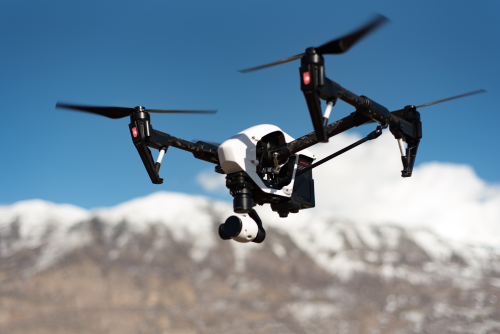
Choosing between a camera drone and an FPV drone sounds simple until you realize they are built for very different kinds of flying. One is designed to make stable, repeatable aerial capture easy; the other is designed to make flight itself more immersive, dynamic, and skill-driven. The smarter path is not the drone that looks coolest in a highlight reel. It is the one that fits the way you will actually fly once the excitement of the first week wears off.
Quick Take
If you want reliable aerial photos, easy travel footage, smooth cinematic clips, and a lower-friction learning curve, a camera drone is usually the smarter first buy.
If you want immersive flying, high-speed movement, freestyle, chase footage, and a machine you can often repair and tune yourself, FPV is probably the better path.
For most buyers, the real decision is not “Which drone is better?” but “Which tradeoffs will I still be happy with after 20 flights?”
Key points
- Camera drones are better for stability, convenience, travel, photography, mapping-style work, and most mainstream commercial use.
- FPV drones are better for dynamic movement, speed, immersive flying, creative chase work, and pilots who enjoy hands-on skill progression.
- The learning curve, workflow, and risk profile are very different.
- Many people buy FPV because it looks exciting, then realize they mostly needed a camera drone.
- Many people buy a camera drone expecting adrenaline, then get bored because they actually wanted to fly, not just capture.
- If your use case is mixed, the best answer is often a sequence: start with one, then add the other when the need becomes clear.
Camera drones and FPV drones are not competing for the same job
This is the mistake that causes most buyer regret.
A camera drone is mainly a flying camera platform. It typically uses GPS stabilization, automated hovering, return-to-home functions, and a gimbal, which is a motorized mount that keeps the camera level and smooth. These drones are built to help you get usable footage with less effort.
An FPV drone is mainly a flying experience platform. FPV means first-person view: you fly using goggles or a live feed that gives a more direct pilot perspective. Many FPV drones are designed for manual control, sharper movement, faster changes in direction, and a much more skill-dependent flying style.
That means they solve different problems:
- Camera drones solve “How do I capture this scene cleanly and reliably?”
- FPV drones solve “How do I move through this environment in a way that feels alive?”
If you start there, your decision gets much easier.
The core differences that actually matter
| Factor | Camera Drone | FPV Drone |
|---|---|---|
| Main purpose | Stable aerial capture | Immersive, dynamic flight |
| Learning curve | Lower | Higher |
| Hovering | Easy and usually automatic | Often limited or manual-feeling, depending on model |
| Shot style | Smooth, level, repeatable | Fast, close, flowing, aggressive, kinetic |
| Travel convenience | Usually simpler | Often bulkier as a full system with goggles, batteries, tools |
| Setup burden | Lower | Higher |
| Repairability | Often modular but brand-dependent | Often better for hands-on repair, especially custom builds |
| Pilot skill demand | Moderate | High, especially in full manual flight |
| Commercial fit | Broad | Niche but valuable for certain creative jobs |
| Beginner frustration risk | Lower | Higher |
| “Fun to fly” factor | Moderate | Very high for the right pilot |
This table hides one important nuance: not all FPV drones are the same.
Some are closer to “consumer FPV,” with more assistance and easier entry. Others are custom-built manual aircraft that demand simulator practice, setup knowledge, battery discipline, and comfort with troubleshooting. A cinewhoop, for example, is a smaller FPV style often used for close, cinematic work around structures or indoor spaces, but it still comes with FPV-specific complexity.
Choose a camera drone if this sounds like you
A camera drone is the smarter path if your real-world flying looks like this:
You want to capture places, not just experience motion
If you care more about landscapes, cityscapes, coastlines, travel memories, property views, or destination content, a camera drone is usually the right tool.
Typical use cases: – Travel creators – Landscape photographers – Family and vacation flyers – Real estate marketers – Tourism content teams – Small business owners who need social media footage – Survey, inspection, or documentation teams using non-FPV workflows
You want predictable results with less training time
A camera drone makes it much easier to: – take off safely – hover while you think – reframe a shot – get smooth pans and reveals – recover from disorientation – return home if signal conditions change
That matters more than many buyers admit. A drone that makes your good shots easier will get used more often.
You care about photo quality and low-friction video workflow
If still photography matters, or if you want clean, stabilized video without a lot of extra mounting, tuning, or post-production work, camera drones win. Their integrated camera systems, gimbals, and automated modes are built for that.
You travel often
For many travelers, a camera drone is easier to pack, easier to deploy quickly, and easier to operate when the window for safe flying is short.
Travel reality matters: – light winds can change fast – takeoff areas may be limited – crowds create pressure – battery management gets harder on the move – legal restrictions vary by country, park, and city
A system that is quick and simple is more likely to leave the bag and actually fly.
You are buying for work, not just for fun
If you need dependable footage for: – real estate – hospitality – construction progress – marketing content – visual inspection – event venue overviews – basic promotional film work
a camera drone is usually the safer business choice.
Clients generally care more about usable deliverables than pilot excitement.
Choose FPV if this sounds like you
FPV is the smarter path if your real-world flying looks like this:
You want the feeling of flying, not just aerial footage
This is the biggest dividing line.
If the thing pulling you in is speed, flow, control, diving lines, proximity flying, sport chasing, freestyle, or pure flight immersion, you are not really shopping for a camera platform. You are shopping for a flying experience.
FPV pilots often enjoy: – learning precise control – practicing in simulators – improving manual flight skill – tweaking gear – repairing crashes – experimenting with different setups – building confidence over time
If that sounds fun rather than annoying, FPV may fit you better.
You want dynamic motion that camera drones struggle to replicate
FPV shines when the goal is movement through space.
Examples: – following a mountain bike rider – flowing through trees or terrain – moving through architectural spaces – sports chase footage – music videos and brand work with kinetic shots – immersive action storytelling
A conventional camera drone can do some tracking and cinematic movement, but it will not feel the same. The camera drone’s strength is smooth control. FPV’s strength is expressive motion.
You are comfortable with a steeper learning curve
A lot of people say they want FPV, but what they really want is FPV footage without FPV ownership.
That is different.
Owning FPV often means: – simulator time before real flights – more batteries and battery care – more crash risk – more maintenance – more manual setup decisions – more practice before consistent results
If you enjoy the process, that is part of the appeal. If you just want easy aerial content, it becomes friction.
You value repairability and system control
Many custom FPV setups give you more freedom to replace parts, tune behavior, and adapt the platform to how you fly. That can be a major advantage for hobbyists and advanced creators who want more control over the machine.
It can also be a burden if you do not want to troubleshoot.
The buyer regret pattern is surprisingly predictable
Most regrets happen in one of these two directions.
Regret pattern 1: buying FPV when you mostly needed a camera drone
This usually happens when a buyer is influenced by: – social media edits – cinematic dive videos – the “cool factor” – the idea of being a more advanced pilot
Then reality sets in: – most of their flights are casual – they want easy setup – they care about scenery more than speed – they do not enjoy troubleshooting – they do not have time to practice regularly
Result: the FPV rig sits on a shelf.
Regret pattern 2: buying a camera drone when you actually wanted to fly
This happens when someone buys the safest, most mainstream option, then realizes: – the footage is nice but the flying feels passive – they are bored by automated modes – they want more speed and line choice – they care more about control than convenience – they keep watching FPV content instead of enjoying their own flights
Result: they outgrow the camera drone emotionally, even if it still performs well.
Ask these 7 questions before you buy
If you answer honestly, your direction usually becomes obvious.
1. What will 70% of my flights actually be?
Not your dream flights. Your normal ones.
Choose camera drone if the answer is mostly: – travel – scenic capture – social content – property views – family outings – destination footage – work deliverables
Choose FPV if the answer is mostly: – chasing action – learning acro/manual flight – freestyle – dynamic cinematic movement – immersive recreational flying
2. Do I want easier results or deeper skill development?
- Easier results: camera drone
- Deeper pilot skill development: FPV
3. Will I practice consistently?
FPV rewards repetition. If you will not practice regularly, a camera drone is often the smarter investment.
4. Am I okay with crashes and repairs?
Even careful FPV pilots should expect higher wear, more damage risk, and more maintenance than typical camera drone owners.
If that sounds stressful, listen to that.
5. Do I need still photos?
If yes, this pushes hard toward camera drone.
6. Am I buying for business deliverables or personal thrill?
- Business deliverables: usually camera drone first
- Personal thrill and motion-first creativity: FPV
7. What kind of frustration do I tolerate better?
- “This is safe but not exciting enough”: camera drone frustration
- “This is exciting but demanding and sometimes annoying”: FPV frustration
Pick the frustration you can live with.
The smarter first-buy path for different buyer types
Beginners who want the least regret
Best path: camera drone first
Why: – lower learning curve – easier to fly safely – more immediate usable footage – clearer travel and casual-use value
Exception: if you already know the flying experience itself is the goal, and you are willing to put in simulator time, FPV-first can make sense.
Travel creators
Best path: camera drone first
Why: – better for scenic establishing shots – easier to deploy quickly – easier to carry – less setup friction – more likely to capture clean footage during short opportunities
FPV becomes worth adding later if your style shifts toward action storytelling or immersive destination sequences.
Aerial photographers
Best path: camera drone
This is the clearest category in the whole comparison. If photography is central, camera drones are the obvious fit.
Real estate and property marketers
Best path: camera drone first, FPV later if needed
A camera drone handles exterior hero shots, overviews, and standard video more efficiently. FPV may add value for certain walk-through or motion-heavy marketing pieces, especially indoor or property-flow content, but it is usually a second tool, not the first.
Sports and action creators
Best path: FPV, if you truly want chase work
If your work revolves around motion, speed, and subject tracking with energy, FPV may be the main event. A camera drone can still help with wide establishing shots, but it will not replace dedicated FPV motion.
Tinkerers and hobbyists who enjoy gear as much as flying
Best path: FPV is often the better emotional fit
If building, tuning, repairing, and improving the system sounds enjoyable, you are likely a stronger FPV candidate than the average buyer.
Businesses and enterprise teams
Best path: camera drone in most cases
For internal teams, reliability, training burden, standardization, and repeatable output usually matter more than dynamic flight.
FPV has a place in: – specialized marketing – certain indoor cinematic sequences – sports and event content – creative production environments
But for most organizations, camera drones are easier to adopt responsibly.
The hidden cost is not just money
A lot of buyers compare drones as if the purchase is the only decision. It is not.
The real question is: what system are you signing up to operate?
Camera drone workflow
Usually includes: – aircraft – controller – batteries – charger – storage case – memory cards – perhaps filters or spare props
The workflow is often simple: 1. plan flight 2. arrive 3. launch quickly 4. capture smooth footage 5. land 6. offload and edit
FPV workflow
Often includes more moving parts: – drone – goggles – controller – several batteries – charging setup – spare props and repair parts – tools – action camera or onboard recording solution, depending on setup – simulator practice before real flying
The workflow often demands more attention: 1. practice first, often in a simulator 2. field-check equipment 3. monitor batteries carefully 4. manage crash and repair risk 5. capture footage with more manual control 6. stabilize or process footage as needed 7. maintain or rebuild parts over time
Neither is inherently better. But they are very different lifestyles.
Safety, legal, and operational limits to know
This is not the exciting part of the decision, but it matters.
Drone rules vary widely by country, and FPV operations can trigger extra requirements depending on where you fly. In some places, flying with goggles may require a visual observer or come with additional operational conditions. Registration, pilot competency requirements, remote identification, airspace restrictions, flights near people, and commercial-use rules also differ across jurisdictions.
Before flying any drone, verify: – whether your drone and batteries are allowed for transport – whether the aircraft must be registered – whether you need a certificate, test, or permit – whether FPV/goggle use has special conditions – whether the location restricts takeoff, landing, or overflight – whether commercial work needs separate approval or insurance – whether parks, heritage sites, beaches, or venues have local rules beyond national aviation law
Operationally, FPV also raises practical risk: – higher speed means less reaction time – close-proximity flying increases collision risk – manual flight punishes inattention fast – goggles can reduce situational awareness if you do not have proper support and discipline
A camera drone is not “safe by default,” but it usually gives newer pilots more margin for error.
What people get wrong about this decision
“FPV is just the advanced version of a camera drone”
It is not. It is a different category with different strengths.
“Camera drones are boring”
Only if what you actually wanted was manual flying. For photography, travel, and professional reliability, they are often the perfect tool.
“I need FPV to make cinematic videos”
No. Most cinematic aerial work people need day to day is better served by a stabilized camera drone.
“I should buy the most capable drone so I can grow into it”
Sometimes that works. Often it means you buy complexity you never use.
“Hybrid FPV products solve the whole choice”
Some drones sit between categories and can be a useful bridge. But hybrids still do not fully replace either a dedicated camera drone or a traditional FPV setup. They reduce the gap; they do not erase it.
If you are split, use this simple decision rule
Choose a camera drone first if three or more of these are true:
- You want easy setup
- You care about still photos
- You travel often
- You need dependable client results
- You do not want to repair often
- You will fly casually, not practice heavily
- You want stable footage more than intense motion
Choose FPV first if three or more of these are true:
- You want the feeling of flying itself
- You enjoy manual skill-building
- You want dynamic chase or freestyle footage
- You are willing to practice in a simulator
- You are comfortable with maintenance and crashes
- You care more about movement than photography
- You see this as a hobby as much as a camera tool
If the list feels truly tied, the financially smarter move for many buyers is: 1. buy a camera drone first 2. test FPV in a simulator 3. borrow, rent, or fly with experienced FPV pilots before committing to the full system
That sequence avoids a lot of expensive enthusiasm.
FAQ
Is a camera drone better for beginners than an FPV drone?
Usually, yes. Camera drones are generally easier to control, easier to recover when disoriented, and more forgiving when you are learning. FPV can absolutely be learned by beginners, but it usually requires more practice and more patience.
Can a camera drone do FPV-style flying?
Only to a point. Some camera drones can create dramatic movement, tracking, and reveals, but they do not replicate the speed, agility, and immersive line choice of true FPV flight.
Are FPV drones good for photography?
Not usually as a primary photography tool. FPV excels at motion-heavy video. If still photos are important, a camera drone is the better choice in most cases.
Should I start with a hybrid FPV drone?
A hybrid or consumer-friendly FPV model can be a good bridge if you want some immersion without jumping straight into a fully custom manual setup. But it is still best to decide whether you mainly want reliable capture or the FPV flying experience.
Which type is better for travel?
For most travelers, camera drones are the better fit because they are simpler to pack, faster to launch, and easier to use in short flight windows. FPV travel can be rewarding, but the system is usually more demanding.
Which is better for client work?
Camera drones are better for most mainstream client work because they are more predictable and easier to standardize. FPV is valuable for specific creative jobs, especially action-heavy or immersive sequences.
Do FPV drones require more safety discipline?
Yes. Any drone requires discipline, but FPV often involves faster movement, closer lines, and more complex situational awareness. Local rules may also impose additional operating conditions for goggles or visual observers. Always verify before flying.
Will I eventually want both?
Many serious drone users do. A camera drone covers stable aerial capture. FPV covers expressive motion. If your work or hobby grows, the two can complement each other very well.
The smartest path is the one you will still enjoy six months from now
If most of your flying will be travel, scenery, social content, photography, or dependable client capture, buy the camera drone first and do not overthink it. If what really excites you is speed, immersion, manual skill, and dynamic motion, start building toward FPV and accept the learning curve as part of the deal.
Do not buy for the version of yourself you saw in someone else’s edit reel. Buy for the flights you will actually make, the effort you will actually sustain, and the results you actually need.
