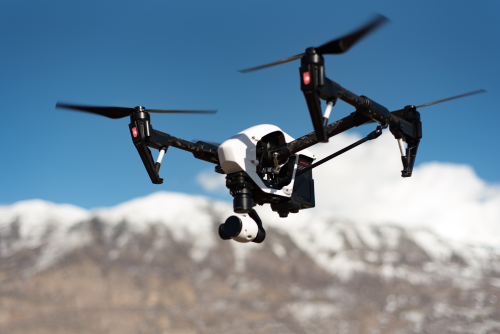
Consumer drones vs commercial drones sounds like a simple gear comparison, but it usually determines three bigger things: how much you spend, how fast you learn, and what kind of work you can actually deliver. The best drone type is not the most expensive one. It is the one that fits your output, your risk tolerance, and your real-world workflow over the next 12 to 18 months.
Quick Take
If you need the shortest answer, here it is:
- Buy a consumer drone if your priorities are learning, travel, content creation, casual flying, hobby photography, or light professional work with a compact all-in-one setup.
- Buy a commercial drone if your work depends on special sensors, high positional accuracy, repeatable data capture, zoom or thermal imaging, higher uptime, or formal team operations.
- Most first-time paid operators do not need a full commercial drone on day one. A capable consumer or prosumer drone is often enough for real estate, tourism content, social media work, basic marketing shoots, and portfolio building.
- Commercial use is not the same thing as a commercial-grade drone. In many places, a consumer drone can still be used for paid work if you comply with local rules.
- The real budget decision is total cost of ownership, not sticker price. Batteries, charging, software, repairs, training, insurance, cases, and downtime matter more than most buyers expect.
The first thing to understand: “commercial” can describe the mission, not just the drone
This is where many buyers get confused.
A consumer drone is typically designed for hobbyists, creators, travelers, and solo pilots. It usually has an integrated camera, simple controls, built-in safety features, and a more approachable learning curve.
A commercial drone often means an enterprise-focused platform built for business or industrial work. These drones may support:
- interchangeable payloads
- thermal cameras
- zoom cameras
- mapping workflows
- higher-accuracy positioning
- better fleet management
- stronger service and maintenance support
But legally and operationally, commercial flying often refers to why you are flying, not the product category printed on the box.
For example:
- A travel creator selling footage to a brand may be doing commercial work with a small foldable drone.
- A survey team creating site maps may be using a dedicated commercial platform.
- A real estate operator may earn money with a drone marketed to consumers.
- A utility company may require a purpose-built enterprise aircraft.
So when comparing consumer drones vs commercial drones, the real question is not just “am I flying for money?” It is:
What output do I need, how reliable does it need to be, and what happens if the drone or data fails?
Consumer drones vs commercial drones at a glance
| Factor | Consumer Drones | Commercial Drones |
|---|---|---|
| Best for | Learning, travel, social content, hobby flying, solo creators, light paid work | Surveying, inspection, public safety, industrial imaging, mapping, team operations |
| Typical design | Compact, foldable, integrated camera | Larger airframe, modular payloads, specialist sensors |
| Portability | Usually excellent | Usually lower, especially with multiple payloads and batteries |
| Learning curve | Easier to start | Steeper due to mission planning, sensor workflows, maintenance, and data handling |
| Camera setup | Usually fixed or limited options | Often supports thermal, zoom, multispectral, LiDAR, or other specialist payloads |
| Accuracy | Good for visuals | Better suited for repeatable, measurable workflows when equipped appropriately |
| Safety features | Strong beginner aids on many models | Strong operational tools, sometimes with more redundancy and higher complexity |
| Repair and support | Consumer-focused support, simpler ownership | Better fleet support on some systems, but costlier to maintain |
| Travel friendliness | Better for creators and tourists | Harder to pack, transport, and manage across borders |
| Total cost | Lower entry cost, lower accessory burden | Higher all-in system cost and more expensive downtime |
| Biggest regret risk | Outgrowing it too quickly for technical work | Overbuying features you never use |
Which drone type is better for your budget?
The biggest buying mistake is evaluating only the aircraft.
A drone is really a system. Your true budget includes everything needed to fly safely, capture usable results, and keep operating when something goes wrong.
What a consumer drone budget usually includes
Most consumer buyers are budgeting for:
- aircraft and controller
- 2 to 4 batteries
- charger or charging hub
- memory cards
- spare propellers
- a case or bag
- a few filters for video work
- basic training time
This setup works well when you are focused on portability, quick deployment, and a straightforward camera workflow.
What a commercial drone budget usually adds
Commercial systems often require much more than the aircraft:
- additional batteries and higher-capacity chargers
- hard cases and transport planning
- specialist payloads or sensors
- flight planning or mapping software
- data processing software or cloud processing
- tablets, monitors, or field accessories
- maintenance plans
- pilot and team training
- insurance or internal risk controls
- spare parts and faster repair pathways
That does not make commercial drones bad value. It just means they should be purchased when the work genuinely demands them.
Budget rule of thumb
A consumer drone is usually the better budget choice when:
- you are still learning
- you are experimenting with use cases
- you do not yet have recurring paid work
- your deliverable is visual, not measurement-based
- portability matters more than payload flexibility
A commercial drone becomes the better budget choice when:
- a missed job is expensive
- you need specialized sensors
- your clients require repeatable outputs
- you need accurate mapping or inspection data
- your team needs standardized, professional workflow
In other words, consumer drones save money upfront. Commercial drones can save money later if they prevent missed deliverables, failed inspections, repeat site visits, or workflow bottlenecks.
Which drone type is better for your goals?
Your goal matters more than the label.
A lot of buyers say, “I want to go pro,” but that is too broad. “Pro” can mean weddings, real estate, tourism content, roof inspections, agriculture, surveying, emergency response, or internal corporate media. Those jobs do not need the same aircraft.
Choose a consumer drone if your goals look like this
A consumer drone is often the better fit if you want to:
- learn aerial photography and video
- create travel content
- shoot social media clips
- capture family, outdoor, or hobby footage
- do occasional real estate or tourism visuals
- build a pilot portfolio
- fly solo with minimal setup
- carry the drone in a backpack
This is especially true for creators and beginner operators who value:
- ease of use
- low launch friction
- quieter operation
- faster setup
- simpler editing workflow
- lower crash anxiety while learning
Choose a commercial drone if your goals look like this
A commercial drone is often the better fit if you need to:
- inspect roofs, towers, bridges, or industrial assets
- zoom in from a safer stand-off distance
- collect thermal data with a heat-sensing camera
- produce maps or models with consistent overlap and accuracy
- document sites at scale
- support agriculture or environmental workflows
- operate as part of a team or formal business unit
- standardize data collection across multiple pilots
Commercial drones earn their keep when the job depends on data quality, repeatability, and operational reliability, not just nice footage.
A few realistic examples
Travel creator
Best fit: Consumer drone
You probably want something light, compact, quick to launch, and simple to edit from. A large enterprise setup is harder to pack, harder to justify, and often unnecessary.
New real estate operator
Best fit: Consumer or prosumer drone
For listing videos, simple orbit shots, and exterior overviews, a high-quality foldable camera drone is often enough. You usually do not need thermal, high-end zoom, or enterprise mapping tools to start.
Roof or solar inspector
Best fit: Commercial drone
If you need close-detail inspection, thermal information, or safer stand-off viewing with a zoom camera, a commercial platform makes much more sense.
Survey or mapping company
Best fit: Commercial drone
This is where accuracy tools matter. If your value depends on measurements, repeatable mapping grids, or high-confidence data capture, you are outside the typical consumer-drone sweet spot.
Wedding or events filmmaker
Best fit: Consumer or prosumer drone
Portability, speed, cinematic ease, and lower visual footprint usually matter more than enterprise payload options.
Which drone type is better for your learning curve?
For most pilots, the learning curve decides the right first purchase even more than budget does.
Consumer drones are easier to learn on
Most consumer drones are designed to reduce friction. They often offer:
- simple app-based setup
- automated return-to-home
- stable hovering
- straightforward camera controls
- beginner-friendly flight modes
- compact size that is less intimidating to transport and deploy
This makes them ideal for learning:
- stick control
- takeoff and landing discipline
- framing and composition
- exposure basics
- wind awareness
- battery management
- preflight habits
The easier the drone is to launch and trust, the more often you will actually practice.
Commercial drones demand more than flight skill
Commercial platforms usually add a second learning curve beyond basic piloting.
You may need to understand:
- mission planning
- waypoint flights
- sensor calibration
- thermal interpretation
- mapping overlap and ground coverage
- data export formats
- quality control
- maintenance logs
- crew roles
- battery rotation discipline
- post-processing software
This is why many new buyers underestimate commercial drones. The challenge is not just “can I fly it?” It is “can I capture, process, verify, and deliver the result consistently?”
If you are brand new, complexity can slow you down
A first-time pilot with a large or specialized commercial setup may end up:
- flying less often
- fearing crashes more
- delaying practice
- depending too heavily on auto modes
- ignoring post-processing workload
- paying for features they do not yet understand
That is why a consumer drone is often the better learning choice even for someone who wants to do paid work later.
When it makes sense to jump straight to commercial
Starting with a commercial platform can be sensible if:
- you already have aviation or drone training
- your employer is buying for a specific business use case
- you already have clients waiting for a technical deliverable
- your workflow clearly requires thermal, zoom, or mapping capability
- you have access to experienced operators and internal support
If those conditions are not true, starting smaller usually reduces cost and regret.
The smart middle ground: don’t ignore prosumer drones
Many buyers asking “consumer vs commercial drones” actually need a third answer: prosumer.
A prosumer drone sits between casual consumer models and full enterprise systems. It typically offers:
- strong image quality
- better wind handling than very small drones
- more professional camera control
- compact folding design
- manageable learning curve
- lower operating burden than enterprise platforms
For many first-time professionals, this is the sweet spot.
It is often the right answer for:
- real estate media
- hotel and tourism content
- small business marketing
- independent filmmaking
- construction progress visuals
- creator-brand work
- light inspection where specialist sensors are not required
If you want to learn, earn, and travel with the same drone, prosumer is often the most practical choice.
Total cost of ownership: the part most buyers underestimate
A cheaper drone can become expensive if it slows your work. A more expensive drone can become wasteful if you never use its core features.
Here is what to evaluate before buying.
Consumer drone ownership tends to be lighter
You usually get:
- easier charging and packing
- fewer accessory decisions
- simpler maintenance
- faster replacement decisions
- lower stress for personal travel
That makes consumer drones attractive for solo operators, creators, and first-time buyers.
Commercial drone ownership is heavier but can be more efficient
You may gain:
- better job-specific capability
- fewer workarounds
- safer stand-off inspection options
- more structured team workflow
- stronger documentation
- improved operational consistency
But you also accept:
- higher accessory load
- more software dependence
- more preflight planning
- more training burden
- more expensive downtime
Before buying a commercial drone, ask yourself one hard question:
Will this capability make me money, save me repeat site visits, or reduce operational risk often enough to justify the extra system cost?
If the answer is vague, you are probably not ready for enterprise hardware.
Safety, legal, and compliance factors that should influence your choice
This topic touches both flight activity and business use, so it is worth being careful here.
Rules vary widely by country, and sometimes by city, park, venue, or protected area. Before you fly, especially for work, verify requirements with the relevant aviation authority and local site operator.
Things to verify before operating any drone
- whether the drone or pilot must be registered
- whether commercial operations require specific approvals or pilot credentials
- airspace restrictions near airports, cities, events, or sensitive infrastructure
- rules for flying over people, roads, or private property
- night operation requirements
- visual line of sight rules, meaning whether you must keep the drone in direct unaided sight
- privacy and data protection obligations when filming or collecting imagery
- insurance expectations for client work or site access
- battery transport rules for flights and cross-border travel
- location-specific restrictions in parks, heritage sites, beaches, resorts, or industrial zones
Why this affects the buying decision
A larger or more technical drone may increase:
- your paperwork burden
- your setup and transport burden
- how much attention you draw on site
- the consequences of mistakes
- client expectations around documentation and procedure
Also remember: a commercial-grade drone does not grant permission to fly in restricted places, and a consumer drone does not excuse unsafe or non-compliant flying.
Buy the drone that fits the work you can legally and safely perform where you actually operate.
Common mistakes buyers make
1. Confusing paid work with enterprise hardware
Many small paid jobs do not require a commercial drone. Beautiful, useful, client-ready work is often produced with compact camera drones.
2. Buying for hypothetical future jobs
If you do not have clear near-term demand for thermal, mapping, zoom, or multisensor workflows, do not buy around a vague “maybe later.”
3. Underestimating software and data workflow
Commercial drones often create more than imagery. They create processing work, storage needs, and quality-control steps.
4. Overvaluing specs and undervaluing portability
A drone you can carry, launch, and practice with regularly often creates more value than a larger one that stays in the case.
5. Ignoring support and repair reality
If a drone goes down, how fast can you get parts, service, or a backup aircraft? This matters far more for paid operators than first-time shoppers realize.
6. Assuming “safer features” remove the need for training
Obstacle sensing, automated return-to-home, and smart modes help, but they do not replace pilot judgment, site assessment, or airspace awareness.
7. Spending the whole budget on the aircraft
You still need batteries, storage, training time, and a workflow that you can sustain.
A simple decision framework
If you are still torn, use this six-question test.
1. What is the actual deliverable?
- If the deliverable is cinematic photos or video, lean consumer or prosumer.
- If the deliverable is measurable data, thermal analysis, or technical inspection, lean commercial.
2. How often will you fly?
- If you will fly occasionally or on trips, consumer usually makes more sense.
- If you will fly weekly or daily for operations, commercial starts to justify itself.
3. What happens if the drone is unavailable for a week?
- If the answer is “annoying,” consumer is probably fine.
- If the answer is “I miss revenue, fail a task, or delay a project,” commercial support and redundancy matter more.
4. Do you need a special payload?
A payload is the camera or sensor carried by the aircraft.
- If you only need a standard camera, consumer or prosumer may be enough.
- If you need thermal, high zoom, multispectral, or mapping-focused hardware, commercial is the right lane.
5. Are you still learning the basics?
- If yes, start with consumer unless your business case clearly says otherwise.
- If no, and your work is specialized, commercial may be the better direct investment.
6. Will you travel with it often?
- If yes, consumer wins for convenience in most cases.
- If no, and the drone will live in a structured work vehicle or operations kit, commercial becomes easier to justify.
Who should buy which type?
Buy a consumer drone if you are:
- a beginner pilot
- a hobbyist
- a travel creator
- a solo videographer
- a tourism or social content creator
- a first-time real estate shooter
- a buyer with uncertain long-term use
- someone who values portability over sensor flexibility
Buy a commercial drone if you are:
- a surveyor or mapping team
- a utility or infrastructure inspector
- a public safety or emergency response unit
- an industrial operations team
- an agricultural operator needing specialist sensing
- a business with recurring technical drone work
- a team that needs documented, repeatable workflows
- a buyer whose revenue depends on uptime and data quality
Buy the middle ground if you are:
- starting a drone side business
- moving from hobby to paid work
- building a creator portfolio
- doing visual-first client work
- not yet ready for enterprise complexity
- wanting one drone for both work and personal use
FAQ
Can I do paid work with a consumer drone?
Often, yes. Many photographers, creators, and small service providers use consumer or prosumer drones for paid visual work. What matters is whether your local rules allow that operation and whether the drone can reliably produce the required result.
Does a commercial drone always produce better image quality?
Not necessarily. Commercial drones are often better because of workflow, sensors, zoom options, or accuracy tools, not because they always have more cinematic footage. For pure video and photo work, a high-end consumer or prosumer drone can be the better tool.
Should a beginner buy a commercial drone if they plan to go pro later?
Usually no. Most beginners learn faster and more affordably on a consumer platform, then upgrade once their services and workflow are clearer. The exception is when a specific employer or client need already requires commercial hardware.
When do thermal and zoom features actually matter?
They matter when the job depends on identifying heat signatures, spotting issues from a safer distance, or inspecting details without getting physically close. Roof work, utilities, solar, industrial maintenance, and some public safety workflows are common examples.
Is a small travel-friendly drone enough for real estate or creator work?
Often yes. For many marketing, hospitality, and real estate visuals, a compact camera drone is enough if the operator understands framing, light, and local flight restrictions. The drone matters, but skill matters more.
Are commercial drones harder to travel with?
Usually yes. Larger batteries, heavier cases, more accessories, and extra scrutiny around professional equipment can all complicate travel. Before flying internationally, verify airline battery rules, customs expectations, and local drone laws.
What should I verify before using any drone for work in another country?
Check pilot eligibility, drone registration rules, restricted airspace, insurance expectations, battery transport rules, privacy limits, local location bans, and whether foreign operators need special permission. Do not assume your home-country approval automatically applies elsewhere.
Final decision: buy for the job you have, not the identity you want
If your main goals are learning, travel, content creation, and light professional work, a consumer drone is usually the smarter buy. It is easier to carry, easier to practice with, and less likely to bury you in cost and complexity.
If your business depends on technical deliverables, specialist sensors, repeatable data capture, or dependable team workflow, a commercial drone is worth it because it solves real operational problems.
The best next step is simple: write down your top three use cases, the outputs you must deliver, and the full budget for the aircraft plus accessories, training, software, and downtime. The right drone type will usually become obvious from that list.
