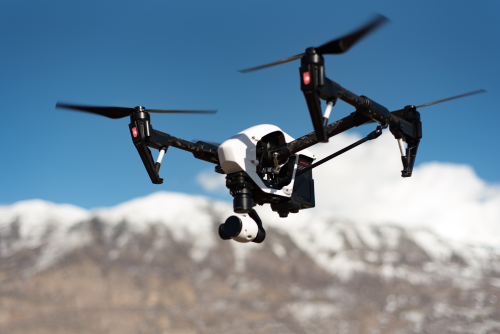
DJI vs Autel: which drone type is better for your budget, goals, and learning curve? For most buyers, the smartest answer is not “pick a brand first,” but “pick the right drone class first, then the ecosystem you can live with.” DJI is still the easier, lower-regret choice for most beginners, creators, and small commercial operators, while Autel is most compelling when you want a credible alternative, need to satisfy procurement or security preferences, or have a specific workflow reason to avoid defaulting to DJI.
Quick Take
If you want the shortest version:
-
DJI is the safer buy for most people. It usually offers the smoother beginner experience, stronger app polish, wider accessory ecosystem, larger user community, and better resale.
-
Autel is not a bad choice. It makes the most sense for buyers who want a serious alternative to DJI, already run Autel gear, have brand restrictions in their organization, or find a better local support or bundle situation.
-
Your drone type matters more than the logo. A small travel drone, a mid-size camera drone, an FPV drone, and an enterprise thermal platform solve very different problems.
-
For beginners, learning curve usually favors DJI. Not because Autel is “hard,” but because DJI buyers generally get more tutorials, more troubleshooting answers, more accessories, and more upgrade paths.
-
For commercial and enterprise buyers, workflow beats specs. Check mission planning, file formats, software compatibility, service support, procurement policy, and downtime risk before comparing camera claims.
DJI vs Autel at a glance
| Decision factor | DJI | Autel | Better fit for most buyers |
|---|---|---|---|
| Out-of-box ease | Very strong | Usually straightforward, but more variable by model and region | DJI |
| Beginner learning curve | Shorter | Manageable, but less hand-holding | DJI |
| Community help and tutorials | Huge | Smaller | DJI |
| Travel-friendly consumer drones | Broad, mature | Credible, but narrower mainstream adoption | Usually DJI |
| Mid-range creator drones | Strong ecosystem | Good alternative | Usually DJI |
| FPV ecosystem | Much stronger mainstream option | Not the first choice for most FPV buyers | DJI |
| Enterprise and public-safety fit | Strong ecosystem, but not always allowed by policy | Sometimes preferred where a non-DJI brand is required | Depends |
| Repair, accessories, used market | Usually broader | More region-dependent | DJI |
| Best reason to buy | Easiest path, strongest ecosystem | Alternative ecosystem, procurement fit, specific workflow reasons | Depends on your constraints |
The real decision: choose the drone type first
A lot of DJI vs Autel debates are really about the wrong thing. Most buyer regret comes from choosing the wrong type of drone, not the wrong brand.
Start with one question:
What will you actually do with the drone in the next 12 months?
That usually puts you into one of four buckets:
- Ultralight travel and beginner flying
- Mid-size creator and commercial camera work
- FPV and immersive flying
- Enterprise inspection, thermal, mapping, or public safety
Once you know the bucket, the brand decision gets easier.
If you want a beginner or travel drone
This is where most buyers should start.
A light, portable drone is usually best for:
- first-time pilots
- travelers
- casual hobbyists
- social video creators
- hikers and road-trippers
- buyers in places where lower-weight drones may face fewer restrictions
That last point matters, but verify the rules in your country. Many places give lighter drones some operational advantages, but the exact thresholds, registration rules, pilot requirements, and location limits vary.
Who usually wins here?
Usually DJI.
Why?
- smoother setup for first-time users
- stronger “it just works” reputation
- deeper tutorial ecosystem
- better accessory availability
- easier resale if you upgrade later
- a clearer path from beginner to enthusiast models
Autel can still be a valid option in this class, especially if:
- you prefer not to buy DJI
- local stock or support is better
- you find a bundle with the right batteries and accessories
- you already know the Autel app and workflow
But for a brand-new pilot with no loyalty and no special constraints, DJI is usually the lower-friction entry point.
Best fit in this category
Choose DJI if you want:
- the easiest learning curve
- a travel-friendly drone with lots of beginner support
- a large online community for troubleshooting
- the most straightforward upgrade path later
Choose Autel if you want:
- a credible alternative ecosystem
- better local distribution or service in your region
- a specific feature set that fits your style
- a non-DJI option for personal or organizational reasons
If you want a mid-size camera drone for serious content or paid work
This is the class many buyers jump to too early.
Mid-size folding camera drones are better when you need:
- stronger wind performance
- better image quality than entry-level travel drones
- more flexibility for real estate, tourism, branded content, and small commercial work
- longer, more confident shoots
- a better platform for repeatable client deliverables
Who usually wins here?
Again, DJI usually wins for most solo creators and small businesses.
The reason is not just image quality. It is the whole ownership experience:
- flight behavior tends to feel refined
- accessories are easier to find
- software and workflow support are broader
- operators can more easily hire or train pilots who already know the system
- resale is usually stronger because the installed user base is larger
Autel can still make sense in this category when:
- your organization prefers an alternative brand
- your regional dealer offers better support than DJI
- you already use Autel gear and want consistency
- a specific model’s feature mix fits your exact work better
A buyer mistake to avoid here
Do not buy a bigger drone just because it sounds “more professional.”
A mid-size drone can improve output, but it also brings:
- larger batteries
- more travel friction
- potentially higher registration or operating requirements
- more expensive repairs
- more pressure if you crash it early
If you are still learning basic composition, manual camera settings, and preflight discipline, a lighter travel drone may get you better real-world results.
If you want FPV or immersive flying
This is the easiest section to call.
If your goal is:
- immersive flying
- cinematic proximity shots
- dynamic chase footage
- learning the FPV workflow
- using goggles as part of the experience
DJI is the more obvious brand choice for most mainstream buyers.
DJI has a much stronger presence in the consumer digital FPV ecosystem and is the easier route for pilots who want a more guided on-ramp into that style of flying.
Autel is generally not the first brand most buyers choose when entering FPV.
That does not mean Autel cannot make interesting aircraft in other categories. It means if your central goal is FPV progression, simulator practice, goggles-based workflow, and a large base of shared knowledge, DJI is the more practical ecosystem to enter.
One important warning
FPV has the steepest learning curve of any category in this article.
Budget for more than the aircraft:
- simulator time
- spare props
- extra batteries
- charging discipline
- safe flying space
- crash tolerance
- patience
If your real goal is “I want dynamic video,” not “I want to become an FPV pilot,” a stabilized camera drone may actually be the better buy.
If you want enterprise, thermal, mapping, or public-safety capability
This is where brand discussions get more complex.
For inspection teams, emergency response, utilities, infrastructure, survey, and thermal work, the best answer is rarely “DJI” or “Autel” in the abstract.
The real questions are:
- Does the drone capture the data you need?
- Does it fit your procurement rules?
- Does it work with your mission planning and processing stack?
- Can you get support fast when operations matter?
- Does your organization have security, data, or sourcing restrictions?
When DJI often makes sense
DJI is often strong when you want:
- a mature enterprise ecosystem
- broad industry familiarity
- training availability
- accessory depth
- easier hiring because many pilots already know the platform
- strong third-party workflow support, depending on the exact model and software stack
When Autel often deserves a serious look
Autel becomes especially relevant when:
- your agency or client prefers or requires a non-DJI option
- procurement or security policy narrows the field
- local dealer support is strong
- a specific platform better matches the mission
- you want to avoid building your operation around a single dominant brand
The rule for enterprise buyers
Run a workflow test, not a spec-sheet comparison.
Before committing, validate:
- flight planning
- data capture repeatability
- thermal or visual output quality
- file export
- mapping or processing compatibility
- fleet management
- pilot training time
- support turnaround
- spare battery and parts availability
An enterprise drone that looks great on paper but creates workflow friction is usually the more expensive choice.
Which brand fits which buyer?
Buyer-fit decision table
| Buyer type | Better fit | Why |
|---|---|---|
| First-time pilot | DJI | Shorter learning curve, broader support, easier troubleshooting |
| Travel creator | Usually DJI | Strong portable ecosystem and easier everyday ownership |
| Casual hobbyist | DJI | Lower-friction setup and community support |
| Buyer who dislikes ecosystem lock-in | Autel | Strong alternative if you want to avoid defaulting to DJI |
| FPV-curious pilot | DJI | Better mainstream FPV path |
| Real estate or content freelancer | Usually DJI | Easier to train on, operate, resell, and support |
| Public-sector or security-sensitive team | Depends | Procurement policy may override performance preferences |
| Buyer with strong local Autel dealer support | Autel can be smart | Local service can matter more than internet opinions |
| Used-market value hunter | Usually DJI | Larger resale market and more liquidity in many regions |
Learning curve: where the difference shows up
People often reduce learning curve to “is it easy to fly?” That is too narrow.
A real drone learning curve includes:
- setup and activation
- app layout
- preflight checks
- camera settings
- battery management
- firmware habits
- airspace planning
- post-flight file handling
- troubleshooting when something goes wrong
Why DJI tends to feel easier
DJI usually benefits from:
- more polished beginner-facing interfaces
- more widely shared setup tutorials
- more community answers when something fails
- clearer step-up paths between product classes
- a larger user base, which makes problems easier to solve
That matters more than many buyers expect. The brand with more community support often feels “better” even when the other drone is technically capable.
Why Autel can still work well
Autel’s learning curve is not necessarily difficult. It is just often more self-directed.
If you are comfortable researching before you buy, double-checking compatibility, and relying more on dealer support or official documentation, Autel can be a very reasonable choice.
The easiest drone is the one you can afford to practice with
Many buyers overspend on the aircraft and underspend on practice.
Whatever brand you pick, budget for:
- at least one or two extra batteries
- spare propellers
- a charging solution that matches your workflow
- a case or travel setup
- memory cards or storage
- insurance if relevant in your market
- training time
A drone you can fly often will teach you more than a premium drone you are afraid to launch.
Budget: what matters more than sticker price
For a buying guide like this, the risky mistake is comparing only list price.
The true cost of ownership includes:
- batteries
- charger or hub
- controller option
- repair costs
- shipping and support turnaround
- care or protection plans, if offered in your region
- filters and accessories
- software subscriptions for commercial work
- downtime if something breaks
- replacement value if you crash during training
In general
- At entry level, ecosystem support matters more than small spec differences.
- In the middle, camera quality, wind performance, and workflow start to matter more.
- At the top end, downtime, support, procurement fit, and software compatibility matter more than headline specs.
That is why DJI is often the better budget choice even when it is not the absolute cheapest. A smoother learning curve and stronger resale can make the total cost lower over time.
Autel can still be the better budget choice when:
- the local price difference is meaningful
- the bundle includes what you actually need
- you avoid expensive ecosystem switching later
- your organization would reject DJI anyway
Safety, legal, and operational limits to verify before you buy
No buying guide is complete without this section, because the “best” drone on paper can become the wrong drone if it does not fit the rules where you fly.
Before you buy either DJI or Autel, verify:
Registration and pilot requirements
In many countries, rules vary by drone weight, intended use, and flight environment. A smaller drone may reduce regulatory burden, but not always.
Check:
- whether the aircraft must be registered
- whether the pilot needs training, a test, or certification
- whether commercial use changes the rules
- whether imported drones face local ID or conformity requirements
Airspace and location restrictions
Never assume takeoff permission from the app equals legal permission to fly.
Verify with the relevant authority:
- controlled airspace rules
- airport proximity limits
- protected parks or heritage sites
- city restrictions
- temporary flight restrictions for events or emergencies
- venue or property-specific rules
Brand-specific flight authorization behavior
Geofencing, authorization prompts, and related workflow behavior can vary by brand, model, firmware, and region.
Before a paid job or trip, confirm:
- whether your drone may require pre-authorization in sensitive areas
- how unlocking or approval works for your exact setup
- whether internet access is needed for certain functions
Travel and batteries
If you travel with drones, confirm airline and border rules for:
- lithium battery carry-on limits
- battery terminal protection
- battery quantity limits
- customs declarations where relevant
Privacy, data, and procurement
This matters especially for businesses, agencies, utilities, and public-sector teams.
Check:
- organizational device policy
- data storage and sharing rules
- client restrictions on brand or origin
- procurement-approved vendor lists
If policy blocks one brand, that usually ends the comparison immediately.
Common mistakes people make in the DJI vs Autel decision
1. Buying specs instead of workflow
A great sensor or headline feature does not help if the app, support, export process, or battery life creates daily friction.
2. Overbuying for future ambitions
Do not buy an enterprise-grade or heavier drone because you might someday do inspections or client work. Buy for the next realistic year.
3. Ignoring the support ecosystem
A drone with weak local support can become expensive fast, even if the purchase price looks attractive.
4. Assuming fewer software restrictions means fewer legal rules
Even if a drone lets you take off, local aviation law still applies. Always verify official airspace and site permissions.
5. Underestimating how much batteries matter
One battery is rarely enough for meaningful practice, travel, or client work.
6. Forgetting the resale and upgrade path
If you think you may upgrade within 12 to 24 months, ecosystem and resale matter a lot.
A simple 6-step decision framework
If you are still torn, use this:
-
Define the main mission Travel photos, social content, FPV, inspection, mapping, or public safety?
-
Choose the smallest drone class that can reliably do that mission Smaller usually means easier ownership.
-
Match the learning curve to your patience If you want less troubleshooting and more flying, lean DJI.
-
Check your local and organizational constraints Regulations, client requirements, procurement, and security policy can override brand preference.
-
Compare support in your actual region Dealer quality, repair access, and parts matter more than internet debates.
-
Price the full kit, not the aircraft Batteries, charger, carry case, props, filters, insurance, and software may change the answer.
FAQ
Is DJI better than Autel for beginners?
Usually yes. DJI is generally the easier buy for first-time pilots because the learning resources, community support, accessory market, and upgrade path are broader.
Is Autel a good brand, or just a backup option?
Autel is a legitimate option, not just a fallback. It becomes especially attractive for buyers who want a non-DJI ecosystem, have procurement constraints, or find better regional support and bundle value.
Which brand is better for travel?
For most travel creators, DJI is the easier choice because its portable consumer ecosystem is more established. Still, the best travel drone is often the lightest drone that meets your image needs and local rules.
Which brand is better for commercial work?
For most solo creators and small operators, DJI is usually the smoother commercial choice because of ecosystem depth and operator familiarity. For enterprise teams, the answer depends on procurement, data policy, software compatibility, and support.
Is Autel better if I want fewer flight authorization headaches?
Do not buy any drone assuming it will let you bypass airspace or location rules. Brand-specific authorization behavior can vary by model, firmware, and region. Always verify official airspace requirements and test your exact workflow before a mission.
Which brand holds value better on the used market?
In many markets, DJI tends to hold value better because the installed user base is larger and accessories are easier to source. Local market conditions can change that, so compare actual resale demand in your region.
Should I buy used to save money?
Used can be smart if you verify battery health, crash history, gimbal and camera condition, controller pairing, firmware status, and whether the seller has fully removed any account ties. If you are a beginner, buying used from a trusted dealer or reputable seller is usually safer than buying the cheapest listing.
If I already own one brand’s batteries and accessories, should I stay in that ecosystem?
Often, yes. If your current ecosystem still fits your work, staying put can reduce cost and friction. Switch only if the new brand solves a clear problem, not because of spec envy.
The decision most buyers should make
If you want the lowest-risk answer, buy the right DJI class for your actual use case: small for travel and learning, mid-size for more serious content, FPV only if you truly want the FPV path.
Choose Autel when you have a specific reason, not just curiosity: procurement policy, a preferred local dealer, an existing Autel fleet, or a clear workflow advantage. If you cannot name that reason in one sentence, DJI is probably the better buy for your budget, goals, and learning curve.
