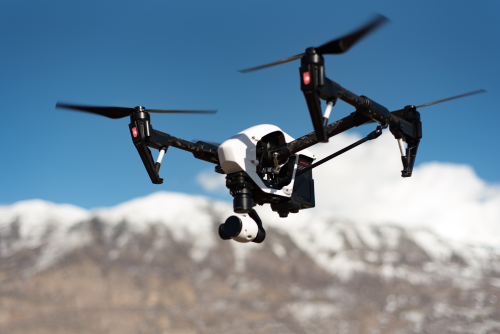
Camping changes what “best drone” really means. At a campsite, the right drone is not the one with the longest spec sheet, biggest camera, or highest top speed. If you want to choose the best drone for campers without overspending or buying the wrong features, start with your travel style, charging setup, wind conditions, and how much drone you will realistically carry and fly.
Quick Take
For most campers, the smartest buy is a compact foldable camera drone in the ultralight or “mini” class, ideally with solid GPS, reliable return-to-home, good battery charging options, and simple controls. That class usually gives the best mix of packability, quieter operation, easier travel, and enough image quality for social content, trip memories, and casual travel films.
Move up to a larger travel drone only if you consistently need one or more of these:
- Better wind performance in coastal, desert, alpine, or open terrain
- Better low-light image quality for sunrise, sunset, or paid content
- More confident obstacle sensing and tracking
- Stronger footage for client work or high-end editing
For most campers, the money is better spent on spare batteries, a charger that fits your power setup, spare propellers, a case, and flight practice than on features you will rarely use.
Key Points
- Buy for your normal trips, not your once-a-year dream trip.
- Weight, charging, noise, and ease of setup matter more for camping than headline speed or maximum range.
- A sub-250g drone can be a great camping choice, but it is not a universal legal shortcut.
- Most campers do not need a premium camera drone, FPV rig, zoom camera, or enterprise features.
- If you camp around trees, cliffs, people, wildlife, or shared campgrounds, safety features and flight discipline matter more than raw performance.
- Always verify drone rules with the relevant aviation authority, land manager, park, campground, or property owner before flying.
Start with how you actually camp
The biggest buying mistake is shopping as if all camping is the same. A drone that works well for an RV creator filming desert roads may be annoying, heavy, or overkill for a hiker sleeping in a small tent.
Best fit by camper type
| Camper type | Best drone class | Prioritize | Do not overspend on |
|---|---|---|---|
| Weekend car camper | Ultralight foldable camera drone | Easy controls, reliable GPS, quick setup, quiet flight | Big sensors, zoom, extreme speed |
| Backpacker or hiker | Sub-250g mini drone | Low weight, USB-C-friendly charging, compact case, spare props | Larger airframes, bulky chargers, extra lenses |
| Van life or RV creator | Mini or mid-size travel drone | Better wind handling, stronger camera, battery workflow | FPV as your only drone, enterprise modes |
| Family camper and beginner | Beginner-friendly camera drone | Return-to-home, stable hover, simple app, conservative settings | Aggressive sport features, manual-only flying |
| Paid travel creator or campground marketer | Mid-size or premium camera drone | Better dynamic range, more robust wind performance, workflow reliability | Cheapest starter drone if deliverables matter |
A simple rule
If you are unsure, start smaller.
A lighter, easier drone that you actually pack and fly is almost always a better camping purchase than a larger, more expensive drone that stays in the vehicle because it is loud, bulky, power-hungry, or stressful to launch.
The five questions that should drive your decision
1. What are you really shooting?
Your filming goal should decide your drone class.
If your answer is:
- “I want scenic clips of the lake, tent, campfire area, and road trip,” buy a compact camera drone.
- “I want polished travel content for YouTube, brand work, or a tourism client,” consider stepping up to a stronger travel drone.
- “I want adrenaline flying through trees and around obstacles,” that is an FPV use case, not a standard camping drone use case.
Many buyers overspend because they imagine themselves making cinematic documentaries, when in reality they mainly want short aerial clips of campsites, trailheads, beaches, forests, and vans.
If most of your content will be viewed on a phone, shared on social platforms, or edited lightly, a smaller drone is often enough.
2. How will you charge it off-grid?
This is where many camping drone purchases go wrong.
Advertised battery life matters less than your real charging setup:
- Car outlet
- USB-C power bank
- Portable power station
- Solar setup
- Inverter
- Campground power
A camping-friendly drone should fit your power habits. Some drones are easier to recharge in a van, vehicle, or portable power setup than others. If your charging method is awkward, slow, or requires a large proprietary brick, the drone becomes much less useful on a multiday trip.
What to look for
- A practical charging hub
- Charging from common travel power sources
- Reasonable recharge times
- Battery availability and replacement support
What to avoid
- Buying a drone with only one battery
- Assuming “long flight time” means all-day use
- Ignoring how cold, heat, wind, and repeated flights reduce real endurance
For most campers, two or three batteries is the sweet spot. More than that can be helpful for vehicle-based trips, but only if you can realistically recharge them.
3. Where do you camp most often?
Terrain changes what matters.
Forests and tree-heavy campgrounds
Prioritize:
- Stable hover
- Reliable obstacle warning or sensing
- Conservative return-to-home setup
- Ease of launching in tight clearings
Skip the fantasy that the drone will magically fly itself through branches. Trees are one of the most common places to crash.
Coasts, deserts, mountain ridges, and open lakes
Prioritize:
- Better wind resistance
- Stronger gimbal stability
- Confident return flight margin
- Enough power to get home in headwinds
This is where larger travel drones can justify their size and cost.
Shared campgrounds and quiet natural areas
Prioritize:
- Lower noise
- Faster setup
- Short, efficient flights
- Respectful operating habits
A bigger, louder drone may technically perform better, but it can be the wrong tool in a crowded campground.
4. How much help do you want from the drone?
Beginners often benefit from automated features, but not every feature is worth paying for.
Useful automation includes:
- GPS stabilization
- Return-to-home, often shortened to RTH
- Basic subject tracking
- Obstacle alerts or sensing
- Easy “quick shot” flight modes
These reduce stress and help newer pilots focus on safe flying.
But there is a point where automation becomes a marketing checklist. Many campers do not need advanced tracking suites, complex waypoint missions, or specialty cinematic modes they will use twice.
A good rule: pay for safety and usability first, convenience second, novelty last.
5. How painful would it be to lose or repair?
Camping often means rough ground, dust, sand, moisture, distance from shops, and limited charging. That makes repair support more important than many first-time buyers realize.
Before buying, think about:
- Are spare propellers easy to find?
- Are batteries widely available?
- Is the brand known for decent app support and firmware stability?
- Can you get repairs or service in your region?
- If you crash it on a trip, is the financial loss acceptable?
A drone you are afraid to fly is a bad camping drone.
Features that matter most for campers
Portability and setup speed
The best camping drone is the one that fits your routine.
A foldable design, small case, and fast deployment matter more than people expect. Campers often fly in short windows: sunrise, sunset, before a hike, after arriving at camp, or during a weather break. If setup is annoying, the drone stays packed.
For hikers and minimalist campers, the drone should disappear into the loadout. For car campers and van travelers, it should still be easy to grab without reorganizing half the vehicle.
Real-world battery workflow
A good camping drone is not just about how long it flies. It is about how smoothly batteries fit into your trip.
The best battery workflow usually includes:
- Two or three batteries
- A compact charger or charging hub
- A safe way to store batteries out of extreme heat
- A charging option that works in your vehicle or camp power setup
Do not leave batteries baking in a hot car or exposed to direct sun for long periods. Check the battery handling guidance from the manufacturer and any airline rules if you are flying to your destination.
Wind handling
Campers fly in places that expose drone weaknesses: ridgelines, beaches, lakes, meadows, cliffs, and canyons.
A smaller drone may be perfect in calm conditions but frustrating in steady wind. If you regularly camp in windy regions, moving up one size class can be more useful than buying a mini drone with every optional accessory.
This is one of the few upgrades that often makes real field difference.
Reliable GPS and return-to-home
Return-to-home is one of the most valuable features for camping because environments are often unfamiliar.
But do not treat it like magic. Before takeoff:
- Confirm the home point is properly recorded.
- Check that the return altitude clears trees, terrain, poles, or cliffs.
- Make sure you have enough battery reserve to return safely.
- Keep line of sight where required by local rules.
A drone with dependable GPS behavior is more valuable at a campsite than one with flashy but rarely used creative modes.
A camera that matches your output
This is where buyers often overspend.
Most campers need:
- Stable footage
- Good daylight performance
- Decent dynamic range, meaning the camera can handle bright skies and darker ground in the same scene
- Reliable automatic exposure
- A proper gimbal, which is the motorized stabilizer that keeps footage smooth
Most campers do not need:
- A huge sensor just for casual daytime clips
- Multiple focal lengths
- A telephoto camera
- Advanced color workflow if they do not edit seriously
If you mainly shoot daytime travel memories and social content, a smaller camera drone is usually enough. If you regularly shoot at dawn, dusk, in forests, or for paid work, the camera upgrade becomes easier to justify.
Noise and campsite etiquette
This is an underrated buying factor.
A drone can be legal to fly and still be the wrong drone for a campground. Bigger drones are often louder, more noticeable, and more disruptive. If you mostly camp near other people, wildlife, or quiet scenic areas, lower noise and shorter flights matter.
A respectful pilot with a quieter mini drone will often have a better experience than a pilot with a larger drone who draws complaints.
Features most campers can skip
If your goal is to avoid overspending, these are the features most likely to drain your budget without improving your camping experience.
Extreme advertised range
You should be flying within line of sight where required, not testing marketing claims. Long transmission range sounds impressive, but it is rarely the reason a camping drone succeeds or fails.
Top speed
Camping footage is usually about landscapes, movement, and atmosphere, not speed runs.
Zoom and multi-camera systems
Useful for certain creators and inspections, but unnecessary for most camping buyers.
Enterprise and mapping features
Unless you have a professional workflow that specifically needs them, skip them.
FPV as a first camping drone
FPV stands for first-person view and usually refers to fast, immersive manual flight. It is great for the right pilot and use case, but it is a specialist choice. If your main goal is easy scenic campsite footage, a standard camera drone is the better first purchase.
Heavy filter kits and advanced accessories
Neutral density, or ND, filters can help video shooters control shutter speed, but many casual campers do not need a large filter set on day one. Start with the basics.
Buy the full camping kit, not just the drone
A cheaper drone with the right kit often beats a more expensive drone bought bare.
The accessories that actually help
- Two or three batteries
- Spare propellers
- A compact charging hub
- A durable case or padded insert
- A good memory card
- A cleaning cloth and basic dust care items
- A small landing pad if you often launch from sand, dirt, snow, or gravel
The ownership costs people forget
- Battery replacement over time
- Extra props
- Repair incidents
- Travel cases
- Insurance, if needed in your region or for your work
- Registration or training where required
If a higher-end drone forces you to skimp on batteries and essentials, it may be the worse buy.
Safety, legal, and operational limits to know
Camping and drone flying can both feel informal, but drone operations are still regulated in many places.
Before flying, verify:
- National or regional drone rules
- Registration or operator ID requirements
- Training or competency requirements
- Airspace restrictions
- Campground, park, reserve, beach, or land manager rules
- Property-specific bans on takeoff or landing
- Privacy expectations around other campers
- Wildlife protection restrictions
Important reminders:
- A sub-250g drone may reduce some regulatory burden in some jurisdictions, but not all.
- National parks, protected areas, and campgrounds often have separate rules from general aviation rules.
- Commercial use, monetized content, or client work may trigger different obligations depending on the country.
- Keep clear of people, roads, campsites, and wildlife.
- Do not fly in rain, heavy mist, or conditions your drone is not rated for. Most consumer drones are not weatherproof.
- Set return-to-home altitude carefully around trees and uneven terrain.
- If you cannot verify the rules, do not launch.
Common mistakes campers make when buying drones
Buying for specs instead of trip reality
People buy the drone they admire online, not the drone they want to pack on a cold morning before coffee.
Assuming a mini drone solves every problem
A small drone is great, but not if you camp in consistently windy places and expect rock-solid results every time.
Underestimating charging needs
One battery and no clean charging plan is the fastest way to turn a good drone into a dead gadget.
Overvaluing obstacle avoidance
Obstacle sensing helps, but it does not make flying near trees, branches, cables, or cliffs risk-free.
Choosing a drone that is too loud for the places you visit
Campgrounds are shared spaces. Social friction matters.
Thinking “sub-250g” means “no rules”
In many places, that is not true. Always verify.
Buying FPV because it looks more exciting
FPV can be excellent, but it has a steeper learning curve, different safety demands, and a different filming style. It is not the default answer for campsite footage.
FAQ
Is a sub-250g drone the best choice for most campers?
Usually, yes. It is often the best balance of portability, simplicity, and travel friendliness. But if you regularly camp in strong wind or need higher-end image quality, a larger travel drone may be worth it.
How many batteries should I bring on a camping trip?
For most campers, two or three batteries is the practical sweet spot. That is enough for a few short sessions without creating a major charging burden.
Do I need obstacle avoidance for camping?
Not always, but it can be helpful for beginners and for flights near trees or uneven terrain. It should be treated as a backup aid, not a guarantee against crashes.
Are drones allowed in campgrounds and national parks?
Sometimes, sometimes not. Rules vary widely by country, park system, campground operator, and property owner. Even where flight is legal under aviation rules, takeoff or landing may still be prohibited by land managers. Verify before flying.
Is FPV a good camping drone?
It can be, if you specifically want immersive, dynamic flight and already understand the learning curve, battery demands, and safety discipline. For general scenic travel footage, a standard stabilized camera drone is the better first buy.
Can I charge drone batteries from a car or power bank?
Often yes, depending on the drone and charger system. This is exactly why charging compatibility should be part of your buying decision. Check the manufacturer’s charging options before you buy.
Should I buy the combo bundle or the base drone?
If the combo includes extra batteries and a useful charger, it is often the better value for camping. Bare-bones bundles can look cheaper but create frustration quickly in the field.
Can I fly with a camping drone on an airplane?
Often yes, but battery rules are important and vary by airline and route. Spare batteries are commonly subject to carry-on restrictions. Also verify local import, customs, and drone-use rules at your destination.
The smartest camping drone purchase
If you want to avoid overspending, buy the smallest drone that fully covers your real trips, not the most advanced drone you can stretch to afford. For most campers, that means a compact foldable camera drone, a few batteries, a simple charging plan, and enough safety features to fly confidently and respectfully. If your camping style, wind conditions, or content goals demand more, move up one class for a clear reason, not because the spec sheet says you should.
