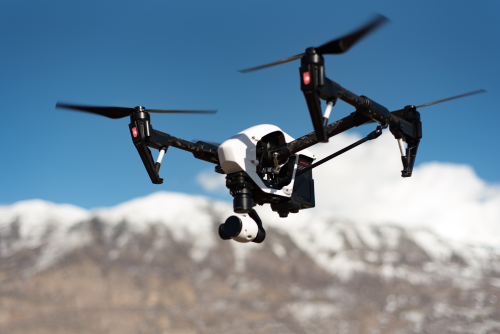
Choosing the best drone for content creators is less about chasing the highest spec sheet and more about buying the right tool for the footage you actually make. Most overspending happens when creators pay for features their audience will never notice, or buy a drone so bulky, fragile, or complex that it stays at home. If you want better aerial content without wasting money, start with workflow, not hype.
Quick Take
If you only remember a few things from this guide, make them these:
- The best drone for content creators is usually the one you will carry often, launch quickly, and edit efficiently.
- Travel and social creators often get the best value from lightweight folding drones with strong stabilization, simple controls, and vertical-friendly workflow.
- Regular client work, tougher wind, and lower-light shooting usually justify stepping up to a mid-size or premium camera drone.
- FPV footage looks incredible, but FPV is a different skill set, a different risk profile, and often not the right “only drone.”
- Spend part of your budget on batteries, filters, storage, repair coverage, and training. The drone itself is only part of the real cost.
- Always verify local flight rules, registration, airspace restrictions, venue restrictions, and airline battery policies before you fly or travel.
The fastest way to choose the right drone class
| Creator profile | Best-fit drone class | What matters most | What people often overbuy |
|---|---|---|---|
| Travel vlogger, solo creator, social-first publisher | Lightweight folding camera drone | Portability, quick setup, stable 4K video, vertical options, beginner-friendly controls | Huge sensors, advanced codecs, multi-camera systems |
| Outdoor creator, hiker, cyclist, adventure storyteller | Lightweight or mid-size creator drone | Reliable tracking, wind handling, battery workflow, obstacle sensing | Zoom cameras, top-end resolution |
| Real estate, tourism, hospitality, local business content | Mid-size creator drone | Stable hover, dependable image quality, better wind performance, repeatable shots | FPV as the main work drone |
| Brand filmmaker, agency, commercial team | Premium camera drone | Larger sensor, stronger low-light, 10-bit color, precise control, better overall image flexibility | Premium features when the final output is mostly social clips |
| Action-sports specialist, dynamic cinematic creator | FPV or cinewhoop plus a standard camera drone | Manual control, durability, replacement parts, practice discipline | Buying FPV as a shortcut to “cinematic” results |
Start with the footage you actually need
Before you compare brands or models, answer these five questions:
-
Where will the content be published?
TikTok, Instagram Reels, YouTube, real estate listings, tourism websites, brand campaigns, client ads, or broadcast work all reward different strengths. -
What are your three most important shots?
For example: – a slow reveal over a coastline – a smooth orbit around a building – a follow shot of a runner on an open trail where flying is allowed -
Do you shoot mostly in good daylight or in difficult light?
Sunrise, sunset, overcast cities, forests, and twilight work push you toward better sensors and more flexible color profiles. -
Are you usually working solo?
Solo creators benefit more from tracking, obstacle sensing, easy launch, and fast setup than from advanced cinema codecs. -
Will you really carry it?
This is where many buyers get it wrong. A drone that is slightly worse on paper but easy to carry can produce far more real content than a bigger drone that stays in the bag.
If you cannot clearly describe the shots you need, it is too early to buy on specs alone.
Choose the right drone category first
Specific models change over time. Buyer regret usually starts earlier, at the category level.
Lightweight travel drones
This class is often the sweet spot for creators who travel, hike, publish frequently, or want something they can keep in a small bag. Many popular “Mini” style drones fall into this category.
Best for:
- travel creators
- beginners
- short-form social content
- creators who value convenience over maximum image flexibility
- frequent flyers who want the least possible kit weight
Strengths:
- easy to carry
- fast to deploy
- usually enough quality for social, YouTube, and many client needs
- lower psychological barrier to flying regularly
- often simpler from a compliance perspective in some jurisdictions, though never assume exemption
Tradeoffs:
- weaker in strong wind
- smaller sensors usually struggle sooner in low light
- less headroom for heavy color grading
- may feel limiting if you move into higher-end commercial work
This is the category many creators should buy first.
Mid-size creator drones
This is the “serious but still practical” class. Drones in the DJI Air-type or Autel EVO Lite-type range fit here.
Best for:
- real estate creators
- tourism marketers
- local agencies
- creators who shoot often in windier areas
- buyers who want better image quality without carrying a large premium rig
Strengths:
- stronger wind performance
- more stable feeling in flight
- better camera options and more editing flexibility
- better obstacle sensing on many models
- more confidence for repeat commercial work
Tradeoffs:
- larger bag footprint
- more expensive batteries and repairs
- greater travel friction
- in some places, more regulatory burden depending on aircraft weight and operation type
For many professionals, this is the best balance between quality and practicality.
Premium camera drones
Think of larger, higher-end camera drones built for creators who genuinely need better sensors, low-light performance, or more professional deliverables.
Best for:
- production teams
- brand filmmakers
- high-end tourism and hospitality campaigns
- commercial creators who color grade seriously
- operators who regularly shoot in more difficult light
Strengths:
- better dynamic range, meaning the camera keeps more detail in bright skies and dark shadows
- stronger low-light performance
- more flexible files for color correction
- better overall image ceiling
- often better lens options or more advanced camera systems
Tradeoffs:
- expensive to buy, insure, repair, and travel with
- more intimidating for beginners
- overkill for many social-first creators
- more painful if you crash or need fast turnaround on repairs
If your final audience watches mostly compressed social content, this class is often more luxury than necessity.
FPV and cinewhoop drones
FPV means first-person view. These drones are flown more manually and are designed for immersive, dynamic motion. Cinewhoops are smaller ducted FPV drones often used for controlled cinematic indoor or close-proximity shots.
Best for:
- creators who want aggressive, dynamic motion
- action-sports filming
- specialty cinematic shots
- pilots willing to train consistently
Strengths:
- unmatched sense of speed and movement
- unique angles and proximity shots
- powerful creative look for sports, events, and stylized brand work
Tradeoffs:
- much steeper learning curve
- higher crash risk
- separate batteries, chargers, and setup habits
- usually not your best option for stills, travel convenience, or general-purpose creator work
- automated safety features are often far more limited than standard camera drones
Many creators love FPV footage. Far fewer truly enjoy the process of becoming safe, consistent FPV pilots. Buy FPV because you want that discipline, not because you think it is an easy cinematic shortcut.
The features that actually matter
A good buying decision usually comes down to a handful of features, not dozens.
1. Image quality that survives your real workflow
Ignore marketing headlines for a moment. Ask:
- Does the footage look good in normal daylight?
- Can you recover highlights and shadows well enough?
- Does the color match your ground camera without a fight?
- Is the footage clean enough after social compression?
For most creators, reliable 4K with good stabilization beats ultra-high resolution with weak consistency.
2. Sensor size and low-light performance
A larger sensor generally helps with:
- sunrise and sunset work
- cloudy city scenes
- darker landscapes
- more natural-looking detail
- stronger dynamic range
If you mostly shoot daytime travel clips, a smaller sensor may be completely fine. If you often shoot resorts, city skylines, events, or branded content around dusk, paying for better sensor performance can be justified.
3. Stabilization and wind handling
Creators often obsess over camera specs and ignore how much wind ruins footage.
In real use, better wind resistance and a more stable gimbal can matter more than extra resolution. If you work near coasts, mountains, open fields, or rooftops, step up sooner.
4. Obstacle sensing
Obstacle sensing uses sensors to detect objects around the drone. Omnidirectional sensing means it can detect obstacles in multiple directions.
This is especially useful for:
- beginners
- solo creators
- tracking shots
- complex environments with trees or structures
But it is not magic. Thin branches, wires, reflective surfaces, and low-light conditions can still fool systems. Obstacle sensing reduces risk; it does not remove responsibility.
5. Subject tracking
For solo creators, tracking can be one of the most valuable features on the list.
It matters if you regularly film:
- yourself hiking
- biking on open paths where drone use is allowed
- beach walks
- moving presenters
- light outdoor action scenes
Just remember that tracking quality depends on environment, speed, lighting, and obstacle density. In dense trees or tight spaces, “follow me” modes are far less reliable than many buyers assume.
6. Vertical shooting and edit-friendly workflow
If most of your audience is on vertical platforms, this matters a lot.
Look for:
- native vertical camera options
- easy cropping from the main sensor
- fast transfer to phone or tablet
- simple export workflow
Creators who publish daily often benefit more from a fast workflow than from the absolute best file quality.
7. Real-world battery workflow
Advertised flight times are ideal-condition numbers. Your real flights involve wind, repositioning, hovering, caution, and battery reserve.
Focus on:
- how many batteries you will actually carry
- charging speed and charging method
- whether you can top up easily while traveling
- battery cost and availability
- cold-weather or hot-weather performance limits
For creator work, three batteries usually feels much more professional than one better drone battery on paper.
8. Repair support and part availability
This is one of the least glamorous but most important buying factors.
Check:
- propeller availability
- local or regional repair options
- turnaround time
- whether a care plan or replacement program exists
- whether spare batteries are easy to replace later
A drone you cannot repair quickly is a bigger business risk than a drone with slightly weaker specs.
Features content creators often overspend on
A lot of marketing is designed to make you pay for capability you may never use.
Ultra-high resolution
5.1K, 6K, or higher can be useful for heavy cropping or higher-end work, but it often does not improve normal social output nearly as much as people expect.
If you do not crop aggressively or deliver to demanding clients, prioritize sensor quality, stabilization, and workflow first.
Advanced cinema codecs
ProRes and other high-end recording formats help serious post-production workflows. They also increase file size, storage needs, and editing burden.
If you do not already color grade carefully or hand footage to an editor, you may be buying complexity, not value.
Zoom cameras
Useful in specific commercial or inspection contexts. Less important for most travel, social, and general creator work.
Extreme transmission range
You should always operate within local legal limits and safe, responsible conditions. Beyond a certain point, advertised range becomes more marketing than practical value for most creators.
Top speed
Fast flight is not the same as cinematic footage. Controlled motion is usually more valuable than raw speed.
Premium drone size for casual use
Many buyers assume “bigger equals better.” Often, bigger equals “I stop bringing it.”
Build your budget around the full kit, not just the drone
A drone-only budget is how creators overspend and still end up under-equipped.
Your realistic kit may also need:
- 2 to 3 extra batteries
- charging hub or simple travel charging solution
- spare propellers
- fast memory cards or storage
- ND filters, which are dark filters that help maintain natural-looking motion blur in bright daylight
- protective bag or case
- basic cleaning and maintenance items
- repair coverage or replacement plan
- training time and practice space
- software or storage budget for backing up footage
A practical rule: if buying the drone leaves no room for batteries, filters, and safe operation, you probably bought too much drone.
A simple 6-step decision framework
If you are still stuck, use this sequence.
1. Pick your main content lane
Choose the job your drone will do most often:
- travel and social
- outdoor solo creator work
- real estate and local business content
- commercial brand production
- FPV action footage
Do not buy for the rarest use case first.
2. Choose the largest drone you are willing to carry every week
Be honest. If you travel light, commute, hike, or create on the move, a compact drone often wins in the real world.
3. Decide whether automation matters more than manual creative ceiling
If you are solo, tracking, obstacle sensing, and quick launch matter a lot.
If you work with a crew or shoot higher-end productions, image flexibility may matter more.
4. Match camera quality to your actual edit depth
Ask yourself:
- Do I color grade?
- Do I shoot in difficult light often?
- Do clients request specific image standards?
- Will my ground camera noticeably outclass the drone?
If the answer is mostly no, a lightweight or mid-size drone may already be enough.
5. Reserve part of the budget for the kit
Do not spend 100 percent on the aircraft.
If you are a beginner, the complete kit is often what turns an exciting purchase into a useful one.
6. Verify legal and operational fit before purchase
This matters more than buyers think. A “perfect” drone that is hard to travel with, hard to register, or hard to operate where you live may be the wrong purchase.
Safety, legal, and operational realities to check before you buy
Because drone rules vary globally, never assume a feature, size class, or use case is automatically allowed.
Verify these points with the relevant aviation authority, park authority, venue, airline, or local government before flying:
- Registration and pilot rules: Some countries require registration, operator IDs, pilot competency, or remote identification depending on drone weight and operation type.
- Sub-250g assumptions: Lighter drones may face fewer restrictions in some places, but not everywhere.
- Commercial use: Paid work, brand shoots, or business operations may trigger additional requirements.
- Airspace limits: Urban areas, airports, helipads, and sensitive sites may have restrictions even if your map app looks clear.
- Takeoff and landing permissions: Parks, beaches, private property, heritage areas, and event venues may ban launch or landing regardless of airspace status.
- Privacy and people: Filming near people, homes, beaches, resorts, or private gatherings can create legal and reputational risk even if flight itself is technically allowed.
- Travel batteries: Airlines often restrict how lithium batteries are packed and carried. Check airline policy before every trip.
- Weather limits: Wind, rain, heat, cold, and magnetic interference all affect safety and performance.
A creator-friendly drone is not just easy to fly. It is easy to own responsibly.
Common mistakes content creators make
Buying for dream shoots instead of real shoots
Many people imagine brand-film footage but actually publish short-form travel clips. Buy for your weekly output, not your once-a-year ambition.
Choosing the biggest sensor over the best workflow
If the drone is hard to carry, hard to charge, or slow to transfer footage from, you will fly less often.
Treating FPV like a checkbox
FPV is a craft. It is not simply “more cinematic drone mode.”
Believing automated tracking will solve piloting
Tracking helps, but it does not replace judgment, flight planning, or obstacle awareness.
Ignoring repair and replacement costs
Props are easy. Gimbals, arms, sensors, and batteries are not.
Spending everything on the aircraft
A drone without spare batteries and filters is like a camera without memory cards.
Assuming one drone does everything perfectly
Some creators eventually need two tools: – a standard stabilized drone for clean, repeatable shots – an FPV drone for dynamic movement
Do not force one tool to be two different systems if your work clearly demands both.
FAQ
What is the best drone type for a beginner content creator?
A lightweight folding camera drone is usually the safest starting point. It offers the best mix of portability, stabilization, ease of use, and practical image quality for travel, social content, and general learning.
Is a sub-250g drone enough for paid work?
Sometimes, yes. Many creators use lightweight drones for real estate, tourism, social campaigns, and local business content. But whether it is enough depends on wind, lighting, client expectations, and local rules for commercial operations.
Do I really need 10-bit color or log recording?
Only if you plan to color grade seriously, match footage with other cameras, or deliver higher-end edits. If your workflow is fast-turn social content with minimal grading, you may not need it.
Is 4K enough for most creators?
Yes. For a large share of travel, YouTube, social, and small business content, 4K is still enough. Other factors like stabilization, dynamic range, color consistency, and flying confidence often matter more.
Should I buy an FPV drone as my first and only drone?
Usually no. FPV is best treated as a specialty tool unless you are specifically committed to learning that style. Most content creators are better served by a standard camera drone first.
How many batteries do content creators actually need?
For casual flights, two extra batteries may be enough. For travel days, client work, or repeated location changes, three or more is often more realistic. Battery count affects productivity more than many first-time buyers expect.
What should I verify before traveling internationally with a drone?
Check drone registration or operator requirements, pilot competency rules, flight restrictions, protected areas, takeoff and landing rules, privacy expectations, customs considerations if relevant, and airline battery carriage rules. Do not assume the rules from one country carry over to another.
Is obstacle avoidance worth paying for?
For many creators, yes. It adds a meaningful layer of safety and confidence, especially for solo operation. But it should never be treated as a guarantee, especially around trees, wires, glass, or low-light environments.
The buying move that saves the most money
Write down your three most common shots, your main publishing format, and the places you actually expect to fly. Then buy the smallest drone class that can reliably deliver those results, and use the remaining budget on batteries, filters, support, and training. That is how content creators avoid overspending, avoid the wrong features, and end up with a drone they actually use.
