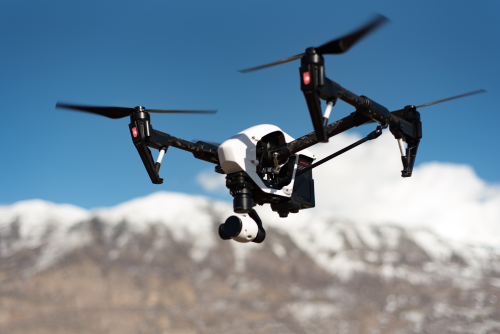
Buying a family drone sounds simple until you realize you are not just buying a camera with propellers. You are buying a mix of learning curve, safety features, travel convenience, repair costs, and legal responsibilities. To choose the best drone for families without overspending or buying the wrong features, the smartest move is to match the drone to who will actually fly it, where it will be used, and what kind of photos or videos your family truly wants.
Quick Take
If you want the shortest useful answer, it is this:
- For most families, the best choice is a lightweight GPS camera drone from a mainstream brand with stable hovering, automatic return-to-home, and a properly stabilized camera.
- If the main users are younger kids, start with a simple toy drone instead of an expensive camera drone.
- If your family mainly wants quick action clips, selfies, and travel moments, a compact self-flying or follow-style drone may fit better than a traditional aerial camera drone.
- For most families, FPV drones are not the right first purchase. They are fun, but they are not the easiest, safest, or most forgiving way to start.
- Do not spend your whole budget on the aircraft alone. Batteries, spare props, a charger, storage, and possible repair coverage matter more than many flashy headline features.
The biggest family buying mistake is paying for “future” features you may never use while skipping the boring features that actually reduce crashes and regret.
Why family drone shopping goes wrong
A lot of family drone purchases fail for one of three reasons:
- The buyer imagines a perfect use case that never happens.
- The drone is too advanced for the people who will actually fly it.
- The budget covers the drone, but not the real ownership costs.
That is why “best drone for families” is not one universal product. A family with a parent who wants smooth vacation video has very different needs from a family buying a first flying gadget for kids. The same is true for a sports-focused family wanting follow shots versus a family that mostly wants scenic holiday footage.
Before you compare models, decide what kind of family buyer you are.
Start with the most important question: who is really the pilot?
This is the part buyers skip, and it creates most regret.
If one adult or older teen will be the primary pilot, you can buy a much more capable drone because someone will actually learn the controls, update firmware, manage batteries, and follow the rules. If the drone is supposedly “for the whole family,” but nobody is prepared to take ownership, it often ends up unused or broken.
A useful way to think about it:
- Younger kids want flying fun: buy simple, cheap, durable.
- Parents want vacation memories: buy stable, portable, easy.
- Teens want creative content: buy image quality and control, but keep the learning curve realistic.
- Adventure families want movement: buy tracking or follow capability, but only if you will use it responsibly and in suitable places.
If you cannot name the main pilot today, do not buy the most advanced drone in the store.
The 5 drone types families should compare
Which type fits your family best?
| Drone type | Best for | Strengths | Where families regret it |
|---|---|---|---|
| Toy drone | Younger kids, indoor practice, basic flying fun | Cheap, low stress, fine for learning orientation and throttle control | Weak camera, poor wind performance, short lifespan, often frustrating outdoors |
| Lightweight GPS camera drone | Most families, vacations, simple aerial photos and video | Easy to carry, stable hover, good camera quality, usually the best balance of simplicity and results | Can struggle in stronger wind, still requires rule-checking and careful flying |
| Mid-size camera drone | Serious hobbyists, parent-teen creator pairs, better image quality | Better wind handling, stronger camera systems, more control | Larger, more expensive, more intimidating, less likely to be carried casually |
| Self-flying or follow-style drone | Sports clips, casual creator families, social-first content | Fast setup, easy auto shots, less pilot workload in some scenarios | Tracking is not magic, limited use in crowded or complex environments, not ideal as a do-everything drone |
| FPV drone | Dedicated enthusiasts, simulator-trained users, immersive flying | Exciting footage, dynamic motion, high fun factor | Steep learning curve, more crashes, more upkeep, poor first family drone choice |
For most families: lightweight GPS camera drones win
This is the sweet spot for family buyers.
A GPS drone uses satellite positioning to hold its place in the air more reliably. That means less drifting, easier hovering, and less stress for new pilots. Pair that with a gimbal, which is a mechanical stabilizer for the camera, and you get smooth footage without needing expert control skills.
This category is usually the best fit for:
- family vacations
- scenic travel video
- beach or countryside shots where flying is permitted
- keeping the kit small enough to actually bring along
- adults and teens who want good results without turning the hobby into a full-time technical project
For many buyers, the safest recommendation is not “buy the biggest or newest drone,” but “buy the smallest drone that still gives you stable, reliable footage.”
When a toy drone makes more sense
If your child mainly wants to learn basic control and have fun in a controlled space, a toy drone is often smarter than an entry-level camera drone. Crashes happen. With a toy drone, that is part of the experience rather than a painful repair bill.
What toy drones are good for:
- learning left-right orientation
- learning gentle throttle control
- supervised indoor fun
- very low-risk first exposure
What they are not good for:
- travel footage
- windy backyard sessions
- reliable smartphone video
- replacing a real camera drone
Parents often overspend because they assume the first drone needs a camera worth keeping. For young beginners, learning to fly usually matters more than image quality.
When to step up to a mid-size camera drone
A larger camera drone can make sense if your family already knows drone use will be a serious hobby or content tool. You may want better low-light performance, better wind handling, or more advanced camera controls.
But this is where overspending happens fast.
Larger drones are harder to justify for families unless:
- one person is committed to learning properly
- you fly often enough to benefit from the upgrade
- you are comfortable carrying a larger kit
- you understand the added repair, compliance, and storage burden
Many families buy into this class because it feels more “serious,” then leave it at home because it is too much hassle.
When a follow-style drone is the better fit
Some families do not really want an aerial photography hobby. They want easier clips of cycling, hiking, skiing, or day trips without learning traditional piloting first.
That is where compact self-flying or follow-style drones can make sense. They can be better for:
- social clips
- quick family selfies in open areas
- active trips
- users who value convenience over maximum camera flexibility
The caution is important: tracking and autonomous flying are not permission to fly near people, roads, trees, or crowded public spaces without care. These systems can help, but they do not remove operational responsibility.
Why FPV is usually the wrong first family drone
FPV stands for first-person view. It is the fast, immersive style of drone flying often associated with goggles and dramatic movement.
FPV can be brilliant for enthusiasts. It is just not the best family starter for most buyers because:
- the crash rate is higher
- learning takes longer
- maintenance is more involved
- safety discipline matters more
- casual scenic video is easier with a normal camera drone
If a teen in the family is excited about FPV, the right starting point is usually a simulator and a separate plan, not replacing the family drone with an FPV setup.
The features worth paying for
When families overspend, it is usually because they buy on marketing language instead of actual usefulness.
These are the features that usually matter most.
1. Stable hover with GPS
This is the single biggest confidence-builder for beginners. A drone that can hold position well is easier to fly, easier to frame shots with, and less stressful in open areas.
2. Automatic return-to-home
This feature helps the drone come back automatically in certain situations, such as low battery or signal loss. It is not a substitute for smart flying, but it is one of the most family-friendly safety features you can buy.
3. A properly stabilized camera
A high resolution spec is less important than stable footage. Smooth video from a stabilized camera beats shaky video with bigger marketing numbers.
4. Beginner mode or gentle flight settings
Families need a drone that can be easy on day one. Lower speed settings, flight assistance, and clear app warnings matter more than extreme performance.
5. Easy battery and charger ecosystem
One battery is rarely enough for a family outing. Look for:
- readily available spare batteries
- simple charging options
- clear battery health information
- parts that are easy to replace later
6. Spare props, parts, and support
A family drone should be repairable. Before buying, check whether you can realistically get:
- spare propellers
- replacement batteries
- cases or prop protection
- manufacturer or retailer support
- repair service in your region
A good drone with poor support can become a bad purchase very quickly.
7. Weight and portability
If the drone is annoying to carry, it will stay home. For family use, the best drone is often the one that is compact enough to join the trip without becoming its own trip.
8. Phone and app compatibility
Many buyers overlook this. Make sure the app works well with the phones or tablets your family actually uses. A great drone tied to a frustrating app experience does not feel great for long.
Features that sound impressive but often waste family budgets
Not every premium feature is bad. It is just not always worth paying for.
Very long range claims
For family buyers, range is often a distraction. In normal safe flying, line-of-sight and local rules matter more than maximum advertised distance. Do not pay extra for numbers you should never need.
Extreme speed
Fast drones sound exciting, but most families want stable footage and confidence, not racing performance.
Pro color profiles and heavy editing features
If nobody in the family grades video, edits professionally, or works in advanced post-production, these features can become expensive clutter.
Multi-camera complexity
Extra lenses can be useful for serious creators, but they are often unnecessary for first-time family buyers. More camera options do not automatically mean more usable family memories.
Obstacle sensing upgrades you will not really use
Obstacle sensing can be genuinely helpful, especially for beginners. But it is not magic, and it adds cost. If you mainly fly in open areas and stay conservative, you may not need the most expensive sensing package available.
Buying a bigger drone “to grow into”
This sounds rational. Often it is not. Most families are better served by buying for the next 12 to 18 months of actual use, not the fantasy version of future use.
Set a real budget, not just a drone budget
The aircraft is only part of the spend.
A realistic family drone budget should also consider:
- at least one extra battery
- a charging hub or simple travel charging solution
- spare propellers
- a memory card if required
- a case or bag
- propeller guards if suitable for the model and use case
- optional repair coverage or care plan
- replacement cost anxiety if children will be involved
A good rule: if your budget only works for the drone itself and nothing else, you are probably shopping one class too high.
Another smart way to save money is to buy last generation rather than newest generation, especially from a mainstream brand with ongoing parts and app support. Manufacturer-refurbished units can also be sensible if warranty and battery condition are clearly explained.
A simple 7-step framework to choose the right family drone
How to make the decision without overthinking it
1. Pick your main use case
Choose one primary goal, not five.
Examples:
- family vacations
- kids learning to fly
- scenic photos and video
- sports and follow clips
- creator-focused content
If a drone is only “sort of okay” at your main use case, it is not the right buy.
2. Choose the real pilot
Name the person who will handle setup, updates, batteries, and safety checks. If that person is a parent or older teen, buy accordingly.
3. Decide whether image quality or simplicity matters more
If simplicity matters more, stay lightweight and beginner-focused.
If image quality matters more and you will actually edit, then a larger camera drone may be worth it.
4. Match the drone to your local environment
Think about where you live and travel.
- Windy coastlines or mountain areas may frustrate very small drones.
- Tight suburban backyards are not ideal for first flights.
- Apartment families may think indoor flying is easier, but it can actually be harder with larger drones.
5. Check the ownership ecosystem
Do not just compare flight specs. Compare:
- parts availability
- battery availability
- app reputation
- repair path
- local retailer support
6. Verify legal and travel practicality
Before buying, check what your local aviation authority and common travel destinations require. If you travel often, portability and compliance simplicity may matter more than raw performance.
7. Buy the least drone that fully meets your real need
This is the best anti-overspending rule in the whole category.
If a lighter, simpler drone will get the shots your family wants, that is the better purchase.
Safety, legal, and travel checks families should not skip
Drones are not just consumer gadgets. In many places, they are regulated aircraft systems.
Before your first flight, verify the rules that apply where you live and where you travel. Requirements can vary by country, region, park, beach, city, and protected site.
At minimum, families should check:
-
Registration and pilot requirements
Some jurisdictions require registration, training, or other steps depending on the drone and how it is used. -
Age and supervision expectations
Children should be supervised, and some rules or manufacturer guidance may affect who should operate the drone. -
Location restrictions
Parks, beaches, resorts, heritage sites, and urban areas may have separate restrictions even if drone use is legal more broadly. -
People and privacy risk
Do not fly over crowds, close to uninvolved people, or in ways that intrude on privacy. -
Travel and airline battery rules
Airlines and border authorities may have specific rules for lithium batteries, packing, and carriage. Verify these before travel. -
Weather and wind
Light family drones can become risky or frustrating in poor conditions. -
Autonomous features
Follow modes, tracking, and automated shots still require judgment. They are tools, not permission slips.
One important global reminder: a lightweight drone may reduce regulatory burden in some places, but it does not automatically make every flight legal or safe.
Common mistakes families make when buying a drone
What people get wrong
Buying a toy drone and expecting travel-quality footage
Toy drones are for learning and fun, not meaningful camera results.
Buying a premium drone for children who have never flown
A first crash on an expensive drone can end the hobby before it begins.
Choosing based on speed or range
These features are easy to market and rarely the reason families stay happy with a purchase.
Ignoring wind performance
A tiny drone that looks perfect indoors on a product page may be frustrating where you actually live.
Underestimating app and setup friction
If takeoff requires too much updating, pairing, charging, and troubleshooting, casual family use drops fast.
Thinking indoor flying is automatically safer
Indoor flying can be harder because of tighter spaces, obstacles, pets, and people. A bigger drone indoors is often a bad idea.
Skipping spare batteries
A single battery can make an outing feel rushed and disappointing.
Buying for “someday”
If you are paying extra for pro workflow features you do not understand yet, that is usually overspending, not future-proofing.
FAQ
Is a sub-250g drone always the best choice for families?
Not always, but often. A very light drone is easier to carry and may have fewer regulatory burdens in some places. That said, some lightweight drones struggle more in wind, and rules still vary by location. If your family lives in windy conditions or wants stronger camera performance, a slightly larger drone may be the better fit.
Should kids start with a camera drone or a toy drone?
Usually a toy drone first, especially for younger children. It teaches basic control without putting an expensive camera system at risk. Once a child shows patience, control, and consistent interest, it makes more sense to move up to a camera drone under supervision.
Are obstacle sensors worth paying for on a family drone?
They can be, especially for beginners, but they should not be the only reason to buy a more expensive drone. Sensors help reduce some mistakes, but they do not replace careful flying. If you mostly fly in open spaces and stay conservative, you may not need the highest-end sensing package.
How many batteries does a family drone need?
For most families, more than one. A single battery often makes the experience too short and rushed. Two or three batteries usually create a more relaxed outing and give enough time to practice, reframe shots, and let more than one supervised user try flying.
Is a refurbished drone a smart way to save money?
It can be, especially if it is manufacturer-refurbished or sold by a reputable retailer with a clear warranty. Check battery condition, return terms, and support coverage. Saving money upfront is only a good deal if the drone still has a reliable repair and replacement path.
Can families travel internationally with a drone?
Yes, but only after checking the rules for each destination and each airline. Drone laws, park restrictions, customs expectations, and battery rules differ widely. Never assume your home-country setup carries over automatically. Verify before the trip, not at the airport or after arrival.
Should a family buy a care plan or repair coverage?
If the drone is expensive, will travel often, or may be used by beginners, repair coverage can make sense. It is especially valuable when replacement parts are costly or turnaround time matters. For very cheap toy drones, it is usually unnecessary. For a mainstream camera drone, it can be a smart stress reducer.
What is the best family drone if we want both kids’ fun and good vacation video?
In many cases, the best answer is actually two-stage buying: a toy drone for kids to learn with and a lightweight GPS camera drone for supervised family photos and travel footage. Trying to force one drone to do both jobs often leads to compromise and disappointment.
Final decision
If you want the most dependable answer, here it is: the best drone for families is usually a lightweight GPS camera drone with strong beginner support, reliable return-to-home, easy battery management, and good parts availability. If your main goal is letting younger kids learn and play, start cheaper with a toy drone. If your main goal is quick social clips during active trips, consider a follow-style drone instead of a traditional camera drone.
Before you buy, write down three things: who will fly it, where you will use it most, and what footage you actually want. If the drone you are considering does not clearly fit those three answers, it is probably the wrong one.
