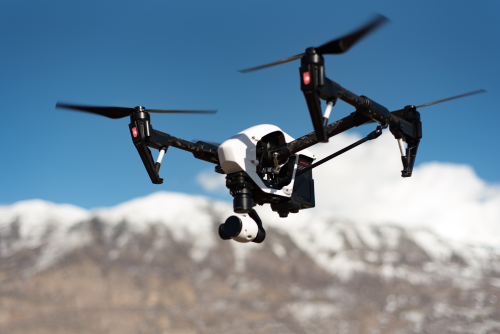
Hiking changes what “best drone” really means. The right drone for a trail, ridge, or backpacking trip is rarely the one with the biggest spec sheet. If you want to choose the best drone for hikers without overspending or buying the wrong features, focus on carry weight, wind handling, battery practicality, and the kind of footage you will actually use.
Quick Take
For most hikers, the sweet spot is a lightweight foldable camera drone with a stabilized gimbal, simple controls, and batteries you can realistically carry and recharge.
Key points:
- Buy for your hiking style first, not for marketing claims.
- Total kit weight matters more than drone weight alone.
- Real-world flight time on a trail is usually much shorter than the number on the box.
- If you hike in exposed mountains, coastlines, or ridgelines, wind performance matters more than ultra-low weight.
- If you mainly post to social media or share trip clips, you probably do not need to pay extra for advanced pro video features.
- Obstacle sensing helps, but it is not a substitute for careful piloting in trees, canyons, or uneven terrain.
- Sub-250 g drones can reduce regulatory friction in some places, but they are not rule-free. Always verify local aviation and park rules.
- The biggest buyer regret is usually not “I should have bought more drone.” It is “I bought too much drone to enjoy carrying.”
What the best hiking drone usually looks like
There is no single best drone for every hiker. There are better fits for different kinds of hikes.
| Hiker profile | Best-fit drone class | What to prioritize | What to avoid paying extra for |
|---|---|---|---|
| Casual day hiker | Lightweight sub-250 g foldable camera drone | Low pack weight, fast setup, stable 4K video, simple controller | Pro video formats, oversized bundles, niche camera modes |
| Travel hiker and social creator | Premium lightweight or compact foldable camera drone | Good stabilization, reliable app, vertical-friendly framing options, decent low-light performance | Large pro workflows if you do not edit heavily |
| Mountain, alpine, or coastal hiker | Slightly larger compact drone with stronger wind handling | Better stability, stronger motors, more confident return performance, brighter transmission view | Extreme portability if it compromises control in gusts |
| Dedicated filmmaker who hikes for the shot | Creator-focused camera drone, only if you plan the hike around it | Larger sensor, better dynamic range, editing flexibility, spare power strategy | Buying small just to save weight if image quality is the whole goal |
If you are unsure which row you fit, you are probably in the first or second group.
Start with the hike, not the drone
Before comparing brands or bundles, answer four questions:
- How far and how often do you hike with a drone?
- Do you mostly hike in forests, open landscapes, mountains, or coastlines?
- Are you making memories, social clips, or polished edited work?
- Will you have a reliable way to recharge in the field?
These answers will narrow your choice faster than any feature list.
A drone that feels tiny in a store can feel heavy after six hours on a trail, especially once you add:
- Controller
- Spare batteries
- Charger or charging hub
- Power bank
- Prop guards or spare props
- Case
- Filters
- Cables
The wrong hiking drone is often not a bad drone. It is a good drone that does not fit how you travel.
The features that matter most for hikers
Total carry weight, not just drone weight
Hikers should compare full kit weight, not the aircraft alone.
A larger drone may only seem slightly heavier on paper, but the real penalty is the system around it: bigger batteries, bulkier charger, larger case, and less room for water, layers, food, or safety gear.
For most people, lighter wins because a drone you happily carry is a drone you actually use. But there is a limit. Going too light can mean weaker wind resistance, shorter real flights, and less confidence in rough conditions.
A good rule:
- Choose the lightest class that still handles your usual terrain.
- Size up one class if you regularly fly in exposed wind or care deeply about image quality.
Real-world battery life and charging
This is where many hikers overspend or miscalculate.
Manufacturer flight times are usually measured in ideal conditions. On a hike, you may be dealing with:
- Wind
- Frequent takeoffs and landings
- Cold temperatures
- Elevation changes
- Hovering for composition
- More conservative battery margins for a long walk back
That means “one battery is enough” often turns into “I flew once and started rationing.”
What matters more than advertised time:
- Battery cost
- Battery weight
- How the batteries charge
- Whether you can recharge from a power bank or compact field setup
- How many flights you realistically want per hike
For a casual day hiker, two batteries may be enough. For a content-focused hiker, three is often safer. For multi-day trips, charging strategy becomes more important than the drone itself.
If a drone needs a bulky charging setup or proprietary accessories that are hard to replace, factor that in before you buy.
Wind performance and terrain handling
This is one of the biggest differences between a drone that feels fun and one that feels stressful.
Hiking often puts you in windier places than city or backyard flying:
- Ridgelines
- Clifftops
- Mountain passes
- Coastal lookouts
- Open valleys
Lightweight drones are easier to carry, but they can work much harder in gusts. That affects stability, battery drain, and your willingness to launch.
If your hikes are mostly sheltered forests and short viewpoints, an ultralight drone can be a great choice. If your hikes regularly end on exposed peaks or beaches, prioritize stronger wind handling even if the drone is a bit heavier.
Do not judge wind only from what you feel on the ground. Conditions can be stronger at the drone’s operating height or near terrain edges.
Camera quality you will actually use
Most hikers do not need the most advanced camera package on the market.
For trail footage and travel memories, the priorities are usually:
- A proper stabilized gimbal
- Clean 4K video
- Good automatic exposure
- Decent dynamic range in bright landscapes
- Reliable photo quality in changing light
If you are a more advanced creator, then a larger sensor and a log profile can matter. A log profile is a flatter video look that preserves more editing flexibility later. But it only pays off if you color grade your footage.
What many hikers overestimate:
- 8K resolution
- Heavy professional codecs
- Extreme slow motion
- Telephoto cameras for occasional novelty shots
In practice, the difference between “good enough and easy to use” and “technically better but harder to carry, edit, and power” is where overspending happens.
Controller workflow and setup speed
A hiking drone should be easy to launch, easy to land, and easy to operate when you are tired, cold, or standing in uneven terrain.
Think about:
- How long it takes to get airborne
- Whether the controller depends on your phone
- Screen visibility in bright sun
- How much it drains your phone battery
- How easy it is to pack and unpack quickly
A built-in screen controller can be more convenient on a trail, especially in bright conditions or when you do not want to cable your phone every time. But it adds cost and weight.
A phone-based controller is often lighter and cheaper, but setup can be slower, and your phone may already be busy with maps, emergency contacts, and trip planning.
If you hike for scenery and spontaneous short flights, low-friction setup matters more than many buyers expect.
Safety features that are actually useful on a hike
Some safety features are worth paying for. Some are easy to overvalue.
Useful for hikers:
- Stable GPS positioning
- Reliable return-to-home
- Downward sensors for steadier hover and landing help
- Forward obstacle sensing for beginners or solo creators
- Good low-battery warnings
- Strong signal reliability
Nice, but not always essential:
- Full omnidirectional obstacle sensing
- Advanced subject tracking
- Complex autonomous routes
Why the caution? Trees, branches, low light, narrow clearings, and changing terrain can confuse or limit obstacle systems. These features help, but they do not make forest flying “safe by default.”
Also remember that return-to-home usually goes back to the recorded home point. If you launch, walk far down the trail, and expect the drone to come to you automatically, you may be disappointed or create risk.
Reliability, repair support, and spare parts
Hikers should not buy purely on price.
A cheaper drone can become more expensive if:
- Batteries are hard to find
- Props are proprietary or slow to ship
- The app is unreliable
- Firmware support is weak
- Repair options are poor in your region
Trail flying means dust, uneven takeoff spots, surprise gusts, and the occasional branch strike. A brand with solid accessory availability and repair support is worth more than a spec advantage you may never notice.
Before buying, check whether you can easily get:
- Spare batteries
- Spare propellers
- Replacement charger or cables
- Service or repair in your country or region
Weather tolerance and pack protection
Most consumer camera drones are not made for rain. Even when conditions look manageable, mist, drizzle, and sudden weather shifts on trails can end a flight quickly.
Instead of assuming a drone is weatherproof, plan around protection:
- Use a dry bag or weather-resistant pouch
- Keep batteries warm in cold environments
- Avoid taking off in precipitation unless the drone is explicitly rated for it
- Expect cold temperatures to reduce battery performance
If your hikes are often wet, snowy, or highly variable, portability and fast packing may matter more than camera upgrades.
Features hikers often overpay for
Here are the most common “sounds impressive, matters less” features for hiking buyers.
Ultra-high resolution video
If you mainly post online, make travel edits, or watch footage on phones and laptops, resolution alone is rarely the best use of your budget. Stabilization, dynamic range, and ease of use often improve your real results more than headline resolution.
Heavy pro video workflows
Higher-end recording formats can be excellent for professionals. But they create larger files, longer backup times, more demanding editing, and often more storage pressure on a trip.
If you do not already edit seriously, these features usually add complexity before they add value.
Telephoto cameras
A second camera can be useful, but many hiking buyers imagine using it far more than they actually do. If your drone budget is limited, put that money into reliability, spare batteries, or better wind performance first.
Full obstacle sensing for every direction
Helpful, yes. Essential for every hiker, no.
If most of your flights are above open landscapes and you fly conservatively, you may not need to pay a premium for maximum sensor coverage. If you are a beginner, frequently fly near trees, or film yourself solo, it can be worth more.
Speed and sport-focused marketing
Most hiking footage looks better when smooth, deliberate, and stable. Unless you are filming action sports or already know you need faster movement, top speed should not drive your buying decision.
An FPV kit when what you want is scenic footage
FPV means first-person view flying, usually with goggles and a more immersive, agile style. It can be amazing for dynamic action. It is usually the wrong first choice for hikers who mainly want easy landscape shots, quick takeoffs, and simple travel workflow.
If you already fly FPV, that is different. But for most hikers, a standard camera drone is the better buy.
How to choose in 5 practical steps
1. Pick your drone class
Choose one of these:
- Lightweight hiking drone: best for most hikers
- Compact mid-size drone: best for windier terrain and more serious image quality
- Creator-focused larger drone: best only when content quality is central to the trip
If you cannot confidently justify the third class, do not buy it.
2. Set a real kit budget
Do not budget for the drone only. Budget for:
- At least one spare battery
- Spare props
- A charging solution
- Storage card or media
- A carry method that fits your backpack
A cheaper drone with the right full kit is often better than a pricier drone with only one battery.
3. Decide whether you need creator features
Ask yourself:
- Will I color grade footage?
- Do I print photos or crop heavily?
- Do I shoot at dawn, dusk, or high contrast light often?
- Will this drone help me create work, not just memories?
If most answers are no, you probably do not need to pay for higher-end camera features.
4. Match the drone to your terrain
- Mostly forests and short scenic stops: go lighter
- Mostly open mountains or coast: size up for wind confidence
- Mostly travel and mixed sightseeing: choose portability and easy setup
- Mostly action filming: consider whether a camera drone plus handheld camera makes more sense than going deeper into drone complexity
5. Buy the version you will actually carry
The best setup is the one that does not feel like a burden. If a drone makes you hesitate before packing it, you bought too much.
Safety, legal, and travel checks hikers should not skip
Even for a buying guide, this part matters because the “best” hiking drone can become the wrong one if you cannot legally or safely use it where you hike.
Rules vary more than buyers expect
Drone rules differ by country, region, and sometimes by site. Before flying, verify:
- Aviation authority rules where you will fly
- Registration or operator requirements
- Pilot competency or training requirements
- Altitude limits
- Visual line of sight rules
- Restrictions near people, roads, or structures
- Any electronic identification or local compliance requirements
Do not assume a light drone is exempt everywhere.
Parks and protected areas are a separate check
A location can be legal in airspace terms and still prohibit drone takeoff, landing, or operation under park or land-management rules.
Always check:
- National parks
- Nature reserves
- Protected beaches
- Heritage sites
- Trail systems
- Local municipal parks
This is especially important for travelers, because drone policies at scenic destinations are often stricter than people expect.
Wildlife and trail etiquette matter
Even where flying is legal, it may still be irresponsible.
Avoid flying near:
- Nesting birds
- Marine mammals
- Livestock
- Crowded lookouts
- Campsites
- Rescue or emergency scenes
If animals react to your drone, increase distance or land. And if other hikers have made the effort to reach a quiet place, do not turn it into a buzzing launch zone unless there is clear space and reasonable timing.
Travel and batteries need advance planning
If you fly while traveling, verify:
- Airline rules for lithium batteries
- Carry-on requirements for drone batteries
- Battery terminal protection rules
- Customs or import restrictions in destination countries
- Whether your drone’s maps, firmware, or geo-restriction system may require setup before the trip
Do this before departure, not at the airport.
Common mistakes hikers make when buying a drone
Buying based on advertised flight time
Trail conditions are rarely ideal. Buy based on practical power planning, not brochure numbers.
Ignoring the full kit weight
The drone is only part of what you carry.
Assuming sub-250 g means “no rules”
Sometimes it reduces friction. It never means you should stop checking.
Buying too cheap
A budget drone with weak stabilization, poor app reliability, or no spare parts support often becomes a frustrating dust collector.
Buying too much drone
A heavier creator drone may look like the smart long-term purchase, but if it stays home on half your hikes, it was not the right fit.
Trusting obstacle sensing too much
Sensors help. Branches, thin twigs, and uneven terrain still win.
Forgetting about cold and wind
Batteries drain faster, and light drones work harder. Build more margin into every flight.
FAQ
Is a sub-250 g drone always the best choice for hikers?
Not always. It is usually the best starting point because it saves weight and may face fewer restrictions in some places, but it can be less confident in strong wind. If you regularly hike exposed terrain, a slightly larger drone may be the better buy.
How many batteries should a hiking drone setup include?
For many day hikers, two batteries is a practical minimum and three is comfortable. For multi-day trips, the more important question is how you will recharge them without carrying too much extra weight.
Do hikers really need obstacle avoidance?
Some do. It is useful for beginners, solo creators, and people who often fly near trees or uneven terrain. But it is not a substitute for skill, visibility, and conservative flying.
Should I buy a drone with a built-in screen controller?
It depends on your workflow. A built-in screen can make trail launches faster and easier in bright sunlight, but it adds cost and some extra weight. If you already prefer using your phone and want the lightest kit, a standard controller may be enough.
Is FPV a good option for hiking trips?
Usually not as a first hiking drone. FPV gear is more specialized, often requires more batteries and accessories, and is less convenient for quick scenic flights. If your goal is smooth travel footage and easy packing, a standard camera drone is usually the better fit.
Can I fly a drone in national parks or on famous hiking trails?
Sometimes, but often not. Rules vary widely and many protected areas ban drone operations or restrict takeoff and landing even when surrounding airspace may appear legal. Always verify both aviation rules and land-management policies for the exact location.
Do I need a larger sensor for hiking photos and video?
Only if image quality is a major reason you are buying the drone. A larger sensor can help in difficult light and provide more editing flexibility, but many hikers will get excellent results from a lighter drone with a smaller sensor and better portability.
Is the “fly more” style bundle worth it for hikers?
Usually, yes, if it includes batteries and a compact charging solution you will actually use. It is less worth it if the extra case is bulky, the accessories stay at home, or the added kit weight pushes the drone out of your backpack.
The smart buy for most hikers
If you want the safest decision, buy the lightest foldable camera drone that gives you reliable stabilization, realistic battery workflow, and enough wind confidence for your usual terrain.
If your hikes are mostly casual and scenic, stay light. If they are exposed and windy, size up one class. If you are not already editing like a serious creator, do not pay creator-level money for features that will just add weight, cost, and friction.
