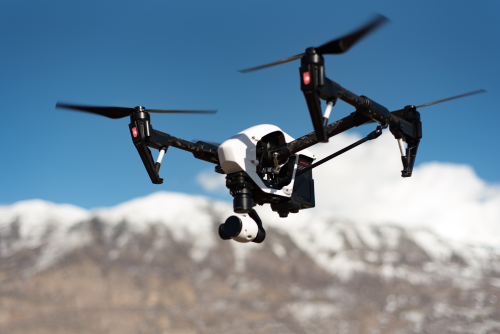
Buying a first drone for your child or family can go wrong in two expensive ways: buying too cheap and getting a frustrating toy, or buying too much drone and paying for features you will barely use. The best first choice is usually the one that is easiest to learn, safest to recover from mistakes, and cheapest to keep flying over the first six months. If you are trying to choose the best drone for parents buying a first drone without overspending or buying the wrong features, start with the pilot, the flying environment, and the real purpose, not the marketing headline.
Quick Take
For most parents, the best first drone is not the fastest, highest-resolution, or most feature-packed model. It is the drone that fits the child’s age, your supervision level, the space available to fly, and how upset you would be if it hit a tree on day three.
Here is the short version:
- For younger kids and casual supervised fun, a small, durable drone with propeller guards is usually smarter than a camera drone.
- For families who actually want stable outdoor flying, travel clips, and room to grow, a lightweight GPS camera drone is often the sweet spot.
- For teens interested in racing or flips, full FPV should not be the first purchase. Start with a simulator or a tiny indoor micro drone.
- Spend money on stability, battery availability, spare parts, and support before paying for premium camera features.
- Do not assume a light drone is rule-free. Registration, age limits, airspace rules, park rules, and privacy laws vary by country and sometimes by city or venue.
- If your budget is tight, a reputable refurbished drone from an established brand often makes more sense than a brand-new no-name drone with inflated specs.
The first question: who is the real first pilot?
Parents often shop as if they are buying for “the family,” but the right drone changes a lot depending on who will actually fly most of the time.
Use this rule of thumb
| Buyer situation | Best starting point | Why it fits | Biggest mistake |
|---|---|---|---|
| Young child, mostly indoor or backyard fun | Small protected beginner drone | Lower cost, less intimidating, easier to survive bumps | Buying a fragile camera drone too early |
| Older child or teen who wants to learn real drone flying | Lightweight GPS camera drone | Stable hover, easier control, better long-term value | Starting with a cheap unstable toy that teaches bad habits |
| Parent wants family vacation photos and simple clips | Easy-to-use camera drone or simple selfie-style drone | Better camera and predictable flight | Paying for pro-level camera features you will not edit or use |
| Teen wants speed, tricks, or racing | Simulator first, then micro FPV | Safer learning path and lower crash cost | Buying a fast outdoor FPV drone as the first aircraft |
| Family wants “one drone for everyone” | Simple GPS camera drone with beginner modes | Best balance of learning, safety, and usefulness | Assuming one drone can be equally good indoors, outdoors, cinematic, and stunt-ready |
Age matters, but maturity matters more
A careful 12-year-old may handle a real beginner camera drone better than a reckless 16-year-old. What you are looking for is:
- ability to follow instructions
- patience during setup and updates
- willingness to practice in a safe open area
- understanding that drones are aircraft, not toys once they leave the living room
- comfort stopping when wind, crowds, or battery levels make flying a bad idea
If the child is very young, or if you know attention span will be short, start cheaper and simpler. If the parent will fly too and wants a useful camera platform, it can be worth skipping the toy stage.
Choose the drone class before you compare brands
A lot of buyer regret comes from comparing models before deciding what type of drone you actually need.
The four first-drone categories that matter most
Small trainer or toy drone
This is the right pick when the goal is basic stick control, short indoor sessions, and crash-friendly fun.
Best for:
- younger kids
- tight budgets
- indoor practice
- parents unsure whether interest will last
Strengths:
- low replacement cost
- usually simple to use
- less stressful for first flights
- some have prop guards that reduce damage and finger injuries
Limits:
- poor wind performance outdoors
- short battery life
- weak cameras or no useful camera at all
- no GPS hold on many models, so they drift more and require constant correction
When parents overspend, this is often the class they should have bought first. But when parents underspend, this is also the class they choose by mistake for a child who really wanted usable outdoor video.
Lightweight GPS camera drone
This is the best first-drone category for many families. GPS here means the drone uses satellite positioning to hold its place more steadily outdoors, and usually includes features like return-to-home. Return-to-home is an automated function that brings the drone back toward the launch point if signal drops or the pilot commands it. It is helpful, but not magic.
Best for:
- older children and teens
- parents who want vacation or family footage
- beginners who want an aircraft that can grow with them
- buyers who prefer stability over stunt flying
Strengths:
- easier outdoor hovering
- smoother video, often with a gimbal, which is a motorized camera stabilizer
- better app support and safety features
- stronger resale value
- more realistic path into long-term drone use
Limits:
- higher replacement cost after a crash
- still vulnerable to trees, power lines, and wind
- may trigger more legal and setup obligations depending on local rules
- some models are marketed heavily on camera specs that beginners will not fully use
For many households, this is the sweet spot. If you are already thinking about travel, nature clips, or learning a real drone workflow, this is usually the correct class.
Selfie or follow-focused drone
These compact drones prioritize simplicity, quick clips, and casual social content over traditional piloting.
Best for:
- parents who want very easy family footage
- kids or teens more interested in fun clips than learning full flight control
- short travel or walking shots
Strengths:
- easier launch workflow
- often less intimidating than a full remote-and-gimbal camera drone
- good for quick personal content
Limits:
- may be more limited in wind or range
- can be less flexible for learning broader drone skills
- “follow” features should never be treated as permission for careless or unsupervised flight
This category can be excellent for convenience, but it is often a bad choice if the real goal is to learn how to fly properly.
FPV drone
FPV means first-person view, where the pilot often flies through goggles or a more immersive live view. This is the exciting side of the hobby, but not usually the best place for a first family purchase.
Best for:
- highly motivated teens
- hobbyists willing to practice in simulators
- people specifically interested in racing, acro, or action-style flying
Strengths:
- exciting and skill-driven
- strong hobby progression
- unique flying experience
Limits:
- steep learning curve
- higher crash frequency
- more setup, maintenance, and battery management
- less forgiving for casual family use
If your child wants FPV because it looks exciting online, start with a simulator and a small micro setup, not a larger outdoor rig.
The features worth paying for on a first drone
Not every “premium” feature is worth your money. Some genuinely reduce frustration and improve safety. Those are the ones that matter first.
1. Stable hover and reliable positioning
A drone that drifts constantly creates panic and teaches bad habits. Outdoor beginners benefit massively from stable positioning.
Prioritize:
- GPS or equivalent outdoor positioning
- consistent hover performance
- calm, predictable controls
2. Return-to-home
This can save a beginner from a bad orientation mistake or a weak signal moment. It is not foolproof, but it is one of the few features that can justify spending more.
3. Good app and setup experience
A badly designed app, confusing firmware updates, or unreliable connection can ruin the first week.
Look for:
- clear setup steps
- straightforward battery and flight status indicators
- easy beginner modes
- a strong support ecosystem
4. Spare parts and repair support
A drone is not a one-time purchase. Props break. Batteries age. Arms or guards can get damaged.
Good signs:
- spare propellers are easy to find
- batteries are still sold widely
- the manufacturer or local dealers offer repair or replacement paths
- there is a healthy user community for troubleshooting
5. Battery availability
A first drone with only one short battery often disappoints fast. Two or three total batteries is a practical target for most families.
6. Beginner-friendly safety features
Helpful features include:
- low-battery warnings
- clear signal alerts
- return-to-home
- altitude or beginner limits
- propeller guards, when available and appropriate
Features most parents can skip at first
This is where overspending happens.
Ultra-high video resolution
Many first-time buyers chase 5.4K, 6K, or 8K marketing. Most family users will watch clips on phones, tablets, TVs, or social platforms. Stable footage matters more than headline resolution.
Pro color profiles and advanced grading tools
If nobody in the house edits video seriously, you probably do not need flat color profiles, log recording, or advanced manual image workflows on day one.
Telephoto or multi-camera systems
These are useful for experienced creators or specific jobs, not most first-drone families.
Maximum speed claims
A faster drone is not a better beginner drone. It is often a more expensive crash.
Long-range marketing
You should be focused on safe local flying in a clear visual line of sight, subject to your local rules. Huge range claims are one of the least useful buying criteria for parents.
Omnidirectional obstacle avoidance as a “must-have”
Obstacle sensing can help, but it does not replace judgment. It may also fail in certain lighting conditions, thin branches, wires, or unusual angles. It is nice to have, not a substitute for learning.
Expensive controllers with built-in screens
These can be convenient, but they are usually a comfort upgrade, not a must-have first purchase.
A realistic first-drone budget
The drone body is only part of the cost. Total ownership usually includes:
- the drone
- controller or compatible phone/tablet setup
- extra batteries
- spare props
- charger or charging hub
- case or safe storage
- possible registration or training costs, depending on your country
- possible repair or replacement expenses
Budget bands that make practical sense
| Rough budget band | What you should expect | Best for | Risk to watch |
|---|---|---|---|
| Low budget | Small trainer drone, basic fun, limited outdoor use | Younger kids, low commitment | Frustration outdoors, weak camera |
| Lower-mid budget | Better quality beginner drone or refurbished model from a known brand | First serious learning | Temptation to buy no-name “spec monster” instead |
| Mid budget sweet spot | Lightweight GPS camera drone with useful stabilization | Families, travel, teens, long-term value | Buying too many accessories too early |
| Premium beginner stretch | Better camera or more safety features | Parent also wants creator-grade results | Diminishing returns for a true first-time flyer |
If you are close to the border between a cheap toy and a real entry camera drone, it is often better to save a little longer and buy the more stable option. But if the child is very young or likely to lose interest, start small and cheap.
Refurbished can be the smartest buy
A reputable refurbished drone can be a better value than a brand-new budget drone from an unknown brand. Just make sure you have:
- a return window
- battery health clarity if provided
- available spare parts
- a trustworthy seller
- no signs the product line is already abandoned
A simple buying checklist for parents
Use this in order. It will prevent most regret.
1. Decide the actual mission
Ask:
- Is this for play, photography, travel, or skill-building?
- Indoors, backyard, park, or open field?
- Is the child the main pilot, or will the parent fly half the time?
2. Decide your crash tolerance
Be honest. If a broken arm, lost drone, or tree impact would feel catastrophic, do not buy too advanced a drone first.
3. Match the drone class to that mission
- indoor fun: small protected trainer
- outdoor learning and family footage: lightweight GPS camera drone
- quick selfies and casual content: easy selfie-style drone
- racing or tricks: simulator, then micro FPV
4. Prioritize stability and support over camera hype
A stable 4K drone is better than an unstable drone claiming bigger numbers.
5. Check spare parts and batteries before buying
This matters more than many first-time buyers realize.
6. Verify where you can legally and safely fly
Do this before ordering, not after. In some places the purchase is easy but the legal places to fly are limited.
7. Buy only the useful extras
Start with:
- extra batteries
- spare props
- a basic case
- prop guards if the model supports them and your use case benefits
Skip the expensive add-ons until the drone proves it will be used regularly.
Safety, legal, and compliance checks parents should do
Even a first family drone can trigger real legal responsibilities. Rules vary widely, so verify with your national civil aviation authority and, where relevant, local park, property, school, or event rules.
Check these before the first flight:
Registration and operator requirements
Some countries require registration based on weight, camera presence, intended use, or operator category. Some require an online test or competency step. Some have minimum age rules, or require adult supervision.
Where flying is allowed
Do not assume an open space is legal.
Verify:
- airport and heliport proximity
- restricted or sensitive airspace
- national parks or protected areas
- city parks and beaches
- school grounds
- sports venues or event areas
- private property permission where needed
Privacy and filming
A child with a camera drone can accidentally create privacy issues fast. Teach them not to hover near homes, windows, schools, or strangers.
Weather and wind
Small drones can struggle in wind that feels mild from the ground. Beginners should avoid strong wind, rain, and low-visibility conditions unless the manufacturer clearly supports those conditions and the pilot is properly prepared.
Battery safety
Lithium batteries need sensible handling.
Basic habits:
- charge on a stable non-flammable surface
- stop using damaged or swollen batteries
- let batteries cool before recharging after flight
- do not leave charging batteries unattended for long periods
Common mistakes parents make
Buying by camera resolution alone
Better footage comes from stability, a calm pilot, and decent light, not just bigger spec numbers.
Buying a toy drone for windy outdoor use
Cheap drones can be fun indoors, but they often disappoint immediately outdoors.
Buying a camera drone for a child who mostly wants stunts
That usually ends in boredom. If the dream is flips, speed, and racing, a camera drone is the wrong answer.
Assuming “under 250g” means no rules
In some countries lighter drones have simpler requirements, but not everywhere. Always verify.
Paying for obstacle avoidance instead of teaching judgment
Sensors help. They do not see everything, and they do not replace safe separation from people, trees, wires, or buildings.
Ignoring support and spare parts
A low-priced drone with no battery stock and no props available is often more expensive in practice.
Buying too many accessories on day one
Many families do not need premium filters, giant hard cases, or a stack of six batteries immediately.
What the best choice looks like in common parent scenarios
“My child is 8, and I just want something fun and safe-ish to start with.”
Buy a small, inexpensive beginner drone with propeller protection. Keep expectations focused on basic control, not polished video.
“My teen wants a real drone and might stay with the hobby.”
Buy a lightweight GPS camera drone from an established brand. This is where stability, repair support, and resale value matter.
“I also want to use it for vacations and family trips.”
A compact camera drone is usually the right answer. Portability, fast setup, and predictable flight are worth more than pro-level image features.
“My kid watches FPV videos and wants that.”
Do not start with a large outdoor FPV setup. Start with a simulator and, if interest holds, move to a tiny micro FPV path.
“I am worried we will spend too much and it will sit in a drawer.”
Start with a clear use case and a hard cap. If you are uncertain about long-term interest, buy simple, or buy refurbished.
FAQ
Should parents buy a toy drone first or go straight to a camera drone?
It depends on the child and the goal. If the pilot is young and the goal is pure fun or learning basic controls, start with a small protected drone. If the pilot is older and the goal is real outdoor flying or useful video, going straight to a beginner camera drone often saves money and frustration in the long run.
What is the best first-drone feature for beginners?
Stable positioning is usually the most valuable. A drone that hovers predictably and gives clear battery and signal information is easier to learn than a drone with flashy but rarely used features.
Do we really need obstacle avoidance?
Not necessarily. It can help, but it adds cost and can create false confidence. For many first-time buyers, good stability, return-to-home, and disciplined flying are more important.
How many batteries should a first drone include?
One is rarely enough. Two or three total batteries usually gives a much better first experience without overspending.
Is a refurbished drone safe to buy?
Yes, if it comes from a reputable seller or manufacturer-backed program with a return policy and available spare parts. Avoid unverified used listings if you cannot assess condition, battery health, or repair history.
Is a lighter drone always better for parents?
Not always. Lighter drones may be easier to carry and may face fewer restrictions in some places, but they can also be more affected by wind. Choose based on your flying conditions, not just weight alone.
Can my child legally fly a drone alone?
That depends on local law. Some countries set minimum age rules or require adult supervision, registration, or training. Always verify current rules with your aviation authority before letting a child fly independently.
What accessories are actually worth buying with the first drone?
Start with extra batteries, spare propellers, and a basic case or storage solution. Add other accessories later only if you know the drone is being used regularly.
Final decision
If you want the shortest possible answer, here it is: buy the simplest drone that can do the job you actually care about for the next six months. For younger kids, that usually means a durable trainer. For older kids, teens, and families who want useful outdoor footage, it usually means a lightweight GPS camera drone with good support and spare parts. Choose stability over hype, support over spec-sheet bragging rights, and a realistic learning path over the most exciting marketing video.
