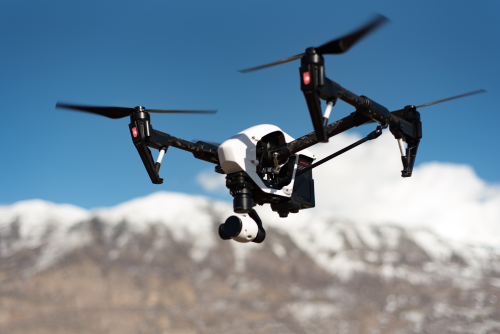
If you travel with only carry-on bags, the best drone is usually not the one with the biggest sensor, the longest spec sheet, or the most aggressive marketing bundle. It is the one you will actually pack, charge, carry through airports, and fly confidently without blowing your budget on features that add weight more than value. Here’s how to choose the best drone for people who travel with only carry-on bags without overspending or buying the wrong features.
Quick Take
For most carry-on-only travelers, the smartest buy is a folding mini-class camera drone, usually in the sub-250g category, from a brand with a reliable app, good spare-part availability, and easy charging.
Use this simple rule:
- Buy small first, unless your work clearly demands more.
- Prioritize folded size, controller bulk, battery workflow, and real-world image quality.
- Pay more only if you truly need better low-light results, stronger wind handling, or a second camera for serious content or paid work.
- Be careful with giant accessory bundles, bulky FPV kits, and “pro” features you will rarely use on the road.
- Before every trip, verify airline battery rules and the destination’s drone import and flight restrictions.
The best default choice for most carry-on travelers
For most people, the best travel drone is a compact folding camera drone that is light enough to live in a small pouch and simple enough to launch quickly. In practice, that usually means the class popularized by drones like the DJI Mini series or the Autel EVO Nano line.
Why this class wins so often:
- It fits in small bags without needing a hard case
- It is easier to justify bringing on short trips
- Spare batteries and chargers are more manageable
- It is usually enough for travel photos, social video, YouTube b-roll, and casual landscape work
- It lowers the odds that you spend more on size and complexity than your actual trips require
That does not mean mini drones are always best. But they are the safest starting point for most travelers who want one carry-on bag to do everything.
Which drone class fits your kind of travel?
| Drone class | Best for | Carry-on advantage | Main tradeoff | Who should avoid it |
|---|---|---|---|---|
| Sub-250g folding camera drone | Most travelers, beginners, creators, casual photographers | Small, easy to pack, lower accessory burden | Less wind authority and less camera headroom than larger drones | People doing demanding commercial work or frequent windy coastal/mountain shoots |
| Compact mid-size camera drone | Serious creators, hybrid hobby/pro use, stronger landscape work | Still travelable, but takes more space | Larger batteries, bulkier controller setup, harder to justify on every trip | Travelers who really pack ultra-light |
| Palm/selfie drone | City breaks, family trips, simple social content, no-fuss flying | Extremely easy to carry and quick to use | Limited image control and less cinematic flexibility | Anyone expecting traditional aerial photography performance |
| FPV travel kit | FPV pilots, action sequences, dynamic cinematic flying | Can still fit in carry-on, but usually with compromises | Goggles, batteries, chargers, and safety gear eat bag space fast | Buyers wanting one simple all-purpose travel drone |
If you are stuck between two classes, choose the smaller one unless there is a clear reason not to.
Start with the output, not the drone
Most people overspend because they shop by product category instead of end result. Before you compare models, decide what you actually need the drone to create.
Ask yourself:
- Am I mainly shooting short social clips?
- Do I want travel memories and occasional scenic shots?
- Am I making polished YouTube or client-facing content?
- Do I need still photos as much as video?
- Will I fly mostly in cities, beaches, mountains, or open countryside?
- Am I buying for one trip, or for repeated travel over years?
If you mainly post to social platforms
You probably need:
- Quick launch
- Good stabilization
- Vertical or easily croppable footage
- Simple transfer to phone
- Lightweight batteries and charging
You probably do not need:
- A large airframe
- Advanced color workflows
- Multiple camera lenses
- The biggest still-photo numbers on the box
If you care about scenic travel photography
You should prioritize:
- Better dynamic range, meaning how well the camera holds detail in bright skies and dark ground at the same time
- Reliable wind performance
- Stable hover and strong GPS lock
- Good panorama and bracketing options if supported
- Easy filter support if you shoot video in bright daylight
If you want one drone for content and occasional paid work
This is where many buyers should think harder. A mini-class drone may still be enough, but you may benefit from moving up a class if your deliverables demand:
- Better low-light video
- More flexible camera options
- Stronger performance in wind
- Higher confidence for repeatable professional shots
- More durable workflow and service support
The key is this: buy for the hardest 20 percent of your real use, not the fantasy version of future work you may never book.
Set a bag-space budget before you set a money budget
Carry-on travelers often focus on the drone body and forget the rest of the kit. The real packing footprint includes:
- Drone
- Controller
- Batteries
- Charging hub or charger
- Cables
- Spare propellers
- Memory cards
- Filters
- Storage pouch or case
A drone that looks compact online may still be annoying in a one-bag setup if the controller is chunky, the charger is proprietary, or the bundle assumes you will carry a dedicated case.
A good travel drone kit should answer “yes” to most of these:
- Can I fit the whole flight kit in one small packing cube or pouch?
- Can I charge it with USB-C, a compact wall charger, or a power bank?
- Can I pack it without a hard shell case?
- Can I carry two or three batteries without sacrificing too much space?
- Can I set it up quickly without turning my hotel room into a charging station?
If the answer is “no” to several of those, it may not be the right carry-on drone, even if the camera is excellent.
The most important features to pay for
Not every premium feature is worth it for travel. These are the ones that usually are.
Small folded size and smart packing shape
This matters more than many first-time buyers expect. Flat, compact drones and controllers disappear into a bag more easily than awkward shapes.
Good travel gear is not just light. It is easy to fit around the rest of your life.
Easy charging
USB-C charging support, compact charging hubs, and compatibility with common travel chargers make a major difference. If your drone demands special bricks, too many cables, or a complex charging routine, you will feel it on every trip.
Reliable setup and app experience
Travel often means short weather windows, crowded schedules, and limited time. A drone that connects quickly and behaves predictably is worth paying for.
Good-enough camera quality for your real output
If you mainly publish to phones, social feeds, and YouTube, you may not need the largest sensor or the most advanced color profile. You do need footage that looks clean, stable, and easy to edit.
Wind handling
This is one of the most practical upgrade reasons. If you visit coastlines, cliffs, open deserts, or high viewpoints, stronger wind performance can matter more than extra resolution.
Spare parts and repair support
Travel exposes drones to baggage pressure, dusty conditions, wet air, and occasional minor bumps. A brand with easy battery access, replacement props, and decent service support is often a better buy than a spec monster with weak after-sales support.
Obstacle sensing if your travel style calls for it
If you are a beginner, fly around trees, architecture, or unfamiliar locations, obstacle sensing can be worth the extra spend. If you mainly fly in wide-open scenic areas and already keep strong margins from obstacles, it may be less essential.
Features many carry-on travelers overpay for
This is where budget regret usually happens.
More drone than you will realistically carry
The best image quality in the world does not help if the drone keeps getting left behind because it takes too much bag space.
Giant combo bundles
Extra batteries and accessories can be useful, but many bundles are designed to feel like a bargain while pushing you into carrying more than you need. For many travelers, a lean kit with two or three total batteries is more realistic than a maximal bundle.
Extreme transmission range
For legal, safety, and practical reasons, most travel pilots do not need headline range claims. Reliability matters more than huge numbers.
Advanced color workflows you will never edit properly
If you do not enjoy color grading, or if your workflow is mostly quick edits on the road, do not overspend just because a drone advertises professional recording modes.
A larger drone just for low-light dreams
Yes, larger drones can help in tougher light. But many travel flights happen in good daylight, and many scenic locations are sensitive, restricted, or simply not ideal for low-light flying. Only pay for this if you truly know you will use it.
FPV gear as an impulse travel buy
FPV is exciting, but it is rarely the best all-purpose carry-on drone choice for a new buyer. The goggles, batteries, charging setup, and learning curve change the equation fast.
Choose the controller as carefully as the drone
This is one of the most overlooked buying decisions.
Phone-based controller
Best for:
- Lower cost
- Smaller initial spend
- People who do not mind using their phone
- Travelers who want to keep the kit minimal
Downsides:
- More setup friction
- Drains phone battery
- More cables and handling
- Can be annoying when traveling fast
Built-in screen controller
Best for:
- Faster deployment
- Cleaner travel workflow
- Less dependence on phone compatibility
- People who fly often
Downsides:
- More expensive
- Usually bulkier
- Another device to charge
If you are the kind of traveler who will skip flying when setup feels annoying, the screen controller may be worth the extra cost. If you are budget-focused and comfortable using your phone, a standard controller can save money and space.
When you should move up from a mini-class drone
A compact travel drone is the best answer for most buyers, but there are valid reasons to step up.
Move up a class if you consistently need:
- Better wind performance
- Better low-light results
- A second camera or tele lens for framing flexibility
- More robust professional deliverables
- A drone that doubles as a serious paid-work tool at home
Do not move up just because:
- You think bigger always means more “professional”
- You are afraid of outgrowing a smaller drone before you have even flown one
- You are buying for rare edge cases instead of your normal travel reality
A bigger drone is often the right tool for a creator or operator. It is just not always the right carry-on tool.
When a palm or selfie drone makes more sense
Some travelers do not need a traditional aerial camera drone at all. If your priority is:
- Quick travel clips
- Solo creator shots
- Walking follow footage
- Family memories
- Ultra-minimal packing
…then a palm or selfie drone, such as the class represented by devices like DJI Neo or HoverAir X1, may be more useful than a larger folding drone.
These are not replacements for all aerial work. But for some travelers, the best drone is the one that removes setup friction almost entirely.
If you hate carrying gear, that matters.
If you are an FPV pilot, be honest about the bag penalty
FPV travel is possible, but it is rarely space-efficient. Even compact FPV systems usually mean:
- Goggles
- Multiple batteries
- Specialized chargers
- More spare props
- A more involved safety routine
- Often a second camera drone if you want traditional travel shots too
If your trip is built around FPV flying, that may be worth it. If your trip is built around moving lightly through airports and cities, an FPV kit can become a bag-space bully fast.
For many travelers, the smartest setup is a mini camera drone first, then a separate FPV kit only if that style is central to the trip.
Safety, legal, and travel compliance checks you cannot skip
This topic touches both flight rules and air travel, so caution matters.
Battery and airline rules
In many cases, airlines require spare lithium batteries to travel in carry-on baggage rather than checked baggage, and they may require terminals to be protected. Battery capacity limits and quantity rules can vary by airline and country.
Before you fly, verify:
- Your airline’s battery policy
- The battery watt-hour limits that apply
- Whether spare batteries need individual protection
- Whether your destination airport has extra screening practices
Do not guess here.
Drone import and customs restrictions
Some countries allow drones freely. Others restrict import, require declaration, or limit who can operate one. Even when ownership is legal, local use may be restricted.
Before you travel, verify:
- Whether you can legally bring the drone into the country
- Whether registration is required before flight
- Whether foreign visitors can operate drones
- Whether permits are needed for recreational or commercial use
Local flight restrictions
Even where drone ownership is allowed, you may still face restrictions around:
- Airports and controlled airspace
- National parks and protected areas
- Beaches, historic sites, and landmarks
- City centers
- Private resorts, venues, or event spaces
Also remember that launch and landing rules can differ from airspace rules. A place may not be restricted airspace, yet still prohibit takeoff from that property.
Commercial use while traveling
If you plan to shoot for clients during travel, be extra careful. Paid work abroad can trigger additional issues such as local operating authorization, insurance expectations, work permission, or client venue approvals.
If money is involved, verify the rules before the trip.
Common mistakes that lead to buyer regret
Buying for hypothetical future work
A lot of people buy a drone sized for the client work they imagine, not the travel they actually do. If you mostly take weekend or vacation trips, buy for that first.
Ignoring controller size
The drone folds small. The controller often does not. Many travel kits live or die on controller bulk.
Assuming sub-250g means “no rules”
It does not. Weight thresholds vary by country, and exemptions can depend on purpose, location, and operating style. A lightweight drone may reduce friction in some places, but it is not a universal free pass.
Packing too many batteries without a charging plan
More batteries are not automatically better. Think in terms of one day’s realistic flying, hotel charging time, and airline policy.
Choosing camera specs over travel friction
A slightly better camera is not worth much if the kit is irritating enough that you stop carrying it.
Forgetting support and repair realities
Travelers break props, lose cables, and need replacement parts. A drone from a weak support ecosystem can become expensive in hidden ways.
Not practicing before the trip
A travel drone should be familiar before departure. Learn the app, update firmware at home, test charging, and practice return-to-home and battery swaps before you are on a mountain overlook with 20 minutes of daylight left.
A simple carry-on-first buying process
If you want a clean way to decide, use this sequence.
-
Define your top two outputs.
Example: social reels and scenic travel photos, or YouTube b-roll and client promos. -
Set your packing limit.
Decide how much bag space the full kit is allowed to consume. -
Pick the smallest class that can do the job.
For most people, that is a mini-class folding camera drone. -
Choose your controller style.
Phone-based for lower cost, screen controller for lower friction. -
Build a realistic battery plan.
Buy the number of batteries you will actually use and legally carry. -
Pay for practical upgrades, not status upgrades.
Wind handling, charging convenience, and reliability beat bragging-right specs for most travel buyers. -
Check support and accessory availability.
Spare props, batteries, and service options matter. -
Verify airline and destination rules before purchase if your trips are international.
Some destinations are much less drone-friendly than others, and that should influence what you buy.
FAQ
Is a sub-250g drone always the best choice for travel?
No, but it is the best default choice for most carry-on travelers. If you need stronger wind performance, better low-light results, or more serious professional output, a larger compact drone may be a better fit.
Can I put drone batteries in checked luggage?
Usually, spare lithium batteries are expected to travel in carry-on baggage, not checked baggage, but policies vary. Always verify your airline’s rules and battery capacity limits before travel.
How many batteries should I travel with?
Enough for your real shooting day, not your fantasy one. For many travelers, two or three total batteries is a practical starting point. The right number depends on your shooting style, charging access, airline limits, and how much bag space you can spare.
Do I need obstacle avoidance for travel?
It depends. Beginners, urban travelers, and people flying around trees or structures may benefit from it. If you mostly fly in open landscapes and keep conservative distances, it may be less important than portability and charging ease.
Should I buy the combo bundle or the base kit?
Buy the bundle only if you know you will use most of it. Many carry-on travelers are better served by a lighter custom kit: drone, controller, one or two spare batteries, spare props, and compact charging gear.
Is FPV practical if I travel with one carry-on bag?
It can be, but only if FPV is central to your trip and you accept the bulk of goggles, extra batteries, and support gear. For general travel, a mini camera drone is usually the more practical first purchase.
Can one drone handle both travel and paid work?
Sometimes, yes. A strong mini-class or compact camera drone can cover both for many creators and small operators. But if paid work is frequent, demanding, or done in tougher conditions, you may outgrow a travel-first setup faster.
Are palm or selfie drones worth buying instead of a regular drone?
They can be, especially for casual travelers, solo creators, and people who hate gear friction. They are not full replacements for serious aerial photography, but they can be the better real-world choice if ease of use matters more than maximum image flexibility.
Final decision
If you want the safest buying answer, choose the smallest folding camera drone that gives you the image quality you actually publish, not the image quality you imagine needing someday. For most people traveling with only carry-on bags, that means a mini-class drone, a lean battery setup, and a charging workflow that fits into normal travel life.
Only move up in size when your real work, your real locations, and your real output justify the extra bulk. If you buy for bag space first and specs second, you are far less likely to overspend or end up with a drone that stays in the hotel.
