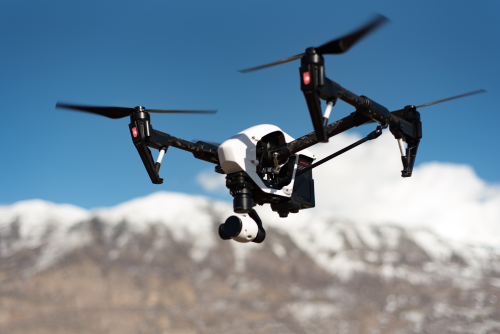
If you’re trying to choose the best drone for pilots who want a quiet drone without overspending or buying the wrong features, the smartest move is to ignore marketing hype and start with the right drone class. For most buyers, the best answer is not the most expensive drone, the fastest drone, or the one with the longest feature list. It is usually the smallest stable camera drone that can handle your actual flying conditions without sounding harsh, attracting unnecessary attention, or locking you into features you will rarely use.
Quick Take
Here is the short version for buyers who want a quieter drone and a lower-regret purchase:
- The best quiet-drone choice for most people is a lightweight folding camera drone, especially in the mini or ultralight class.
- Bigger drones usually handle wind better and offer more camera flexibility, but they are usually more noticeable both in sound and visual presence.
- FPV drones, especially ducted “cinewhoop” styles, are often the wrong choice if quietness is your top priority. They can sound sharper and more aggressive than many standard camera drones.
- Spend on the right class, extra batteries, spare propellers, and reliable support before paying for headline specs like extreme resolution or multiple cameras.
- “Quiet” does not mean silent, private, or exempt from rules. You still need to verify local flight laws, privacy expectations, property rules, and protected-area restrictions before flying.
If you want one rule of thumb: buy the smallest drone that safely delivers the footage, stability, and flight time you need.
What “quiet” really means in drone buying
No drone is silent.
That sounds obvious, but many buyers still shop as if one model will somehow disappear acoustically. In real use, “quiet” usually means one of three things:
- Lower overall loudness
- Less annoying sound character
- Less attention from people nearby
Those are not always the same thing.
A drone can measure lower in raw noise but still sound more irritating because of pitch. High-pitched buzzing often draws attention faster than a softer “whoosh.” This is why some very small drones can sound more annoying than expected, and why some ducted FPV drones feel louder than their size suggests.
A drone’s noise profile is shaped by:
- Weight
- Propeller size and design
- Motor speed
- Whether the propellers are ducted or open
- Flight mode
- Wind conditions
- How hard the drone has to work to hover or climb
In plain English, drones get louder when they spin smaller props faster, fight wind harder, or use designs that create a sharper tone.
That is why the best quiet drone is not automatically the smallest possible drone. It is the one with the best balance of low weight, efficient propellers, stable hover, and enough power that it does not need to constantly scream through the air just to hold position.
Which drone type usually makes the most sense for quiet-first buyers
For most shoppers, the decision gets easier when you stop comparing individual features and start by choosing the right category.
| Drone type | Noise character | Best for | Main buying risk | Quiet-first verdict |
|---|---|---|---|---|
| Lightweight folding camera drone | Usually the least intrusive option for general outdoor flying | Beginners, travel creators, casual aerial photos, light commercial work | Buying too many premium features you do not need | Best starting point for most buyers |
| Mid-size all-rounder camera drone | Deeper and more noticeable, but often smoother in wind | Stronger wind, more demanding photography, more serious paid work | Overspending for capability you rarely use | Good if your environment or work really demands it |
| Ducted FPV or cinewhoop drone | Often high-pitched, sharp, and attention-grabbing | Controlled cinematic motion, manual flying, FPV content | Mistaking “cinematic” for “quiet” | Usually a poor fit if quietness is your top goal |
| Large professional or enterprise drone | Loud and highly noticeable | Inspections, mapping, heavy payloads, specialized work | Buying far beyond your real use case | Avoid unless business requirements clearly justify it |
The class most people should start with
A lightweight folding camera drone is usually the sweet spot.
This class works well because it tends to offer:
- Lower weight
- Efficient stabilized flight
- Decent camera quality for travel, social, and hobby use
- Easier packing
- Lower replacement and accessory costs than bigger platforms
In today’s market, many quiet-conscious buyers naturally end up looking at mini-class drones such as the DJI Mini family, and in some regions similar compact alternatives. That is not because they are silent. It is because they usually offer the best combination of portability, lower acoustic footprint, and practical camera results for everyday users.
When sizing up makes sense
A mid-size camera drone can still be the right choice if you often fly:
- On coasts or in mountain wind
- Over open land where noise matters less than stability
- For paid work that needs stronger image quality or more flexible shooting options
- In conditions where a small drone would constantly fight the air and become inefficient
A slightly larger drone may be louder in absolute terms, but if your small drone struggles every time the wind picks up, the real-world experience may be worse. Constant high-throttle corrections are noisy and stressful.
Why many noise-sensitive buyers regret buying FPV first
FPV means first-person view manual flying, where the pilot flies through goggles or a low-latency screen for a more immersive feel. It is exciting, but it is not usually the quiet path.
Many beginners are drawn to ducted FPV drones, often called cinewhoops, because they look safer and promise cinematic movement. But if your top concern is low noise, these are commonly disappointing. They often produce a more piercing, vacuum-like sound than a conventional camera drone.
If you want calm travel footage, neighborhood-friendly practice, or low-attention flights, a standard stabilized camera drone is usually the better buy.
How to choose the right quiet drone without overspending
Use this order. It will save you more money than chasing spec sheets.
1. Start with where you will actually fly
Your main environment matters more than most advertised features.
Ask yourself where at least 80% of your flights will happen:
- Residential edges or quiet parks
- Travel destinations
- Beaches and open viewpoints
- Rural fields
- Job sites
- Indoors or controlled sets
If you mainly fly in quieter shared spaces, smaller and less intrusive wins. If you mainly fly in wind or open commercial environments, you may need to accept more drone and more sound.
2. Decide what output you truly need
The right drone for a quiet buyer depends on the final output, not the marketing brochure.
If you mostly need:
- Social clips
- Travel videos
- Casual photography
- Family trips
- Basic content creation
You probably do not need a larger premium drone.
If you need:
- Higher-end paid deliverables
- More editing flexibility
- Better performance in difficult light
- Stronger wind handling
- More demanding commercial reliability
Then it may be worth moving up one class.
A lot of overspending happens when people buy for imagined future work instead of the next 12 months of real use.
3. Put weight and prop efficiency ahead of top speed
A quiet-first buyer should care more about stable, efficient flight than headline speed.
What usually helps:
- Lower takeoff weight
- Efficient propeller design
- Smooth GPS-assisted hovering
- Good battery endurance in normal mode
- Calm, predictable handling
What often does not help:
- Extreme sport mode performance
- Aggressive acceleration
- High-speed manual acro-style capability
If quietness is a priority, performance should mean smooth control and efficient hover, not raw punch.
4. Buy enough camera, not the maximum camera
This is one of the biggest sources of buyer regret.
Many people pay a premium for features that barely affect their real results:
- Very high video resolution they never edit properly
- Multiple lenses they rarely use
- Specialized color profiles they do not know how to grade
- Extra camera systems when most output ends up on phones or standard web delivery
If you are not already limited by your current camera workflow, you probably do not need to pay for the top imaging tier.
For many buyers, the better investment is:
- More flight time
- A spare battery or two
- Extra propellers
- A better charging setup
- Better carrying protection
- Practice time
5. Check how the drone behaves in normal flight, not just promo footage
A drone can look elegant in marketing videos and still be annoying in real use.
When researching, focus on:
- Takeoff sound
- Hover sound
- Sound during slow passes
- How it behaves in moderate wind
- Whether it requires frequent high-throttle corrections
- Whether users mention prop noise, vibration, or harsh tone
The noisiest moments are often takeoff, rapid climb, hard braking, and sport-mode bursts. If your normal flying will be slow and deliberate, choose a drone that feels composed in exactly that style.
6. Budget for the real kit, not just the aircraft
A cheaper drone becomes expensive fast if you ignore the support gear you actually need.
Your real budget should include:
- At least one extra battery
- Spare propellers
- A proper charger or charging hub
- A case or safe transport option
- Memory storage if needed
- Basic maintenance and replacement costs
For commercial or field use, also think about downtime. A drone with easy parts access and good service support can be the cheaper choice over time, even if the initial price is higher.
7. Think about your upgrade path before you buy
The wrong quiet drone purchase usually fails in one of two ways:
- You buy too small and outgrow it quickly
- You buy too big and stop taking it with you
That second mistake is common.
The best drone is often the one you actually carry, charge, and fly. If a bigger drone stays home because it is more awkward, louder, or more stressful to deploy, then its extra capability is wasted.
Features that matter most for noise-conscious buyers
If quietness is high on your list, these are the features worth caring about.
Stable hover and smooth flight tuning
A drone that hovers calmly and does not hunt or twitch is usually more pleasant to fly and hear.
Good battery life in normal flying
You want efficiency, not just max advertised endurance. Efficient drones can hover and cruise with less strain and less noise.
Easy-to-find spare propellers
Fresh, undamaged propellers matter. Bent, chipped, or poor-quality props can increase vibration and sound.
Reliable return-to-home and strong basic safety features
If you are flying in quiet public spaces, predictable recovery behavior matters. You do not want panic flying.
Portability
A compact drone is more likely to come with you, which increases actual value.
Repair and service support
A quiet-buying decision should also be a low-regret ownership decision.
Features that often lead to overspending
These features are not bad. They are just not automatic value for a quiet-first buyer.
Extreme video specs
If your audience watches on phones, laptops, or social platforms, maximum resolution is often not the bottleneck.
Multi-camera setups
Useful for some professionals, overkill for many hobbyists and travelers.
Premium controller upgrades
Nice to have, not usually essential. Sometimes the same money is better spent on batteries and spare parts.
Aggressive speed modes
Fun, but the opposite of discreet.
Prop guards for general outdoor use
They can make sense in training or specific controlled situations, but they often add drag and can add noise. Do not assume guards make a drone quieter.
Full top-tier sensing packages if your flying is simple
Obstacle sensing can be very useful, especially for beginners. But if your flights are mostly open landscapes and basic travel shots, it may not be the smartest place to spend your limited budget.
Best fit by buyer type
For beginners and travel creators
Choose a lightweight folding camera drone first.
This is usually the best balance of:
- Lower noise
- Easier transport
- Easier learning curve
- Enough camera for most everyday use
For hobby photographers in windier areas
A compact mid-size camera drone may be worth the extra noise and cost if your smaller options would constantly struggle.
For real estate, basic business content, and solo operators
A smaller camera drone can be a smart choice when discretion, quick setup, and neighborhood sensitivity matter. But if your work regularly demands stronger wind handling or more flexible image capture, moving up a class may be justified.
Before using any drone for commercial work, verify the operating rules, any registration or pilot requirements, local privacy expectations, insurance needs, and property-owner permissions in your region.
For FPV pilots tempted by a “quiet cinewhoop”
Be careful. If you want manual immersive flying, accept that true quietness is not the main strength of that category. Buy it for the flight style, not because you expect it to be discreet.
Common mistakes people make
Mistaking small for automatically quiet
Very tiny drones can sound sharp and buzzy. Size helps, but sound character matters too.
Buying for rare future scenarios
If you shoot simple travel footage 95% of the time, do not buy around the 5% fantasy job.
Ignoring propeller condition
A damaged prop can make even a good drone sound worse and fly worse.
Believing “low-noise props” will transform everything
They may help a little. They do not turn a loud class of drone into a quiet one.
Choosing a ducted FPV drone for casual family or travel footage
That is a common mismatch.
Overspending on the drone body and underspending on support gear
Batteries, props, and maintenance often matter more in everyday satisfaction.
Safety, legal, and operational limits to remember
A quieter drone is not a free pass.
Before flying, verify the rules that apply where you are, especially if you are crossing borders or using the drone for work. Even light drones may still fall under registration, pilot competency, remote identification, geofencing, altitude, or line-of-sight rules depending on the country.
Also keep these practical limits in mind:
- Park, beach, and heritage-site rules may be stricter than national aviation rules.
- Property owners, venue operators, and event organizers may have their own restrictions.
- Privacy complaints often come from perceived intrusion, not just noise.
- Wildlife areas and protected landscapes may restrict or ban drones regardless of weight.
- A quiet drone can still be unsafe around people, traffic, or buildings if flown carelessly.
If you are buying for paid work, also verify insurance expectations, client site permissions, and any airspace approval process required in your area.
FAQ
Are sub-250g drones always the quietest?
Not always, but they are often the best quiet-first option for general camera use. Some very small drones produce a sharper, more annoying tone than slightly larger well-tuned models. The advantage of the sub-250g class is usually the overall balance of portability, lower attention, and practical image quality.
Do low-noise propellers actually work?
Sometimes, a little. They can slightly soften sound or improve efficiency, but they do not completely change the nature of the drone. Treat them as a minor refinement, not a reason to buy the wrong drone.
Is an FPV drone a good choice if I want a quiet drone?
Usually no, especially if quietness is your top priority. FPV drones are bought for flight experience, agility, and style. Many sound more aggressive than standard camera drones.
What is the best drone type for travel if I want less attention?
A lightweight folding camera drone is usually the safest answer. It packs easily, launches quickly, and tends to be less intrusive than larger platforms. You still need to verify local rules before flying at any destination.
Can a quieter drone still be good enough for professional work?
Yes, in many cases. Basic real estate, tourism content, social media work, and lightweight solo production can often be handled well by compact camera drones. More demanding commercial jobs may require a step up in stability, sensor performance, or redundancy.
Should I buy the big accessory bundle right away?
Only if you know you will use it. One or two extra batteries and spare props are often enough to start well. Huge bundles can push you into overspending before you know your real workflow.
Do prop guards make a drone quieter?
Usually not. They often add drag and can change the sound in a way that is actually more noticeable. Use them for safety or training reasons when appropriate, not as a noise solution.
Does a quieter drone mean I can fly closer to people or homes?
No. Noise level does not change your legal or safety obligations. Maintain safe operating distance, respect privacy, and follow the rules that apply where you fly.
The decision that saves most buyers money
If quietness is high on your priority list, do not shop for the most advanced drone. Shop for the least drone that can still do your job well.
For most people, that means a lightweight folding camera drone with good stability, enough camera for their real output, spare props, and a couple of extra batteries. If you regularly fly in stronger wind or deliver more demanding paid work, move up one class on purpose, not by impulse. The best quiet drone is rarely the one with the longest feature list. It is the one you will actually fly confidently, legally, and often.
