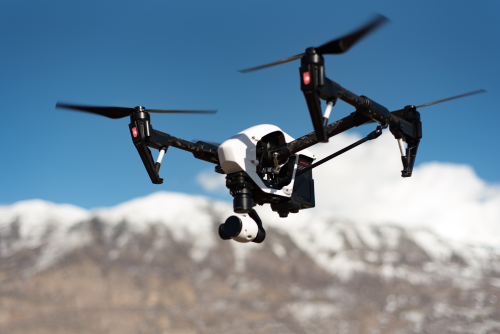
If you’re trying to figure out how to choose the best drone for wedding filmmakers without overspending or buying the wrong features, start with the reality of wedding work: you need safe, repeatable shots under time pressure, around people, in changing light. The best wedding drone is rarely the biggest or most expensive one. It is the one that fits your venues, your editing workflow, your travel habits, and your ability to fly smoothly without creating risk or delay.
Quick Take
For most wedding filmmakers, the smartest buy is usually one of two things: a high-quality mini drone for travel, discretion, and simple deployment, or a mid-size all-rounder for stronger wind handling and better image quality at sunset.
Keep these points in mind before you buy:
- Prioritize safe, predictable flight over headline specs.
- For weddings, image consistency, low-light performance, wind stability, battery workflow, and repair support matter more than extreme speed or range.
- A bigger sensor can help, but only if your work actually includes dusk exteriors, heavy color grading, or high-end luxury deliverables.
- A backup drone, extra batteries, spare props, and ND filters often improve paid results more than upgrading to a flagship model.
- FPV can be a great add-on service, but it is usually the wrong choice as your only wedding drone.
- If you travel often for destination weddings, compact size and battery logistics matter more than bragging-right features.
What a wedding drone actually needs to do
Wedding filmmakers do not need the same drone features as survey teams, inspectors, racers, or cinema crews with large support staff.
Most wedding drone footage falls into a few practical categories:
- Venue establishing shots
- Slow reveals of ceremony or reception spaces
- Couple portrait movement shots
- Scenic transitions between scenes
- Sunset or blue-hour exterior shots
- The occasional exit, sparkler-line, or outdoor night establishing clip
That means your drone needs to be good at smooth movement, quick setup, safe operation near a busy venue, and footage that cuts well with your main cameras.
Here is a better way to think about it:
| Wedding scenario | What matters most | What usually matters less |
|---|---|---|
| Venue reveal | Stable hover, smooth gimbal movement, dynamic range | Extreme speed |
| Couple orbit or pull-back | Predictable controls, obstacle sensing, quiet operation | Huge zoom range |
| Destination wedding | Portability, battery packing, quick deployment | Large airframe prestige |
| Sunset exterior | Better low-light performance, color flexibility | Very high still-photo resolution |
| Tight schedule, solo shooter | Reliable app, fast setup, strong return-to-home | Enterprise features |
Dynamic range means how well the camera holds detail in both bright and dark areas at the same time, such as a white dress in sunlight and darker trees or buildings behind it.
The buying criteria that matter most
Safe, predictable flight behavior
Wedding work rewards discipline, not aggression.
You need a drone that:
- Hovers confidently
- Brakes smoothly
- Responds consistently to small stick inputs
- Returns home reliably if signal drops
- Gives clear warnings without overwhelming you
- Has obstacle sensing, meaning sensors that help detect objects around the drone
Obstacle sensing is not magic. It can reduce risk, but it does not replace planning, line of sight, or good pilot judgment. For weddings, it is useful because venues often have trees, string lights, poles, rooftops, pergolas, and last-minute movement from guests or staff.
A drone that feels calm and predictable is more valuable than one that promises dramatic top speed.
Camera quality that matches your actual deliverables
Most buyers overspend here.
Ask these questions instead of chasing the biggest sensor:
- Will this footage need to match your main wedding cameras?
- Do you color grade heavily in post?
- Do your clients actually pay more for the difference?
- Do you regularly shoot in bright, contrasty conditions or near sunset?
Useful camera features for wedding work include:
- Clean 4K video as a baseline
- 10-bit color, which stores more color information for smoother skies and more flexible grading
- A log profile, which is a flatter-looking video mode that preserves more highlight and shadow detail for editing
- Good highlight control for dresses, clouds, and reflective water
- Reliable stabilization from the gimbal, the motorized camera stabilizer under the drone
If your wedding edits are fast-turn, lightly graded, and mainly social-first, you may not need the most advanced codec or the largest sensor. If you create luxury films with careful color work, those upgrades matter more.
Low-light performance matters more than many buyers expect
Wedding drone footage is often easy in daylight and much harder near sunset.
Golden hour, blue hour, and venue exteriors after sunset are where smaller drones can start to show their limits. If you regularly film:
- Estate weddings at dusk
- Coastal venues with fading light
- Receptions where you want a final exterior shot
- Mountain venues with strong shadows late in the day
then moving from a mini drone to a stronger mid-size or premium model may be worth it.
If most of your drone use happens in clear daylight for ceremony location reveals and travel-style establishing shots, a mini-class drone can still be a very smart buy.
Size, noise, and how “present” the drone feels
This is one of the most overlooked buying factors in wedding work.
Bigger drones are usually louder, more intimidating, and more noticeable to planners, couples, guests, and venues. That matters. A loud drone can disrupt vows, change the mood of a portrait session, or draw attention at the wrong moment.
Smaller drones often win on:
- Discretion
- Faster setup
- Easier travel
- Less guest anxiety
- Better fit for tight schedules
A larger drone may produce better footage in difficult light, but if it makes the venue uncomfortable or limits where you can operate safely, it can still be the wrong tool.
Wind stability and real-world reliability
Wedding venues are often exposed:
- Beaches
- Clifftops
- Vineyards
- Rooftops
- Open fields
- Mountain properties
A drone that handles light-to-moderate wind confidently is worth paying for. This is one of the biggest differences between many mini drones and stronger mid-size models.
If you often work in windy regions, a mid-size all-rounder can be a better investment than a smaller drone with a more convenient weight class.
Battery workflow and full-kit cost
A wedding drone purchase is not just the aircraft.
You should budget for:
- At least three batteries for paid work
- A charging hub or reliable charging method
- Spare propellers
- ND filters, which reduce light so your daytime video can keep more natural-looking motion
- Extra memory cards if your system uses them
- A compact case or safe transport setup
- A backup plan if the drone is damaged before a job
Three batteries is a practical floor for many wedding shooters. Four is safer if you shoot long days, travel, or work in cold conditions.
It is often smarter to buy a slightly cheaper drone with a complete working kit than a flagship drone with only one or two batteries.
Ecosystem, repair support, and resale value
This is where many “cheap” purchases become expensive.
A good wedding drone should come from a system with:
- Easy access to batteries and props
- Reliable controller options
- Common ND filter support
- Firmware maturity
- Local dealer or repair support
- Reasonable resale demand if you upgrade later
For paid work, downtime matters. If a brand has weak local support where you operate, that should affect your buying decision just as much as the camera spec sheet.
Choose the right drone class for your wedding work
Instead of asking “What is the best drone?” ask “What class of drone fits my jobs?”
| Drone class | Best for | Why it works | Main tradeoff | Common examples to compare |
|---|---|---|---|---|
| Mini / sub-250 g class | Beginners, solo shooters, destination weddings, discreet venues, backup drone use | Light, travel-friendly, less intimidating, fast to deploy | Weaker in wind and low light than larger options | DJI Mini 4 Pro and similar nano-class alternatives |
| Mid-size all-rounder | Most working wedding filmmakers | Better wind handling, better sunset performance, often stronger camera options while still portable | Heavier, louder, more travel and compliance friction | DJI Air 3 or Air 3S class, Autel EVO Lite+ class |
| Premium image-focused | Luxury weddings, mixed commercial work, large estates, heavier grading workflows | Stronger image quality, better dusk flexibility, more room to grow | Higher cost, bigger footprint, diminishing returns for standard packages | DJI Mavic 3 Classic or Mavic 3 Pro class |
| FPV specialty | Studios adding dynamic motion shots | Unique movement style and energy | Steeper learning curve, higher operational complexity, poor fit as primary wedding drone | Specialized FPV rigs |
Examples above are buying categories, not a fixed ranking. Availability, firmware maturity, after-sales support, and legality vary by market, so compare the current local versions before purchasing.
Which class fits most buyers?
- Occasional wedding shooter or travel-heavy creator: mini class
- Full-time wedding filmmaker who wants the safest all-round choice: mid-size class
- Luxury studio or filmmaker who also shoots higher-end commercial work: premium class
- FPV specialist: keep FPV as an add-on, not your only wedding aircraft
Spend money where it actually improves wedding results
If you are trying not to overspend, this is where the real value sits.
1. A backup plan
For paid work, one drone and no backup is risky.
That backup could be:
- A second drone in the same ecosystem
- A smaller travel drone plus a larger main drone
- An older body you keep ready for emergencies
Two good drones can be a smarter business purchase than one flagship drone.
2. Batteries and charging
More batteries reduce stress, rushed decisions, and missed opportunities. They also help when weather or venue timing forces you to wait for the right moment.
3. ND filters
ND filters matter more than many beginners realize. They help keep motion natural in bright daylight instead of making footage look harsh or overly crisp.
4. Spare props and maintenance basics
Wedding work is not the place to discover you have no spare props after a small transport bump.
5. Practice time
A smoothly flown mini drone usually beats a badly flown premium one. Slow orbits, controlled pull-backs, gentle elevation changes, and smooth yaw matter far more than spec-sheet bragging rights.
Features that often lead wedding buyers to overspend
These features are not useless. They are just easy to overvalue for wedding work.
Extreme transmission range
For weddings, you should not be flying huge distances anyway. Reliable short-to-medium operational confidence matters more than maximum advertised range.
Very high resolution you will not use
If your delivery is 4K or below, massive resolution jumps often provide less real-world benefit than better low-light performance, cleaner color, or more manageable file sizes.
Big zoom ranges
Useful for some property or tourism work, but not essential for most wedding films. In many wedding situations, you want graceful, scenic movement rather than surveillance-style compression.
Premium recording codecs you do not edit for
Higher-end codecs can be valuable, especially in premium workflows. But if your storage, edit system, or turnaround speed does not support them, they can become expensive clutter.
Enterprise features
Thermal sensors, mapping workflows, loud accessories, and industrial software support are not wedding priorities.
Speed as a buying reason
Wedding filmmaking is about controlled, elegant movement. Speed helps in some situations, but it should not drive the buying decision.
A simple buying process before you click purchase
Use this process to avoid buying the wrong drone.
1. Audit your last 10 drone shots
Look at the shots you actually deliver, not the ones you admire online.
Ask:
- Were they mostly daytime or dusk?
- Were they wide venue reveals or tighter couple shots?
- Were you traveling?
- Did wind cause problems?
- Did you struggle to match footage in the edit?
2. Decide whether weddings are an add-on or a core service
If weddings are an occasional upsell, a mini drone may be enough. If weddings are central to your business, a mid-size all-rounder often makes more sense.
3. Budget the full kit, not just the drone body
Include batteries, filters, props, storage, protection, charging, repair cover where available, and possibly a backup drone.
4. Match the drone to your editing workflow
If you already shoot log footage on your main cameras and grade carefully, pay for that flexibility in the drone too. If you deliver quick edits with simple correction, do not overbuy.
5. Rent or borrow the next class up before upgrading
If you think you need a premium model, test it first. Many buyers discover the extra cost, noise, and size do not improve their actual wedding package enough to justify the jump.
Safety, legal, and operational checks wedding filmmakers cannot skip
Wedding drone work is commercial activity in many places, and rules vary widely by country, region, and venue.
Before flying, verify all of the following with the relevant aviation authority, property owner, venue, and local authority where applicable:
- Whether you need registration, pilot certification, or operational approval
- Airspace restrictions near airports, cities, coastlines, government sites, or event spaces
- Whether night operations have extra requirements
- Whether flying near or over people is restricted or prohibited
- Whether parks, historic venues, beaches, resorts, or private estates have separate rules
- Privacy and filming expectations for guests and nearby property
- Airline battery carriage rules and local import rules for destination weddings
A few practical rules of thumb:
- Never assume the couple’s permission equals legal permission to fly.
- Never assume a venue that “allows filming” automatically allows drones.
- Do not plan to launch or land near guests, children, moving vehicles, or alcohol-heavy gathering zones.
- Build a no-drone backup shot list in case weather, venue rules, or airspace restrictions change on the day.
- Consider using a visual observer if your local rules or the environment make it necessary.
- Check wind, gusts, rain risk, and return-to-home settings before takeoff.
The safest wedding drone footage is often the footage you choose not to attempt.
Common mistakes wedding drone buyers make
Buying for online hype instead of actual wedding use
A drone that looks impressive on YouTube may be a poor fit for short wedding timelines, venue restrictions, and travel logistics.
Ignoring noise and footprint
Big drones can create social friction even when they produce beautiful footage.
Underbudgeting accessories
A body-only purchase is rarely enough for paid work.
Choosing the most expensive model instead of the most dependable workflow
The best business decision is usually the drone you can deploy confidently every weekend.
Thinking sub-250 g means “no rules”
In some countries, lighter drones can reduce part of the compliance burden. In others, they still face restrictions. Either way, venue rules, airspace, privacy, and safe operation still matter.
Making FPV the only plan
FPV footage can be stunning, but it is not the safest or simplest primary wedding option for most filmmakers.
Skipping practice because the drone has strong automation
Automation helps. It does not create tasteful movement, good timing, or risk awareness.
FAQ
What is the best drone class for most wedding filmmakers?
For most working wedding filmmakers, a mid-size all-rounder is the sweet spot. It usually offers the best balance of image quality, wind handling, safety features, and portability. A mini drone is often better for travel-heavy or occasional wedding shooters.
Is a sub-250 g drone enough for paid wedding work?
Yes, in many cases. A good mini drone can absolutely handle venue reveals, couple portraits, and travel-based coverage. It becomes less ideal if you often work in strong wind, low light, or premium productions that demand heavier grading flexibility.
Should I buy one premium drone or two lower-cost drones?
For many professionals, two drones are smarter. A strong main drone plus a smaller backup can reduce business risk and keep you working if something fails. For wedding work, reliability often beats prestige.
How many batteries do I need for weddings?
Three is a practical minimum for many paid wedding jobs. Four gives you more breathing room for delays, travel days, weather shifts, and multiple flight windows.
Do I need obstacle sensing for wedding filming?
It is highly useful, especially around venues with trees, walls, lights, and last-minute movement. But it is a support tool, not a substitute for planning, safe spacing, and conservative flying.
Is a larger sensor always worth the extra money?
No. It is worth paying for when you regularly shoot at dusk, color grade seriously, or serve clients who expect a luxury finish. If most of your drone work is daytime establishing footage, the difference may not repay the added cost.
Can I use an FPV drone as my main wedding drone?
Usually no. FPV is best treated as a specialty add-on for teams with the skill, safety discipline, and client demand to support it. Most wedding filmmakers still need a conventional camera drone for dependable, elegant coverage.
What should I verify with the venue before the wedding day?
Ask whether drones are allowed on the property, where takeoff and landing can happen, whether there are quiet or no-fly periods, whether nearby structures or guest areas create safety concerns, and whether the venue has additional insurance or permission requirements beyond local aviation rules.
The smartest buying move for most wedding filmmakers
If you want the short answer, here it is: buy the smallest drone that reliably delivers the image quality and wind performance your real weddings require, then spend the rest of the budget on batteries, filters, backup, and practice.
For occasional or travel-heavy wedding work, that usually means a high-quality mini drone. For most professionals, it means a mid-size all-rounder. Only move into premium territory when your clients, venues, lighting conditions, and editing workflow truly pay you back for it.
