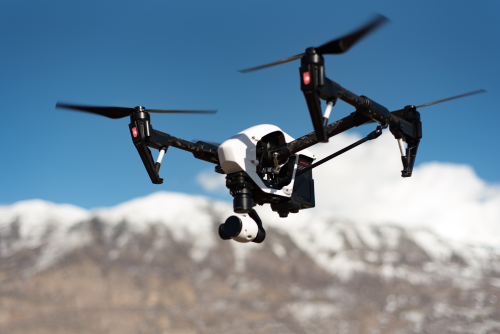
Mini drones vs FPV drones is one of the most important buying decisions in the consumer drone market, because these two categories solve very different problems. One is built to make flying and filming easy; the other is built to make flying itself immersive, fast, and highly expressive. If you are choosing based on budget, goals, and learning curve, the right answer is usually less about specs and more about what kind of pilot you want to become.
Quick Take
If you want the shortest path to smooth aerial footage, simple travel use, and low buyer regret, a mini drone is the better choice for most people.
If you want the thrill of manual flying, dynamic action footage, fly-throughs, and a hobby you can grow into, FPV is the better choice, but only if you accept a steeper learning curve, more gear, and more maintenance.
Key points
- A mini drone is usually the better first drone for beginners, travelers, creators, and business users.
- An FPV drone is usually the better second drone, specialist drone, or passion purchase.
- Mini drones typically have lower friction: easier setup, easier footage, fewer hidden costs.
- FPV drones often have higher total ownership costs because you may need goggles, a radio controller, more batteries, chargers, spares, tools, and simulator time.
- Mini drones are better for photos, scenic shots, travel content, and repeatable client work.
- FPV drones are better for chase shots, fast motion, indoor fly-throughs, action sports, and immersive manual control.
- In many countries, both types still fall under aviation rules. Weight, airspace, line of sight, registration, local site rules, and commercial use requirements vary. Always verify before flying.
Mini drones vs FPV drones: the difference most buyers miss
Many buyers think this is a size comparison. It is not.
A mini drone usually means a small, lightweight camera drone designed for convenience. These drones often include:
- GPS positioning for stable hovering
- a stabilized gimbal, which is the motorized camera mount that keeps video smooth
- automated flight assistance
- simple takeoff and return features
- an app-based or screen-based flying experience
An FPV drone means a drone flown through a first-person view, usually with goggles or a low-latency display that shows what the drone sees in real time. FPV flying often emphasizes:
- manual control
- fast response
- dynamic movement
- racing, freestyle, or cinematic action shots
- repairability and customization
That means some FPV drones are also physically small, and some “mini” drones are not toys at all. The real difference is this:
- Mini drones prioritize convenience and stable capture
- FPV drones prioritize immersive control and movement
That distinction matters far more than size.
Side-by-side comparison
| Factor | Mini drone | FPV drone | Better fit |
|---|---|---|---|
| First-day usability | Very high | Low to moderate | Mini |
| Learning curve | Gentle | Steep | Mini |
| Photos | Strong | Usually weak or secondary | Mini |
| Smooth cinematic video | Easy | Possible, but skill-dependent | Mini |
| Dynamic action footage | Limited | Excellent | FPV |
| Travel convenience | Excellent | More gear and battery management | Mini |
| Hidden costs | Moderate | High | Mini |
| Crash expectation | Lower if flown conservatively | High during learning | Mini |
| Repairability | Often less DIY-friendly | Often more repairable | FPV |
| Business versatility | Broad | Specialized | Mini |
| Flying thrill | Moderate | Very high | FPV |
| Indoor fly-through potential | Limited | Strong with the right setup | FPV |
Budget: the price tag is not the real cost
If you are deciding purely on sticker price, you will probably make the wrong choice.
What a mini drone budget usually looks like
A mini camera drone is often the more predictable purchase. Your budget may include:
- the drone
- controller
- one or more batteries
- charging accessories
- memory card
- carrying case
- optional filters
- optional protection plan
The key point is that the system is usually designed to work out of the box. For many buyers, the “full spend” is visible early.
What an FPV budget usually looks like
FPV often starts with one price and ends with a much larger total. Depending on the setup, you may need:
- drone
- goggles
- radio transmitter
- multiple batteries
- charger
- spare propellers
- spare arms, motors, or frames
- safe battery storage and transport gear
- simulator software for practice
- tools for setup and repair
- possibly soldering equipment
- possibly an action camera or upgraded recording system
That does not make FPV bad value. It just means it is rarely a one-box purchase.
Where buyers underestimate FPV cost
These are the most common budget blind spots:
- Crashes are part of learning
- Batteries are a bigger part of the experience
- Charging is a workflow, not an afterthought
- Repair time has a cost
- Some ready-to-fly kits reduce friction, but not always long-term upgrades
If you want the most usable result per dollar, mini drones usually win.
If you want the most excitement and skill growth per dollar, FPV can win for the right person.
Budget verdict
Choose a mini drone if you want:
- lower entry friction
- predictable ownership costs
- fast results
- broad usefulness
Choose FPV if you are comfortable budgeting for:
- accessories beyond the aircraft
- practice time
- repairs and spares
- a hobby ecosystem, not just a camera tool
Goals: which one actually fits what you want to do?
This is the most important section, because many buyers choose the wrong drone for the right reason.
Choose a mini drone if your goal is:
- travel content
- scenic landscapes
- city skylines where flying is permitted
- family trips and holidays
- real estate exteriors
- tourism and hospitality marketing
- social content with polished aerial reveals
- roof checks or site overviews where allowed
- still photography
- simple, repeatable footage for clients
A mini drone is ideal when you need the drone to disappear into your workflow. You take it out, fly, capture the shot, and move on.
Choose FPV if your goal is:
- action sports
- automotive content
- mountain biking, surfing, skiing, or skating follow shots
- dramatic fly-throughs
- indoor venue reveals
- dynamic cinematic movement
- freestyle flying
- racing
- the experience of flying itself
FPV shines when the camera movement is the story.
That is why FPV clips feel so different. The drone is not just observing the action from above. It is moving through the scene as a participant.
For creators, the difference is simple
If your content needs to feel:
- calm
- polished
- scenic
- stable
- versatile
choose mini.
If your content needs to feel:
- intense
- kinetic
- immersive
- aggressive
- impossible without manual control
choose FPV.
For business buyers and service providers
If you are buying for work, mini drones are usually the smarter first investment.
They are a better fit for:
- marketing teams
- real estate media
- hospitality content
- construction progress visuals
- site awareness
- tourism boards
- lightweight social production
FPV makes more sense when the business model specifically benefits from unique motion, such as:
- resort fly-through videos
- venue walkthroughs
- branded action campaigns
- automotive promo work
- sports media production
If you are an enterprise or industrial team, neither category should be treated as a universal solution. A mini drone can be useful for quick situational awareness or simple visuals, but serious inspection, mapping, surveying, or public safety work often requires dedicated platforms, payloads, and compliance procedures.
Learning curve: which one gets you flying faster?
For most buyers, this is where the decision becomes obvious.
Mini drone learning curve
A mini drone is designed to reduce pilot workload.
You usually get:
- assisted hovering
- stabilized flight
- easier orientation
- simple return features
- forgiving camera operation
That means many beginners can learn the basics in a single session and produce acceptable footage very quickly.
Your real skill development with mini drones is less about “can I keep it in the air?” and more about:
- airspace awareness
- framing
- lighting
- shot planning
- battery management
- safe decision-making
FPV learning curve
FPV is different.
Even if you buy a beginner-friendly FPV system, you are usually learning:
- orientation at speed
- throttle control
- camera angle habits
- manual or semi-manual flight behavior
- battery timing
- emergency recovery
- maintenance and repair basics
If you fly in acro or manual mode, the drone will not self-level the way many camera drones do. That is why simulator practice is strongly recommended before real flights.
A realistic FPV progression
If you are serious about FPV, the safest and smartest path is:
- Start in a simulator.
- Learn basic control inputs and recovery.
- Move to a beginner-friendly or smaller FPV setup in a safe open area.
- Expect crashes and keep spare parts.
- Build skill before trying cinematic work near obstacles or people.
That progression is not optional if you want to avoid wasted money and prevent unsafe habits.
Learning curve verdict
- If you want confidence fast, choose mini
- If you enjoy practice, tinkering, and skill development, choose FPV
- If frustration kills hobbies for you, do not start with FPV just because the videos look cool
Footage style, image quality, and editing reality
A lot of buyers say they want “cinematic footage,” but they mean very different things.
What mini drones do best
Mini drones are better for:
- stable horizon lines
- gentle reveals
- top-down shots
- travel shots at sunrise or sunset
- crisp still images
- polished clips with minimal drama
Because of the gimbal and flight assistance, they are easier to use in professional or semi-professional editing workflows. You are more likely to bring home something usable every time you fly.
What FPV does best
FPV is better for:
- dives
- sweeps
- orbits with strong speed changes
- interior to exterior transitions
- close-passing movement
- subject-chasing shots
- high-energy edits
The tradeoff is that FPV footage often requires more skill before it looks clean rather than chaotic.
It may also require more attention to:
- camera angle
- vibration control
- propeller visibility in frame
- post-stabilization
- color matching with other cameras
If you need still photos, mini drones are the obvious winner.
If you need movement that feels impossible with a standard camera drone, FPV is the winner.
Travel, portability, and day-to-day ownership
Why mini drones travel better
For travel creators and casual flyers, mini drones are usually easier to live with.
Benefits include:
- compact packing
- fewer separate components
- faster setup
- easier charging routines
- less bench work after flying
That simplicity matters when you are moving through airports, hotels, vehicles, or day trips.
Why FPV travel can get complicated
FPV travel often means carrying:
- goggles
- radio
- multiple batteries
- charger
- spare props
- tools
- sometimes multiple drones
Airline lithium battery rules vary by carrier and region, and drone rules vary by destination. Even where national airspace rules allow certain flights, parks, venues, heritage sites, beaches, or private properties may restrict takeoff and landing. Always verify airline battery policies and destination drone rules before you travel.
Repairability: a subtle but important difference
This part surprises many buyers.
- Mini drones are often easier to own when nothing goes wrong.
- FPV drones are often easier to repair when something does go wrong.
That means:
- Mini ownership is smoother for cautious users
- FPV ownership is better for hands-on users
If you hate tools, firmware updates, parts sourcing, and troubleshooting, you may not enjoy FPV long-term.
Safety, legal, and operational limits to know
This is not the fun part of buying, but it is the part that protects your money, your access, and other people.
Rules vary globally, even for small drones
Do not assume a mini drone is “rule-free” because it is small.
In many countries, drone obligations can depend on:
- weight class
- whether the flight is recreational or commercial
- altitude limits
- proximity to airports, people, roads, or sensitive sites
- airspace authorization
- pilot registration or operator registration
- remote identification requirements
- local privacy or property rules
FPV can add extra compliance questions
In some places, FPV flights may require a visual observer or spotter because the pilot is using goggles and may not be maintaining direct visual line of sight alone.
That is especially important for:
- cinematic shoots
- indoor commercial jobs
- flights near people or property
- public events
- client work at unfamiliar sites
If you are planning paid work, verify requirements with the relevant aviation authority, site owner, and insurer before operating.
Operational safety differences
Mini drones can feel safer because they are easier to control, but careless flights near people, roads, wildlife, or restricted areas are still risky.
FPV adds more operational risk because it often involves:
- higher speed
- closer proximity
- manual flight
- tighter spaces
- greater chance of impact during learning
Ducts or prop guards can reduce some contact risk, but they do not make a drone harmless or legally unrestricted.
Common mistakes buyers make
1. Buying FPV for the footage when they do not actually want the hobby
FPV is not just a camera choice. It is often a practice-and-maintenance hobby.
2. Buying a mini drone and expecting FPV-style excitement
Mini drones are great tools, but they will not recreate aggressive dives, technical fly-throughs, or that “inside the action” feeling.
3. Comparing only aircraft price
The real comparison is total system cost, not the price of the drone alone.
4. Ignoring the edit style they actually publish
Ask what you post most often:
- scenic wide shots
- travel reveals
- property overviews
- action reels
- chase sequences
Your published style should drive the purchase.
5. Assuming sub-250 or indoor means unrestricted
Many locations still have site rules, privacy limits, or operational restrictions. Always verify.
6. Underestimating charging and battery workflow
This matters more with FPV, but it matters with both.
7. Choosing the most advanced setup first
The best first drone is the one you will safely fly, learn, and keep using.
A simple decision framework
If you are still unsure, use this quick test.
Choose a mini drone if most of these sound like you
- I want usable footage immediately
- I care about photos as well as video
- I travel often
- I want a compact, low-friction kit
- I am buying for general use, not a niche
- I may use this for work or client content
- I do not want to repair after minor crashes
- I want one drone that covers the most situations
Choose FPV if most of these sound like you
- I care more about flying feel than convenience
- I specifically want action shots or fly-throughs
- I am willing to train in a simulator
- I do not mind crashing while learning
- I enjoy gear, tuning, and repair
- I want manual control and creative movement
- I am building a content style around motion
- I accept that this may not be my only drone
The clearest answer for most buyers
If this is your first serious drone, buy a mini drone.
If you already know that the flying experience itself is your main reason for buying, or your work absolutely depends on dynamic motion, buy FPV.
If your budget allows only one drone and you need broad utility, choose mini.
FAQ
Are mini drones better for beginners than FPV drones?
Yes, for most people. They are easier to control, easier to travel with, and much faster to produce usable footage. FPV is better for beginners only if they are specifically committed to learning FPV as a hobby from day one.
Is FPV always more expensive than a mini drone?
Usually in total ownership cost, yes. Even when the aircraft price seems close, FPV often requires more supporting gear, more batteries, more repairs, and more training time.
Can FPV drones shoot smooth cinematic video?
Yes, but not as effortlessly as a mini camera drone. Smooth FPV footage depends heavily on pilot skill, setup quality, and post-processing workflow.
Are mini drones good enough for paid work?
Often, yes. For real estate, hospitality, tourism, social campaigns, and general marketing, mini drones can be very effective. For advanced inspection, mapping, or specialized industrial tasks, you may need a different class of drone altogether.
Should I buy a mini drone first and FPV later?
For most buyers, that is the smartest path. A mini drone teaches airspace awareness, shot planning, and safe flight habits while giving you immediate value. FPV can then become a second system for more specialized creative work.
Is FPV better for indoor flying?
It can be, especially with smaller or ducted setups designed for close spaces. But indoor commercial flights still require site permission, strong risk management, and the right pilot skill level.
Can I travel internationally with either type?
Often yes, but you must verify three things before the trip: airline lithium battery rules, drone rules in the destination country, and local restrictions at parks, beaches, venues, or heritage sites.
Final decision
For most people deciding between mini drones vs FPV drones, the better buy is a mini drone. It is easier to learn, easier to carry, easier to justify, and more useful across travel, photography, casual flying, and entry-level business work.
Choose FPV only when the unique flying style is the whole point, or when your content and career clearly depend on that look. If you want one drone that earns its place quickly, start with mini. If you want a deeper flying craft and are ready for the work that comes with it, go FPV.
